




Wool Silk Oriental Rug
A wool silk oriental rug brings together rich textile traditions and fine knotting, offering enduring warmth and intricate design for the floor.
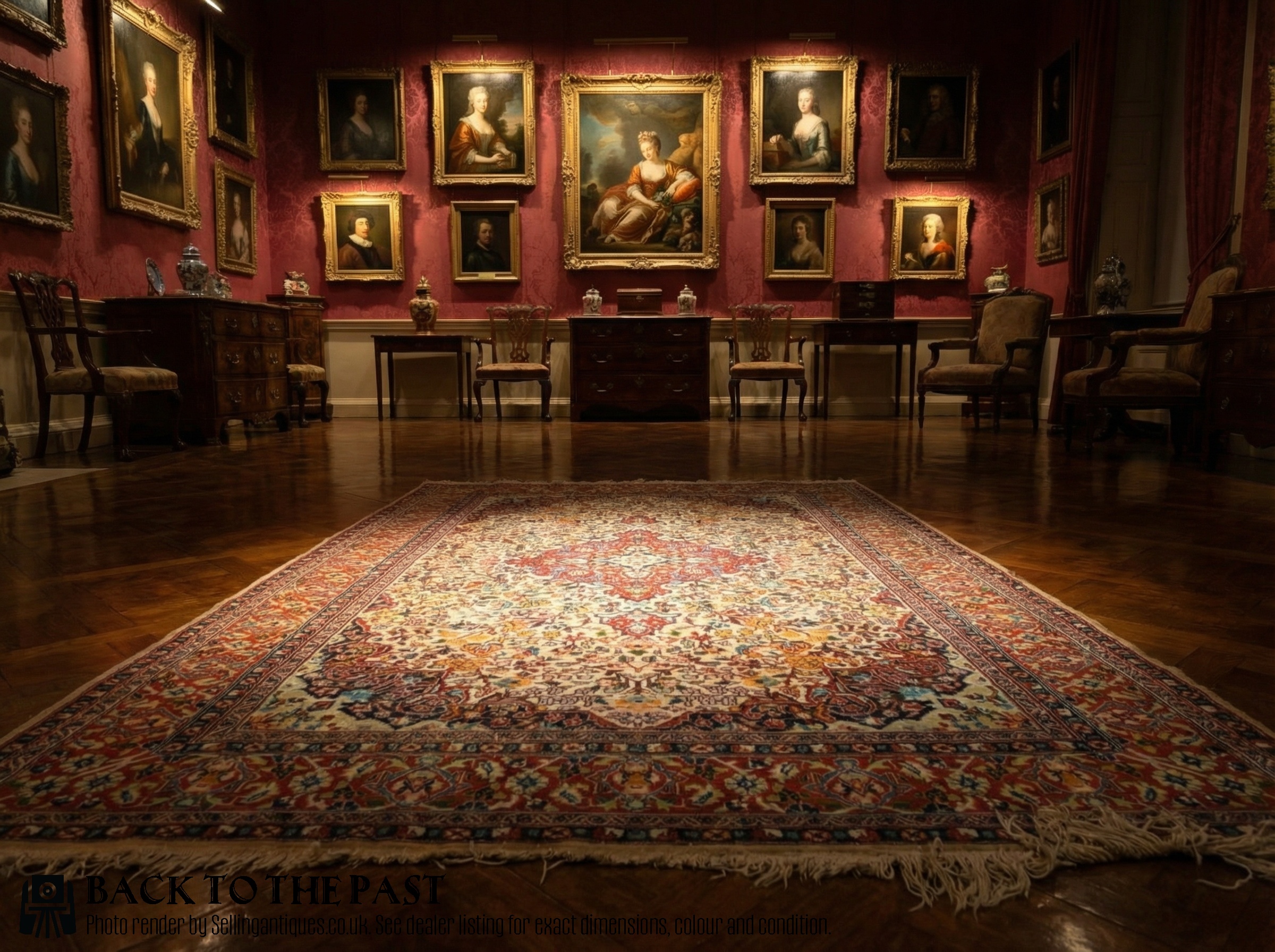
Wool Silk Oriental Rug
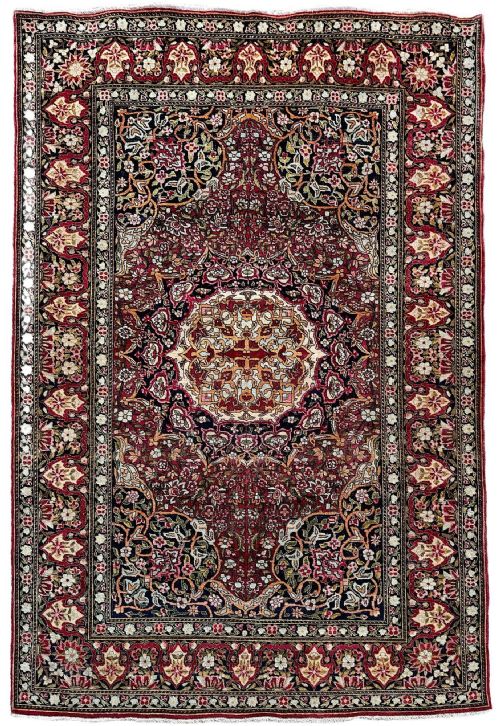
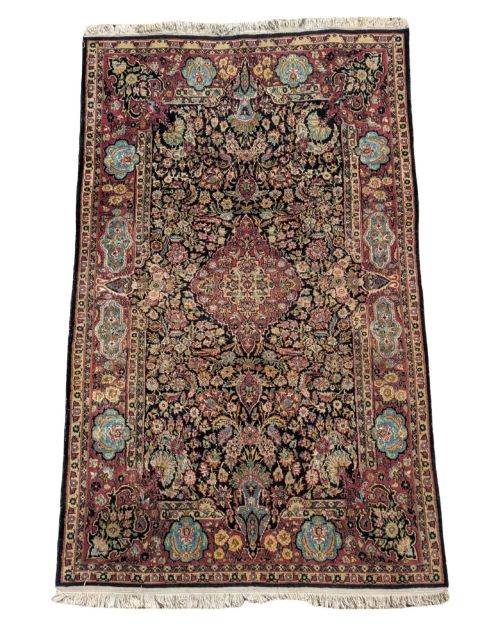
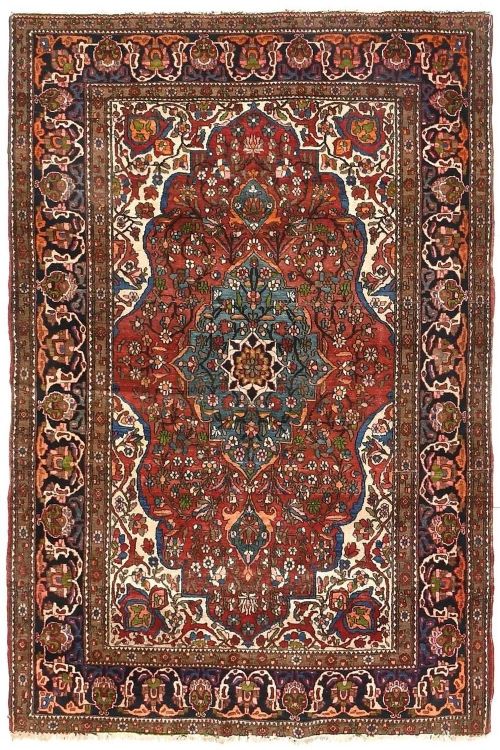
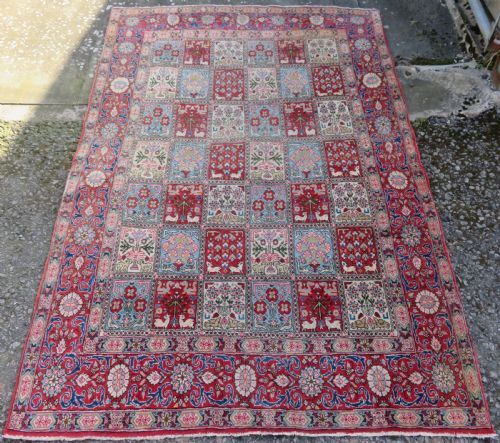
A wool silk oriental rug encompasses woven and embroidered floor coverings originating from traditional centres across the Middle East and Central Asia. When you search for this phrase, you encounter pieces ranging from Isfahan and Qum carpets to Kashan, Nain, Khotan, and tribal Turkmen formats.
The version you are most likely to meet on this page is a Persian town carpet or rug, often dated from the nineteenth century up to the nineteen-thirties. These examples frequently combine a wool pile with silk highlights, or employ lambswool on a silk foundation to create subtle texture contrasts.
Materials and construction
Weavers constructed these textiles using natural fibres such as wool, cotton, silk, lambswool, and felt. Foundation warps often consist of cotton or silk, supporting dense wool piles alongside delicate silk supplementary wefts or highlights.
Certain pieces incorporate specialised techniques like appliqué work and embroidery upon felt and silk backings. Nomad and workshop weavers utilised hand-spun yarns and natural dyes to build complex medallion schemes, tile patterns, and pictorial narratives.
One recorded rug links directly to the last Tsar of Russia, Nicholas.
Assessing quality and execution
Quality rests principally on knot density and the precision of the weave, distinguishing everyday workshop output from exceptionally fine productions. A very fine weave allows intricate curvilinear motifs and pictorial details to render with remarkable clarity.
The choice of foundation materials also dictates standard, where a silk foundation or the use of lambswool on silk represents a higher tier of craftsmanship. The disciplined execution of traditional designs, such as Isfahan medallions or Qum tile patterns, separates superior examples from simpler ones.
The Wool Silk Oriental Rug Glossary
- Foundation
- The structural framework of a rug, comprising warp and weft threads that hold the pile in place. Cotton and silk serve as the primary foundation materials in these pieces.
- Highlight
- A distinct area within a rug woven in a contrasting material, such as silk, to draw the eye towards specific details of the design. Silk highlights catch the light differently than the surrounding wool pile.
- Medallion
- A symmetrical central ornament placed in the field of a rug. Many traditional Persian and Nain carpets rely on a central medallion design.
- Chuval
- A large storage bag face produced by Turkmen tribes, often utilising wool, cotton, and silk details. These tribal faces display traditional guls.
- Gul
- A repeating octagonal or medallion-like motif used in Turkmen and Central Asian tribal rug designs. Each gul typically identifies a specific tribe or clan.
Wool Silk Oriental Rug: Frequently Asked Questions
How do I clean an antique rug?
Antique textiles require specialist care rather than domestic cleaning methods. Professional conservationists assess the dyes and fibres before undertaking any treatment.
Harsh chemicals and excessive water damage natural wool and silk piles. Gentle surface dusting and professional immersion washing preserve the integrity of the weave.
Are these rugs suitable for high traffic areas?
Many traditional carpets and rugs tolerate regular footfall when placed over a suitable underlay. Wool provides natural resilience and elasticity under daily use.
Pieces with delicate silk foundations or embroidery benefit from placement in lower traffic zones to protect fragile fibres from wear.
How do I identify a Qum rug?
Qum rugs typically originate from the Iranian city of Qum and often feature finely knotted pile work. Designs frequently incorporate intricate tile patterns or floral motifs.
Many examples measure around two metres in length and employ cotton foundations paired with precise workshop execution.
What is a silk highlight?
A silk highlight refers to the deliberate inclusion of silk threads within a primarily wool pile. Weavers use this technique to add luminosity to specific floral or geometric elements.
Under changing light, these silk sections create subtle contrast against the matte texture of the surrounding wool.