
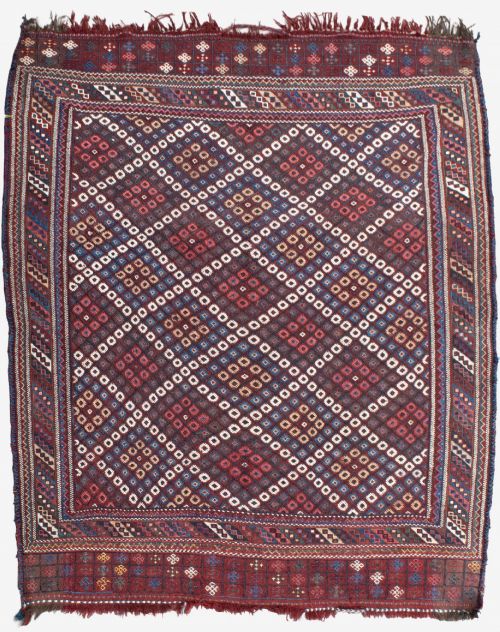


Wool Flatweave Kilim
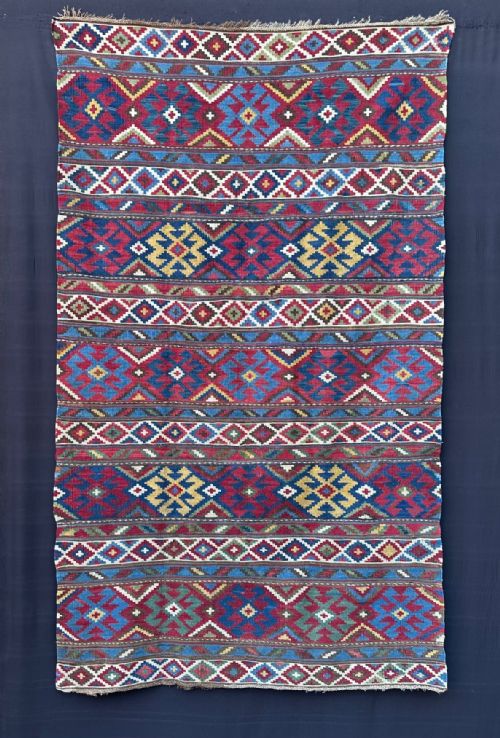
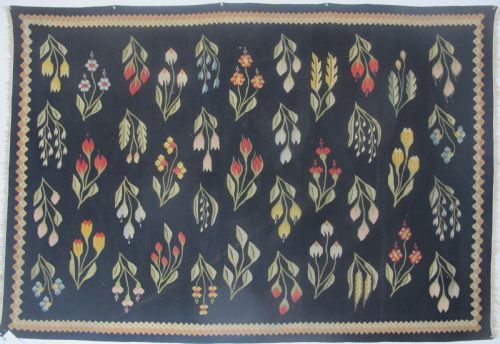
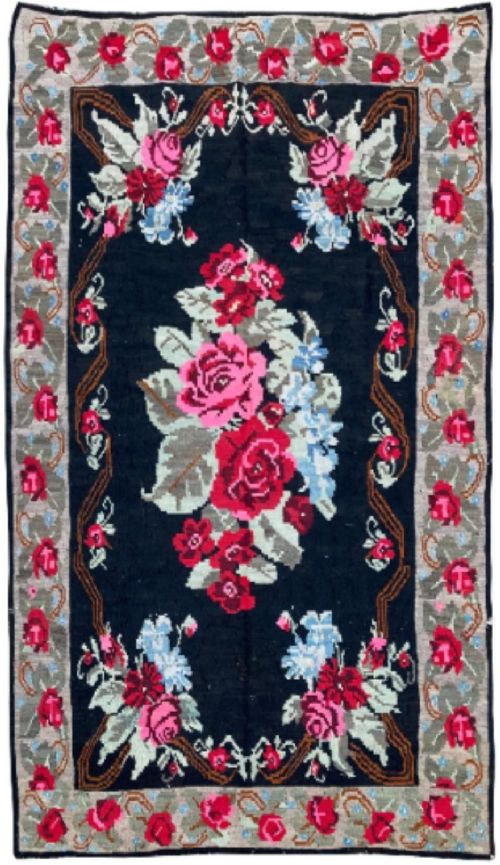
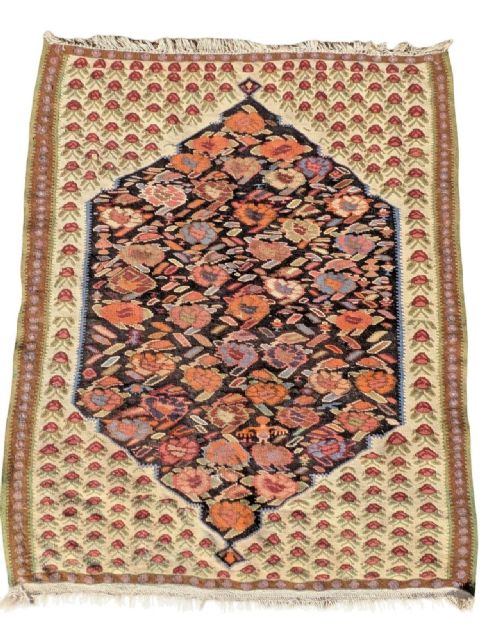
These wool flatweave kilim pieces bring the rich geometric traditions of Persian, Caucasian, and Anatolian tribal weavers directly into modern spaces.
Wool Flatweave Kilim
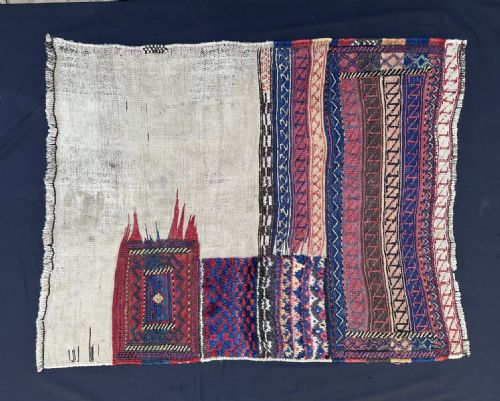
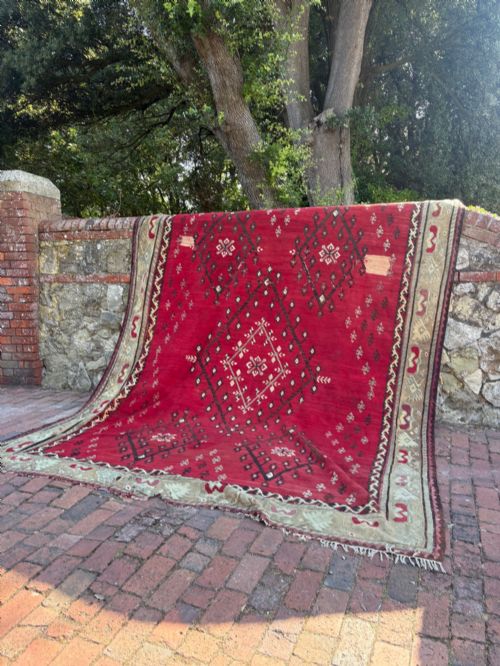
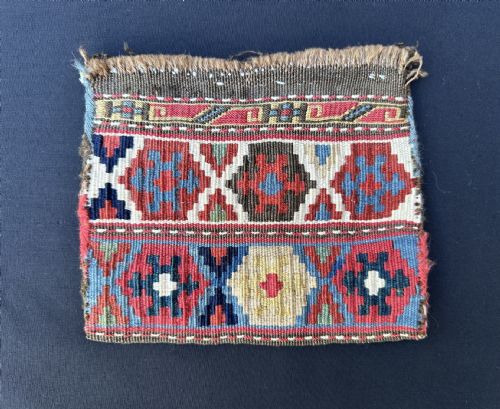
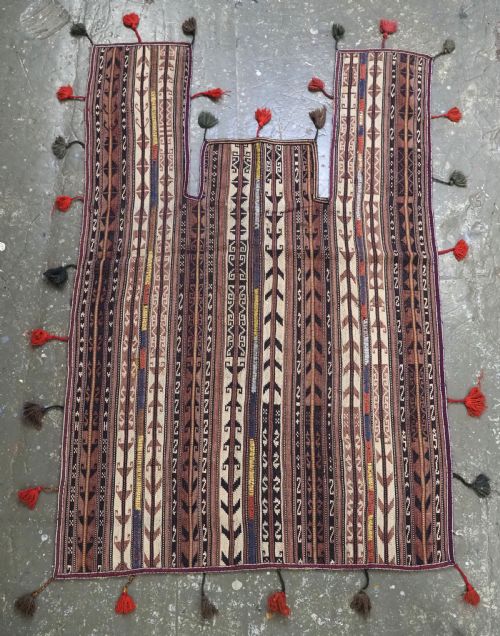
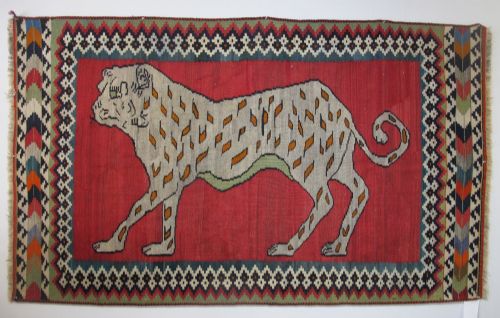
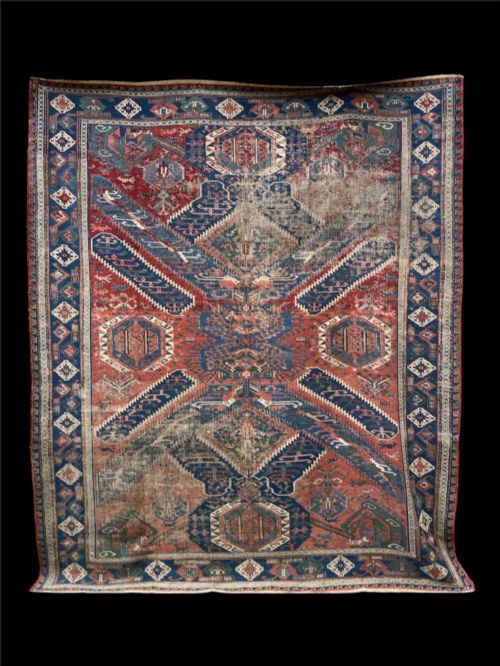
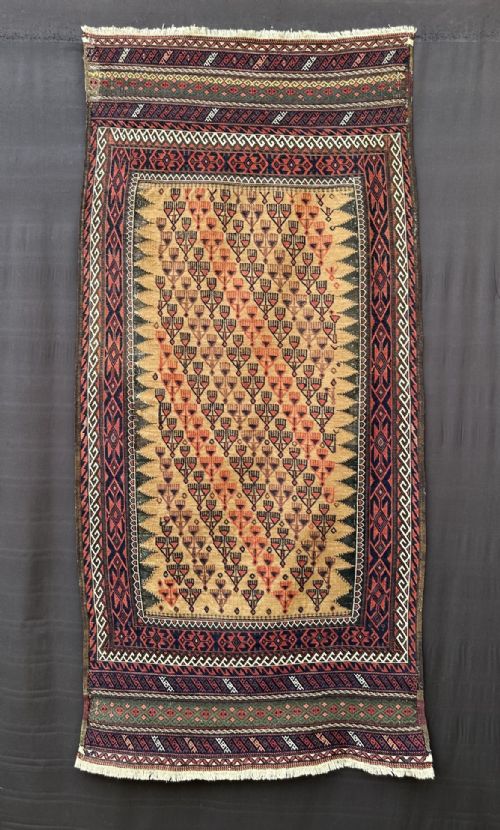
A wool flatweave kilim represents a tradition of non-pile textile production spanning across Persia, the Caucasus, Anatolia, and Eastern Europe. These items range from large room-size carpets and runners down to utilitarian objects such as bread sofrehs, salt-bags, and horse blankets.
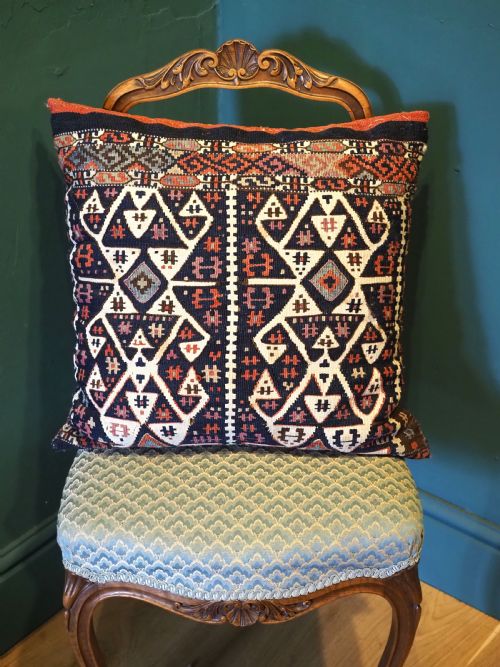
Buyers meet pieces originating from various tribal confederacies and regional workshops, predominantly dating from the late nineteenth century through to the mid-twentieth century. The forms vary from floor coverings to dismantled storage bags repurposed into cushions.
The aesthetic leans heavily on tribal motifs, geometric medallions, and banded designs rather than floral court patterns, reflecting the domestic and nomadic lives of the makers.
How they were made
The construction relies on tightly interlacing warp and weft threads without forming a pile, creating a flat surface that exposes the structural weave. Weavers utilised hand-spun wool and occasionally cotton or goat hair for durability and tension.
Natural dyes provide the palette, yielding organic tones that mellow gracefully over decades of light exposure. Supplementary techniques such as sumak wrapping add textural relief to the foundational flatweave structure.
Listings span periods from the 1870s through the 1940s, featuring wool, cotton, and natural dyes across tribal styles.
What varies in quality
Quality rests upon the tightness of the weave and the precision of the geometric execution. Finer thread counts allow for crisper pattern delineation and greater structural integrity over decades of use.
The depth and harmony of the natural dye palette separate standard items from superior examples. Secondary materials like hand-spun wool contribute to a richer tactile surface and better ageing characteristics.
The Wool Flatweave Kilim Glossary
- Sofreh
- A flatwoven spread or cloth traditionally used for dining, kneading bread, or serving food within nomadic households. These textiles typically feature minimalist geometric fields.
- Sumak
- A supplementary weft-wrapping technique that creates a braided texture on the surface of the textile. It provides extra structural weight and decorative clarity.
- Mafrash
- A large woven storage bag or chest panel produced by nomadic tribes for transport on animals. They often display banded or medallion designs.
- Warp
- The stationary vertical threads stretched onto a loom that form the structural foundation of the textile. Weft threads are passed horizontally through these elements.
- Weft
- The horizontal threads passed back and forth through the warp to build the pattern and colour fields of the flatweave. In kilims, these threads are packed tightly to conceal the warp.
Wool Flatweave Kilim: Frequently Asked Questions
How were kilims used originally?
Nomadic and village communities utilised these flatweaves as floor coverings, wall hangings, and functional containers for grain, salt, or bedding.
They also served ceremonial purposes during weddings and communal meals, functioning as dining spreads or horse blankets.
How do I care for a wool flatweave kilim?
Gentle vacuuming without a rotating brush prevents dust accumulation within the tight weave structure. Professional specialist cleaning remains necessary for deeper maintenance.
Keeping the textile out of direct, harsh sunlight protects the natural dyes from premature fading over time.
How can I tell regional styles apart?
Caucasian pieces typically display sharp geometric polygons and cooler, contrasting tones. Persian tribal work often incorporates rich madder reds, intricate borders, and distinct medallion layouts.
Anatolian variants frequently present bolder, simplified motifs reflecting local village weaving traditions.
Are these flatweaves durable enough for floors?
The dense interweaving of wool warp and weft provides strong structural resilience suitable for normal foot traffic. Placing an appropriate underlay beneath the textile prevents slipping and reduces wear.
Heavily utilised corridors benefit from periodic rotation to ensure even distribution of foot traffic across the surface.