







Wool Balkan Carpet Rug
A wool balkan carpet rug brings distinct regional patterns and woven heritage into a room.
Wool Balkan Carpet Rug
When you examine a wool balkan carpet rug, you encounter traditional flatweaves and knotted textiles rooted in the cultural traditions of the region. These textiles span periods from the mid-nineteenth century through the early twentieth century, capturing diverse local weaving customs.
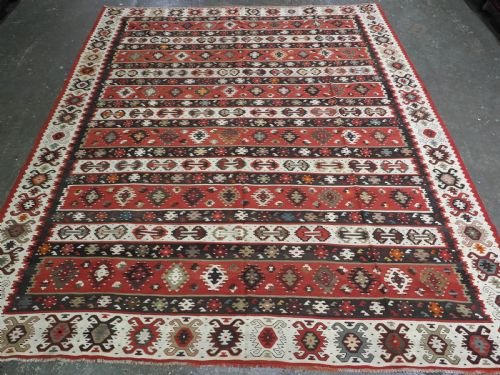
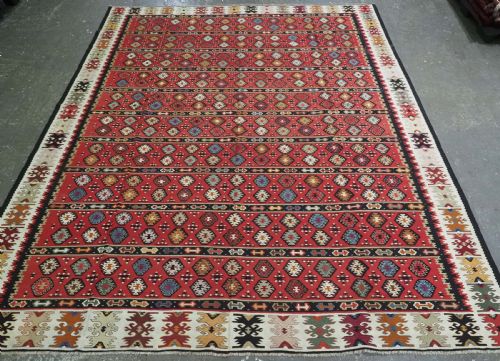
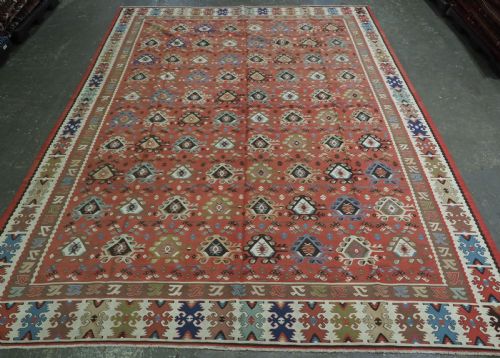
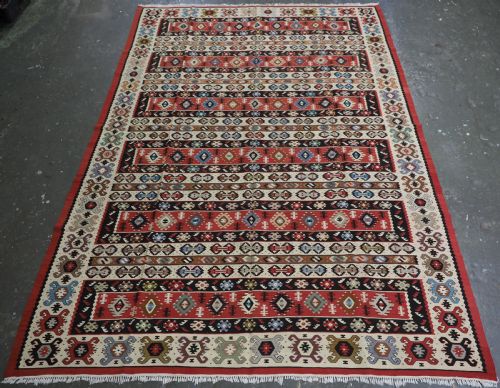
The pieces appearing on this page most commonly take the form of flatwoven kilims originating from specific centres such as Sarkoy, Pirot, and Monastir. They utilise recognisable patterns including flowering trees, repeat medallions, banded layouts, and classical all-over motifs.
Makers in these areas produced area rugs and large room-size carpets designed for domestic utility and visual warmth. Their designs reflect a blend of Balkan folk art traditions and Ottoman stylistic influences.
Materials and construction
The primary material foundation of these pieces relies on wool, chosen for its durability and tactile quality. Cotton also appears in the construction, often providing structural support within the foundational weave.
Weavers employed traditional flatweaving techniques to create kilims without a pile, resulting in clean geometric lines and reversible patterns. Hand-dyed wool yarns contributed the soft reds, pastels, and warm tones characteristic of these regional textiles.
Woven tree designs occasionally feature asymmetrical branches, reminding us that human hands guided every single knot and weft.
Factors of quality
Quality in these textiles depends upon the precision of the flatweave and the complexity of the design layout. Pieces featuring scarce lattice work or intricate repeat medallions demonstrate greater technical ambition from the weaver.
The preservation of original wool yarns and the depth of the colour palette dictate the visual impact of each rug. Harmonious secondary tones and balanced proportions elevate the standing of an individual carpet within its type.
The Wool Balkan Carpet Rug Glossary
- Kilim
- A flatwoven carpet or rug produced without a pile. These textiles rely on tightly packed horizontal weft threads pulled across vertical warp threads to form geometric patterns.
- Pirot
- A recognised weaving centre known for producing distinctive flatwoven rugs. Pirot kilims often feature sharp geometric motifs and double-sided identical patterns.
- Sarkoy
- A traditional styling and origin point for flatwoven floor coverings. Sarkoy kilims frequently display banded or floral tree arrangements in soft wool.
- Prayer rug
- A small format textile designed for devotional use. These pieces typically incorporate a distinct mihrab or arch design directing the layout.
Wool Balkan Carpet Rug: Frequently Asked Questions
Where were these rugs made?
These textiles originate from various locations across the Balkans and Ottoman regions, including historical weaving towns like Sarkoy and Pirot. Local artisans produced them using traditional domestic methods.
The regional output reflects distinct cultural designs passed down through generations of weavers. Each locality contributed specific motifs such as banded layouts or floral trees.
How do I care for an old kilim?
Maintenance requires gentle vacuuming without a rotating brush to protect the flatwoven wool structure. Professional textile cleaning helps preserve the natural fibres over time.
Positioning the rug out of direct sunlight prevents the soft natural dyes from fading. Using a quality underlay prevents slipping and reduces friction against the floor.
What is the difference between a kilim and a carpet?
A kilim is a flatwoven textile constructed without a pile by interlocking weft threads over warps. Traditional carpets in this group may include knotted pile structures alongside flatweaves.
Flatwoven kilims tend to have a lighter profile and lack the dense vertical tufts of knotted pile rugs. Both styles served functional floor-covering purposes in traditional interiors.
How can I tell the age of a rug?
Dating relies on stylistic characteristics, material wear patterns, and regional construction methods. Pieces from the nineteenth century often show distinct hand-spun wool qualities compared to later twentieth-century examples.
Design motifs also offer clues to the period, with certain lattice and banded patterns aligning with specific decades. Comparing structural traits helps place an item within its historical window.