




Woodland Scene Wall Art
Woodland scene wall art brings the quiet depth of forest canopies and shaded glades directly into a room.
Woodland Scene Wall Art
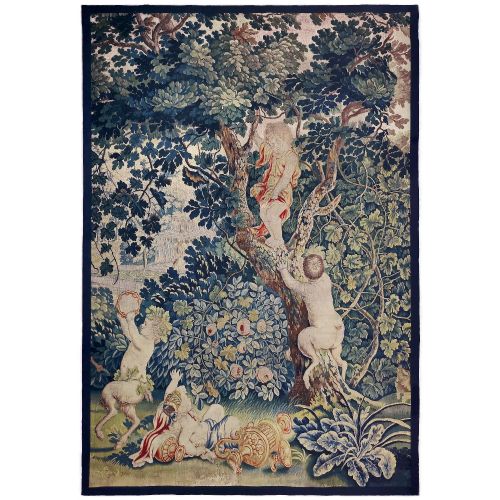
Woodland scene wall art encompasses paintings, watercolours, pastels, prints, and tapestries depicting trees, wooded landscapes, and forest paths. The selections span from the eighteenth century through the Victorian era and into the mid-twentieth century.
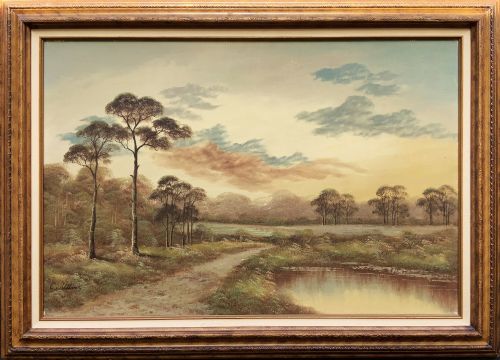
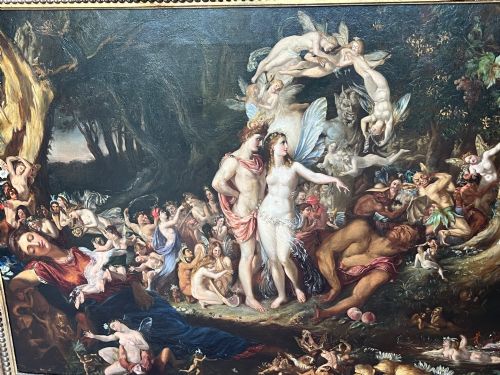
Most items encountered on this page take the form of oil paintings on canvas or paper watercolours framed under glass. These works capture pastoral views, cattle watering near trees, and figures gathering firewood beneath heavy foliage.
Originating across British, Irish, and continental European traditions, these works reflect changing artistic approaches to nature across different decades and centuries.
How they were made
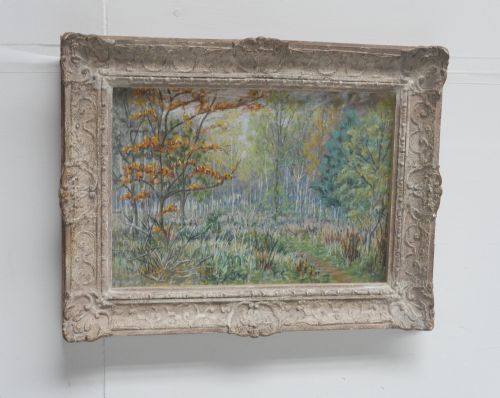
The physical construction of these works relies predominantly on oil paint applied to stretched canvas, watercolour pigments on paper, or woven threads in historic tapestries. Supporting elements frequently include wood frames, sometimes embellished with gesso and gold leaf.
Artists built depth through layered brushwork in oil or delicate washes in watercolour, capturing light filtering through branches and the textured surfaces of bark and earth. Tapestries utilised complex weaving techniques to render dense forest foliage and verdant landscapes in textile form.
Woodland Scene Wall Art Retail Price Guide 2026
Typical asking prices for woodland scene wall art among the pieces listed under this phrase on Sellingantiques today, from the lower quarter to the upper quarter. They describe what is for sale here now, not the wider market.
Several sheep-droving scenes suggest that seventeenth-century weavers had a remarkably soft spot for woolly, scenic companions.
What varies in quality
Quality rests in the artist's handling of light, shadow, and atmospheric perspective within the natural setting. Superior works demonstrate confident brushwork and a nuanced understanding of spatial depth, distinguishing them from more generic decorative productions.
The integrity of the original materials, such as the stability of the canvas and the preservation of pigment vibrancy, marks the distinction between well-maintained examples and those compromised by heavy wear or past restoration.
Sir Joseph Noel Paton·Richard Sebastian Bond·William H Myers·Thomas W Lascelles·Arthur Herbert Rigg·James Mallard Bromley·Alfred Grey RHA·John Wright Oakes·Rowland Henry Hill·Charles James Adams·Edward H Holder·George F Wetherbee·J McIntyre·Frederick Bartman·Charles Edmond Rene His·William Mellor·George Neil
The Woodland Scene Wall Art Glossary
- Oil on Canvas
- Pigments suspended in a drying oil medium applied to a woven fabric support. This technique allows for rich colour saturation and textured impasto application.
- Watercolour Painting
- Pigments ground in a water-soluble binder applied to paper. It creates transparent washes of colour that rely on the white of the paper for luminosity.
- Verdure Tapestry
- A historic woven wall hanging featuring a predominant design of lush green foliage, trees, and often animals or distant landscapes. These textiles originate largely from Flemish workshops.
- Gesso
- A plaster-like mixture applied to wood frames or panels as a smooth base for gilding and paint. It provides a stable surface for decorative surface treatments.
Woodland Scene Wall Art: Frequently Asked Questions
What periods do these pieces cover?
The selection includes works from the eighteenth, nineteenth, and twentieth centuries. Examples range from early tapestries to Victorian landscapes and mid-century pastoral oils.
Different decades bring distinct stylistic interpretations of nature, shifting from romantic naturalism to impressionist brushwork.
How are these artworks framed?
Many paintings retain their period wooden frames, occasionally featuring gesso details or gold leaf finishes. These surrounds complement the traditional subject matter of the canvas within.
Watercolours and works on paper typically sit behind glass for protection against environmental dust and moisture.
What subjects appear in these scenes?
Common motifs include shaded woodland paths, cattle watering by rivers, figures gathering firewood, and quiet rural lakes. Scenes often capture seasonal shifts, from autumn foliage to summer canopies.
Continental and British landscapes predominate, offering varied depictions of European forests and rural life.
Are these works original pieces?
The listings feature signed original paintings, historic watercolours, and period textile wall hangings rather than modern reproductions. Each item carries the distinct hand of its maker or weaver.
Documentation often includes artist signatures, inscriptions, or established historical attributions where available.