

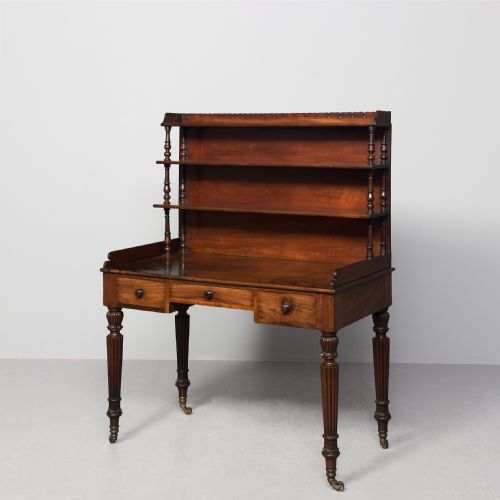
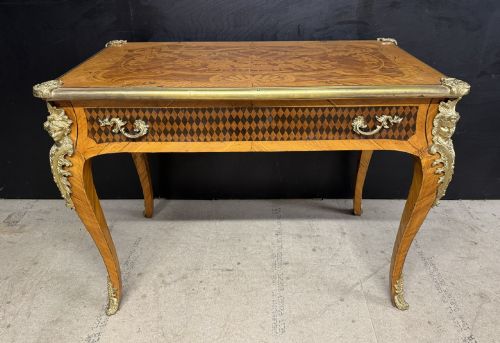
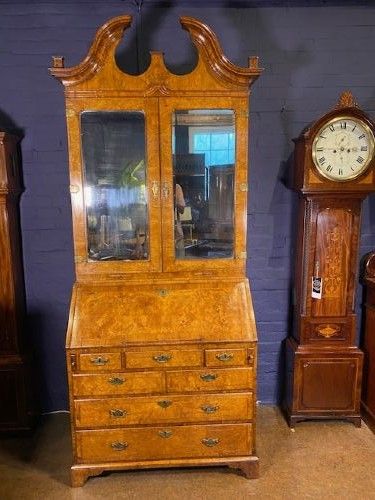
Wooden Writing Bureau Desk
A wooden writing bureau desk brings history into the study, offering a sloping fall-front to conceal correspondence and practical drawers for daily use.
Wooden Writing Bureau Desk
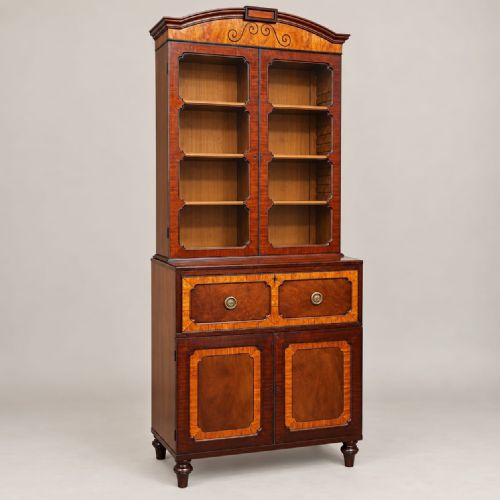
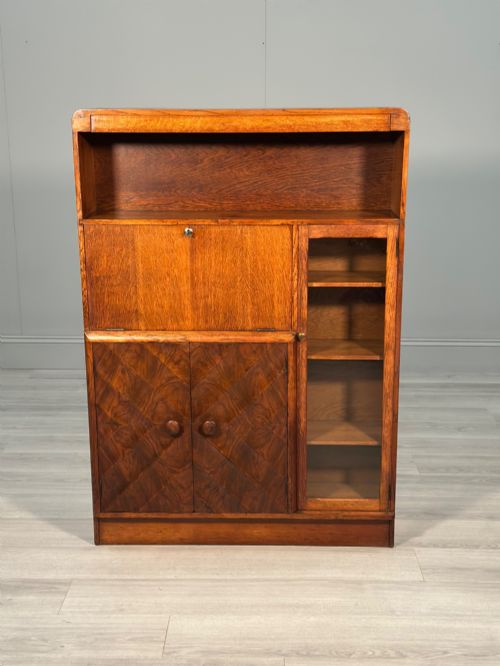
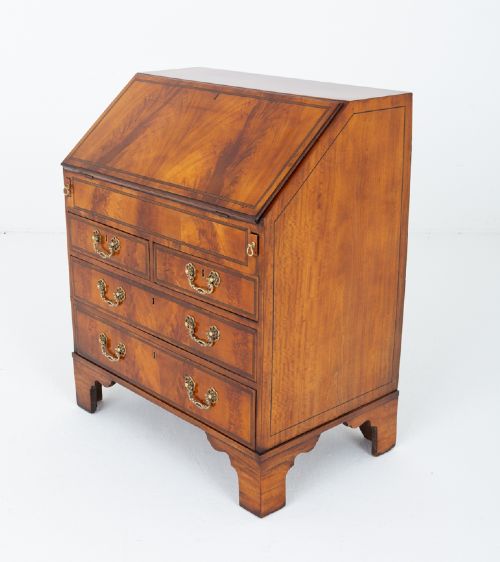
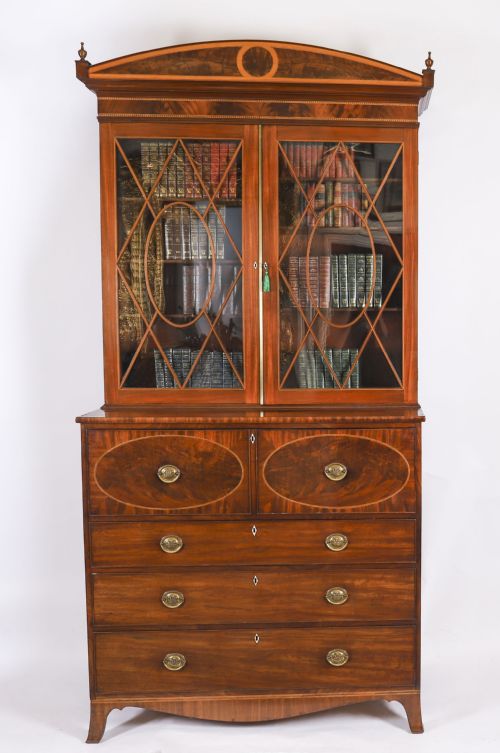
When buyers search for a wooden writing bureau desk, they encounter pieces ranging from the eighteenth century through the Victorian and Edwardian eras into the Art Deco period of the nineteen thirties. These items span diverse regional origins and cabinet-making traditions, appearing in forms such as compact falls, pedestal variants, and tall bureau bookcases.
The most common examples on this page are nineteenth century Victorian mahogany fall-front writing desks and Edwardian or nineteen thirty oak bureau desks. Walnut, burr walnut, and inlaid flame mahogany also feature prominently among the broader selection of desks and writing tables.
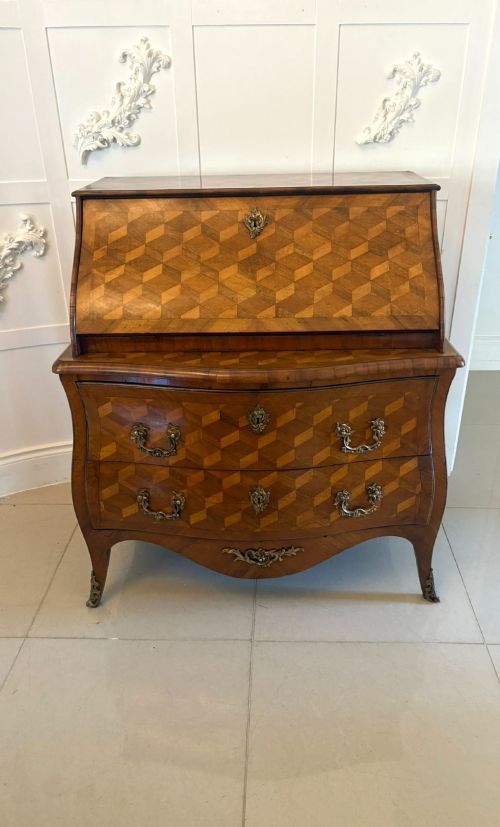
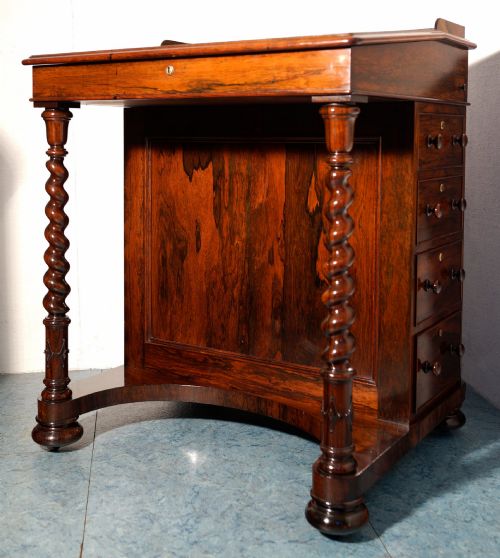
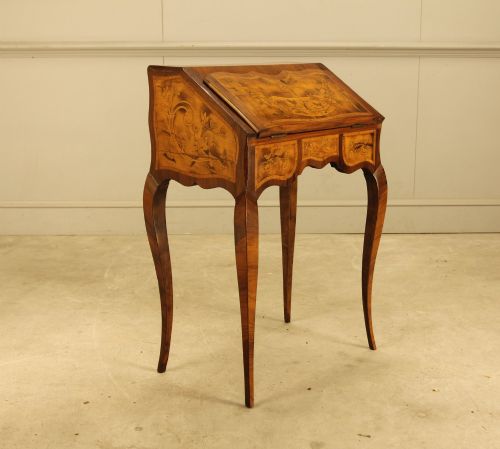
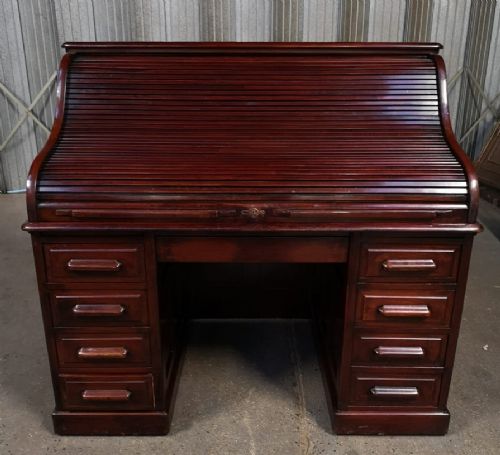
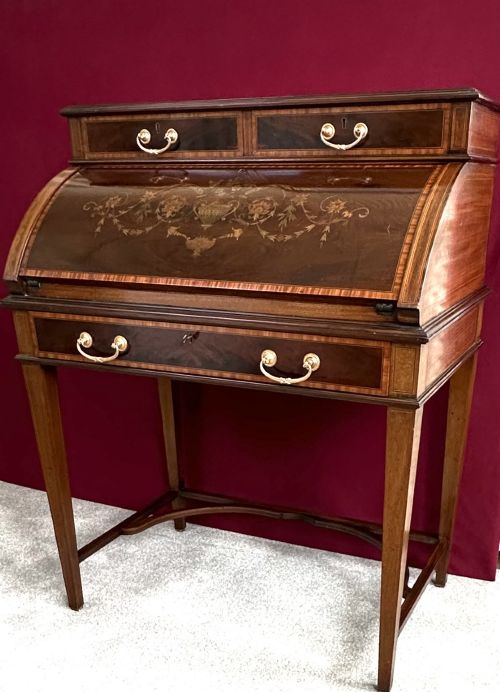
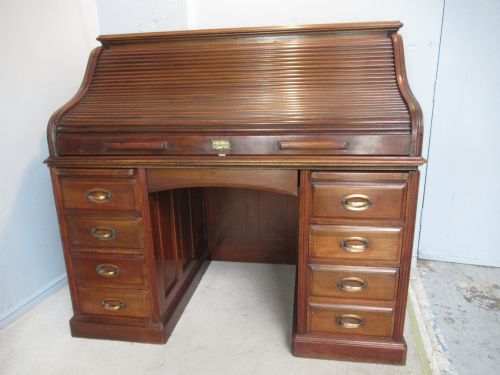
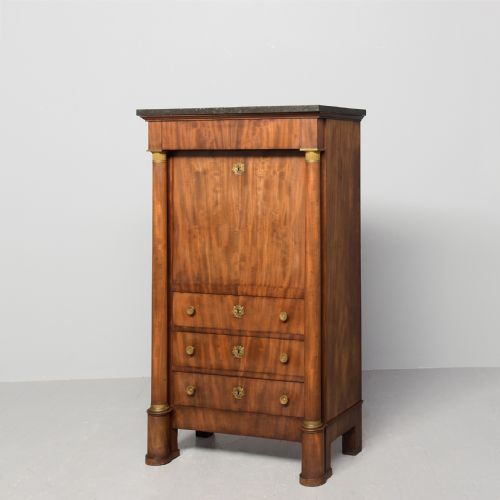
Styles represented across the inventory extend from Georgian and Regency to Queen Anne, Arts and Crafts, and French marquetry designs. Pieces take various functional shapes, including Davenport desks, cylinder tambour desks, and secretaire bookcases.
Materials and Construction
Cabinet makers utilised dense hardwoods including mahogany, oak, walnut, and maple, frequently ornamenting surfaces with decorative veneers such as burr walnut, satinwood, and elaborate marquetry inlay. Brass handles, escutcheons, and hinges provide structural and visual contrast to the polished timber.
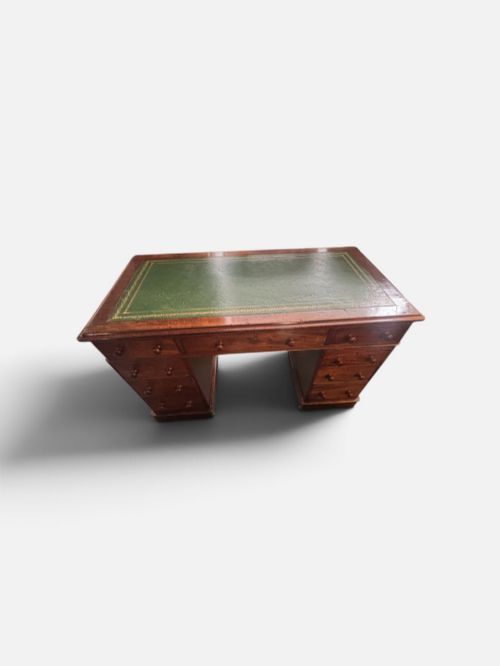
Leather inserts frequently surface on the writing surfaces of pedestal tables and bureau desks, offering a durable and traditional plane for correspondence. Glass panels appear in the upper sections of bureau bookcases and skyscraper office desks from the nineteen thirties.
Design influences span from Queen Anne elegance to Arts and Crafts simplicity and nineteen thirties Art Deco modernity.
Markers of Excellence
The distinction between standard utility items and superior examples lies in the selection of timbers and the precision of the cabinet work. Highly figured flame mahogany, burr walnut, and detailed marquetry elevate a piece from a simple utilitarian desk to a work of fine craftsmanship.
Makers' labels and signatures, such as those from documented workshops and retailers, demonstrate provenance and superior workshop standards. Integrated architectural elements, such as fitted interior pigeonholes, secret compartments, and carved claw and ball feet, indicate greater ambition in design.
James Mein of Kelso·Heals of London·Arthur Basil Reynolds·Maple and Co
The Wooden Writing Bureau Desk Glossary
- Fall front
- A hinged writing flap that drops forward to create a horizontal surface for correspondence. When closed, it conceals internal pigeonholes and small drawers.
- Secretaire
- A piece of furniture containing a built-in writing drawer or drop-front writing compartment. It often disguises its writing function behind drawer fronts or bookcase doors.
- Tambour
- A sliding shutter formed of narrow strips of wood glued to a canvas backing. It tracks around a curve to enclose the writing surface of a cylinder desk.
- Marquetry
- Decorative veneer work forming pictorial or geometric patterns using various coloured wood veneers. It requires considerable skill to fit the pieces precisely into the surface.
- Pedestal desk
- A heavy table design featuring two supporting banks of drawers beneath the work surface. It provides substantial storage space alongside the central writing area.
Wooden Writing Bureau Desk: Frequently Asked Questions
What is a wooden writing bureau desk?
A wooden writing bureau desk is a traditional piece of furniture designed for correspondence and storage, typically featuring a hinged sloping flap that opens to reveal small compartments.
These desks date from the eighteenth century onwards and incorporate materials like mahogany, oak, and walnut across various regional and stylistic traditions.
How do I identify the period of a desk?
Dating relies on observing the prevailing timber choices, construction techniques, and stylistic ornamentation associated with specific eras like the Georgian or Victorian periods.
Details such as brass hardware, veneer types, and cabinet makers' labels assist in determining the age and origin of the piece.
Where should I place a bureau in my home?
These desks suit studies, living rooms, and bedrooms where their compact writing slopes and internal storage provide a functional surface for letters and paperwork.
Keeping them away from direct sunlight and strong heat sources protects the polished timber and delicate wood veneers from fading or splitting.
What maintenance do old wooden desks need?
Routine care involves dusting with a soft cloth and occasionally applying suitable wax polish to nourish the timber and maintain the lustre of the finish.
Leather writing inserts benefit from gentle cleaning to preserve the material without damaging the surrounding woodwork.