



Carved Mahogany Desk Drawers
These carved mahogany desk drawers bring solid craftsmanship and refined timber to a room, offering both practical storage and handsome presence.
Carved Mahogany Desk Drawers
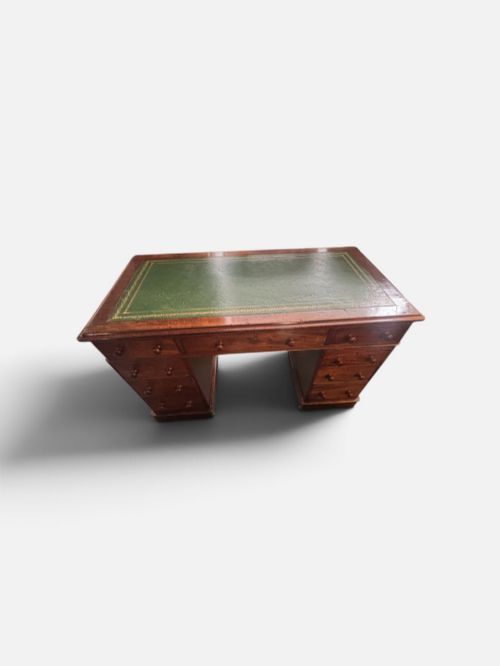
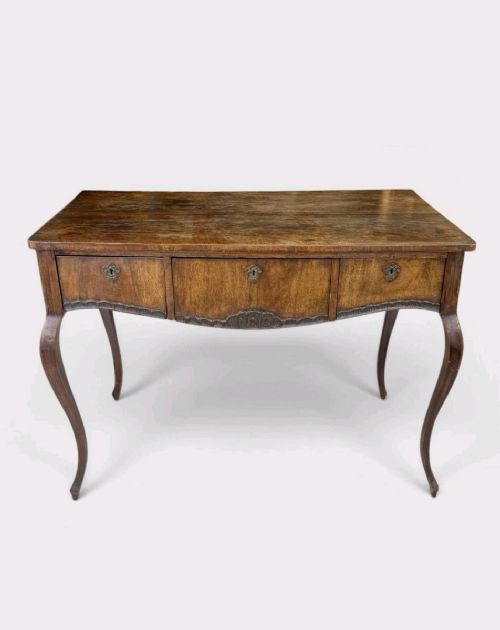
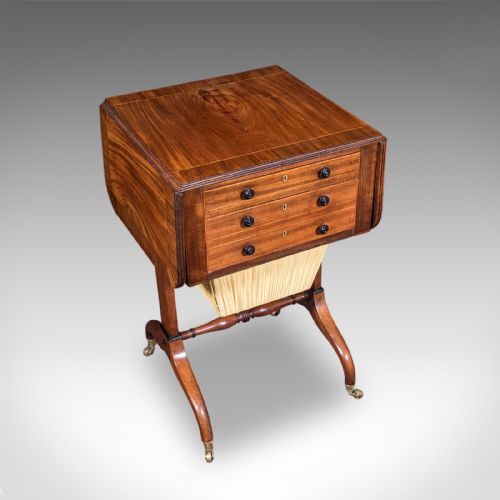
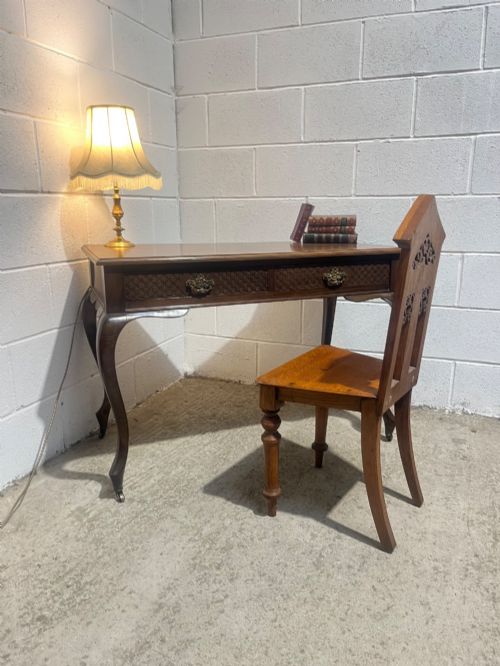
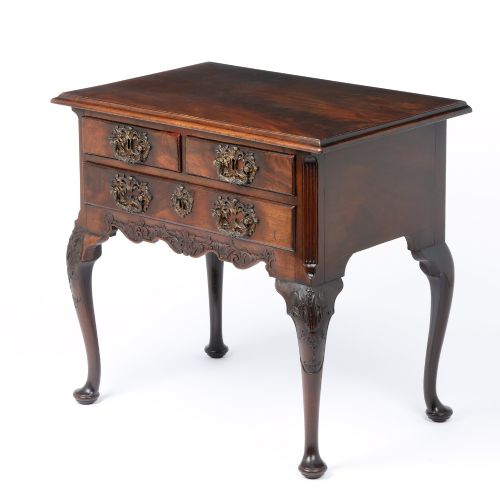
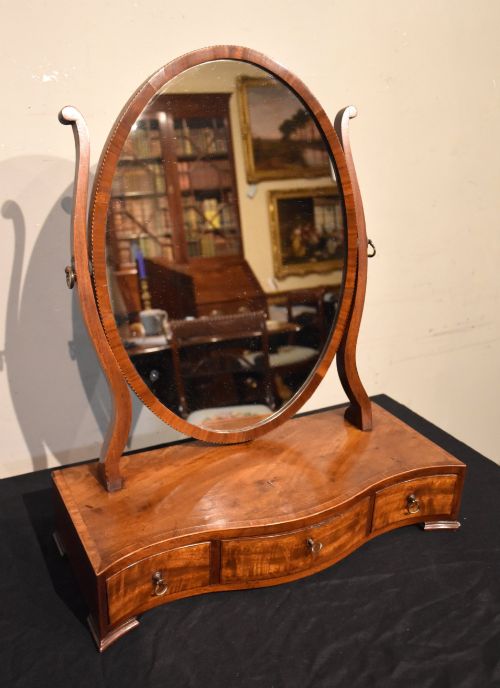
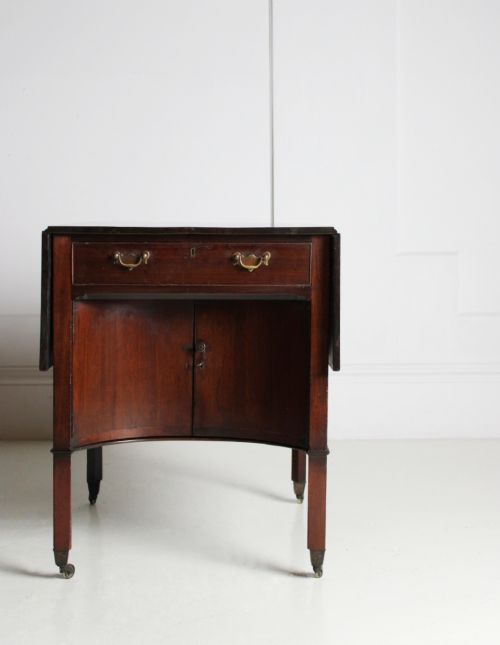
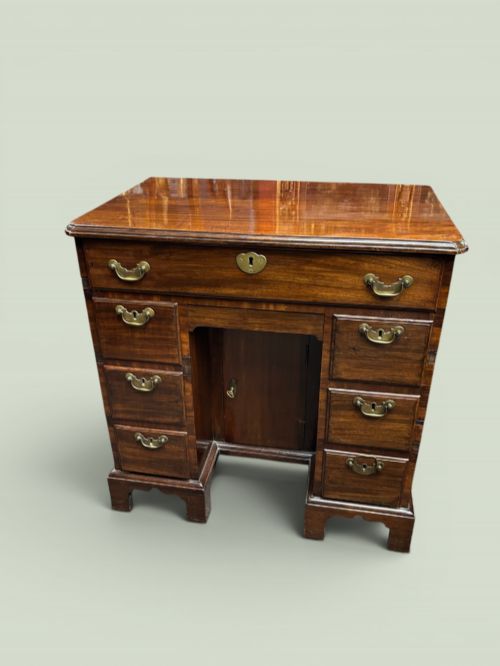
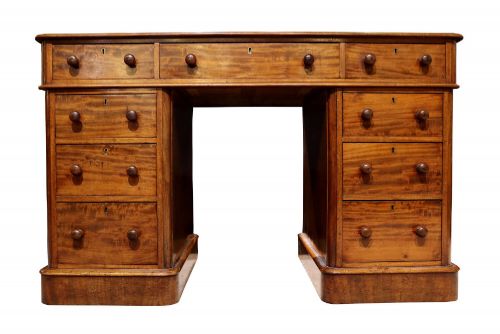
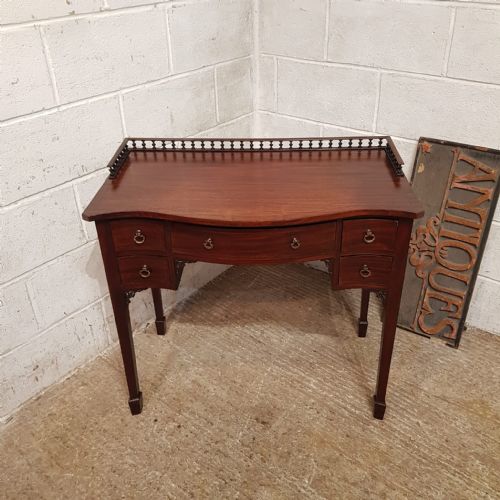
When you search for carved mahogany desk drawers, you encounter pieces designed for writing, storage, and study that incorporate functional compartments. The selection spans pedestal desks, writing tables, dressing chests, and smaller side units.
The most common pieces on this page originate from the Victorian and Georgian periods, alongside later revival styles. These items typically feature structural drawers integrated into writing surfaces or freestanding cabinets.
Makers utilised dense timbers and fitted them with brass handles, leather inserts, and internal dividers to serve the daily needs of a study or library.
Materials and construction methods
Cabinet makers relied primarily on solid mahogany and flame mahogany veneers, applying fruitwood inlay, bone details, and floral marquetry for decorative contrast. Structural carcass work often combined secondary softwoods with sturdy hardwood drawer linings.
Surfaces frequently integrated inset leather writing panels, brass hardware such as drop handles and escutcheons, and glass or fabric elements on associated bookcases and mirrors. Joints were hand-cut to ensure longevity and smooth operation of the drawers.
Listings feature mahogany, brass, leather, glass, fabric, and bone across Georgian, Victorian, Regency, and Edwardian periods.
Distinguishing levels of quality
Quality rests upon the selection of the timber grain, particularly the depth and figuration found in flame mahogany surfaces. Superior examples demonstrate precise joinery in the drawer construction and careful alignment of decorative inlay.
The sophistication of the carved details distinguishes standard utilitarian pieces from exhibition quality works. Well-executed cockbeading, crisp mouldings, and original brass fittings elevate the overall status of a desk or chest.
Maple and Co·Gillows·Gillow and Co·Gregory and Co
The Carved Mahogany Desk Drawers Glossary
- Flame mahogany
- A veneer figure produced from the fork of the mahogany tree, displaying a distinctive feather-like pattern. Cabinet makers used this on prominent drawer fronts to create visual impact.
- Pedestal desk
- A heavy freestanding writing desk comprising two supporting banks of drawers beneath a rectangular top. These often feature inset leather surfaces and multiple side drawers.
- Kneehole desk
- A compact writing table with a central recess for the user's legs, flanked by pedestals of drawers. They provide organised storage in smaller formats.
- Escritoire
- A writing cabinet featuring a drop-down writing flap that conceals inner compartments and small drawers. This form combines the utility of a desk with the tidy profile of a cabinet.
- Inlay
- A technique where contrasting materials such as fruitwood or bone are inserted into recessed cavities on the mahogany surface. This creates geometric or floral patterns across the drawer fronts.
Carved Mahogany Desk Drawers: Frequently Asked Questions
What periods do these pieces span?
The listings encompass items from the Georgian and Regency eras through to the Victorian period and the early twentieth century. Makers during these times adhered to traditional joinery while adapting styles to contemporary tastes.
Later Edwardian workshops and revival movements also produced pieces referencing earlier George II and Chippendale designs, using similar mahogany timbers and brass fittings.
How were these drawers used originally?
These drawers served primarily to store correspondence, writing instruments, documents, and personal ledgers within libraries, studies, and dressing rooms. Their internal compartments kept small items secure and organised.
In larger pedestal desks and library tables, deep side drawers accommodated bulky account books, while smaller tabletop inkstands managed daily stationery needs.
How do I care for mahogany surfaces?
Protect the timber from direct sunlight and rapid humidity changes to prevent the mahogany veneer from drying out or splitting. Regular dusting with a soft, dry cloth maintains the natural lustre of the finish.
Avoid placing damp items or harsh chemical cleaners directly onto the wood or leather inserts, as these can permanently mark the antique surfaces.
How can I distinguish a revival piece?
Revival pieces, such as those in the Chippendale or Georgian style, often date from the late nineteenth or early twentieth centuries rather than the original eighteenth century. Examining the secondary timbers inside the drawers and the style of the hardware helps clarify the true age.
Makers' stamps or labels inside the drawer boxes can also confirm if a desk originated from a known Victorian or Edwardian firm.