



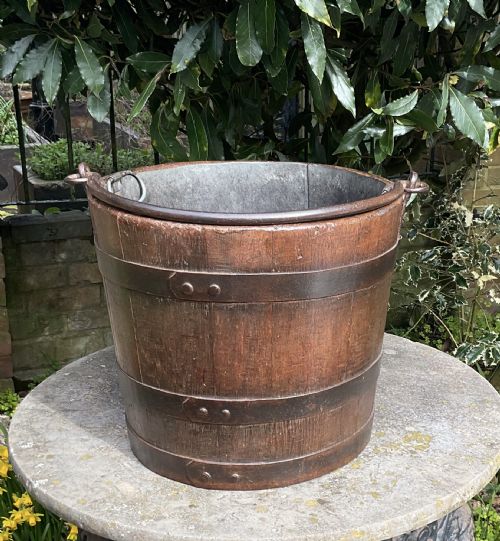
Wooden Wine Bucket
A wooden wine bucket brings tangible history into a room, serving as a sturdy vessel for bottles or greenery.
Wooden Wine Bucket
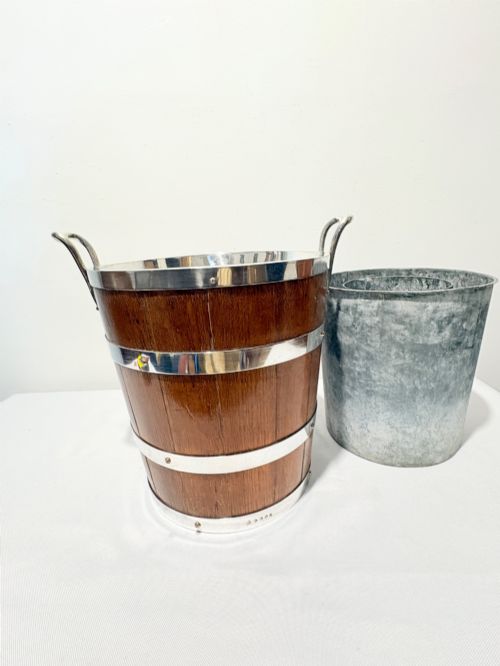
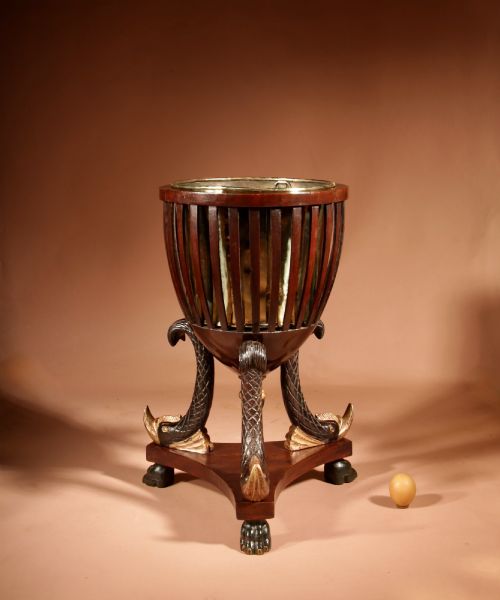
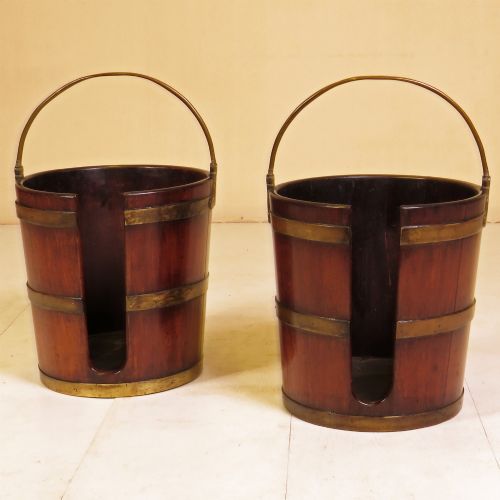
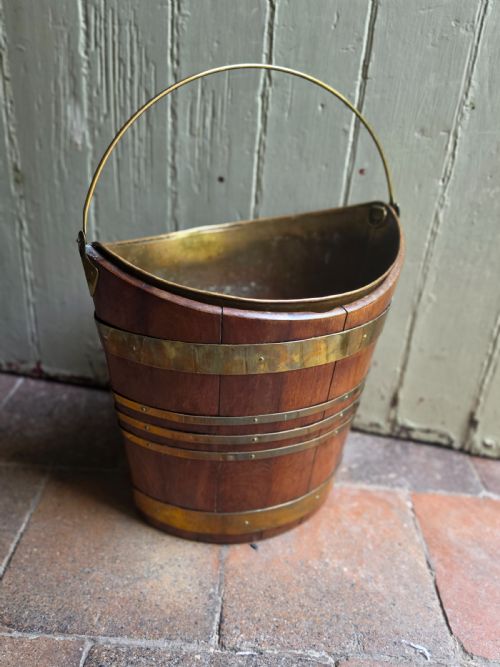
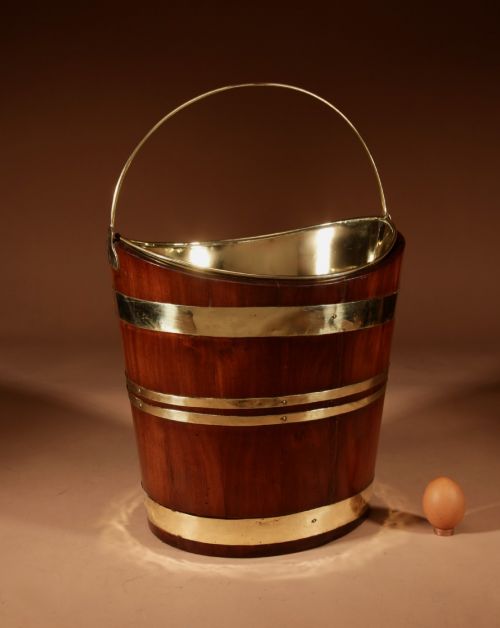
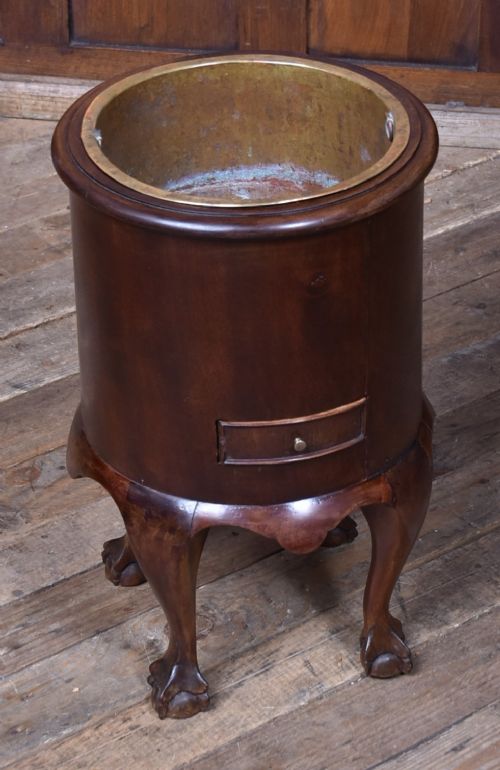
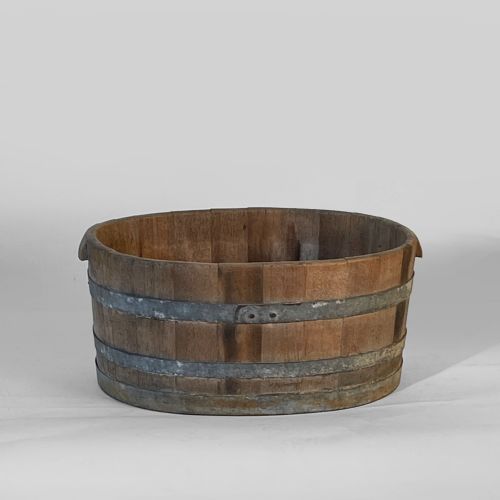
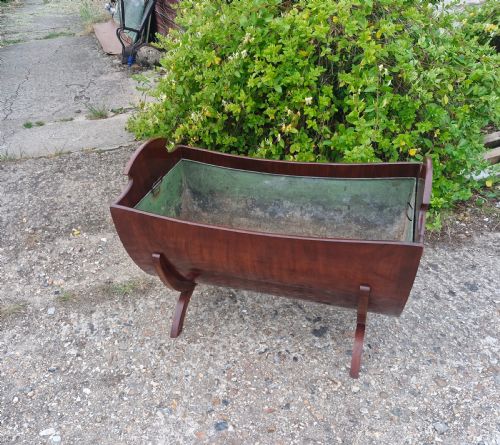
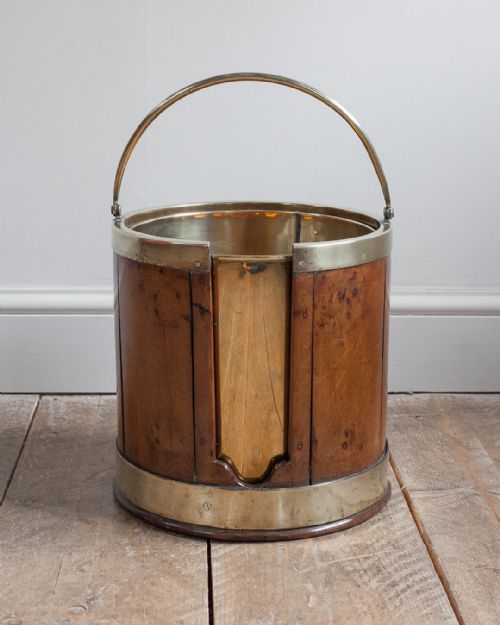
A wooden wine bucket is a functional container historically used for chilling bottles, holding peat, or serving as a jardinière. When searching for a wooden wine bucket, buyers encounter various forms including coopered barrels, boat-shaped vessels, and plate buckets.
The pieces available span multiple periods such as the 18th century, Georgian era, Victorian period, and early 20th century. Forms often overlap in utility, serving interchangeably as wine coolers, planters, and log baskets depending on the setup.
Materials and construction methods
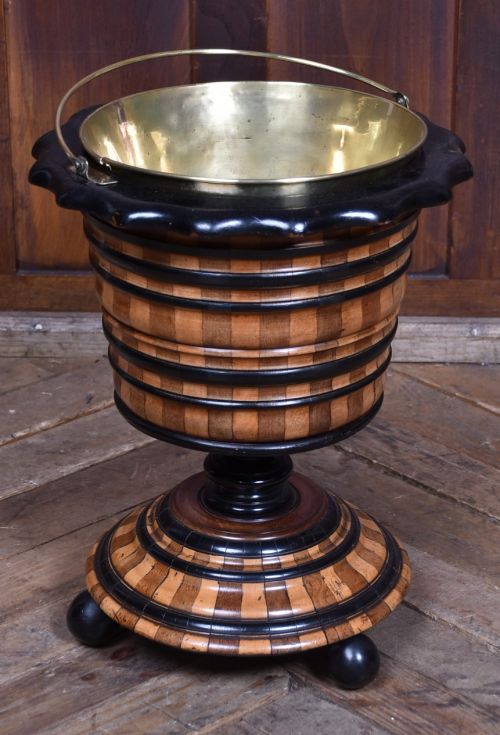
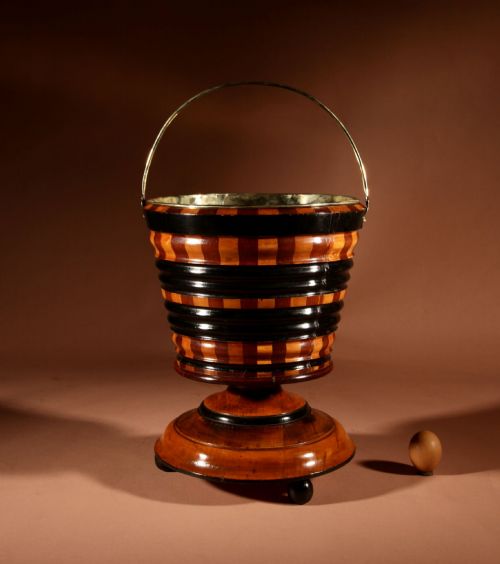
Construction relies heavily on traditional cooperage techniques, joining individual wooden staves together to form round or oval vessels. Timber choices include mahogany, oak, walnut, and ebonised wood.
Metal components such as brass, copper, and iron provide structural reinforcement and decorative contrast through bands, liners, and spindle details. Protective liners of zinc or brass frequently accompany these pieces to contain moisture.
Some vessels enjoyed multiple careers, transforming from wine chillers into coal hods and finally living room planters.
Distinctions in craftsmanship
Quality depends upon the precision of the cooperage work and the grain of the selected timber. Tighter joints and well-fitted metal bands indicate higher grade execution.
The presence of original metal liners and the subtlety of decorative brass bindings distinguish standard utility vessels from more refined examples.
The Wooden Wine Bucket Glossary
- Coopered
- Made by a cooper using curved wooden staves bound together with metal hoops. This method ensures watertight integrity for vessels holding ice or water.
- Cellarette
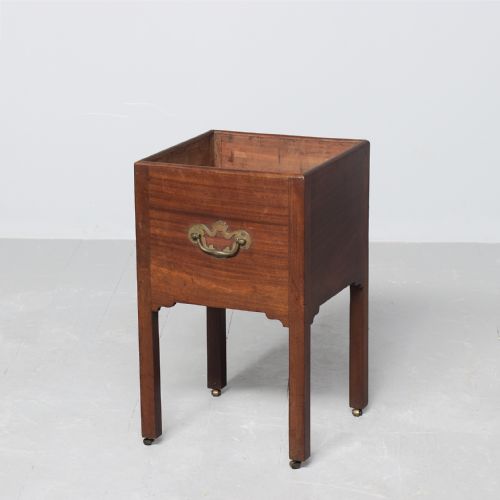
- A lockable container used for storing wine bottles near the dining table. They frequently appear as freestanding furniture or tabletop mahogany boxes.
- Jardiniere
- An ornamental pot or stand designed to hold plants and flowers. These often share the coopered construction and brass banding of wine buckets.
- Teestoof
- A Dutch footstove or warming device used with hot coals, often sharing similar wooden and brass construction to small period buckets.
- Plate bucket
- A cylindrical wooden container designed for holding plates safely at the table. They utilise the same stave and hoop construction seen in wine coolers.
Wooden Wine Bucket: Frequently Asked Questions
How were wooden wine buckets originally used?
These vessels held ice and water to chill wine bottles during formal dining occasions. The inclusion of metal liners protected the wooden staves from prolonged moisture exposure.
Over time, many of these containers transitioned into service as planters, log baskets, or decorative umbrella stands in country houses.
What is a coopered barrel?
A coopered barrel is constructed from vertical wooden staves fitted tightly together and secured by metal hoops. This traditional technique requires immense skill to ensure the vessel remains structurally sound without glues.
In the context of buckets and coolers, this method provides both durability and distinct visual character through the exposed grain.
How do I tell Georgian pieces apart from later ones?
Georgian examples typically feature dense, rich mahogany timber, hand-beaten brass bands, and specific joinery traits characteristic of 18th-century cabinet making. The proportions tend to reflect classical design canons.
Later Victorian and 20th-century revivals often incorporate different woods like oak or walnut, sometimes displaying heavier machine-rolled brass bands and varied internal liner materials.