
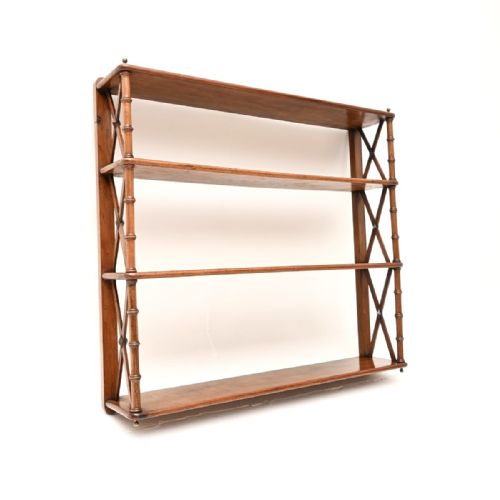

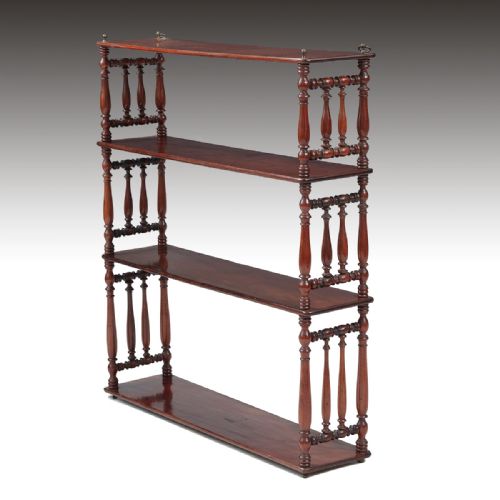
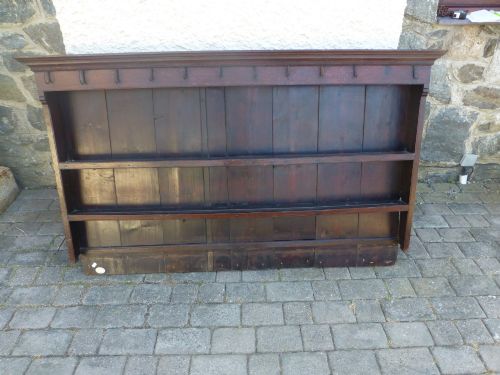
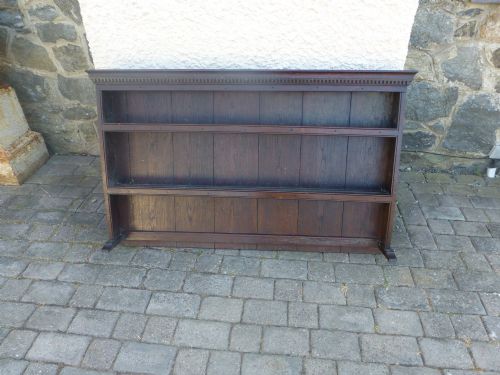


Wooden Wall Display Rack
A wooden wall display rack solves the eternal problem of showing off ceramics, books and small treasures without cluttering valuable floor space.
Wooden Wall Display Rack
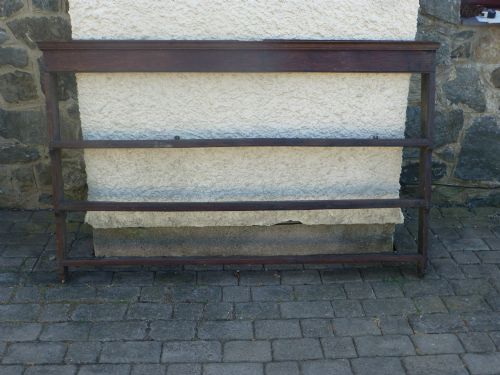
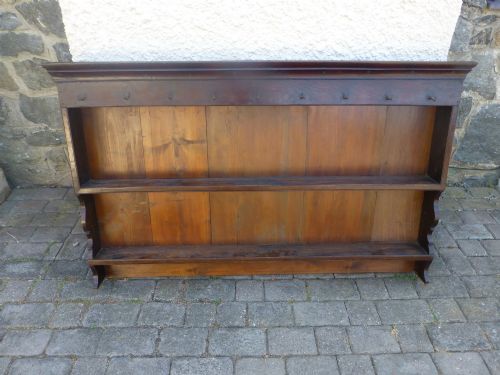
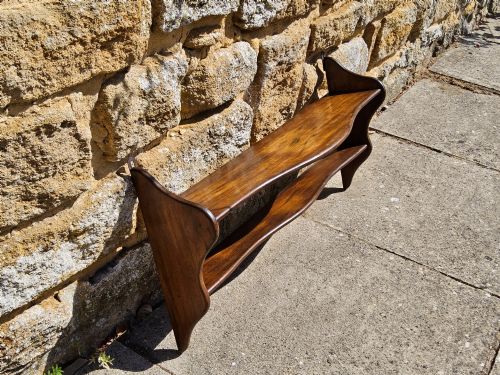
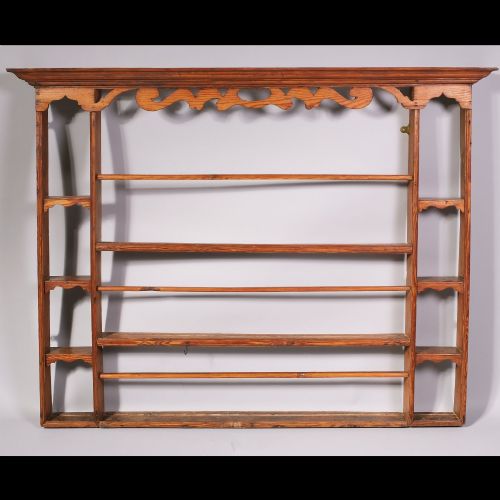
A wooden wall display rack combines practical vertical storage with open presentation, keeping domestic items accessible and visible. When searching for a wooden wall display rack, expect to encounter everything from utilitarian kitchen plate racks to refined display shelving.
The pieces on this page span several centuries, with a strong representation of 18th century and 19th century examples in oak, pine and mahogany. Common functional forms include delft racks, hanging bookshelves, spoon racks and multi-tiered wall shelves.
Origins range across English country workshops, Georgian parlours and regional vernacular traditions, often showing specific stylistic traits like Corinthian columns or marquetry inlay. Simpler rustic pine and painted finishes sit alongside polished hardwoods, reflecting the varied domestic spaces they originally inhabited.
How they were made
Cabinetmakers constructed these racks using native and imported hardwoods like oak, walnut, mahogany and pine, frequently combining woods within a single piece, such as oak and pine in regional delft racks. Joinery relied on traditional pegged mortise and tenon joints to bear the weight of heavy ceramics and books securely against a wall.
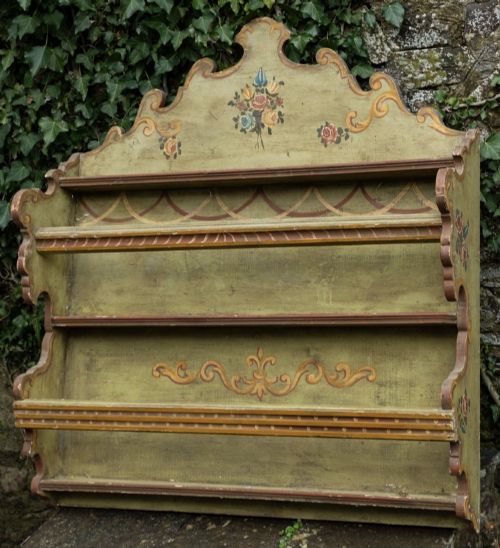
Surface finishes range from natural waxed patinas on walnut and oak to decorative hand-painted treatments in specific historical colours and occasional marquetry detailing. Metal elements such as brass fittings and iron fixings provide structural support and hanging security, while pewter components sometimes accompany specialised spoon racks.
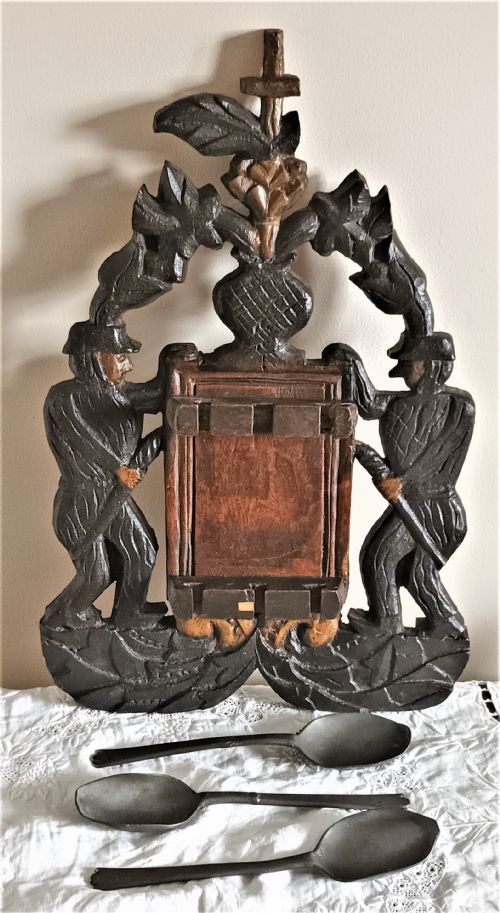
Several listings include vintage pewter trefid spoons that have kept company with their wooden display racks for centuries.
What varies in quality
Quality rests primarily in the harmony of proportion, timber selection and the integrity of the original construction rather than mere age. Superior examples display carefully figured grains, thoughtful mouldings and structural members robust enough to support centuries of active use.
The sophistication of the joinery and carved details separates standard utility pieces from high-status items. Finer racks incorporate elements like fluted columns, inlaid marquetry or harmonious painted finishes that remain integral to the piece rather than masking structural wear.
The Wooden Wall Display Rack Glossary
- Delft rack
- A specialised wall-mounted shelving unit designed specifically to display ceramic plates and platters upright. These typically feature narrow plate grooves and plate retention rails.
- Spoon rack
- A compact wall fixture featuring small notches or bored holes designed to display spoons in an orderly vertical fashion. Eighteenth-century examples often accompany pewter collections.
- Marquetry
- The art of applying decorative veneer pieces to a structure to form intricate pictorial designs. This technique appears on finer cabinetwork across various periods.
- Trefid spoon
- An early form of spoon characterised by a lobed terminal handle shape. These frequently appear alongside period oak spoon racks.
- Corinthian column
- A classical architectural column order featuring ornate acanthus leaf capitals. Provincial cabinetmakers occasionally borrowed these motifs for country furniture.
Wooden Wall Display Rack: Frequently Asked Questions
How do I hang a heavy wooden rack safely?
Secure the rack directly into wall studs or use heavy-duty wall anchors rated for the combined weight of the wood and the items displayed.
Distribute weight evenly across the fixing points provided in the back frame to prevent strain on the historical joints.
What is the difference between a plate rack and wall shelves?
Plate racks incorporate narrow ledges, grooves or wooden rails specifically angled to hold plates and platters safely in an upright viewing position.
General wall shelves provide flat horizontal surfaces intended for books, ornaments and general display objects.
Can these racks support heavy books?
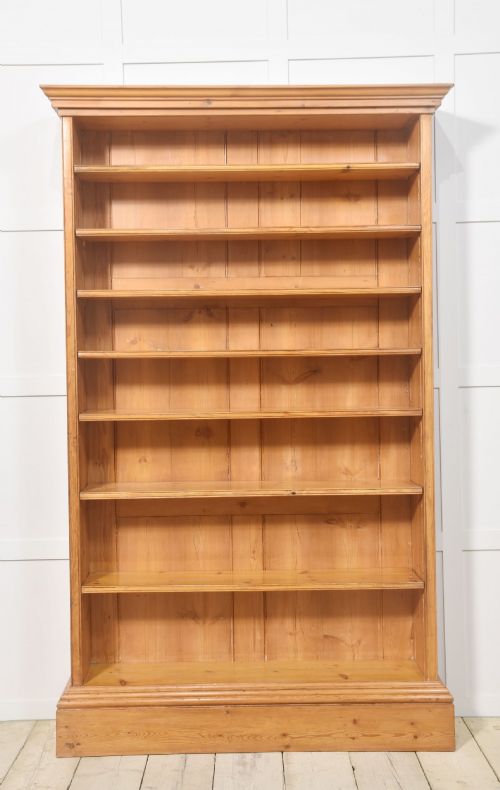
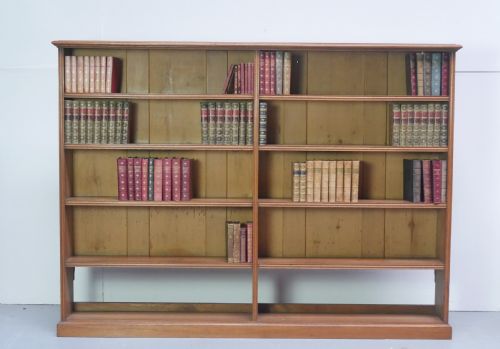
Hardwood bookcases and robustly constructed 19th-century hanging shelves handle moderate book collections if securely fastened to structural walls.
Lighter pine or delicate antique plate racks suit decorative ceramics and small volumes rather than heavy reference libraries.
How do I clean and maintain old wood?
Dust regularly with a dry, soft cloth and apply traditional beeswax periodically to nourish dry timbers and preserve the historic patina.
Avoid modern silicone sprays and keep wooden racks away from direct heat sources and damp environments to prevent warping.