



Antique Timber Bookshelf
An antique timber bookshelf organises your volumes with the warmth and grain that only period woods provide.
Antique Timber Bookshelf
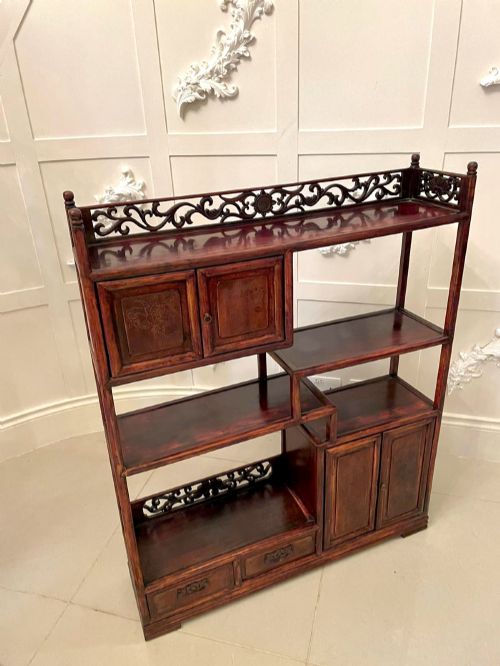
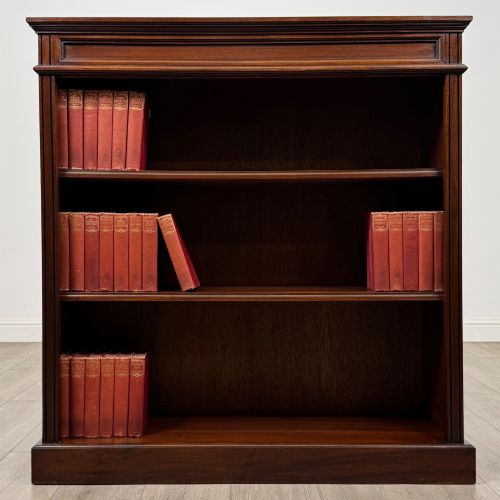
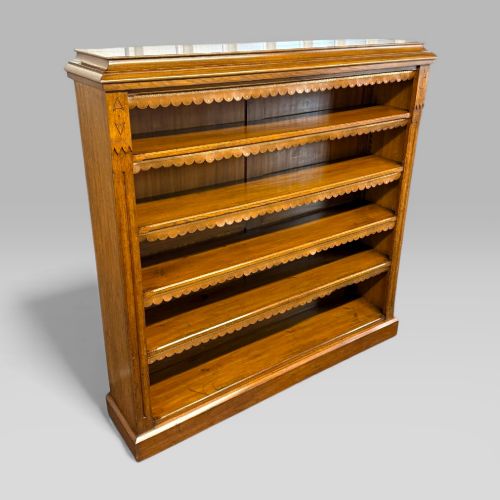
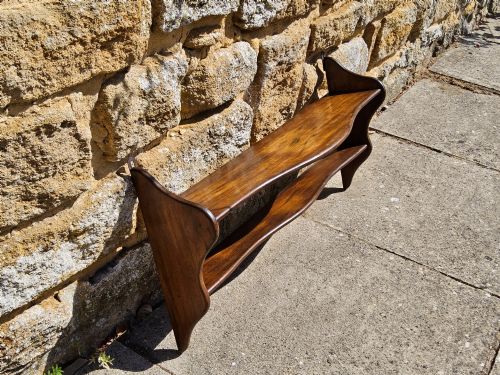
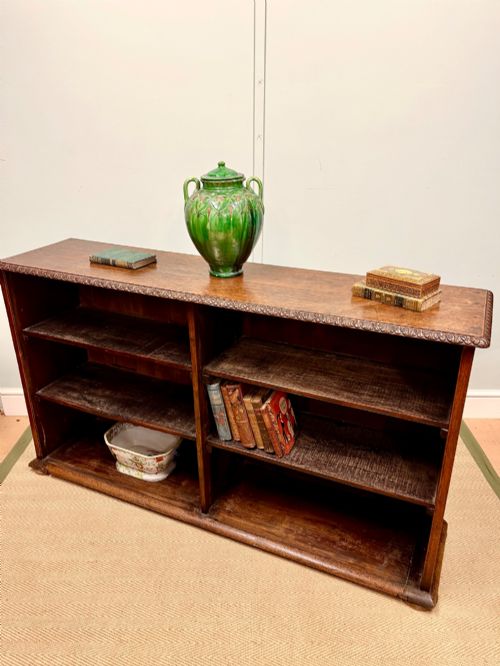
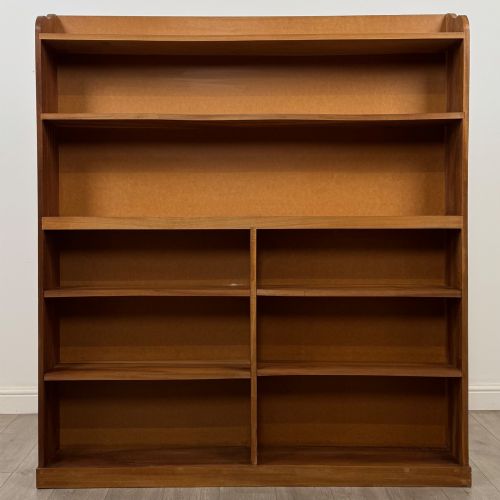
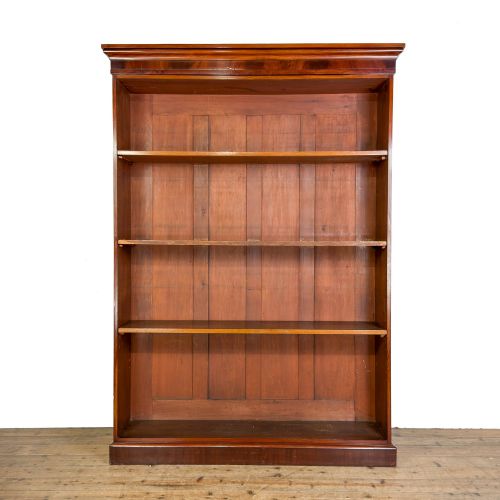
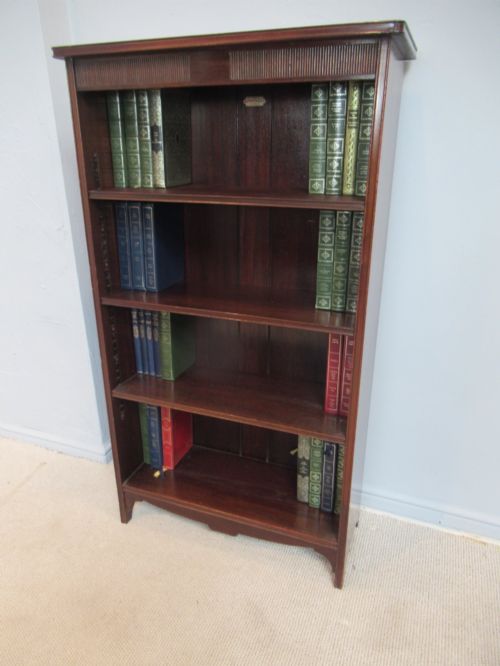
An antique timber bookshelf serves to hold books and display objects across a range of domestic settings. When you search for an antique timber bookshelf, you encounter various forms including open bookcases, wall shelves, and display cabinets.
The pieces span several distinct eras, appearing most frequently from the nineteenth century and the Edwardian period. Makers constructed them from woods such as mahogany, oak, walnut, rosewood, and teak.
Design influences vary from standard Victorian and Edwardian to regional styles like Anglo-Indian and Chinese Qing. These items range from small wall-hung shelves to large standing bookcases.
How they were made
Craftsmen built these bookcases using solid timbers and occasional veneers, shaping structural elements with hand tools. Woods like oak, mahogany, and walnut provide the primary framing and shelving.
Carving and turning appear on specific pieces, particularly in styles influenced by Victorian ornamentation or regional workshops. Finishing techniques involve polishes and stains that highlight the natural grain of the timber.
Listings feature woods spanning mahogany, oak, walnut, rosewood, teak, and satin birch across nineteenth-century and Edwardian eras.
What varies in quality
Quality depends upon the selection of timber and the precision of the construction. Dense hardwoods like rosewood and figured walnut indicate a higher grade of manufacture than basic stained pines.
The refinement of carved details and the joinery used in shelves and uprights distinguish standard utility pieces from finer items. Original surfaces and hardware retain greater integrity than heavily restored examples.
Waring and Gillows
The Antique Timber Bookshelf Glossary
- Open bookcase
- A shelving unit without doors, designed for easy access to books. These pieces expose the book spines directly to the room.
- Wall shelves
- Shelving units designed to be mounted directly onto a wall rather than standing on the floor. They save floor space while providing display areas.
- Display cabinet
- A case featuring glazed or open fronts intended for showing collections rather than storing everyday reading material. They often incorporate finer joinery.
- Whatnot
- A multi-tiered piece of freestanding furniture used for displaying ornaments and small books. These items feature open shelves supported by slender columns.
- Waterfall bookcase
- A shelving unit where each tier recedes from the one below it, creating a stepped profile. This form gained popularity during the Victorian and Edwardian eras.
Antique Timber Bookshelf: Frequently Asked Questions
How do I choose the right size?
Measure your available wall space and check the depth of the shelves against the books you intend to store. Consider whether an open bookcase or a wall-mounted shelf suits the room.
Ensure the timber tone complements existing furniture in your home. Smaller proportions work well in tighter spaces, while larger cases anchor a main living area.
Are these shelves suitable for heavy books?
Most period bookcases utilise solid hardwoods like oak or mahogany which provide strong support for standard volumes. Fixed shelves generally offer more weight capacity than adjustable versions.
Examine the thickness of the timber and the method of shelf support. Heavier architectural or art books require sturdier construction.
How do I care for antique timber?
Keep wooden furniture away from direct sunlight and heat sources to prevent the timber from drying out or splitting. Dust regularly with a soft, dry cloth.
Apply appropriate furniture wax occasionally to nourish the wood surface. Avoid using modern silicone sprays that can damage old finishes.
How do I date a timber bookshelf?
Examine the construction methods, tool marks, and wood types used in the piece. Styles such as the Aesthetic Movement or Edwardian periods exhibit distinct design characteristics.
Secondary woods used in the backs and interiors often help determine the age. Comparing the joinery with dated examples clarifies the timeline.