
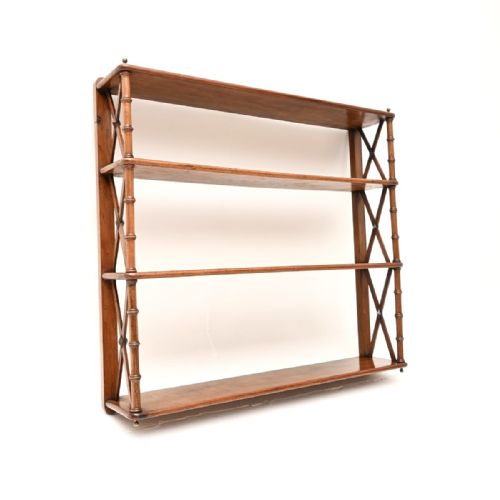
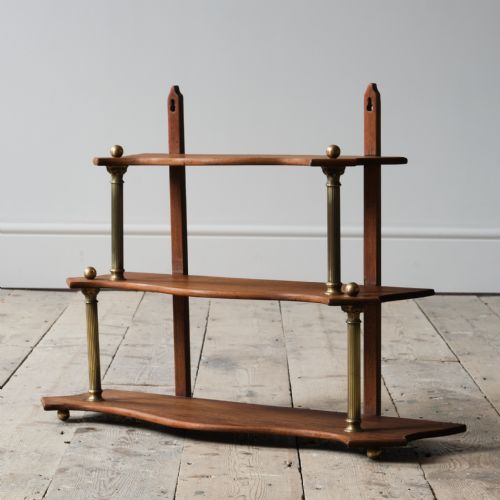
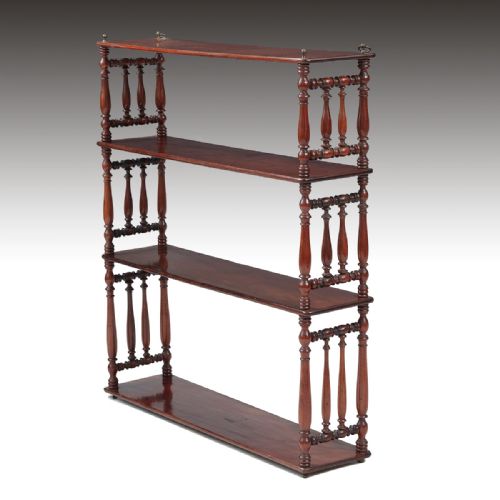
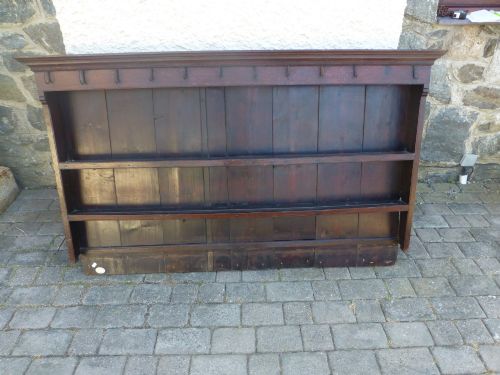

Antique Wall Hanging Rack
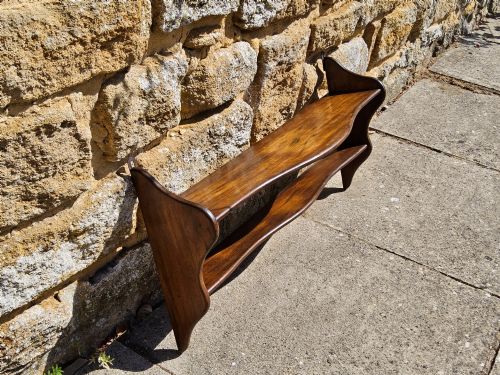
An antique wall hanging rack organises domestic space with period utility, offering open storage for plates, pipes, letters and books.
Antique Wall Hanging Rack
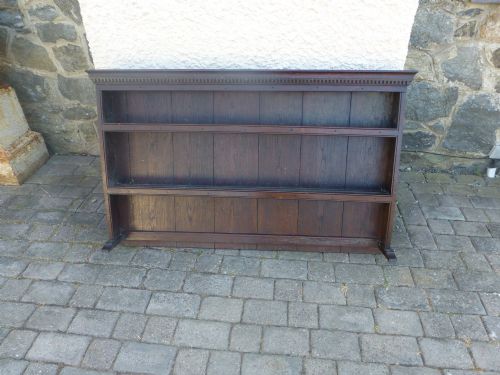
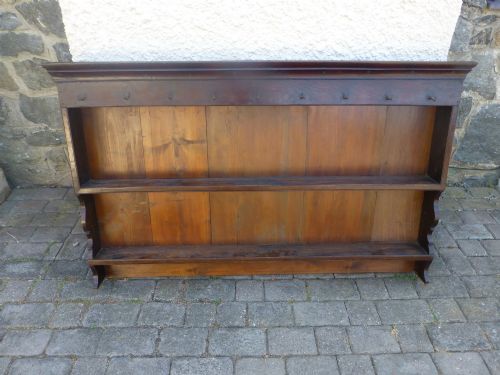
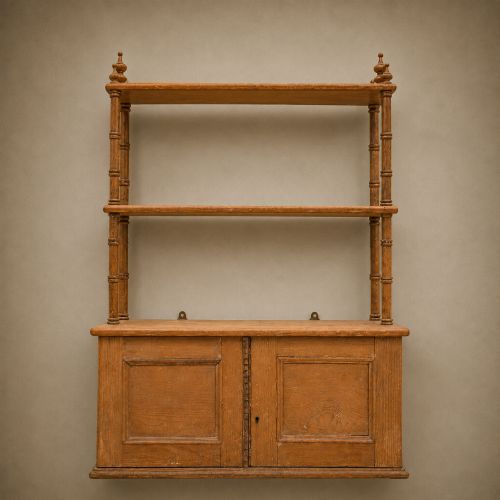
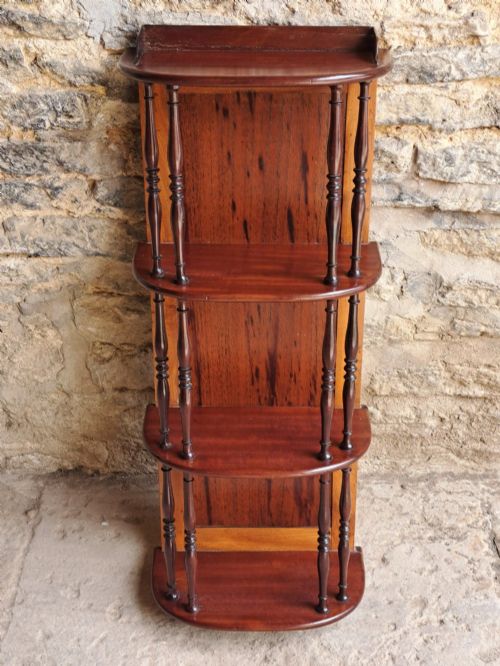
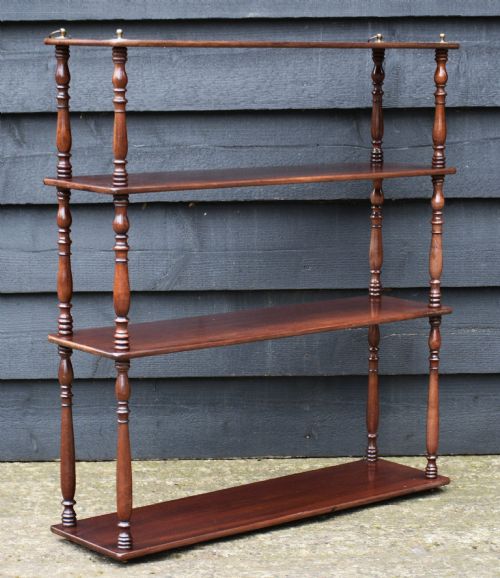
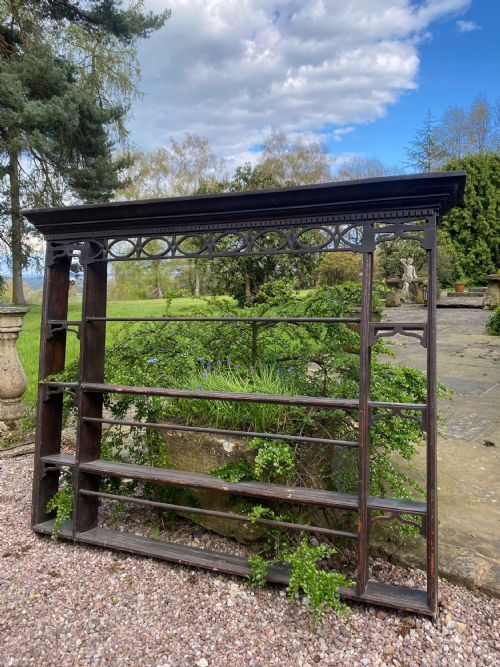
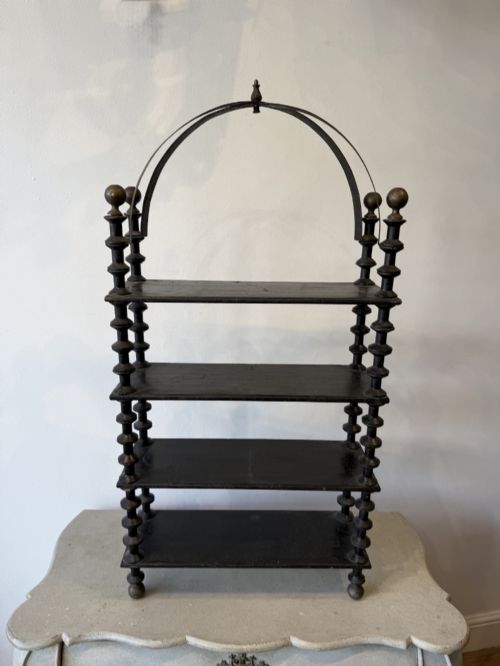
An antique wall hanging rack encompasses practical domestic furnishings designed to suspend from vertical surfaces, saving floor space while displaying household goods. The selection on this page ranges from Georgian oak delft plate racks to Victorian mahogany hanging shelves, Edwardian inlaid display units, and functional iron or brass brackets.
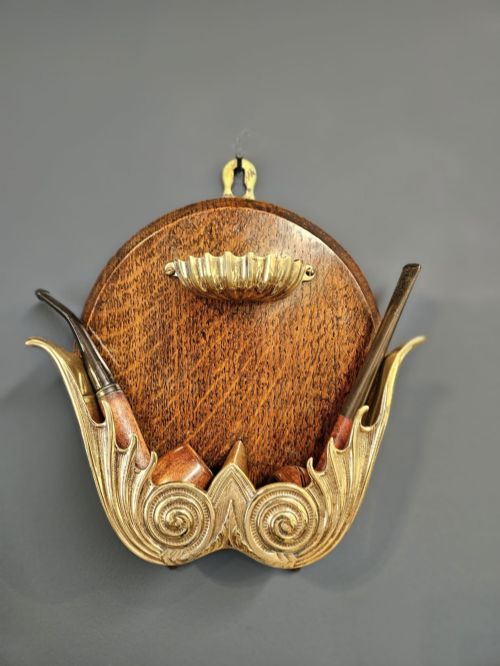
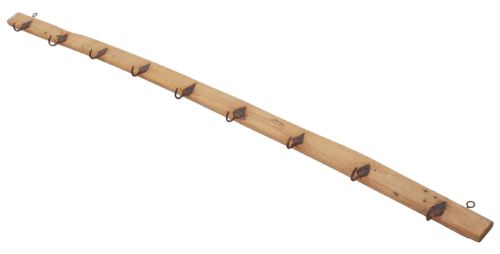
Buyers meet varied forms across centuries, including kitchen plate racks for ceramic display, coat and hat hooks for hallways, pipe racks for smoking implements, and letter holders for desks. These pieces originate across the eighteenth, nineteenth, and early twentieth centuries, reflecting the domestic habits of Georgian, Victorian, and Edwardian households.
Materials and construction
Cabinetmakers constructed these hanging pieces primarily in timber, employing sturdy oak for utilitarian eighteenth-century kitchen racks and fine mahogany, walnut, or satin birch for nineteenth-century display shelves. Secondary woods such as pine and beech often appear in structural elements or lesser-seen components, while painted wood and fruitwood provide regional variation.
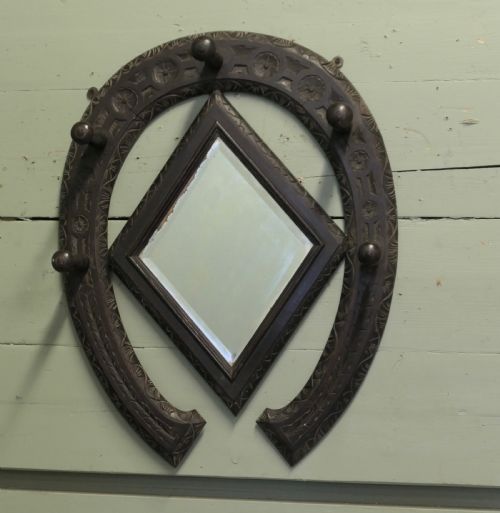
Horse-shoe ironwork and carved forest bears guard humble coats and clay pipes on these walls.
Judging construction and finish
The standard of an antique wall hanging rack rests on the selection of timber and the precision of its joinery, where finely figured mahogany or dense old-growth oak denote superior workshops. The crispness of carved details, such as decorative mouldings or figural elements, separates utilitarian items from finer cabinetwork.
Surface finish significantly influences merit, with original polished patination on hardwood shelves or intact period painted surfaces holding greater integrity than later alterations. Structural soundliness in the suspension points and hanging brackets ensures the piece safely supports its intended load.
The Antique Wall Hanging Rack Glossary
- Delft rack
- A wooden wall-mounted rack featuring plate grooves and retaining rails specifically designed to display tin-glazed earthenware plates safely.
- Pipe rack
- A specialised wall fixture incorporating notches and pegs to hold smoking pipes upright in a domestic or club setting.
- Marquetry
- Decorative veneer work employing various woods to create pictorial or geometric patterns on the surface of display shelves.
- Faux bamboo
- A decorative technique carved into wood to imitate the segmented stalks of natural bamboo, seen in nineteenth-century pieces.
- Gothic Revival
- A nineteenth-century architectural and decorative style incorporating pointed arches, trefoils, and heavy medieval motifs into furniture design.
Antique Wall Hanging Rack: Frequently Asked Questions
How do I hang a heavy antique rack safely?
Heavy wooden plate racks and bookcases require secure fixing directly into wall studs or masonry using appropriate wall anchors matched to the weight of the timber and its future contents.
Distributing the load evenly across multiple suspension points prevents stress on the original antique mounting brackets or backboards.
What is the difference between a plate rack and bookshelves?
Plate racks include specific horizontal ledges with shallow grooves or front retaining rails designed to keep ceramic dishes from sliding forward.
Bookcase shelves present flat, uninterrupted surfaces intended for storing volumes vertically rather than displaying flatware at an angle.
Were kitchen plate racks used in dining rooms?
Georgian and Victorian kitchen racks originated primarily in culinary spaces to store and dry everyday earthenware ceramics near the hearth.
Over time, finer mahogany and walnut variants moved into dining parlours and drawing rooms as decorative display furniture.
How do I clean an old painted wooden rack?
Dust accumulated on antique painted surfaces should be removed gently using a dry, soft bristle brush or a clean microfiber cloth.
Moisture and harsh commercial solvents must be avoided to protect original distemper, milk paint, or early layered finishes from lifting.