
Wooden Wall Coat Rack
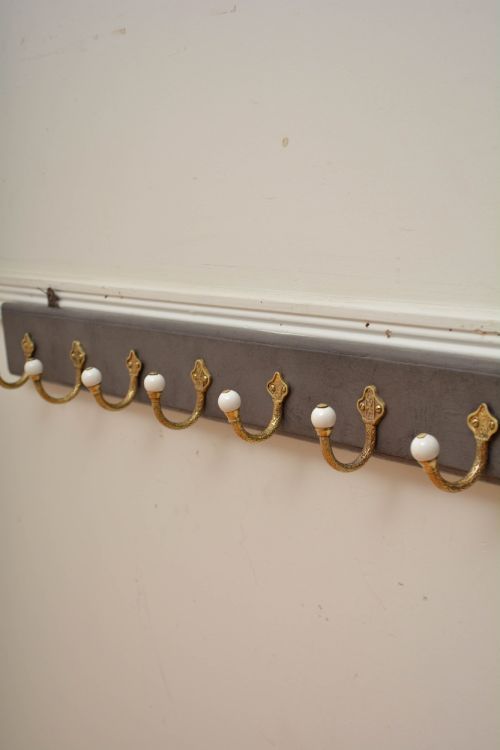
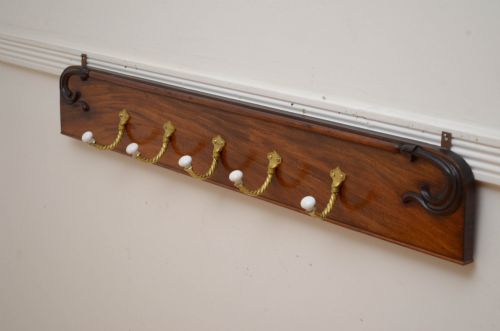
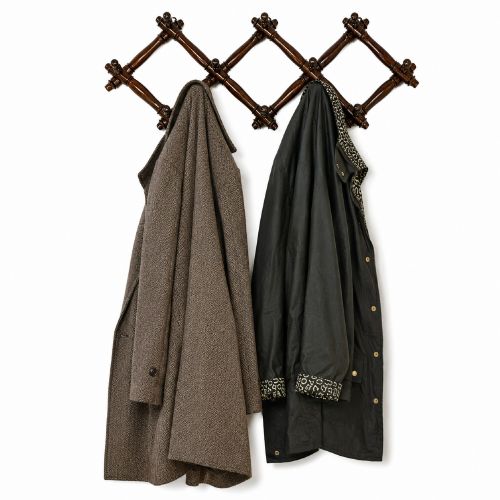
A wooden wall coat rack brings practical order to an entrance hall, combining timber backboards with sturdy metal or ceramic hooks.
Wooden Wall Coat Rack
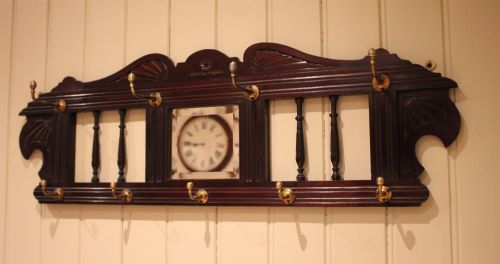
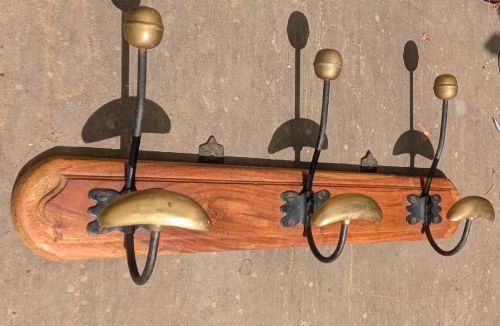
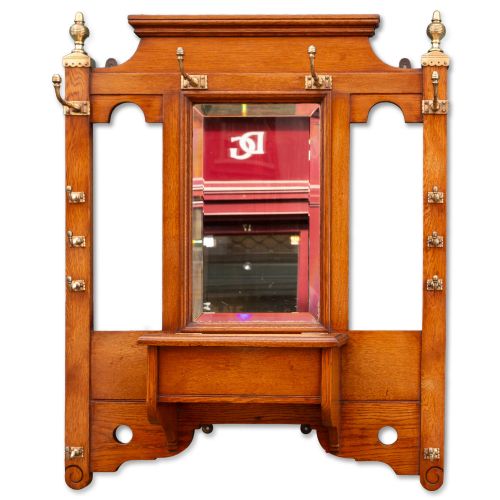
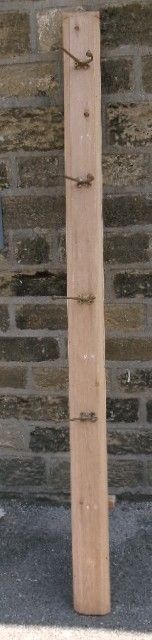
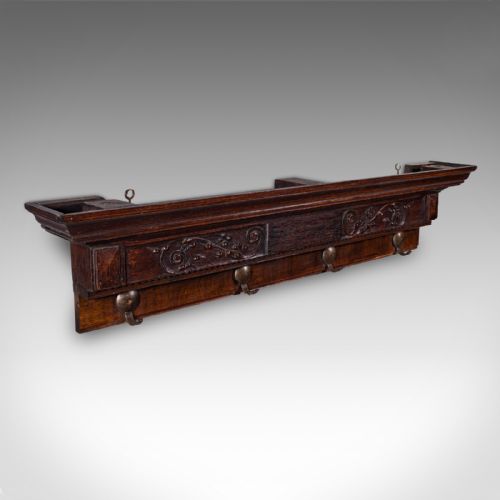
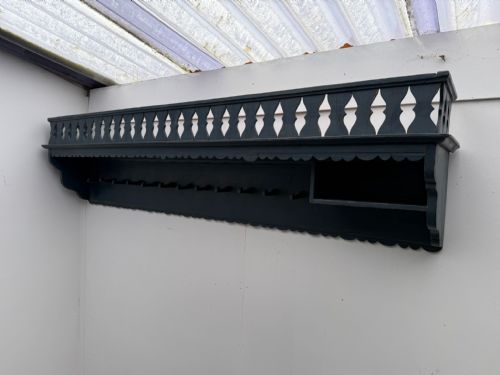
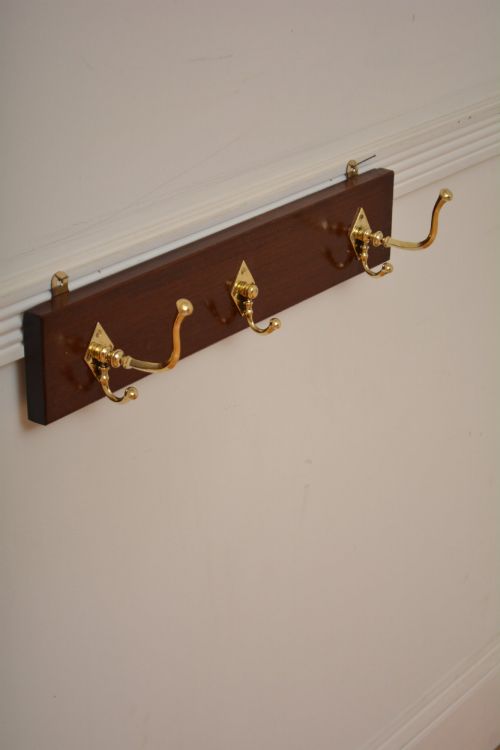
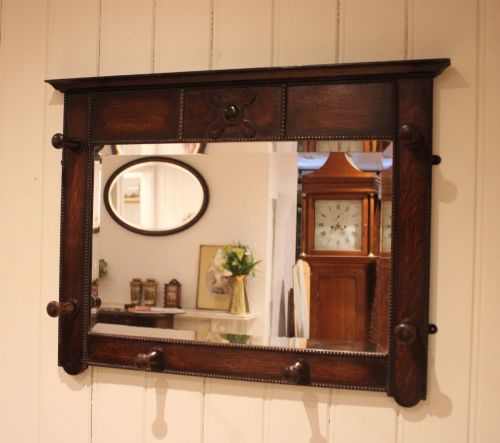
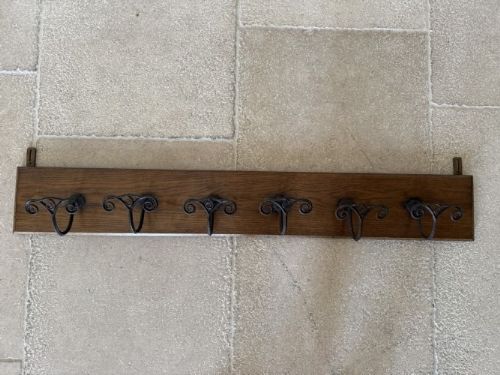
A wooden wall coat rack serves as an essential hallway fixture designed to hold garments, hats and accessories close to an entrance. When searching for a wooden wall coat rack, you encounter formats ranging from simple pine backboards fitted with brass hooks to elaborate carved designs incorporating mirrors and umbrella compartments.
The selections span various eras, featuring Victorian and Edwardian examples alongside earlier pieces from the eighteenth century. Common timber foundations include oak, mahogany and pine, often paired with functional brass or ceramic hooks.
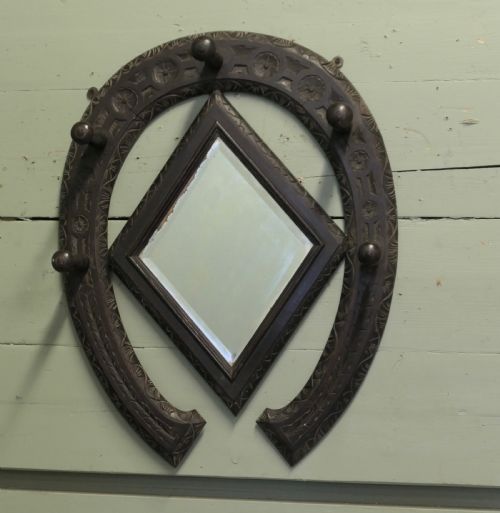
Many items integrate additional practical elements such as hat shelves, umbrella holders or bevelled glass mirrors. These multi-functional pieces reflect the organisational needs of period hallways and reception rooms.
How they were made
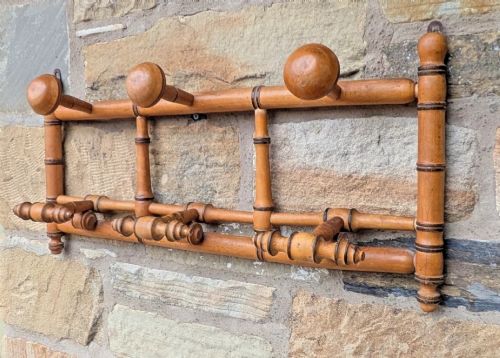
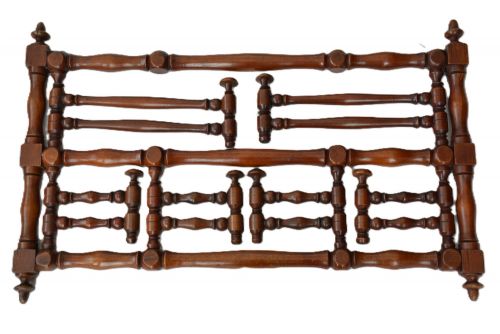
Construction relies upon traditional timber joinery, utilising solid woods like oak, mahogany and pine for the main backboards. Carpenters shaped these woods through hand planing and moulding, occasionally employing bentwood techniques for curved components.
Metalworking techniques produced the accompanying hardware, utilising cast brass, wrought iron and steel for hooks and brackets. These metal elements were frequently screwed directly into the wooden backing or secured with backplates to support the weight of heavy garments.
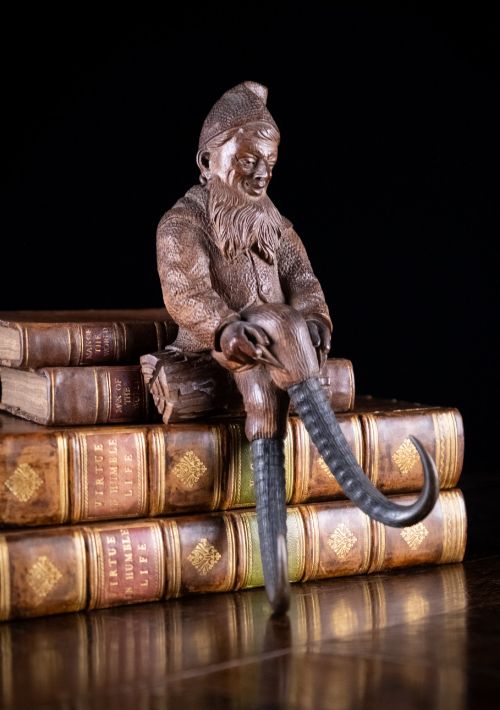
Carved chamois goats and grinning gnomes peer from nineteenth-century Black Forest hooks, turning simple hallway storage into miniature menageries.
What varies in quality
The distinction between standard utility pieces and finer examples rests upon the quality of the timber selection and the complexity of the carving. Superior items display select hardwoods, hand-carved ornamentation such as Black Forest animal motifs, and heavy cast brass hardware rather than stamped metal.
The Wooden Wall Coat Rack Glossary
- Backboard
- The horizontal or vertical plank of wood that provides the structural base for mounted hooks. It distributes the weight of garments across the wall fixings.
- Bentwood
- Wood softened by steam and bent into curved shapes, commonly utilised in nineteenth-century coat stands and wall racks. This technique allowed makers to create flowing, organic lines.
- Portmanteau
- A combined hall fixture featuring coat hooks, hat racks and often a mirror or umbrella storage. These items served as comprehensive entrance furniture.
- Bevelled plate
- Mirror glass with angled or sloped edges that create a decorative framed effect. It reflects light more dynamically than standard flat glass.
- Cast brass
- Molten brass poured into a mould to form solid, ornate hooks and brackets. This method produced durable hardware with intricate detail.
Wooden Wall Coat Rack: Frequently Asked Questions
How do I mount an antique coat rack securely?
Most wall-mounted racks require heavy-duty screws fixed directly into wall studs or proper masonry anchors. Because these pieces hold substantial weight when loaded with coats, securing them firmly to the structural wall is essential.
Distributing the fixings evenly across the wooden backboard prevents bowing or splitting over time. Using existing screw holes where possible preserves the original timber.
What is the difference between oak and pine racks?
Oak provides a dense, durable hardwood foundation with prominent grain patterns, frequently seen in substantial Victorian and earlier pieces. Pine offers a softer, lighter alternative that was often painted or finished with simpler domestic utility in mind.
Both timbers served different domestic tiers, with oak typically reserved for formal reception spaces and pine for servants' quarters or back hallways.
Are the hooks on these racks original?
Many period racks retain their original cast brass, iron or ceramic hooks, though replacements do occur due to wear and tear. Inspecting the seating around the screw heads helps determine if the hardware has been replaced recently.
Original hooks often show matching patination and wear consistent with the age of the wooden backboard.
How do I care for antique wood and brass?
Cleaning requires a soft, dry cloth to remove dust without disturbing the aged patina of the timber. Avoid harsh modern chemical polishes that can strip original wax finishes.
Brass hooks benefit from gentle cleaning if required, though leaving a natural tarnish preserves their historical appearance. Keeping wooden racks away from direct heat sources prevents warping.