





Wooden Trestle Writing Desk
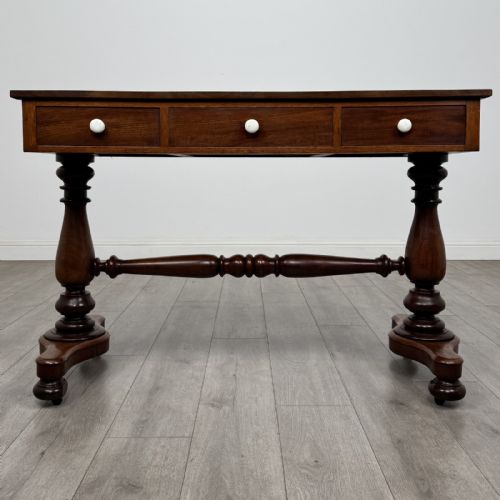
A wooden trestle writing desk brings robust structural framing and versatile workspace into a room, offering both historical character and practical daily utility.
Wooden Trestle Writing Desk
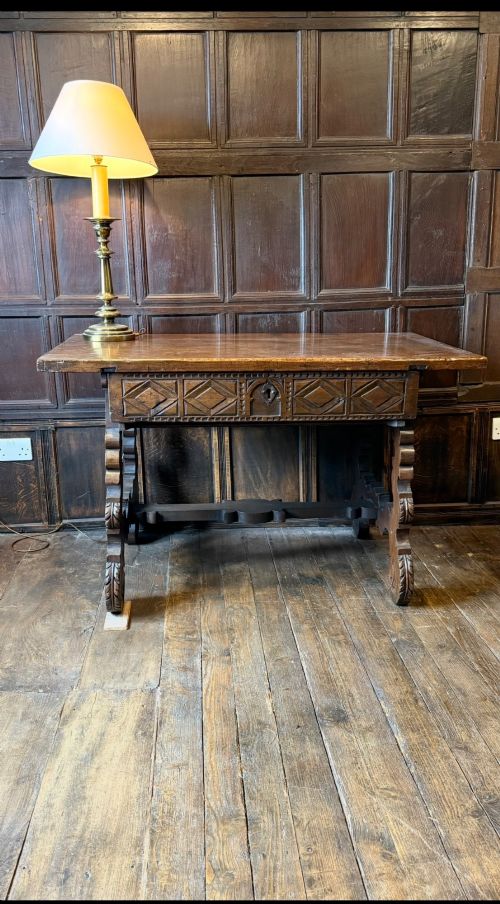
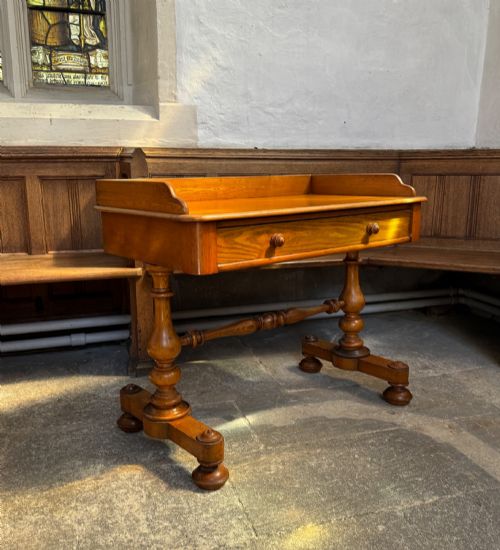
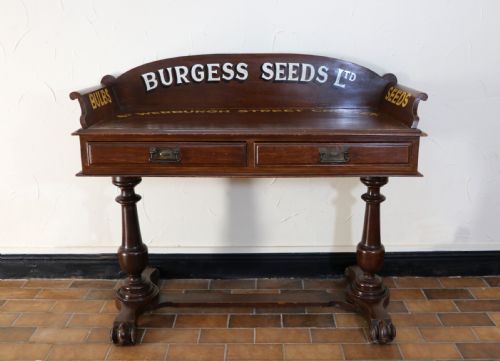
When buyers search for a wooden trestle writing desk, they encounter various forms including library tables, writing tables, and side tables spanning centuries of craftsmanship. The selection ranges from compact Victorian writing desks with drawers to substantial Georgian and earlier walnut or oak tables.
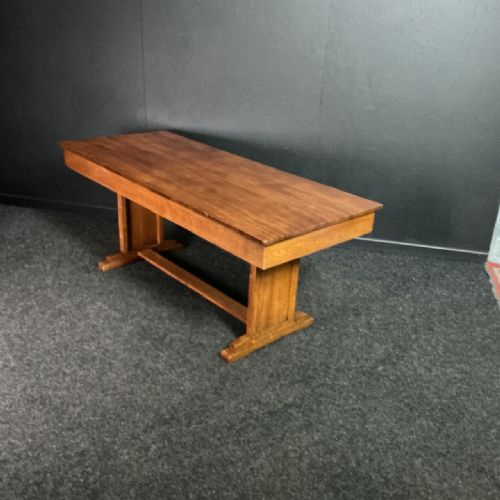
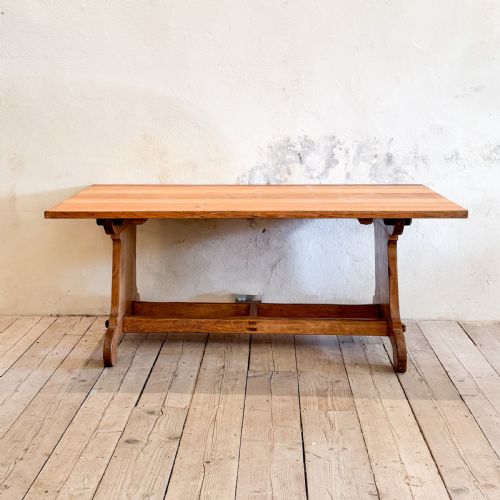
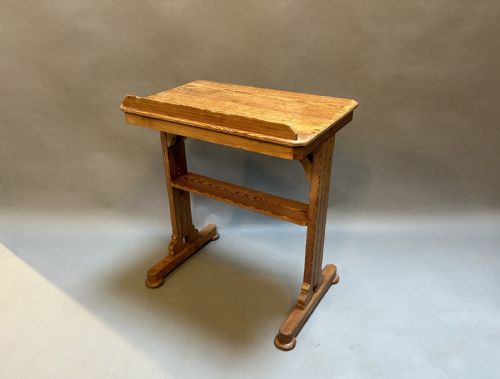
Most examples found in this inventory adhere to traditional forms rooted in the eighteenth and nineteenth centuries, utilising sturdy side supports linked by stretchers. These pieces originate from diverse European and British workshops, reflecting functional workspace needs across generations.
Materials and construction methods
Cabinet makers utilised dense hardwoods such as mahogany, walnut, oak, and rosewood for durability and refined finish, alongside pitch pine and satinwood for specific regional or decorative furniture. Brass hardware frequently appears on drawer fittings and campaign accents.
Joinery methods relied on traditional framing and panel construction, incorporating sturdy stretchers to stabilise the trestle bases beneath large writing surfaces. Surfaces often featured inset leather panels or polished timber grains finished with natural oils and waxes.
Wooden Trestle Writing Desk Retail Price Guide 2026
Typical asking prices for wooden trestle writing desk among the pieces listed under this phrase on Sellingantiques today, from the lower quarter to the upper quarter. They describe what is for sale here now, not the wider market.
Historic school libraries occasionally contributed heavy-duty timber tables that survived decades of ink spills and carved initials.
Assessing quality and finish
Superior quality rests in the selection of timber figures, such as banded satinwood or figured mahogany, matched with precise hand-cut joinery. The weight of the timber and the structural rigidity of the trestle supports distinguish finer pieces from simpler utility tables.
Execution of carved details, intact original brass elements, and the preservation of aged patina elevate specific tables above standard production items. Subtle proportioning and secondary timber choices further delineate workshop standards.
Pairs MFG Co
The Wooden Trestle Writing Desk Glossary
- Trestle
- A structural support consisting of a horizontal beam or bar held up by two pairs of slanting legs. This design provides maximum legroom beneath the writing surface.
- Campaign table
- Portable furniture designed for military officers on the move, typically featuring brass corners and folding or demountable parts.
- Satinwood
- A durable, yellowish wood prized for its lustrous grain and used extensively for fine banding and inlay work on high-end tables.
- Pitch pine
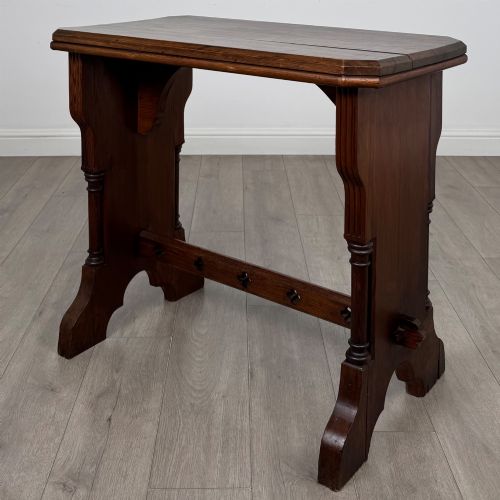
- A resinous softwood noted for its strength and prominent grain patterns, frequently utilised in nineteenth-century utilitarian and Gothic revival pieces.
- Library table
- A large freestanding table designed for reading and writing, often fitted with drawers for stationery and books.
Wooden Trestle Writing Desk: Frequently Asked Questions
How do I date a wooden trestle writing desk?
Dating relies on examining the timber species, construction joinery, and secondary woods used inside drawers. Hand-cut dovetails and tool marks generally indicate earlier eighteenth or nineteenth-century origins.
Stylistic cues such as Georgian banding or Victorian Gothic carving provide further chronological markers. Comparing the patination and wear patterns to documented period examples helps confirm the age.
Were these desks used for writing or dining?
Many large wooden tables served multiple functions in historic libraries, drawing rooms, and public institutions. Proportions, drawer configurations, and knee clearance typically indicate whether a piece was optimised for seated writing or general gathering.
Library and centre tables often bridged these uses, accommodating books, stationery, and collaborative work. Owners adapted sturdy tables to changing household needs over generations.
How do I care for an antique wooden writing surface?
Preserving the timber finish requires avoiding direct sunlight and maintaining stable room humidity to prevent splitting. Regular dusting with a soft dry cloth maintains the natural lustre without stripping aged wax layers.
Occasional application of microcrystalline wax nourishes the wood and protects against moisture. Avoid silicone sprays or harsh chemical polishes that can degrade historical finishes.
What is the difference between a writing table and a side table?
Writing tables usually incorporate one or more integrated drawers beneath the top for stationery and writing implements. They are designed specifically to accommodate a seated user working at the surface.
Side tables typically lack drawers and possess lighter proportions suited for placement against walls or behind sofas. Crossover forms often blur these definitions based on how previous owners utilised them.