

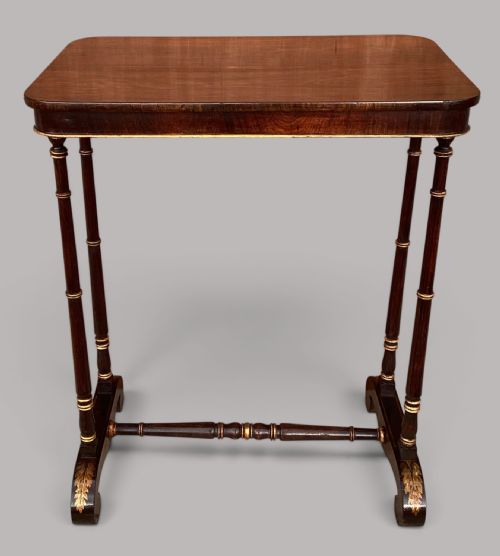
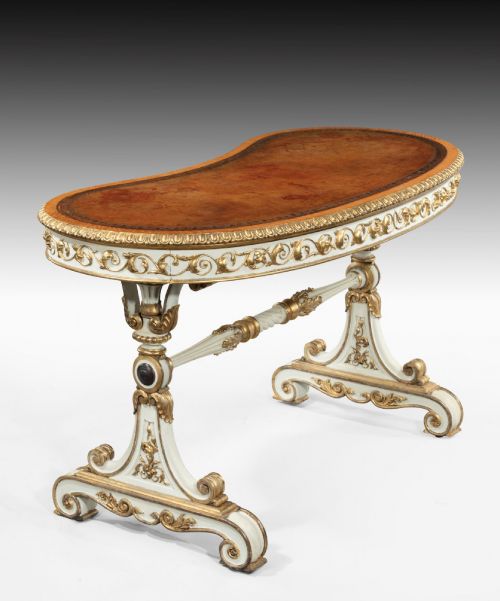
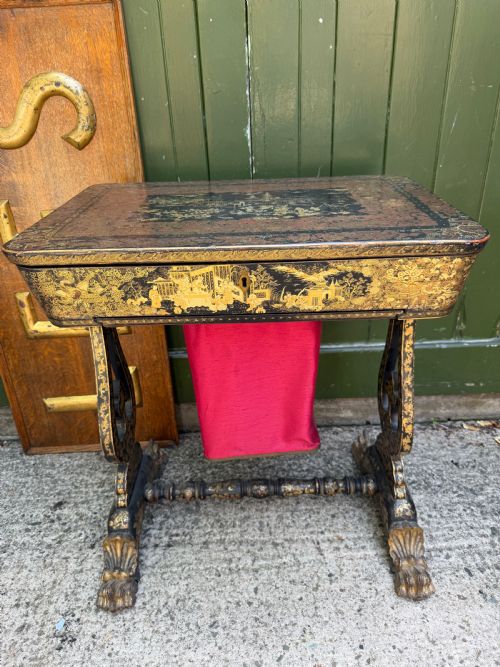


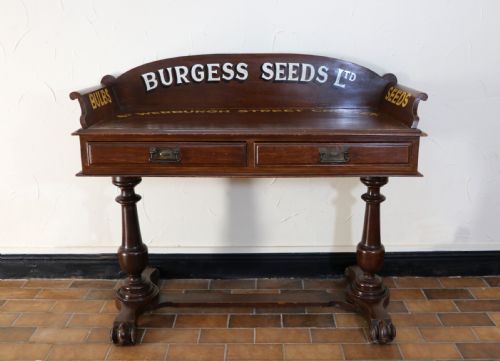


Painted Trestle Table
A painted trestle table offers robust surface space paired with distinct character, making it a functional centrepiece for dining, work or preparation.
Painted Trestle Table
When you search for a painted trestle table, you encounter robust timber constructions supported by frame bases or intersecting uprights rather than four standard corner legs. These surfaces serve multiple domestic functions, appearing as long dining boards, kitchen work stations, refectory tables and occasional boards across various regional traditions.
The pieces on this page span the nineteenth century into the early twentieth century, drawing from English, Welsh, Swedish and Italian vernacular origins. Pine, oak and teak form the primary timber bodies, often paired with cast iron or steel elements in industrial and garden variants.
Rustic farmhouse and Scandinavian country styles dominate the selection, bringing unpretentious utility alongside decorative painted finishes. Buyers frequently meet pine examples featuring original surface coats, from traditional red and grey to weathered white schemes.
How they were made
Makers relied primarily on solid pine, oak and teak planks for the tabletops, sometimes utilising two-plank boards with cleated ends to prevent warping. Bases incorporate sturdy timber framing, X-frames, or metalwork components like cast iron and steel for industrial strength.
Surfaces received protective or decorative coatings using traditional formulations, including oil-based paints, lead-based colours, and regional treatments such as Swedish Falu red. Metal bases on later pieces utilised cast or structural steel, frequently left with remnants of factory paint.
Painted Trestle Table Retail Price Guide 2026
Typical asking prices for painted trestle table among the pieces listed under this phrase on Sellingantiques today, from the lower quarter to the upper quarter. They describe what is for sale here now, not the wider market.
Listings feature pieces spanning the nineteenth century up to the 1920s, constructed from pine, oak, teak, cast iron and steel.
What varies in quality
The distinction between ordinary and exceptional pieces rests primarily on the integrity of the original surface paint and the authenticity of the timber patina. Examples retaining their initial red, grey or white coats without heavy modern overpainting command greater interest among purists.
Structural honesty and material substance also separate items, with solid hardwood planks, robust X-frame joinery and untouched original bases representing the higher tier of vernacular craftsmanship.
The Painted Trestle Table Glossary
- Trestle
- A support structure consisting of a horizontal beam fixed to two splayed legs, designed to bear heavy loads while allowing leg room beneath the top.
- Refectory table
- A long, narrow dining table traditionally used in communal dining halls and adapted for large domestic kitchens and work spaces.
- Cleated ends
- Wooden battens fixed across the grain at the short edges of a tabletop to keep the primary boards flat and stable over time.
- Falu red
- A deep red paint traditionally used in Sweden, composed of copper mine residue, linseed oil and flour, prized for its preservative qualities on timber.
Painted Trestle Table: Frequently Asked Questions
What is a painted trestle table?
A painted trestle table is a functional surface supported by intersecting or framed uprights rather than traditional corner legs, coated in historical decorative or protective paint.
These pieces originate mainly from the nineteenth and early twentieth centuries, serving utilitarian roles in kitchens, dining rooms and workshops across Britain and Scandinavia.
How do I use one at home?
These tables function well as everyday dining surfaces, kitchen preparation boards or large desks in rustic and eclectic interiors.
Their sturdy construction and generous proportions accommodate heavy daily use, while the painted finishes add colour and texture to modern or traditional rooms.
How do I identify the period?
Dating relies on timber selection, construction methods, and the type of paint used on the frame and top. Nineteenth-century examples often feature hand-planed pine planks and traditional lead or oil paints.
Later pieces from the early twentieth century frequently incorporate industrial steel bases or machine-sawn boards alongside updated factory finishes.
Are painted finishes original?
Many pieces retain early or original coats of paint, showing natural wear, cracking and patination that reflect decades of domestic or workshop use.
Some surfaces may carry later overpainting applied during subsequent periods of use to refresh the furniture.