
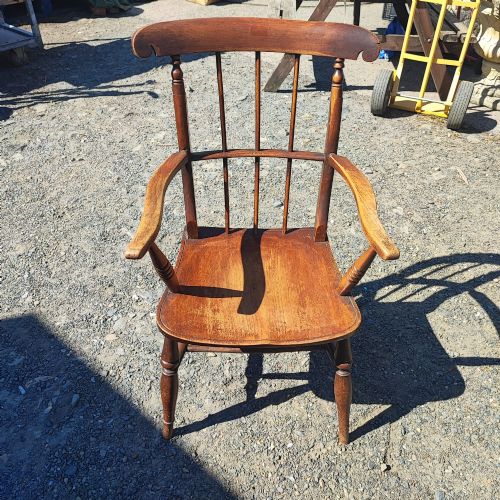
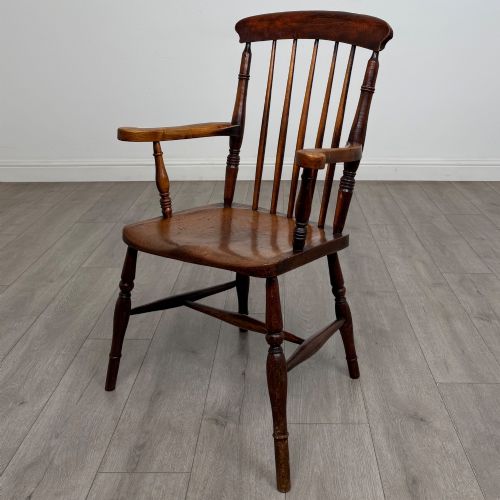
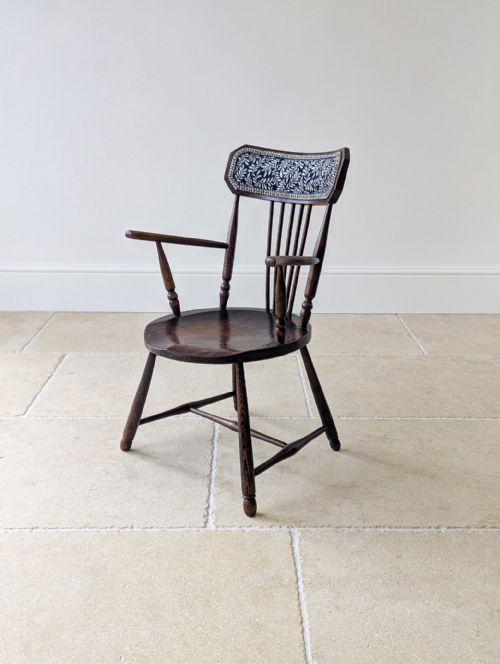
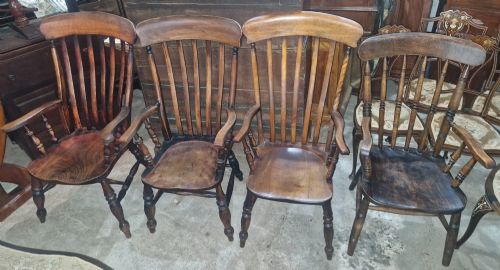


Wooden Spindle Back Carvers
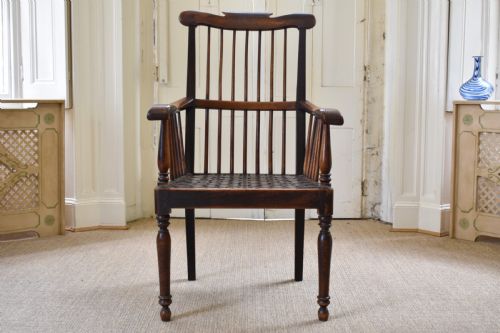
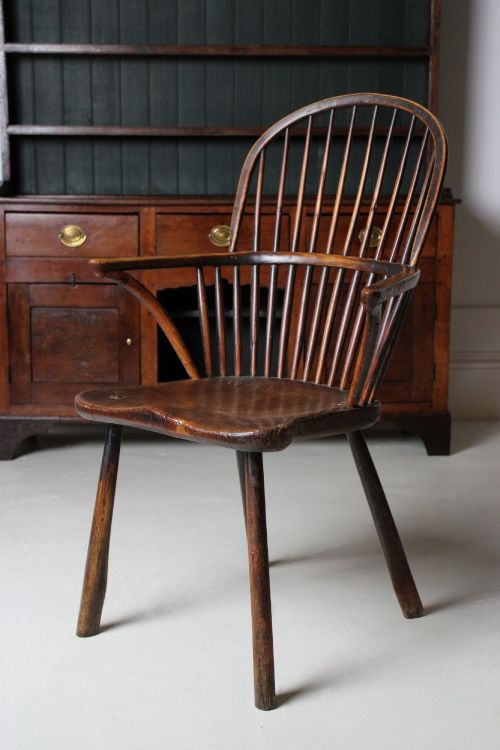
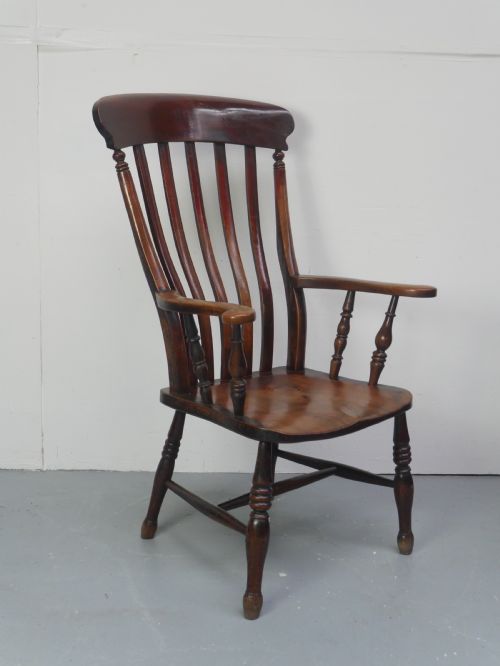
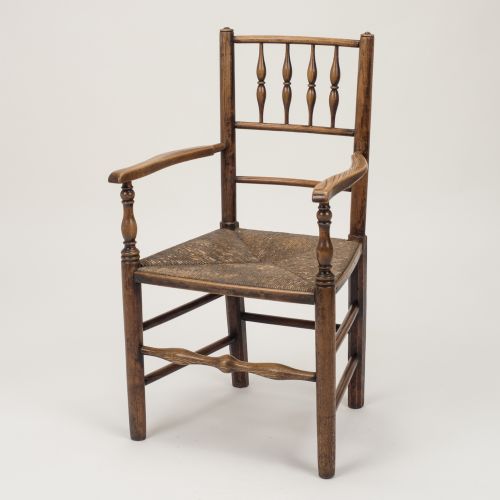
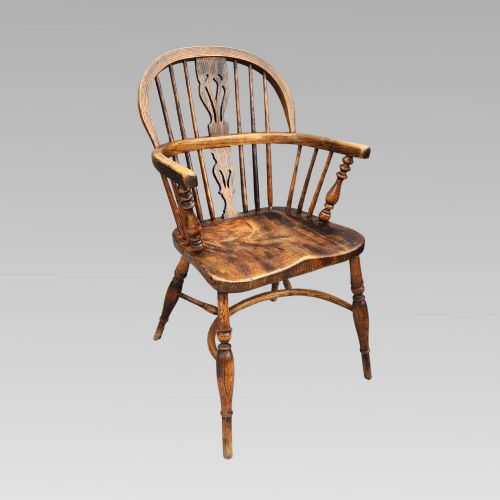
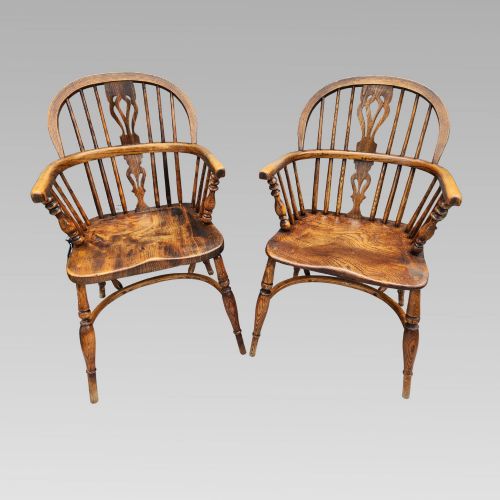
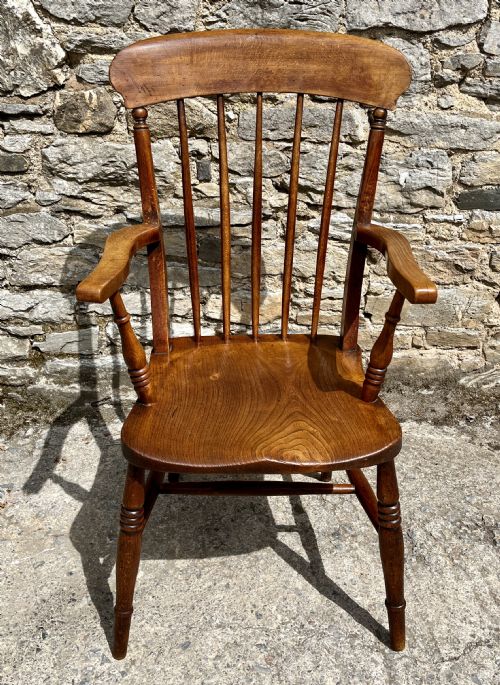
These wooden spindle back carvers are sturdy country armchairs built from mixed timbers to last generations.
Wooden Spindle Back Carvers
Wooden spindle back carvers are robust seating forms designed for daily use in farmhouse kitchens, cottages, and country houses. These armchairs appear in periods ranging from the eighteenth century through to the Edwardian era, spanning Georgian, Victorian, and Arts and Crafts styles.
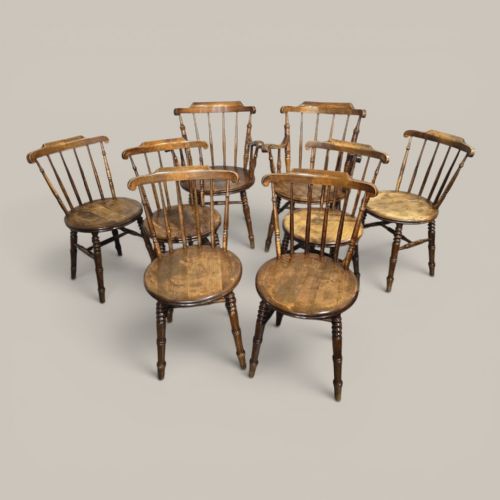
Most examples on this page are Windsor or vernacular armchairs featuring turned uprights and supportive arms. Buyers encounter pieces styled as kitchen chairs, farmhouse carvers, and country elbow seats originating from English regional traditions.
How they were made
Maker-joiners constructed these carvers by combining multiple timbers to utilise the natural strengths of each wood. Seats are frequently turned from solid elm or shaped oak, while spindles utilise flexible ash, beech, fruitwood, or alder.
Framing relies on traditional turning and wedged tenon joinery to create rigid armchairs. Some variants incorporate rush seating or drop-in fabric pads set into the wooden frames.
Some chairs retain the dents and polish of generations of elbows resting on the timber arms.
What varies in quality
The distinction between standard utility seating and finer country carvers rests upon the selection and integration of timbers. Superior pieces display carefully figured elm seats matched with well-proportioned turned spindles and balanced armbows.
Original surface patina and structural integrity define the grade of surviving chairs. Examples retaining deep, untouched timber colour and tight joints command greater appreciation among collectors.
The Wooden Spindle Back Carvers Glossary
- Spindle back
- A chair back constructed from a series of turned vertical wooden rods. These uprights provide back support while keeping the armchair relatively light.
- Windsor
- A traditional chair type featuring a solid wooden seat into which the legs, back spindles, and bow are separately bored and wedged. This construction method creates a durable form.
- Carver
- An armchair designed to sit at the head of a dining table or function as a standalone seat. These chairs feature integral arms to support the sitter.
- Vernacular
- An object made according to local regional traditions and functional needs rather than formal academic design rules. These pieces reflect local craftsmanship.
- Rush seat
- A seating surface woven from dried marsh reeds stretched tightly across a wooden frame. This technique produces a resilient and traditional seat base.
Wooden Spindle Back Carvers: Frequently Asked Questions
What is a wooden spindle back carver?
A wooden spindle back carver is an armchair featuring turned vertical wooden spindles along the backrest and structural arms. These chairs originate primarily from rural and vernacular workshop traditions.
Such armchairs served practical roles in farmhouse kitchens, dining rooms, and country houses over multiple centuries.
How do I date an old wooden armchair?
Dating involves examining the turning styles, timber combinations, and construction wear patterns visible on the frame. Earlier eighteenth-century pieces often display distinct regional joinery compared to later Victorian iterations.
Examining the underside of the solid elm seat frequently reveals tool marks and construction methods specific to certain periods.
Where were these country armchairs made?
These carvers were produced by regional cabinetmakers and local bodgers working across English counties and rural workshops. Regional centres developed distinct structural variations in their Windsor and ladderback forms.
Local timber availability dictated whether makers utilised elm, ash, beech, or oak for each chair component.
Can I use these carvers at a dining table?
These armchairs function effectively as head-of-table seating or occasional chairs due to their supportive arms and sturdy frames. Buyers should check the seat height and arm clearance against standard dining tables.
Their robust timber construction makes them suitable for daily household use.