


Antique Fireside Carver Chair
An antique fireside carver chair offers sturdy wooden comfort by the hearth, combining traditional vernacular joinery with generations of domestic use.
Antique Fireside Carver Chair
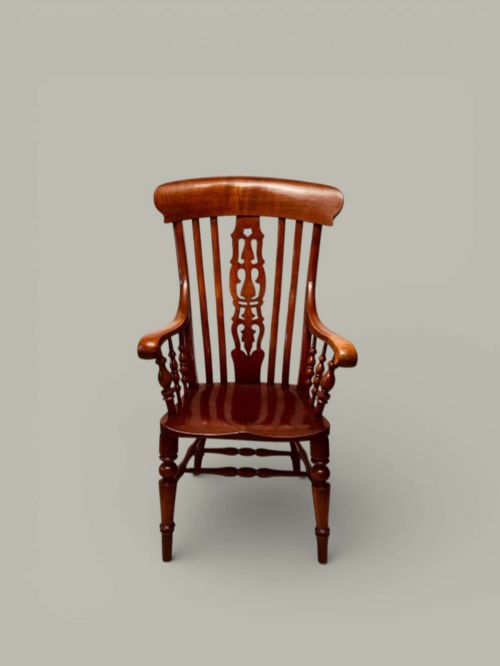
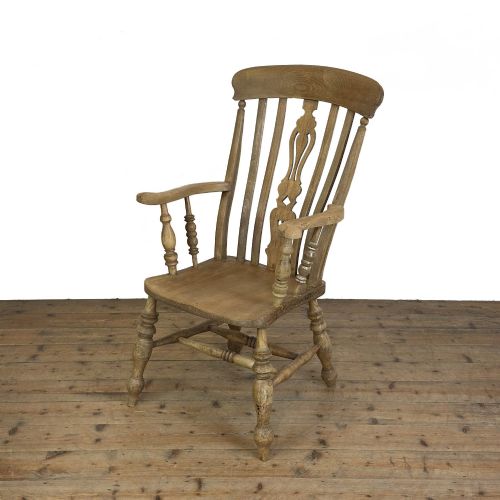
When searching for an antique fireside carver chair, buyers encounter robust wooden armchairs designed for warmth and domestic comfort near the hearth. The selection spans the eighteenth, nineteenth, and early twentieth centuries, encompassing periods from the Georgian era through to late Victorian and Edwardian times. English country and vernacular traditions dominate the forms available.
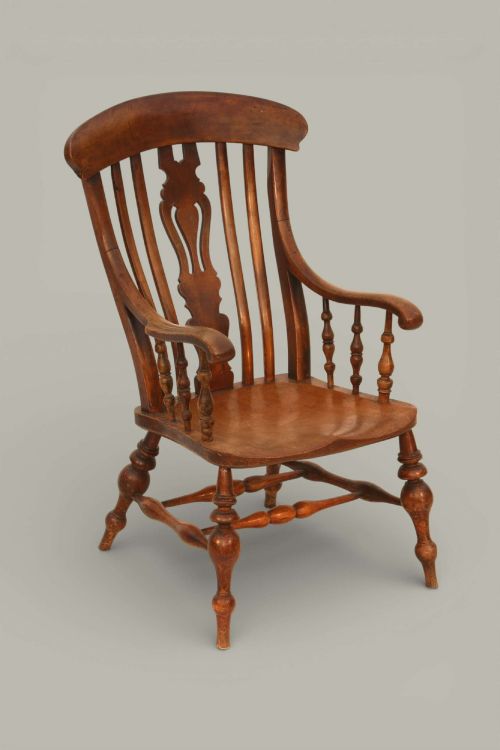
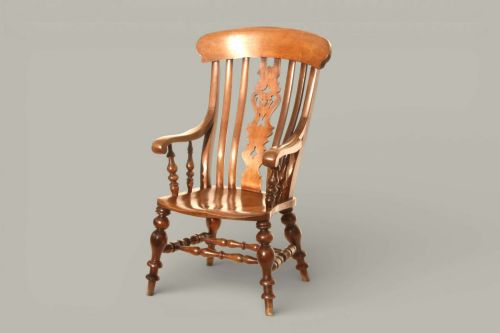
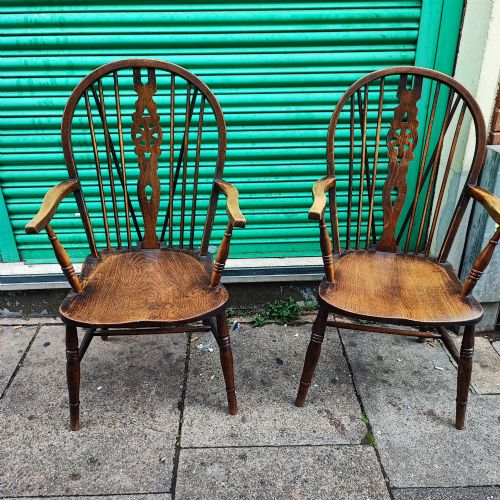
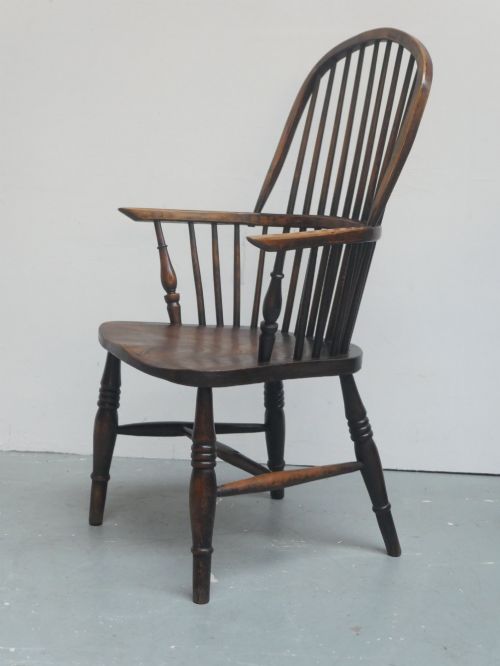
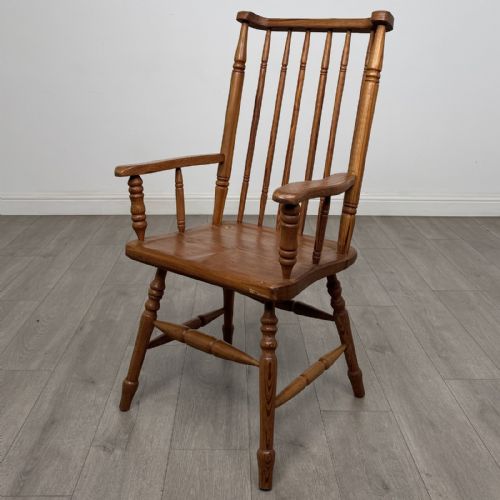
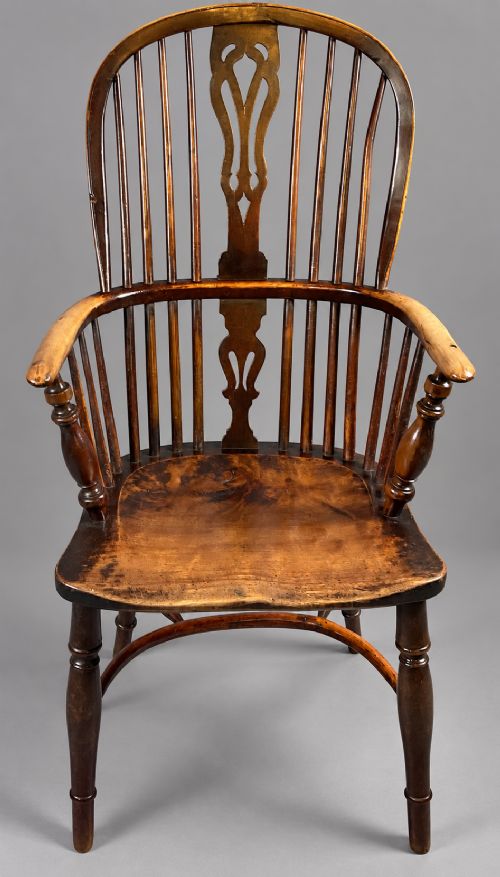
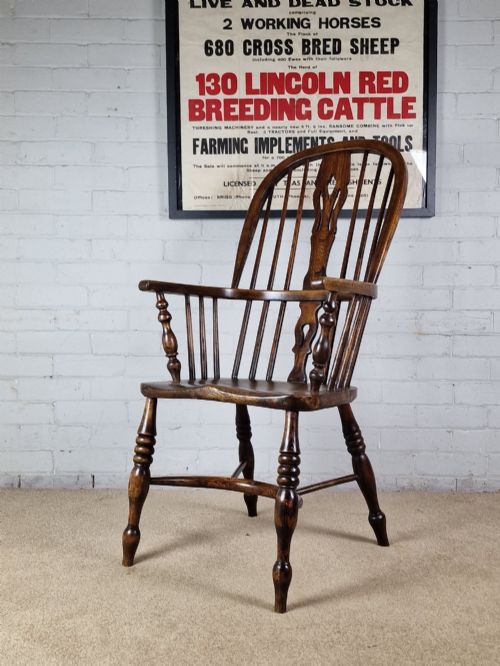
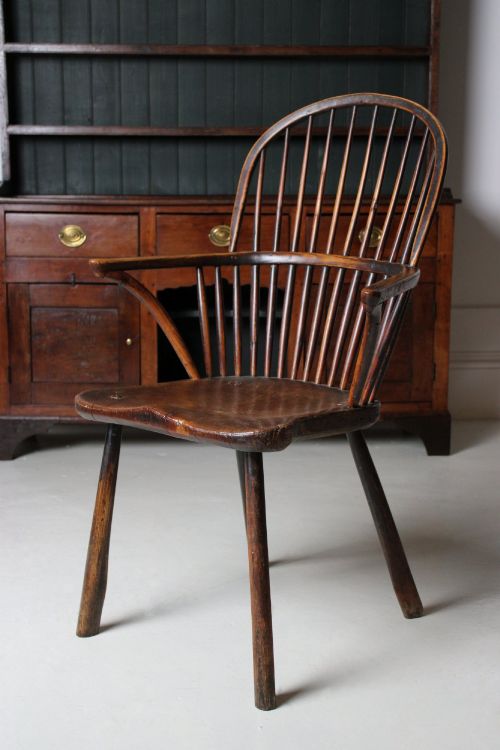
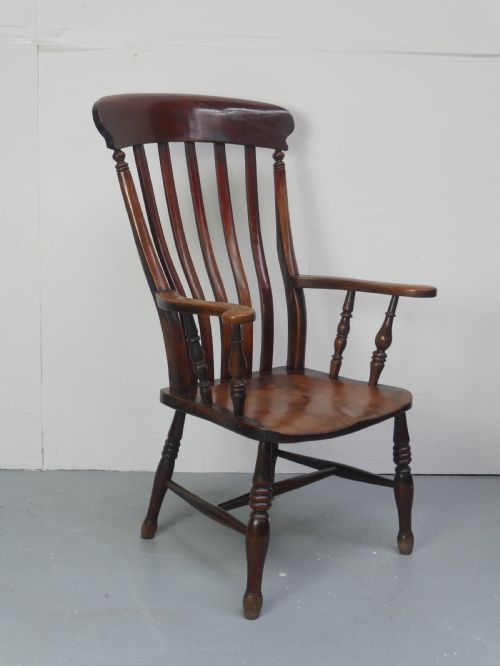
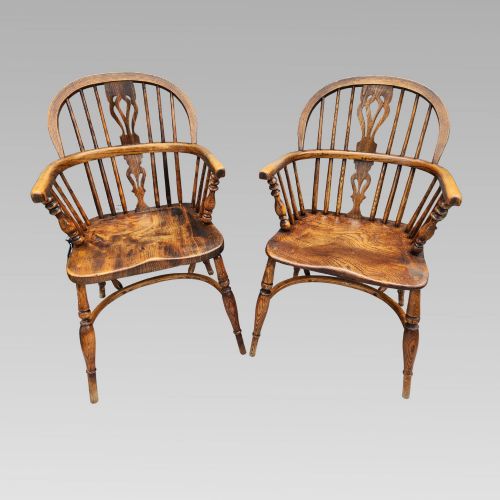
The version met most frequently on this page is the Windsor armchair, constructed with a solid wooden seat into which the legs and back spindles are wedged. These pieces often feature combinations of native timbers such as elm, ash, beech, and oak, reflecting local rural craftsmanship. Regional variations include stick back, comb back, and splat lathe back designs.
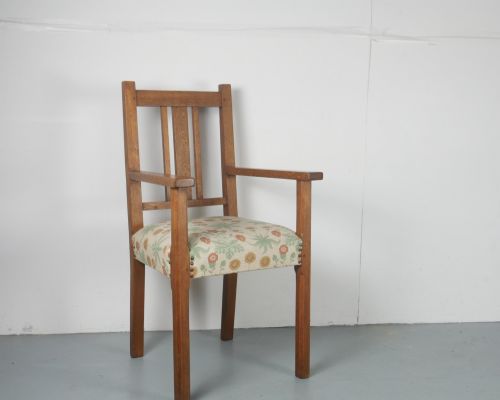
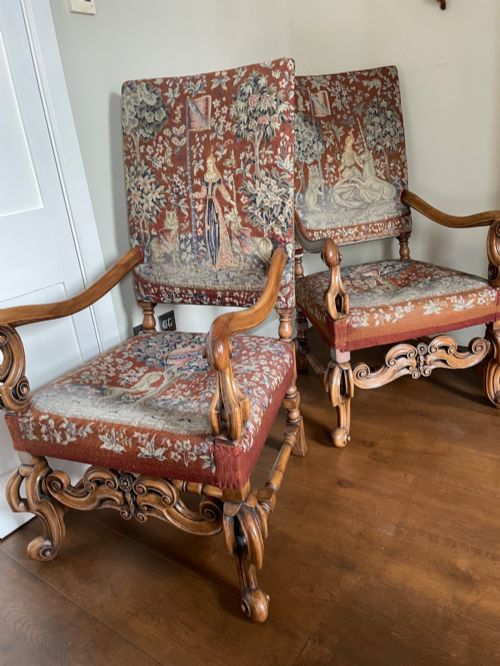
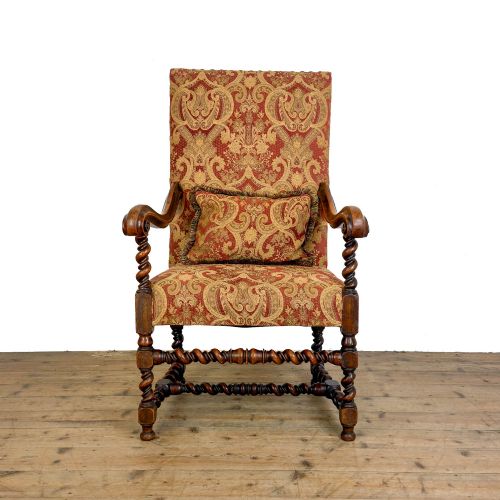
Alongside regional Windsor chairs, the listings include kitchen armchairs, spindleback armchairs, and upholstered frames in oak and mahogany. Styles range from plain country vernacular to Carolean Revival and French provincial. This variety provides ample choice for setting a traditional seat by a fireplace.
Materials and construction methods
Traditional makers selected native hardwoods for specific structural properties, combining timbers within a single frame to ensure durability. Elm seats were favoured for their interlocking grain which resisted splitting when bored, while ash and beech provided resilient, flexible spindles and bentwood bows. Oak and mahogany appeared in more formal parlour or library armchairs.
Construction relied upon traditional joinery techniques including wedged tenons, turned spindles, and steam bending. Carpenters turned legs and arm supports on pole lathes, shaping components by hand before assembly. Brass fittings or upholstery elements appeared on later Victorian and Edwardian iterations, though simple turned wood remained the primary medium.
Antique Fireside Carver Chair Retail Price Guide 2026
Typical asking prices for fireside carver chair among the pieces listed under this phrase on Sellingantiques today, from the lower quarter to the upper quarter. They describe what is for sale here now, not the wider market.
Listings demonstrate that elm, ash, and beech form the primary timber palette for country Windsor chairs across the nineteenth century.
Distinguishing quality across the range
Quality in these chairs rests upon the integrity of the timber selection and the retention of original surfaces. Better examples display carefully matched woods, such as a well-figured elm seat paired with clean ash spindles, while lesser pieces may show mismatched timber replacements from later repairs. The crispness of the turning on the arm supports and legs also indicates the skill of the original country maker.
Originality of components separates exceptional examples from heavily restored pieces. Chairs retaining their original saddle seats, undisturbed wedged joints, and honest patination command greater appreciation than those with replaced undercarriages or sanded surfaces that have lost their historic texture.
The Antique Fireside Carver Chair Glossary
- Windsor chair
- A chair built with a solid wooden seat into which the back and legs are dowelled directly. This form developed deep regional roots in English country furniture-making.
- Vernacular
- Furniture made by local country artisans using traditional regional methods rather than following metropolitan academic styles. These pieces prioritize function and local materials.
- Saddle seat
- A wooden chair seat sculpted with hollows and contours for the sitter's comfort. Elm was frequently chosen for this shaping due to its tough, fibrous nature.
- Spindle back
- A chair back constructed from multiple slender turned wooden rods. This method provides lightweight strength and flexible support.
Antique Fireside Carver Chair: Frequently Asked Questions
What defines a carver chair?
A carver chair is an armchair, traditionally placed at the head of a dining table or used as a fireside seat, featuring integrated armrests that match the dining or side chairs.
In country furniture, the term often describes sturdy wooden armchairs designed for daily domestic use around the home.
How do I date a Windsor chair?
Dating relies on observing construction details, timber combinations, and the evolution of the turning on legs and spindles. Earlier eighteenth-century examples often feature broader proportions and specific regional undercarriage bracing.
Later Victorian and Edwardian pieces frequently incorporate machine-turned components and standardised timber selections.
Were these chairs used outdoors?
These wooden armchairs were built exclusively for indoor domestic environments, specifically kitchens, parlours, and firesides. Their construction utilised native hardwoods that responded poorly to prolonged dampness and outdoor exposure.
Historic use remained strictly within the heated spaces of farmhouses, cottages, and town residences.
Why are different woods used in one chair?
Country makers selected different timbers for specific structural roles based on their physical characteristics. Elm provided a tough, split-resistant seat, while ash and beech offered flexible strength for steam-bent bows and slender spindles.
This functional pairing maximised the durability of the chair.