


Wooden Side Armchairs Pair
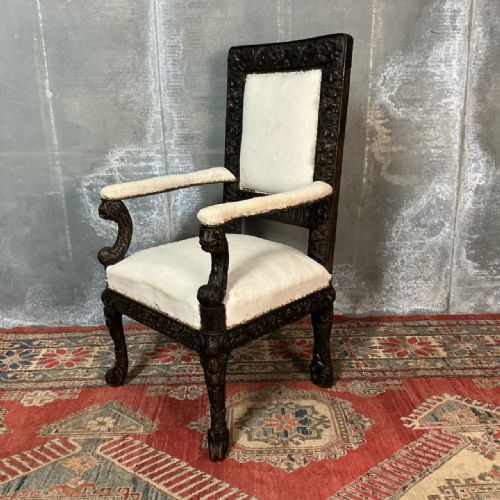
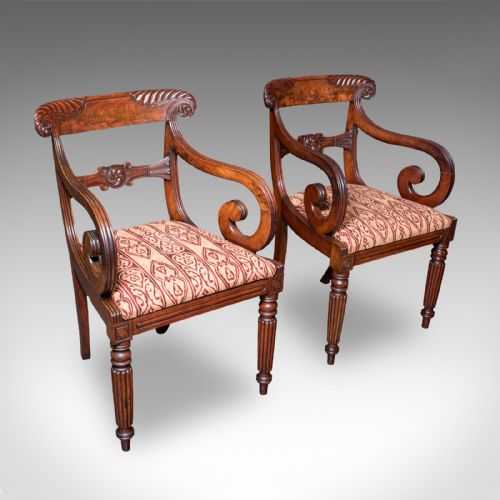
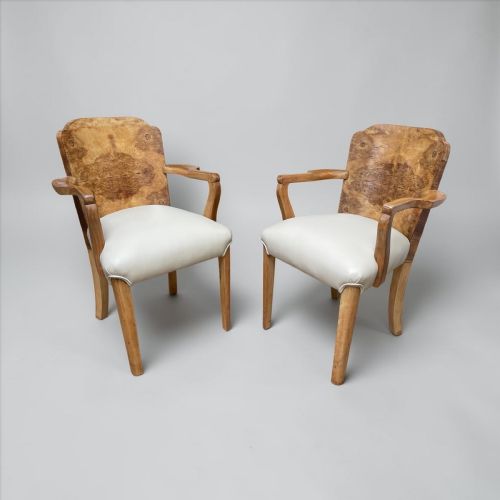
These wooden side armchairs pair selections offer matching seating in mahogany, oak, and elm spanning the nineteenth and twentieth centuries.
Wooden Side Armchairs Pair
A wooden side armchairs pair brings together matching seating options derived from diverse historical periods including the Edwardian era, Victorian period, and Regency times. Buyers searching this category frequently encounter configurations intended for specific rooms, ranging from library desk chairs and morning room elbow seats to dining chairs and occasional salon armchairs.
The materials span traditional British and European timbers such as mahogany, oak, elm, and general hardwood, alongside exotic examples finished with red lacquer or ebonised and gilded treatments. Stylistic influences vary widely across the inventory, incorporating Gothic Revival, Art Nouveau, Art Deco, Baroque Revival, and Federal Revival designs.
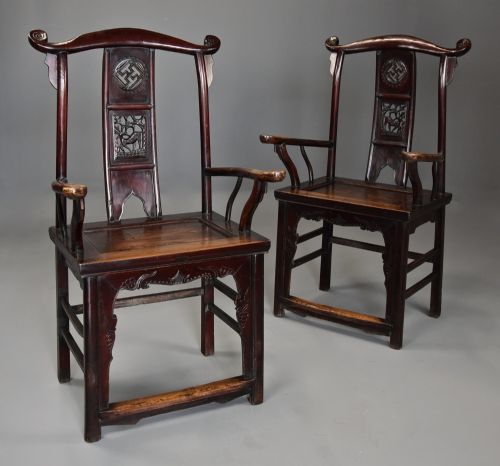
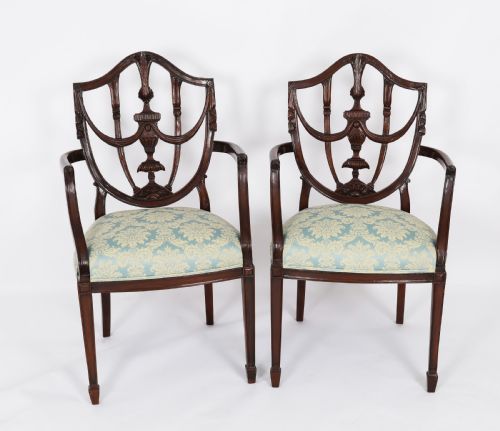
Most selections originate from the nineteenth and early twentieth centuries, offering paired seating with distinct regional characteristics from English, French, Italian, American, and Chinese workshops. Whether dealing with spindle backs, shield backs, or yokeback forms, these pairs provide uniform seating arrangements designed for functional use or decorative display.
Construction and Materials
Makers utilised solid timbers including mahogany, oak, and elm, shaping structural frames through traditional joinery techniques and hand carving. Bending methods also appear, notably in bentwood production utilising heat to form curved components.
Surface treatments range from natural wood patinas and polished finishes to applied red lacquer, ebonisation, and gilding. Upholstery integration involves fabric and leather inserts, while other examples incorporate woven cane panels within the seat structures.
Spider web back designs allow adventurous spiders to inspect their own woodwork.
Quality and Distinction
The refinement of hand carving and the integrity of the timber frame distinguish superior examples from standard production. Richness of natural patina and the preservation of original finishes, such as early lacquer or polish, elevate individual pieces.
Cohesion between the two chairs defines a successful pair, ensuring matching proportions, timber grain, and decorative details align accurately. The complexity of stylistic execution, from intricate spider web backs to substantial scroll arms, further sets apart finer examples.
Thonet
The Wooden Side Armchairs Pair Glossary
- Yokeback armchair
- A traditional Chinese chair design featuring a top rail that curves outward resembling a yoke. These pieces often utilise elm or dense Asian hardwoods.
- Windsor chair
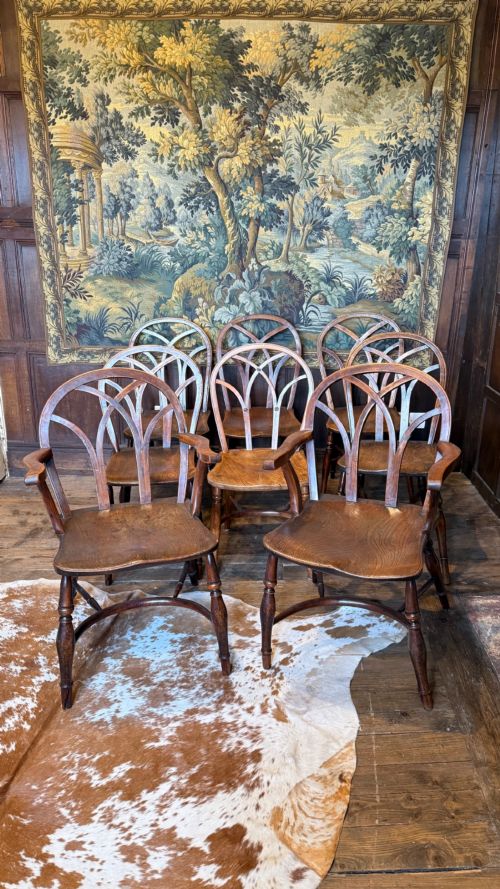
- A chair built with a solid wooden seat into which the legs and back spindles are dowelled directly. Nineteenth century examples frequently display robust regional turning.
- Corner chair
- A seating form designed to fit into the corner of a room, featuring a diagonal seat and a continuous curved back rail supported on posts. Edwardian and Victorian versions often utilise mahogany or oak.
- Ebonised
- Wood treated with a dark finish to imitate expensive ebony. This technique appears on Regency style furniture alongside applied gilding.
- Spindle back
- A chair back constructed from vertical turned wooden rods. This method provides lightweight structural support in various nineteenth century seating forms.
Wooden Side Armchairs Pair: Frequently Asked Questions
What rooms suit a wooden side armchairs pair?
These matched chairs fit naturally into reception rooms, libraries, and studies where twin seating creates symmetry. They function effectively as fireside companions or paired accents in a hallway.
Smaller occasional versions adapt easily to bedrooms or salons, while dining and desk variants serve utilitarian roles around shared tables.
Are these chairs suitable for daily use?
Solid wood construction in hardwoods like oak, mahogany, and elm provides durable structural integrity for everyday seating. Checking the stability of joints ensures long-term reliability.
Original upholstered elements or cane panels may require gentle treatment or conservation depending on their age and condition.
What defines a matched pair versus a true pair?
A true pair originates from the same workshop at the same time, sharing identical dimensions, timber selection, and carving details. Matched pairs are assembled later based on similar style, period, and proportions.
Both types offer balanced visual harmony when placed together in a room setting.