

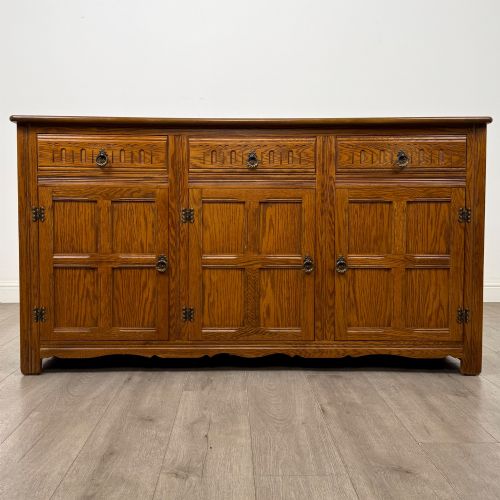
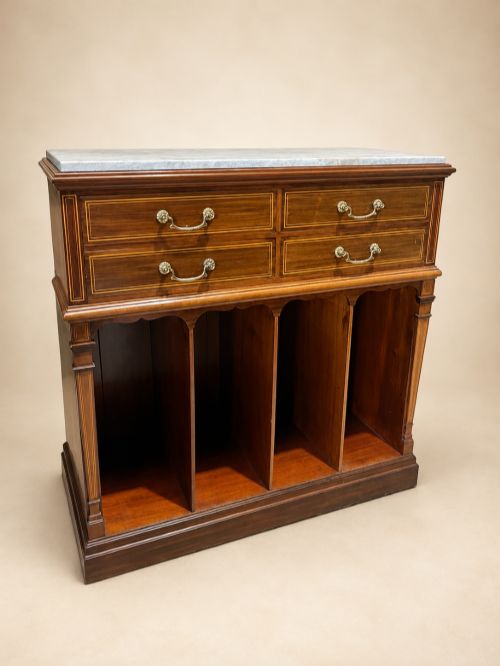
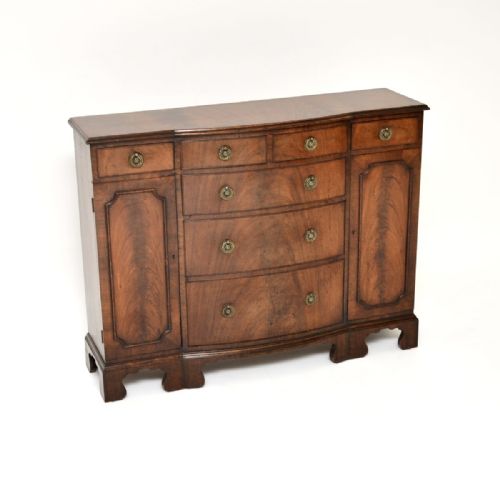
Wooden Server Cabinet
A wooden server cabinet brings formal storage and display into a dining space, holding service ware with dignity.
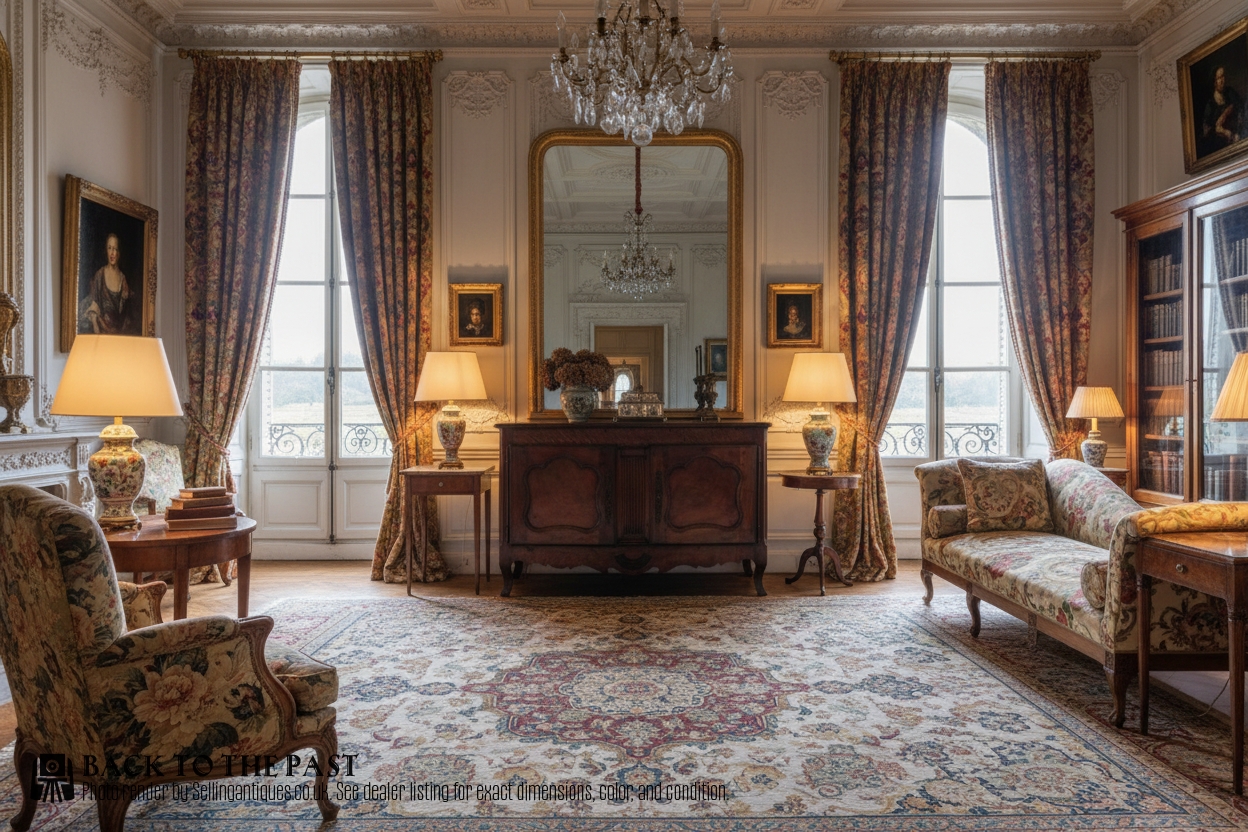
Wooden Server Cabinet
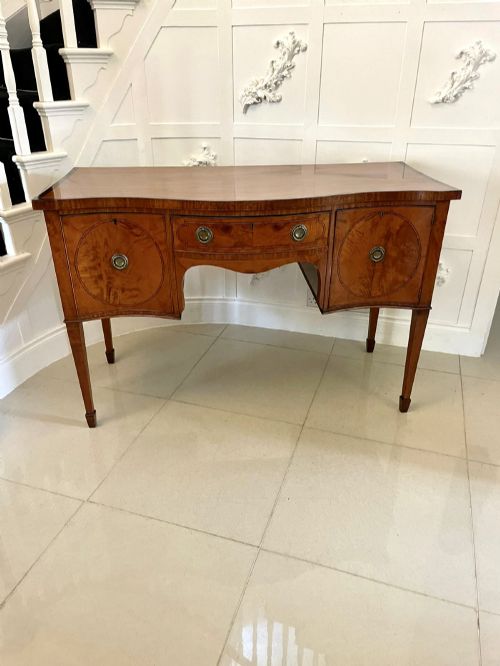
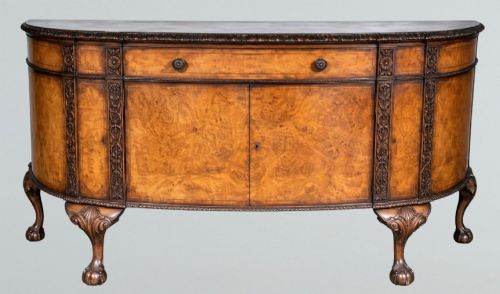
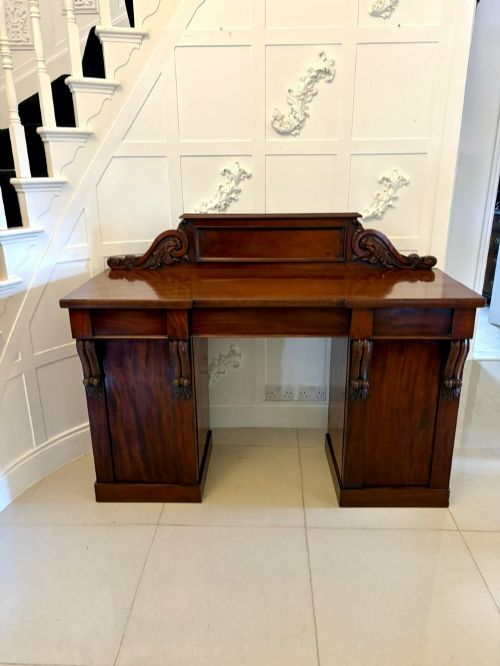
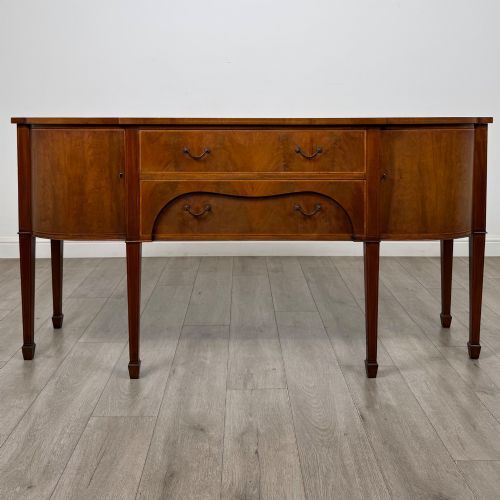
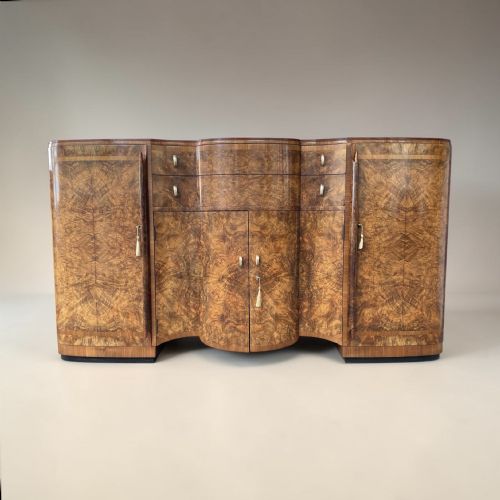
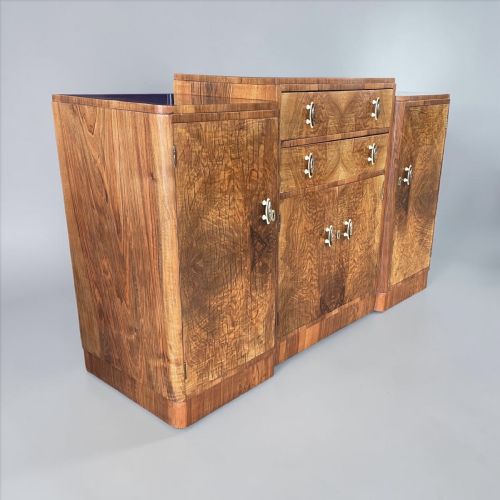
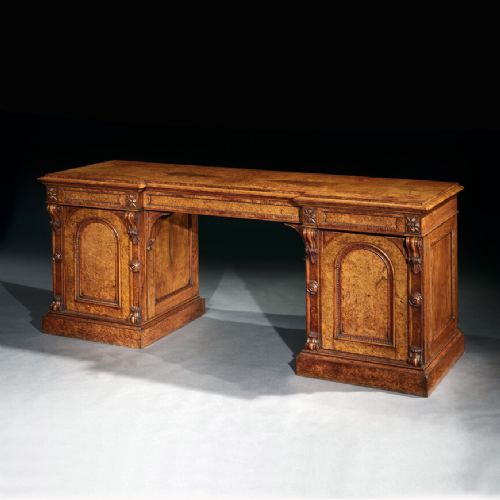
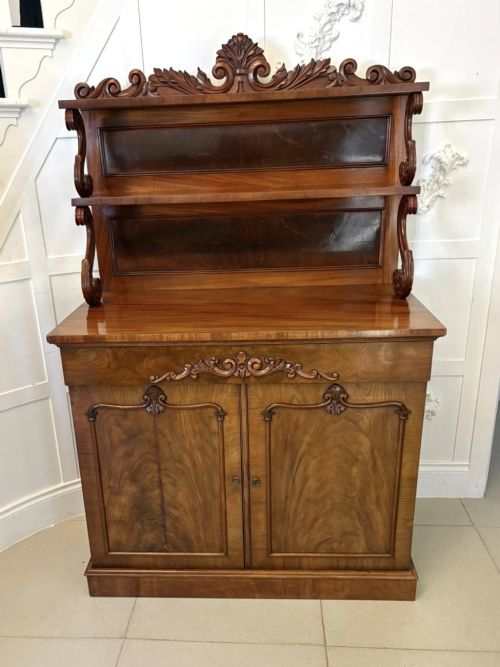
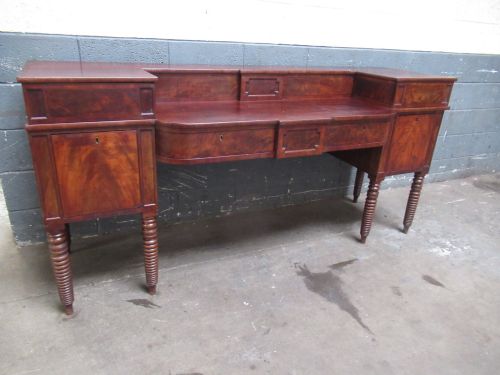
When you search for a wooden server cabinet, you encounter heavy sideboards, chiffoniers, buffets, and cupboards spanning from the eighteenth century through the Victorian and Edwardian eras to the Art Deco period. These pieces originate in diverse formats, from Georgian bow fronts to large nineteenth-century mahogany sideboards and walnut credenzas.
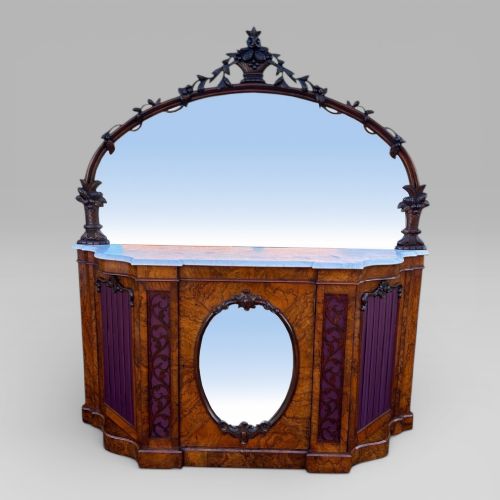
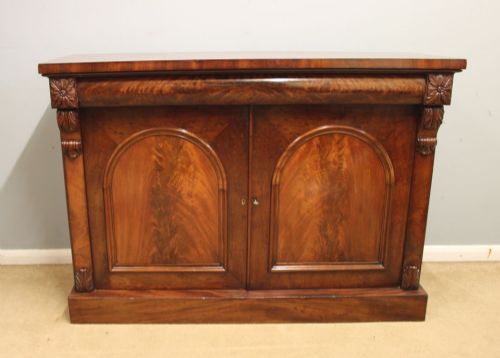
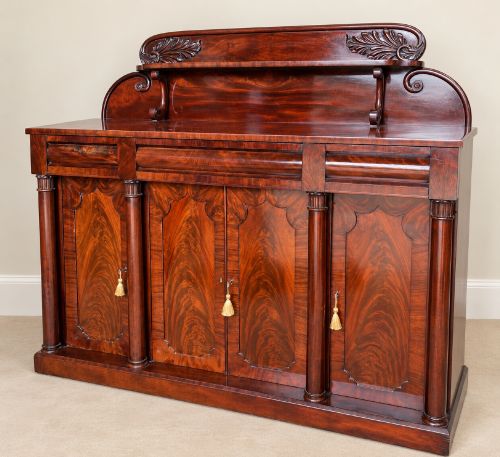
The version you are most likely to meet on this page is a Victorian or nineteenth-century mahogany sideboard, often featuring figured timbers, bow fronts, or carved mirror backs. Oak and satinwood examples also appear frequently, alongside twentieth-century cupboards and Art Deco designs.
Materials and technique
Cabinet makers utilised dense hardwoods such as mahogany, oak, burr walnut, and satinwood, frequently applying flame mahogany veneer or pollard oak to create striking surface patterns. Brass hardware, glass panels, and marble tops also appear across various pieces.
Construction techniques include careful cabinet making, decorative carving, inlay work, and curved serpentine or bow front shaping, resulting in robust storage furniture built to hold heavy service items.
Wooden Server Cabinet Retail Price Guide 2026
Typical asking prices for wooden server cabinet among the pieces listed under this phrase on Sellingantiques today, from the lower quarter to the upper quarter. They describe what is for sale here now, not the wider market.
Some nineteenth-century sideboards incorporate dedicated dog kennel compartments beneath the central drawers.
Judging quality
Quality rests upon the choice of timber and the execution of surface figuring, where highly figured mahogany, burr walnut, or pollard oak elevate a piece significantly above plain construction. The crispness of carved details, quality of brass fittings, and precision of inlaid work distinguish superior examples.
Structural integrity and proportion also separate standard utilitarian items from exceptional commissions. Refined design, such as balanced serpentine or bow front proportions and integrated mirror backs, indicates higher workshop standards.
Maurice Adams·Edward Barnsley·Gomme
The Wooden Server Cabinet Glossary
- Bow front
- A convex curved cabinet front that projects outward in an arc, popular in Georgian and Victorian pieces.
- Chiffonier
- A low sideboard or cabinet, frequently featuring a raised shelf or mirror back, common in the Victorian period.
- Serpentine
- A cabinet front featuring a gently undulating line with a convex centre flanked by concave curves.
- Credenza
- A sideboard or buffet cabinet, often standing low to the ground and occasionally fitted with marble tops or glass doors.
- Inlay
- A decorative technique where contrasting pieces of wood or other materials are inserted into the primary surface to create patterns.
Wooden Server Cabinet: Frequently Asked Questions
What is a wooden server cabinet used for?
These cabinets serve primarily in dining rooms to store cutlery, linen, and serving dishes while providing a surface for food and drink presentation during meals.
Over time, their roles expanded into general living space storage and display, accommodating glassware and decorative items.
How do I identify a Georgian sideboard?
Georgian pieces display restraint, classical proportions, and fine mahogany timbers, often featuring straight or bow front designs with delicate inlay work.
They rely on subtle craftsmanship rather than heavy Victorian carving or mirrored superstructure.
Are Art Deco server cabinets different?
Art Deco pieces from the nineteen-thirties adopt streamlined geometric forms, sleek surfaces, and modern woods that contrast sharply with nineteenth-century Revival styles.
They reflect an industrial and modernist shift in interior design.
How should I care for a wood cabinet?
Maintain antique timber surfaces by dusting regularly with a soft cloth and applying appropriate wax polish sparingly to nourish the grain.
Keep pieces away from direct heat sources and strong sunlight to prevent veneer lifting and wood splitting.