






Wooden Saint Figure
A wooden saint figure brings centuries of devotion into a room, carved by hands that understood grain and posture.
Wooden Saint Figure
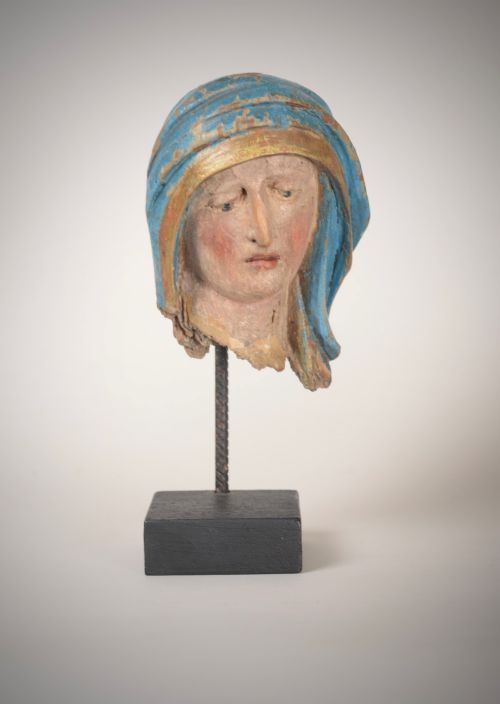
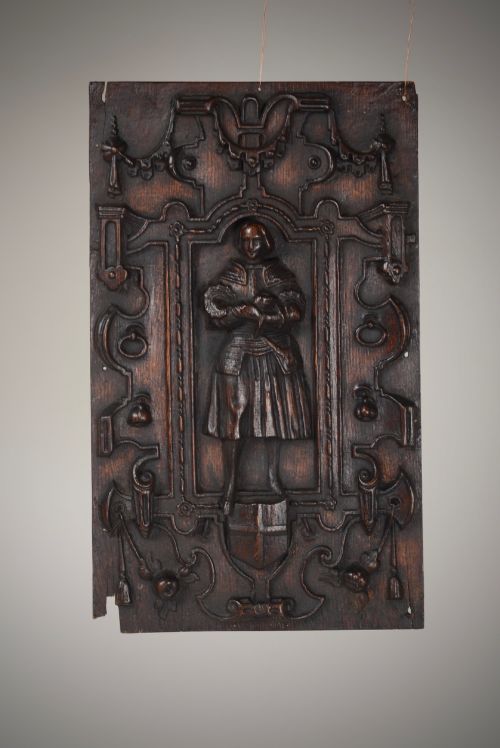
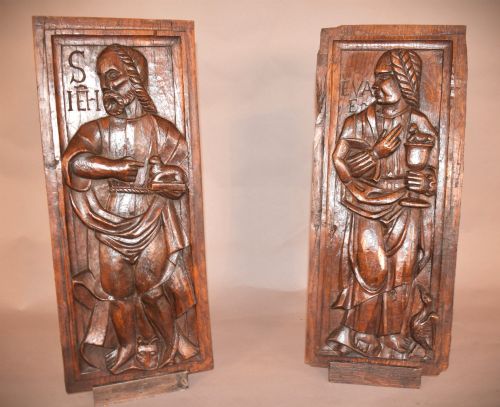
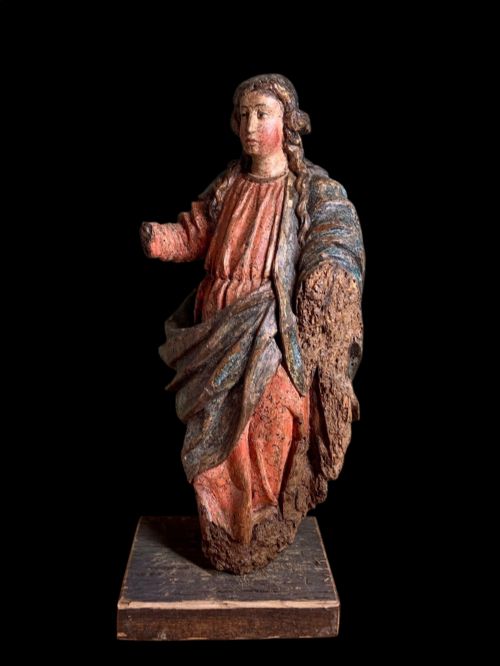
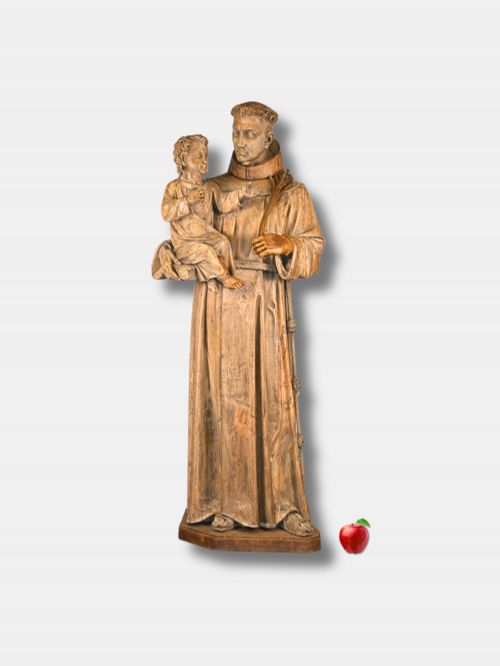
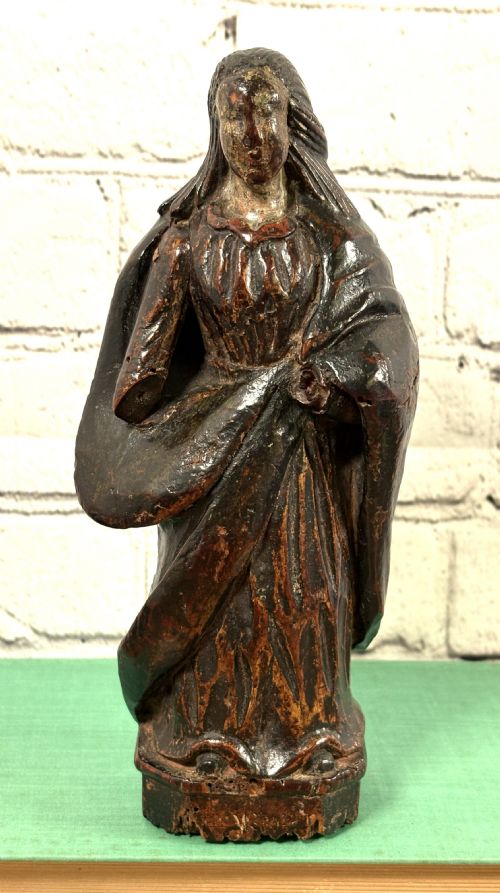
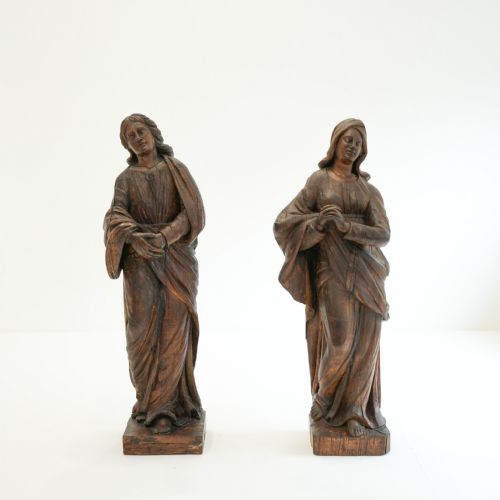
A wooden saint figure represents holy figures, bishops, and biblical characters carved for domestic and church devotion across centuries. When searching for a wooden saint figure, you encounter works spanning from pre-sixteenth century Gothic carvings through Baroque and nineteenth-century revivals. These objects take the form of full-length statues, processional figures, and carved panels depicting specific saints like Saint Anthony, Saint Jerome, and the Virgin Mary.
The materials and origins of these pieces vary widely across European workshops, utilising oak, limewood, and applewood alongside gesso and paint. Many items originate from continental traditions in France, Germany, Italy, Spain, and Flanders, reflecting regional styles from Renaissance realism to Spanish Baroque drama. You will find both life-size church figures and smaller devotional studies intended for private contemplation.
Materials and carving techniques
Surfaces were frequently finished with gesso applied over the bare timber, providing a smooth base for polychrome paint and gold leaf. Over centuries, this layered finish develops characteristic craquelure and wear, revealing the warm wood beneath.
Alongside centuries of solemn saints, the collection includes a carved wooden sculpture of a Saint Bernard rescue dog.
Distinctions in quality
The preservation of original polychrome paint and gilding significantly influences the standing of a piece. Traces of historical pigment applied over gesso provide visual depth, though later repainting alters the historical integrity of the surface.
Franz Keller
The Wooden Saint Figure Glossary
- Polychrome
- Painted in several colours. This surface treatment was applied over gesso to give carved wooden figures lifelike vibrancy.
- Gesso
- A plaster mix used as a base. It was applied to wood to smooth the surface before gilding or painting.
- Capipote
- A Spanish devotional figure. These statues often featured articulated wooden frames dressed in real fabric vestments.
- Limewood
- A pale timber favoured by carvers. It allowed for intricate undercutting and fine detail without splintering.
- Giltwood
- Wood coated with gold leaf. This finish caught candlelight in ecclesiastical settings to create a radiant effect.
Wooden Saint Figure: Frequently Asked Questions
How old are these wooden figures?
The pieces span from pre-sixteenth century medieval carvings up to nineteenth-century revival works and twentieth-century sculptures. Dating relies upon the tool marks, timber species, and stylistic traits of the period.
Earlier examples often display Gothic or Renaissance characteristics, while later nineteenth-century pieces frequently emulate these historical forms with distinct technical differences.
Where were these figures originally placed?
Most of these statues stood in churches, private chapels, and monastic foundations as objects of veneration and focal points for prayer. Some larger examples served as processional figures carried through streets during religious festivals.
Smaller carvings were also created for domestic household shrines, allowing families to practice daily devotion outside the parish church.
How do I identify the specific saint?
Saints are typically identified by their traditional attributes, such as an eagle for Saint John, books for scholars, or specific vestments denoting a bishop. Figures like Saint Anthony of Padua or Joan of Arc often carry objects connected to their hagiography.
Inscriptions or fragments can also provide clues, though many anonymous figures survive without explicit markers.
Should I clean the painted wood surface?
Original polychrome and gilt surfaces should be kept free of dust using a soft, dry brush without applying water or chemical cleaners. Moisture can lift fragile gesso and destabilise old paint layers.
Professional conservators should handle any deeper cleaning to preserve the historical patina and remaining pigment.