


Wooden Rush Seat Chairs
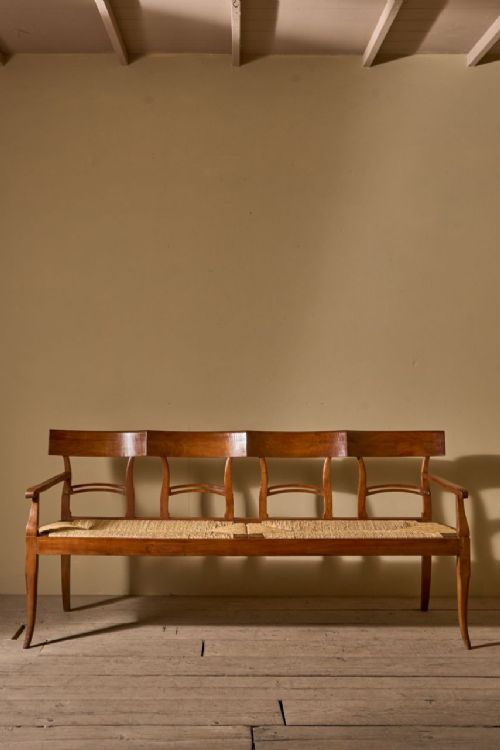
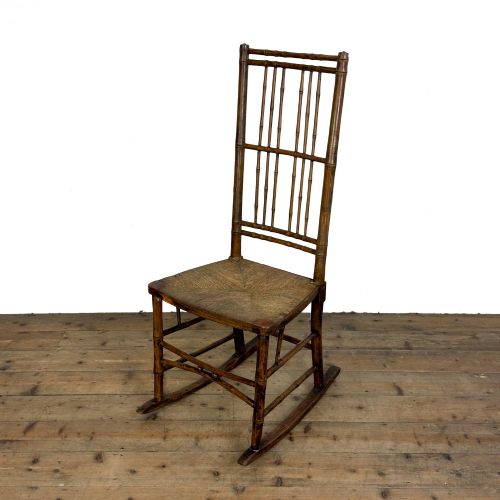
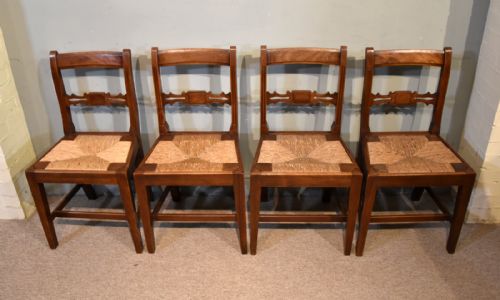
These wooden rush seat chairs span country vernacular traditions and Arts and Crafts designs, offering robust seating built from honest local timbers.
Wooden Rush Seat Chairs
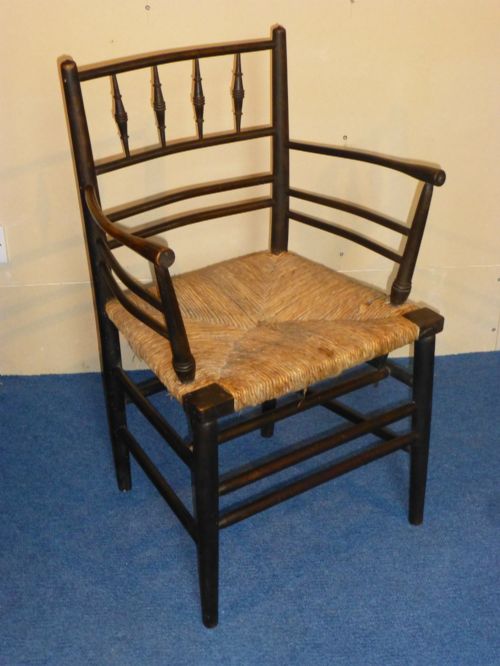
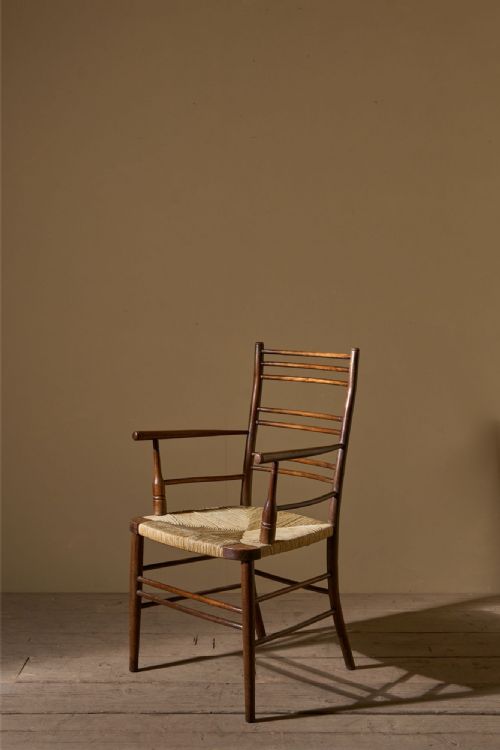
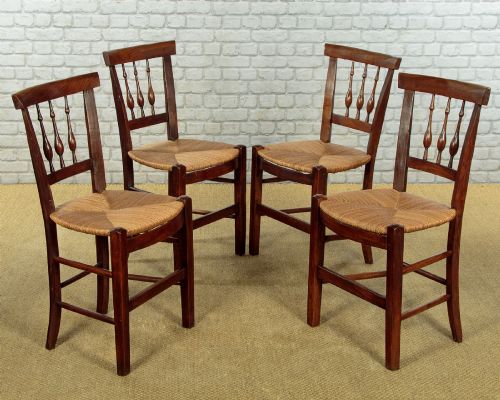
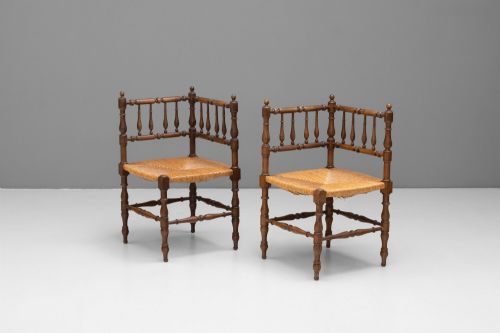
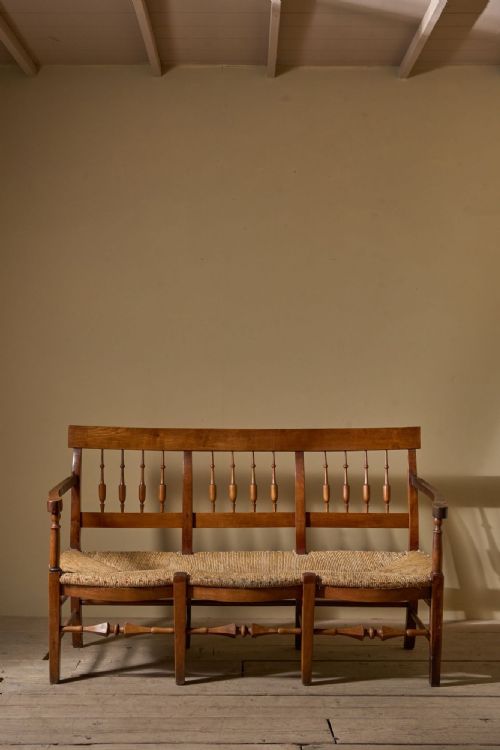
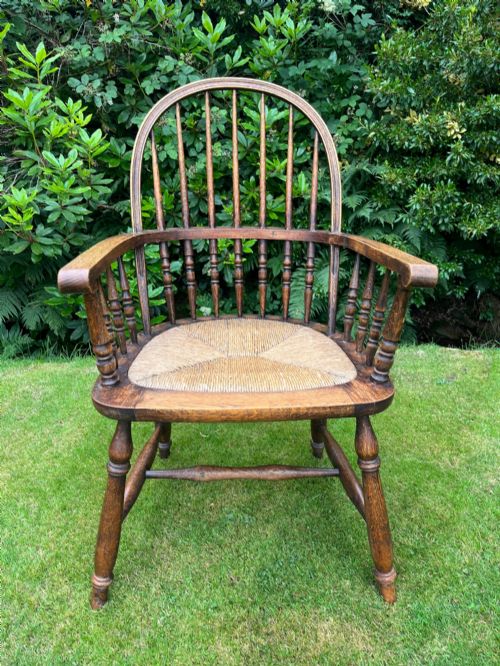
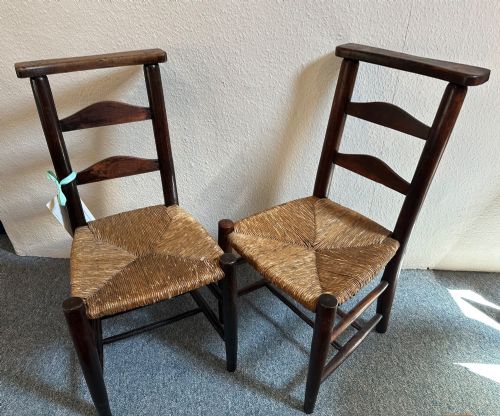
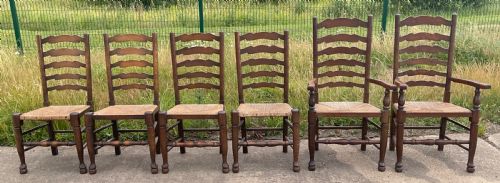
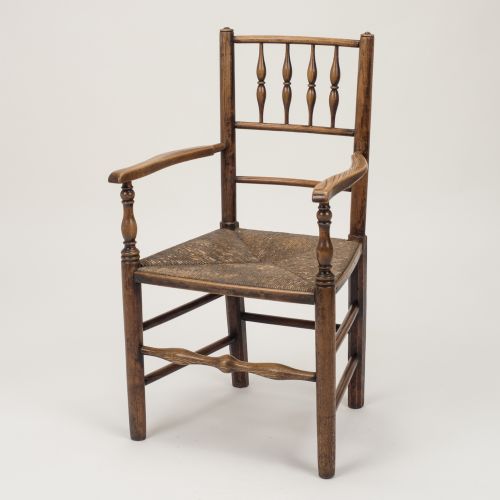
Wooden rush seat chairs encompass a diverse range of vernacular forms, from nineteenth-century country dining chairs to Arts and Crafts armchairs. Buyers searching this phrase typically encounter robust ladderbacks, spindlebacks, and low armchairs originating from English, French, and Dutch rural traditions.
Dated examples stretch from the eighteenth century through the Victorian era and into the early twentieth century. Pieces span everyday domestic seating to institutional commissions, including seating produced for St Paul's Cathedral.
Materials and Construction
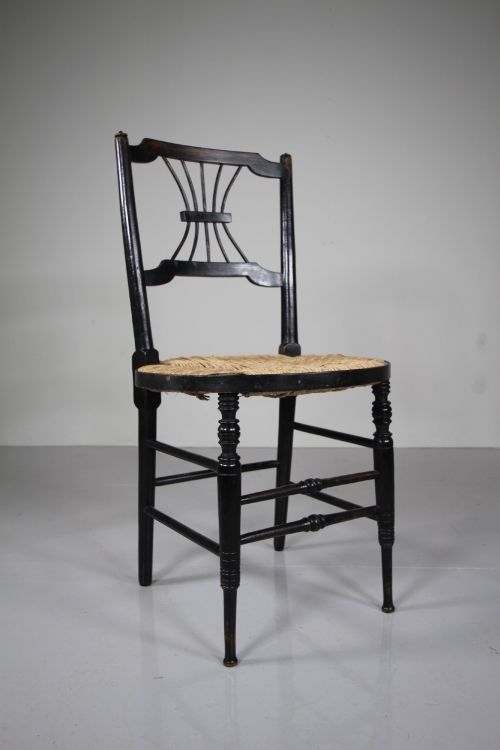
Makers utilised native hardwoods such as ash, elm, beech, oak, fruitwood, and walnut for the frames, often combining timbers within a single piece. Ebonised wood and teak also appear in specific aesthetic movement and Anglo-Indian variants.
Seats are tightly woven from natural rush, providing a resilient and flexible surface supported by traditional timber framing. Joinery relies on turned spindles, ladder backs, and pegged joints characteristic of country workshop production.
Period examples span the eighteenth century, the Victorian era, and early twentieth-century Arts and Crafts revivals.
Judging Quality and Character
Quality rests in the integrity of the timber framing and the tightness of the original or period rush weaving. Well-turned spindles and balanced proportions distinguish accomplished regional vernacular work from utilitarian output.
Design attribution elevates certain pieces, particularly marked items or those associated with specific Arts and Crafts workshops. Uniformity across larger sets of dining chairs also influences the standing of a group.
William Morris·Philip Webb·Philip Clissett·E W Godwin
The Wooden Rush Seat Chairs Glossary
- Rush
- Dried marsh grass woven into cord for seat pads. It provides a durable, flexible surface that responds well to traditional seating methods.
- Ladderback
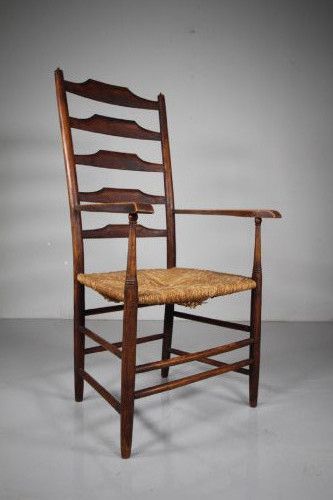
- A chair back featuring horizontal slats resembling a ladder. This form is common in English and continental country vernacular seating.
- Spindleback
- A chair back constructed with numerous thin turned wooden rods. These uprights provide light yet strong support.
- Vernacular
- Everyday objects made by regional artisans using local materials and traditional methods. These pieces reflect local customs rather than high-style academic design.
- Ebonised
- Timber treated with a finish to imitate ebony. This dark surface treatment is frequently encountered on nineteenth-century aesthetic movement furniture.
Wooden Rush Seat Chairs: Frequently Asked Questions
How do I care for a rush seat?
Keep rush seats in stable humidity away from direct heat sources to prevent the natural fibres from becoming brittle.
Clean gently with a dry brush and avoid excess moisture when dusting the wooden frame.
Are these chairs suitable for daily dining?
Many of these chairs were originally built for daily domestic use and remain sturdy enough for regular dining.
Check that the frame joints and rush weave remain secure before putting them into heavy daily service.
How can I tell a regional English chair style?
Regional styles often display distinct turning patterns on the posts and specific arrangements of the back rails, such as wavy ladders in Cheshire or Dales designs.
Local timber choices, including native fruitwood or ash, also point to the geographic origin of the workshop.
What is the difference between country vernacular and Arts and Crafts chairs?
Country vernacular pieces were made by traditional regional chair bodgers and local joiners for everyday rural use.
Arts and Crafts chairs, while inspired by these simple forms, were often designed by specific architects and artists to champion honest craftsmanship.