
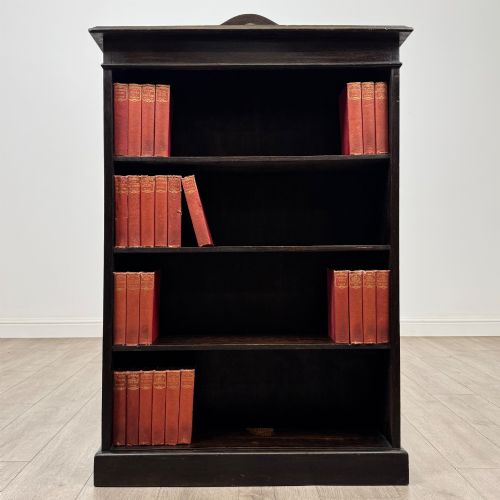
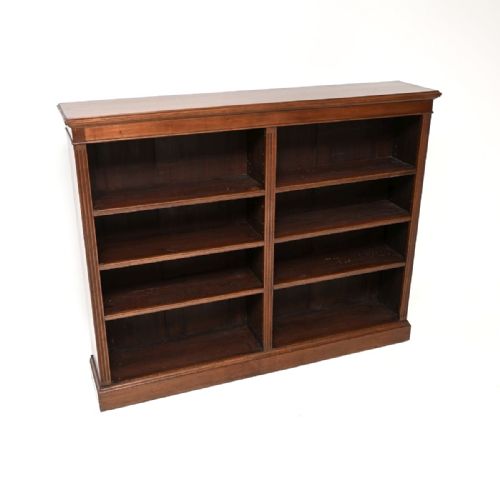
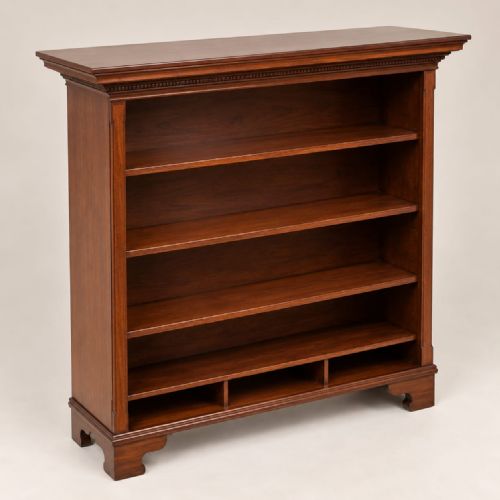
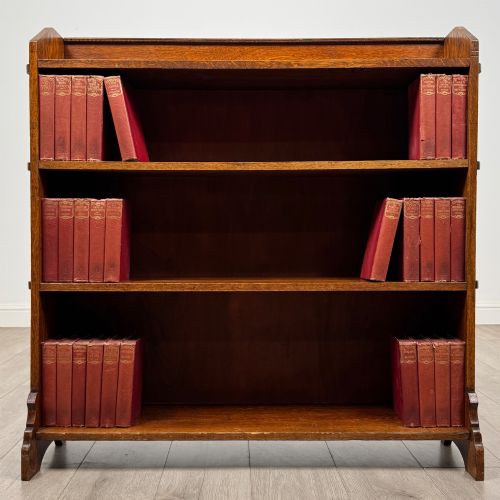
Wooden Open Library Shelves
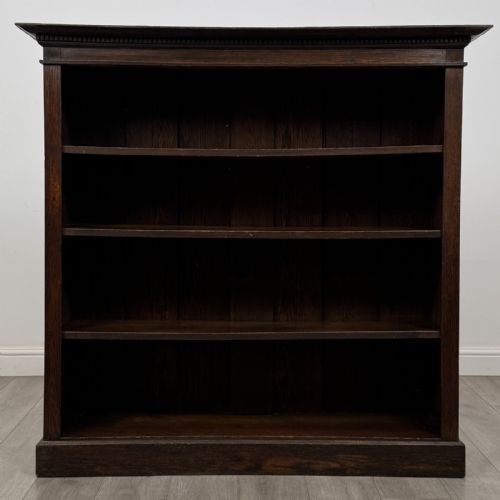
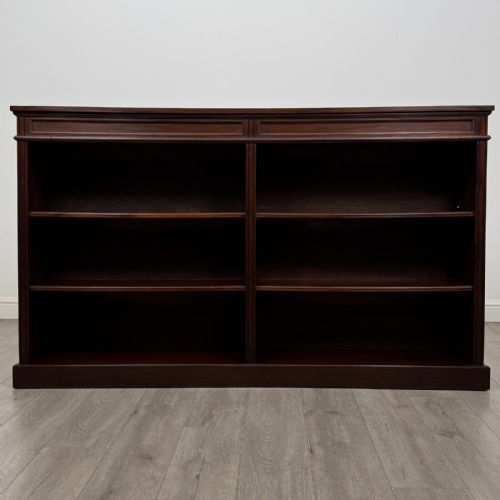
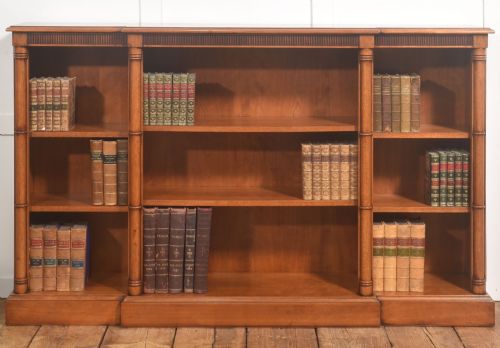
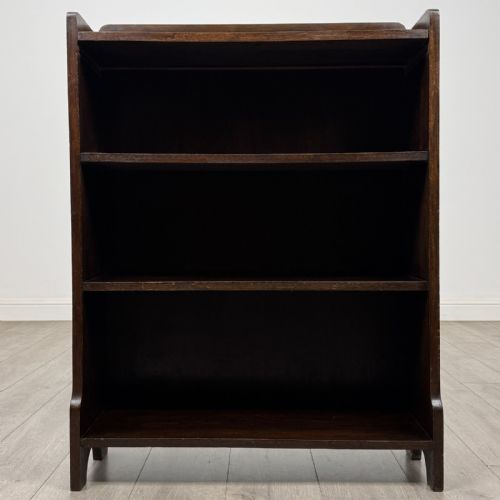
Wooden open library shelves bring warmth and accessible storage to a room, offering sturdy housing for collections of books.
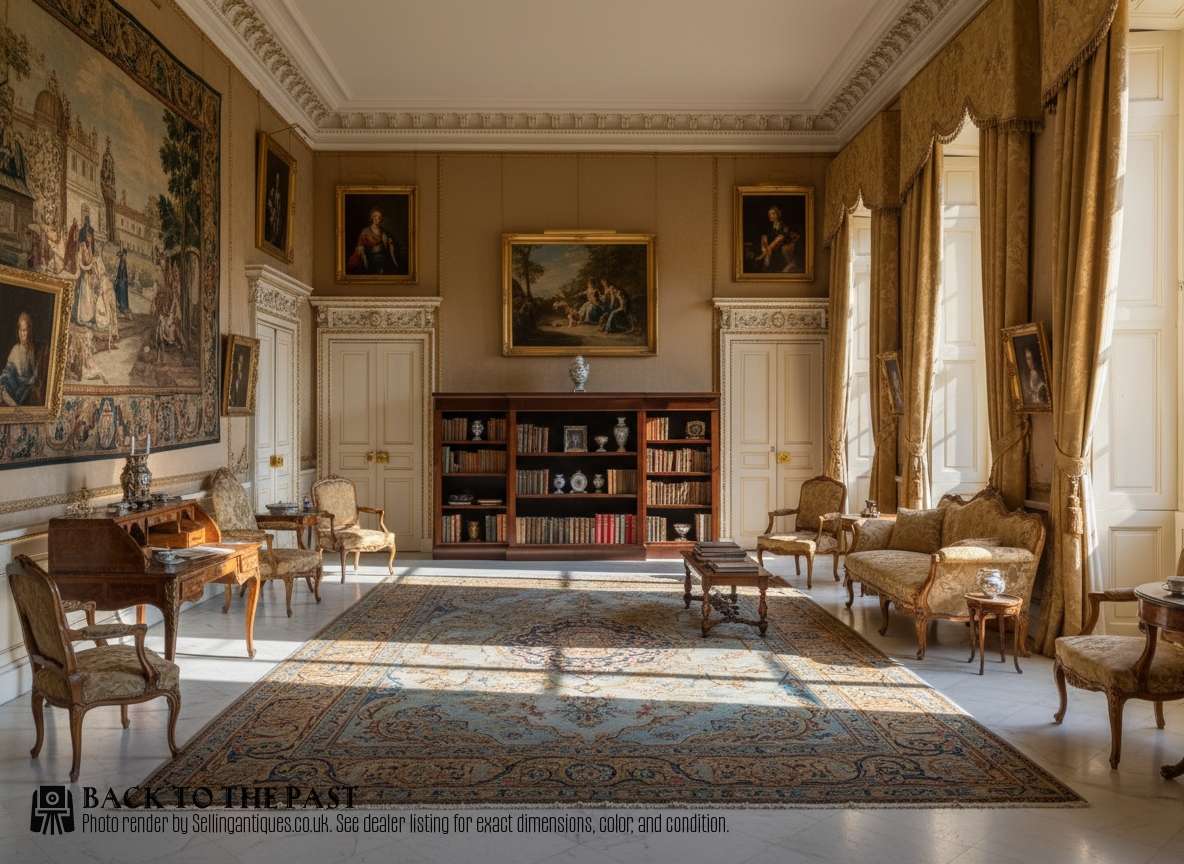
Wooden Open Library Shelves
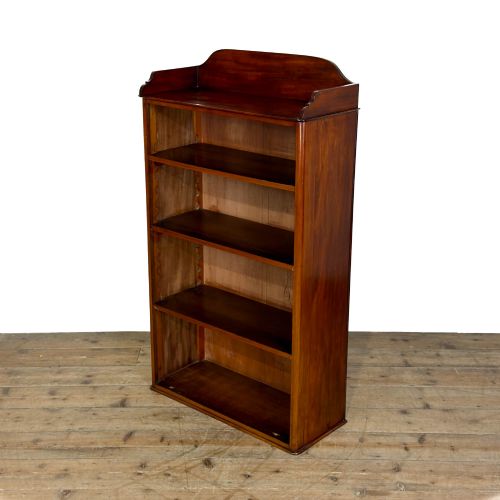
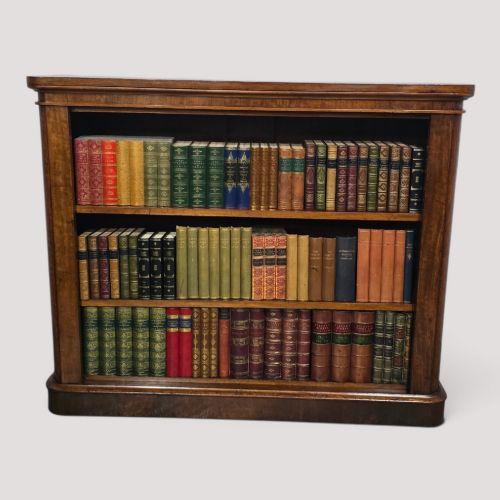
Wooden open library shelves are utilitarian yet handsome bookcases designed for the practical storage and display of books without glass doors. When you search for wooden open library shelves, you encounter pieces originating from the Regency period through the Edwardian era, spanning the nineteenth and early twentieth centuries.
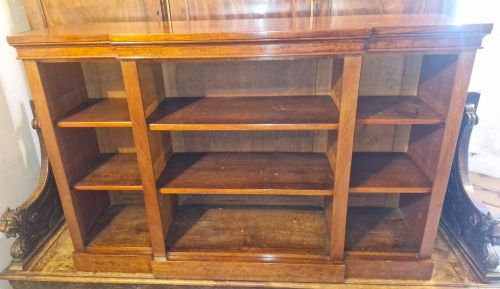
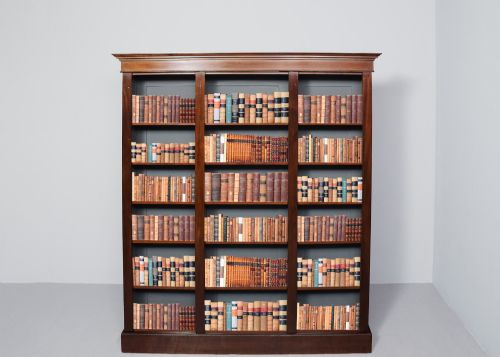
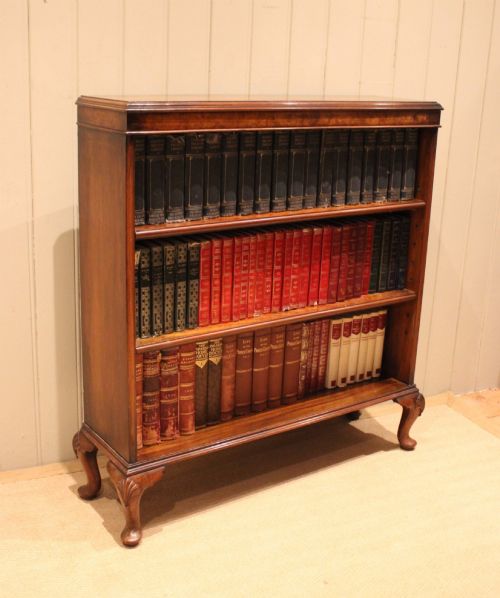
The most common formats on this page are upright mahogany and oak bookcases, frequently featuring adjustable shelves to accommodate volumes of varying heights. These items range from neat, slim proportions suitable for smaller rooms to large, breakfront library bookcases designed for extensive collections.
Originating across British and Continental workshops, these bookcases draw on styles such as Victorian, Edwardian, and Arts and Crafts. Pieces often utilise sturdy timbers and simple lines, prioritising utility alongside cabinet-making skill.
What varies in quality
Quality in these bookcases rests upon the selection of timber figures and the refinement of the cabinet work. Finely figured burr walnut and rich mahogany veneers elevate a piece above standard utility furniture made from plain pine or basic oak.
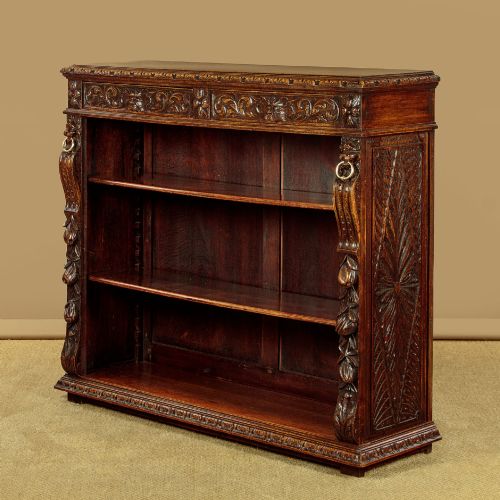
The sophistication of decorative carving and the presence of integrated adjustable shelving mechanisms distinguish superior examples. Pieces bearing maker attributions or incorporating ormolu mounts demonstrate higher workshop execution than simpler vernacular items.
Materials recorded across the inventory include mahogany, walnut, burr walnut, oak, pine, brass, timber, and ormolu.
Johnstone and Jeanes
The Wooden Open Library Shelves Glossary
- Breakfront
- A piece of furniture where the central section projects forward from the flanking outer sections. This architectural arrangement creates depth and visual interest in larger library bookcases.
- Veneer
- A thin layer of finely figured wood applied over a secondary timber base to create a decorative surface. Burr walnut veneer is particularly prized for its complex grain patterns.
- Adjustable shelves
- Shelves resting on movable supports that allow the internal vertical space to be altered. This practical arrangement accommodates books of varying heights.
- Ormolu
- Gilt bronze mounts applied to furniture for decorative enrichment. This technique appears on select nineteenth-century walnut pieces to accent the wood.
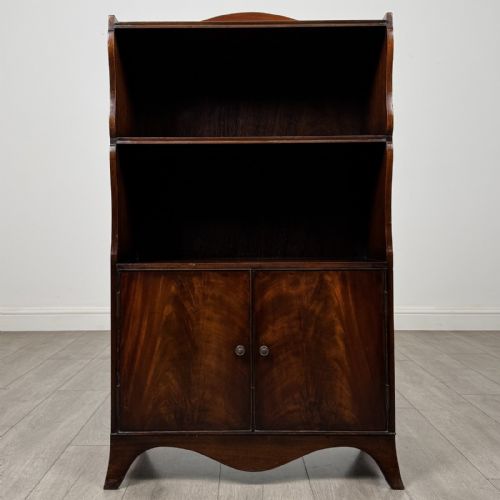
- Waterfall bookcase
- A piece characterised by shelves that step back progressively from bottom to top, creating a cascading profile. This compact form originates in the Regency period.
Wooden Open Library Shelves: Frequently Asked Questions
Are the shelves adjustable?
Many of the bookcases featured here include adjustable shelves, allowing you to reposition them to fit books of different heights. This flexibility was a common feature in nineteenth and twentieth-century library furniture.
Check the individual descriptions to confirm whether a specific piece retains its adjustable shelf mechanism.
What woods were used?
The listings show a prominent use of mahogany, oak, and walnut, alongside burr walnut veneers and pine. Cabinet makers selected these dense timbers for their durability and attractive grain patterns.
Fittings in brass and ormolu frequently accompany these woods on finer nineteenth-century examples.
How do I date a bookcase?
Dating relies on stylistic clues, construction methods, and timber choices spanning the Regency, Victorian, and Edwardian periods. Heavily carved oak often points towards Victorian or Arts and Crafts production, whilst waterfall designs suggest the Regency era.
Details such as adjustable shelf tracks and specific veneer selections help narrow down the decade of manufacture.
How should I style open shelves?
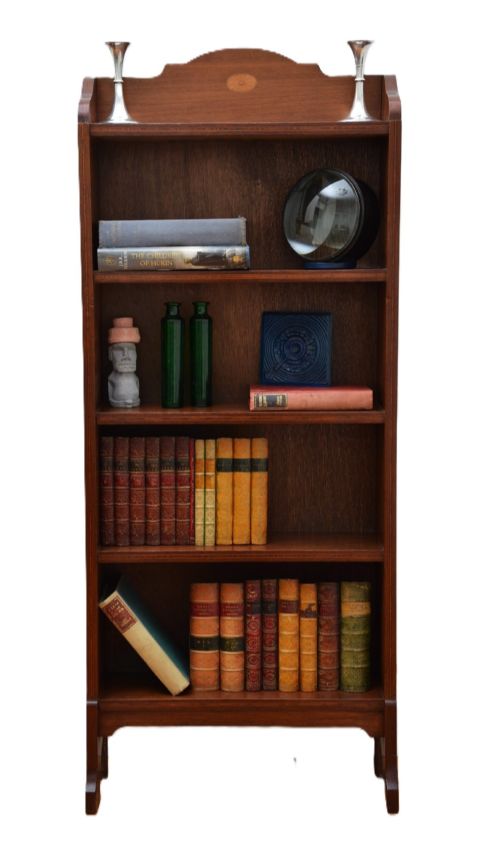
Open library shelves provide an accessible way to display book collections and decorative objects in a study or living room. Their open fronts allow for easy browsing and a warm, lived-in aesthetic.
Ensure the piece is placed away from direct sunlight to protect the timber and book bindings over time.