
Wooden Office Desk Chair
A wooden office desk chair brings solid timber and traditional design to the daily workspace.
Wooden Office Desk Chair
When searching for a wooden office desk chair, buyers encounter sturdy seating built for steady work across multiple periods. The selection on this page consists principally of Victorian and Edwardian examples, alongside pieces dating from the nineteenth century into the early twentieth century.
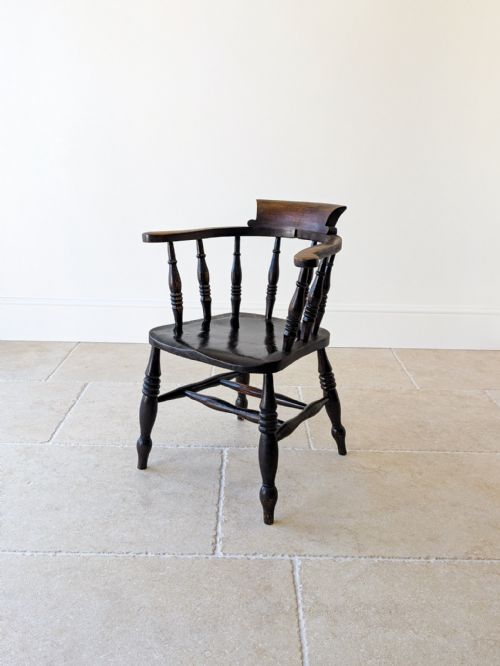
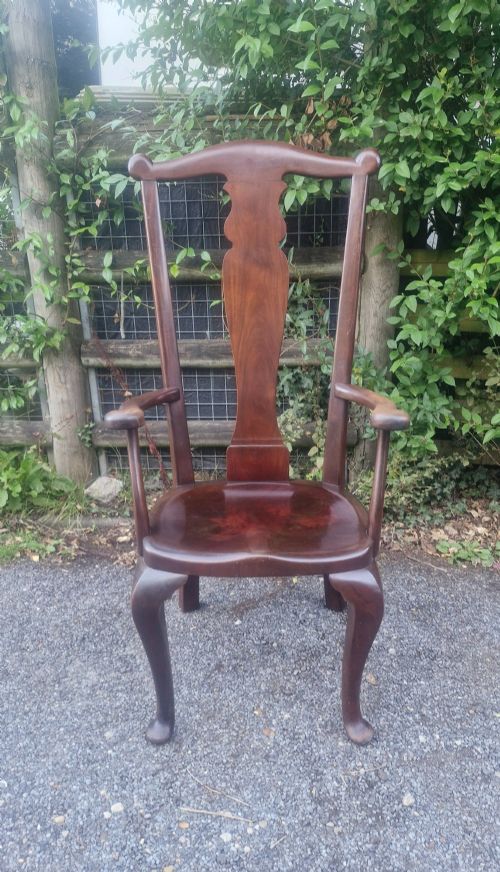
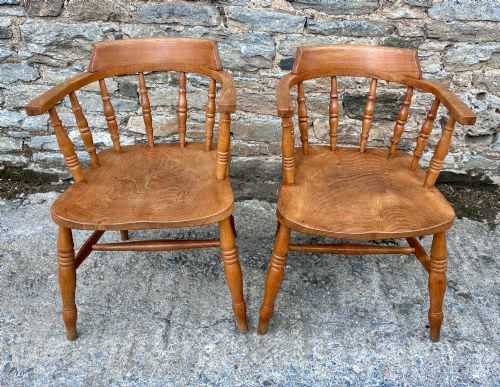
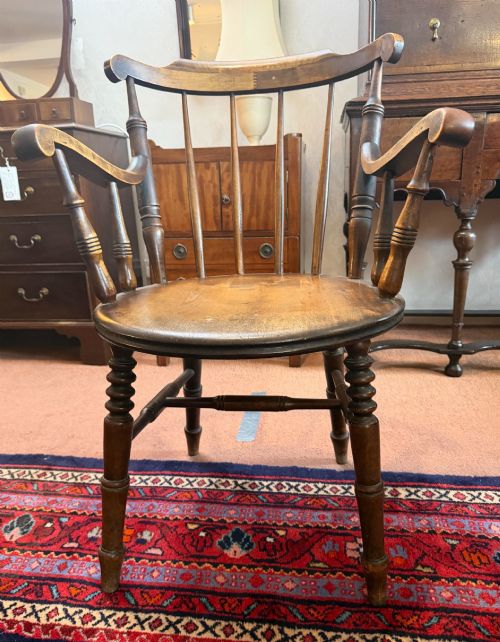
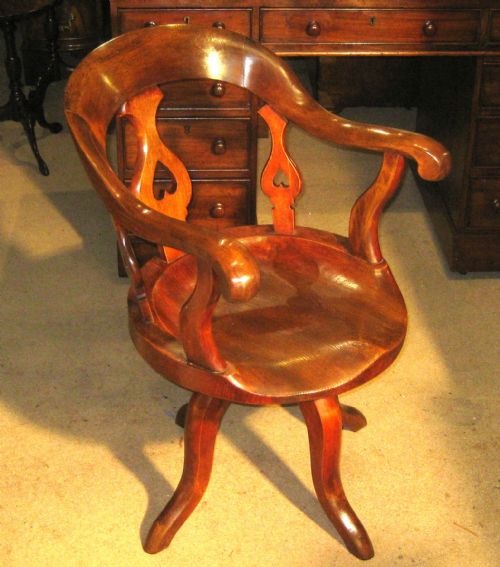
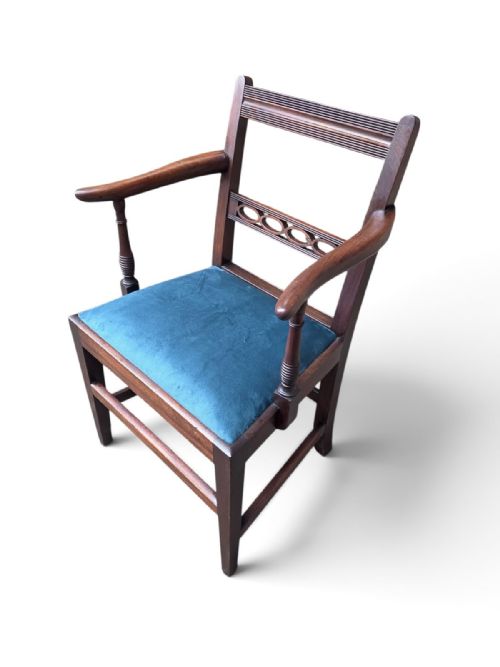
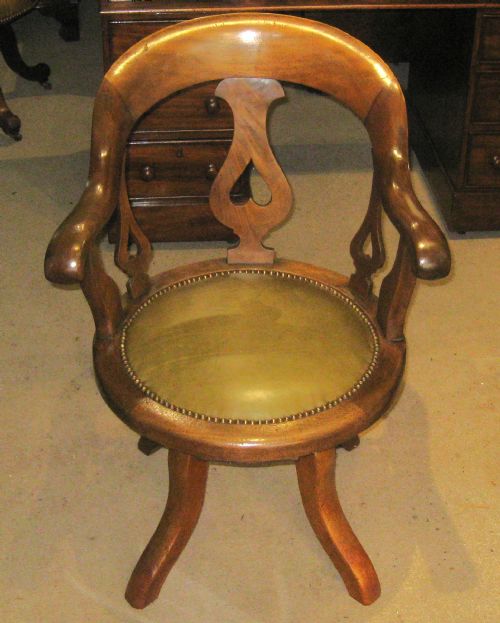
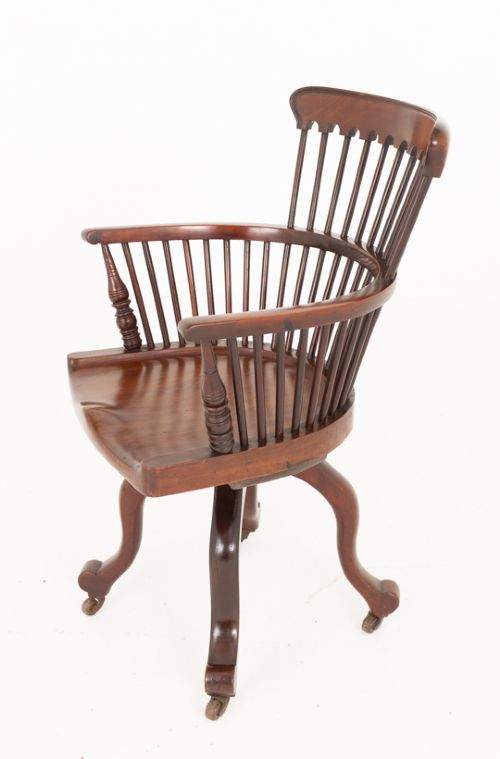
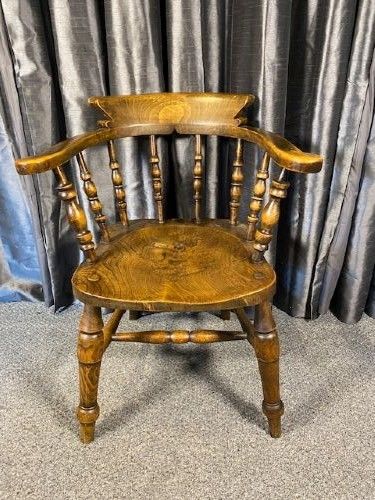
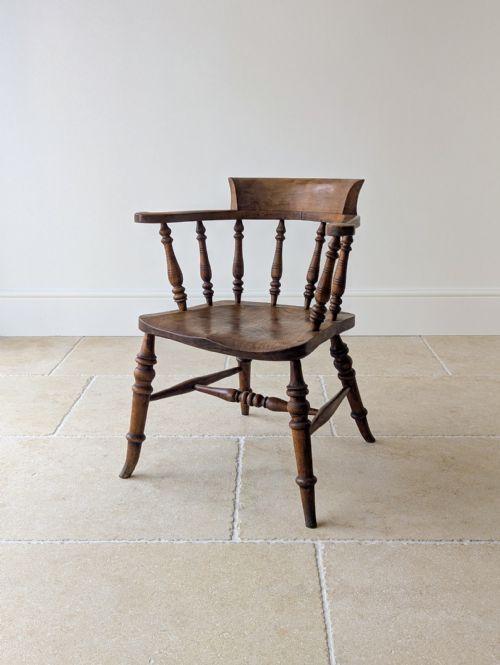
Forms vary from traditional captains chairs and smokers bows to revolving swivel designs, high-back armchairs, and occasional side chairs. Many derive from English provincial or country house traditions, combining functional seating with domestic utility.
The materials reflect standard workshop practice of their eras, frequently pairing native hardwoods with sturdy construction. Buyers find everything from simple elm and ash country types to formal mahogany and walnut pieces suited to studies and offices.
How they were made
Makers utilised solid native timbers such as elm, ash, beech, and oak, alongside imported hardwoods like mahogany and walnut. These woods were chosen for strength and grain, then shaped into sturdy frames, curved arm rails, and turned supports.
Construction relied on traditional joinery, steam-bending for curved components, and secure pegging. Metal mechanisms appeared on later revolving desk chairs, while brass and leather details added functional support.
Listings feature woods like elm, oak, mahogany, beech, ash, walnut, and yew across Victorian, Edwardian, and eighteenth-century periods.
What varies in quality
Quality rests on the selection of timber, the integrity of the frame construction, and the subtlety of the turning or carving. Solid burr elm or finely figured mahogany denotes a superior standard of material.
Engineering of the swivel and tilt mechanisms on revolving chairs separates standard utility seating from finer examples. Proportion, comfort, and the retention of original surface patination determine the standing of each piece.
The Wooden Office Desk Chair Glossary
- Captain's Chair
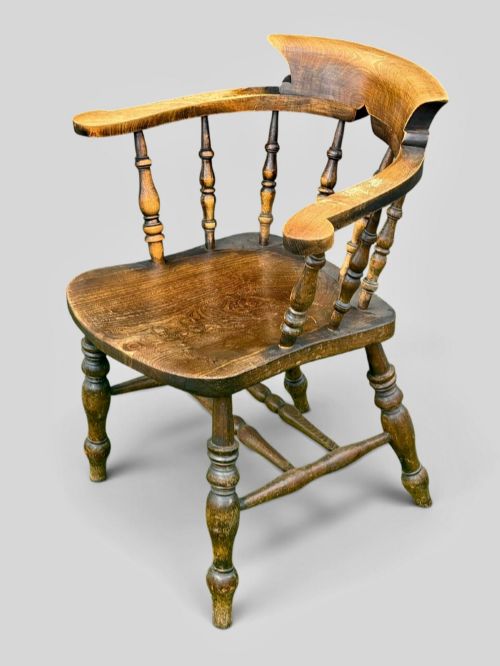
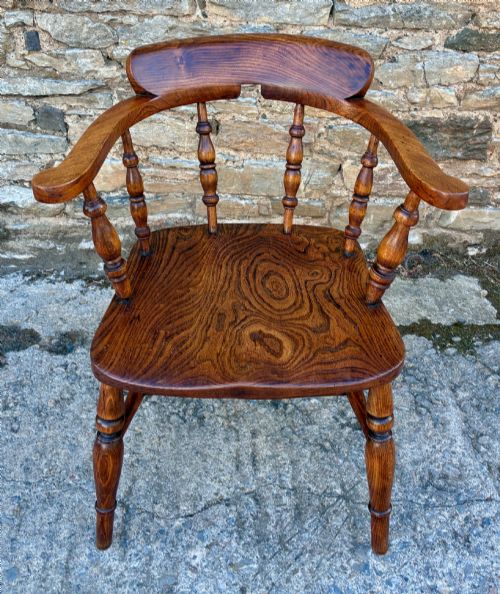
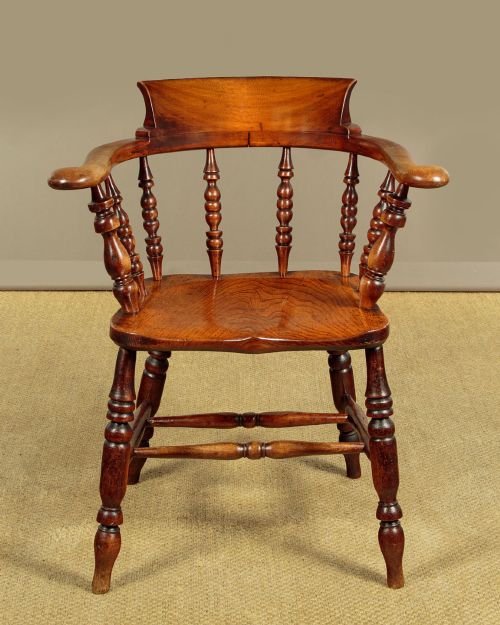
- A sturdy low-backed armchair featuring a rounded wooden rail supported by spindles above a solid seat. These chairs often served in offices, ships, and libraries.
- Revolving Desk Chair
- A swivel chair mounted on a central wooden or iron spindle, sometimes incorporating a tilt mechanism. They appear frequently in late nineteenth and early twentieth century forms.
- Windsor Chair
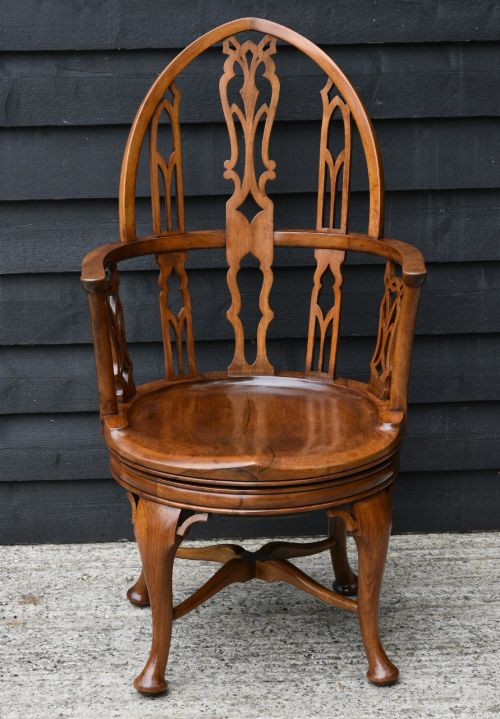
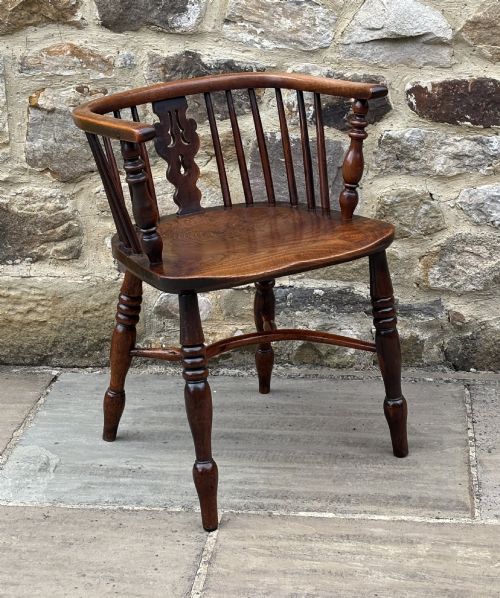
- A chair built with a heavy solid wooden seat into which the legs and back spindles are directly bored and wedged. They utilise various combinations of timbers like elm, ash, and yew.
- Chippendale Style
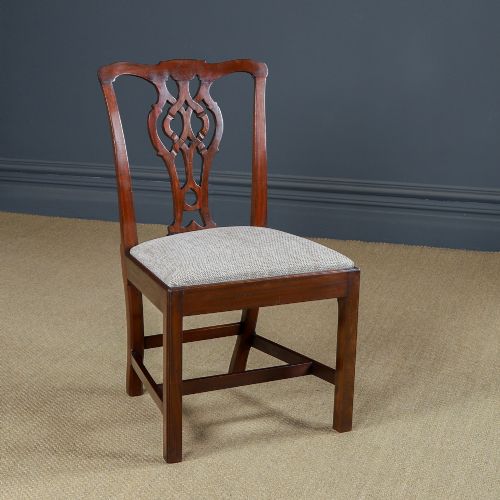
- A design classification drawing upon eighteenth-century cabinet-making patterns, characterised by carved splat backs and polite proportions. Edwardian and Victorian makers frequently revived this aesthetic.
Wooden Office Desk Chair: Frequently Asked Questions
How do I identify a Victorian desk chair?
Victorian desk chairs display characteristic nineteenth-century timber choices such as mahogany, walnut, or combinations of elm and beech. Look for traditional joinery, turned spindles, and structural forms suited to office or library use.
Evidence of age appears in the wear patterns on the wooden seat and the method of construction. Many examples from this period take the form of captains chairs or early revolving swivel seats.
Were these chairs used in offices?
Many of these chairs served administrative and clerical roles in nineteenth and early twentieth century workplaces. Swivel mechanisms and sturdy armrests provided practical support for long hours of writing and administration.
Domestic studies and professional offices alike utilised these robust wooden designs. Their enduring construction ensured survival through generations of daily workspace use.
What is a smokers bow?
A smokers bow is a traditional low-backed wooden armchair featuring a continuous curved arm rail and turned spindles. They share lineage with Windsor chairs and provide a compact, supportive seat.
Country workshops frequently produced these chairs in elm and beech. They remain popular for everyday seating at modern desks.
How should I care for a vintage wooden chair?
Maintain wooden office chairs by keeping them away from direct heat sources and sudden temperature changes. Regular dusting with a dry cloth preserves the polished surface.
Feed dry timber occasionally with an appropriate wax to nourish the grain. Check structural joints periodically to ensure fixings remain secure.