

Wooden Magazine Canterbury
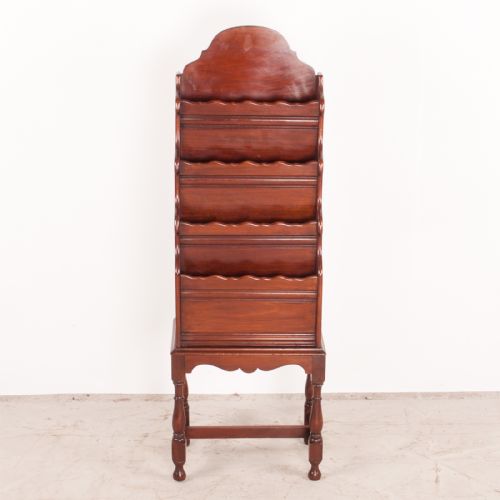
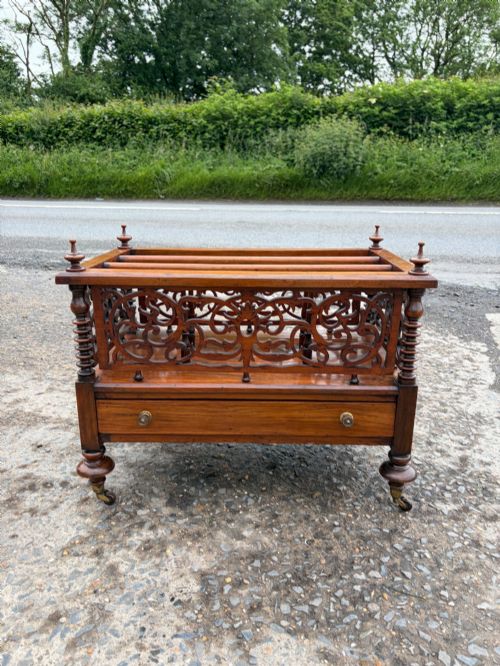
A wooden magazine canterbury is a compartmentalised stand for holding periodicals and music, combining utility with refined period timber work.
Wooden Magazine Canterbury
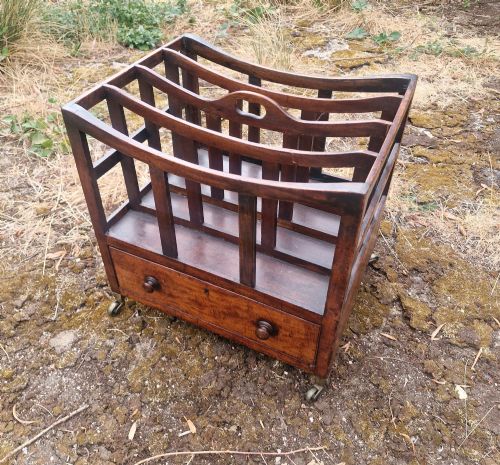
When you search for a wooden magazine canterbury, you are looking at a freestanding piece designed to keep newspapers, periodicals and sheet music close to hand. These stands appear across multiple periods, with Victorian and Regency examples forming the bulk of what you meet on this page.
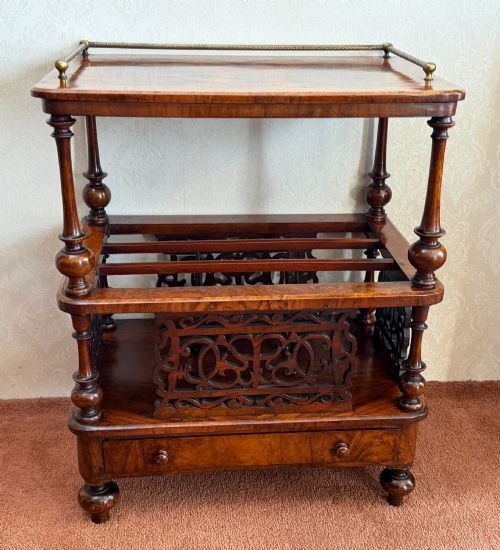
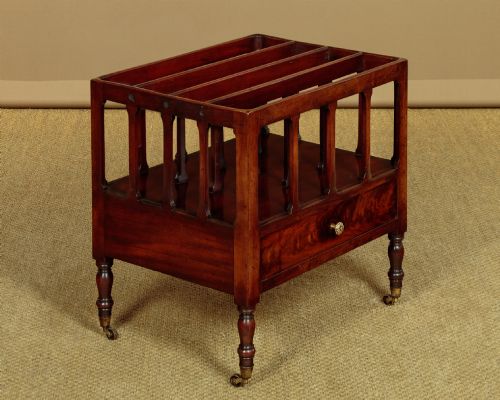
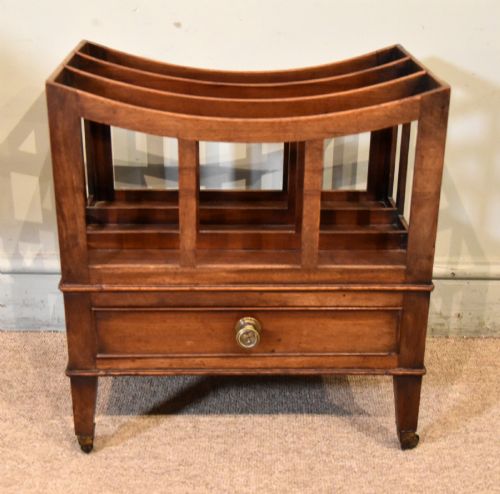
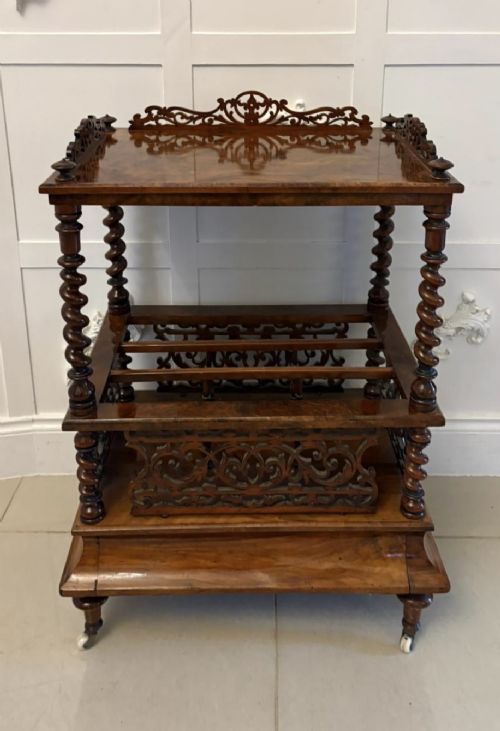
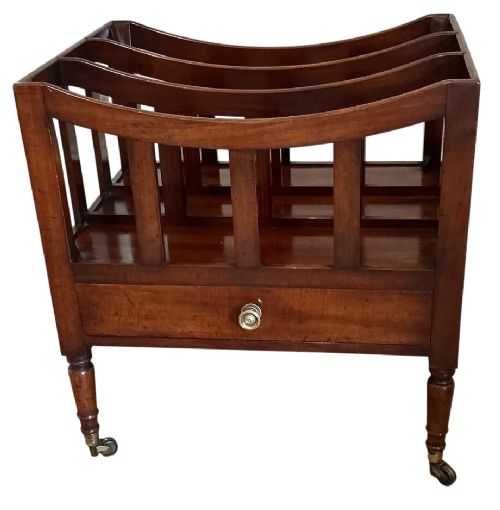
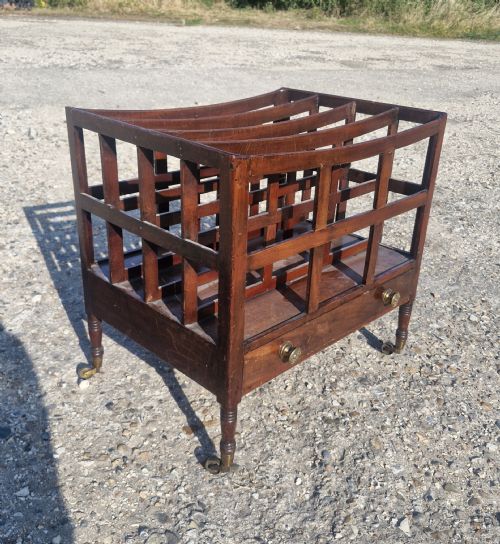
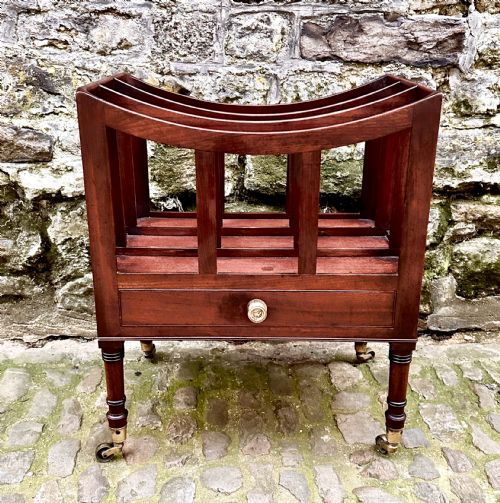
The standard form involves slatted divisions mounted above a low base, frequently incorporating a drawer or lower shelf. Many pieces double as occasional tables, music stands, or combined whatnots and etageres.
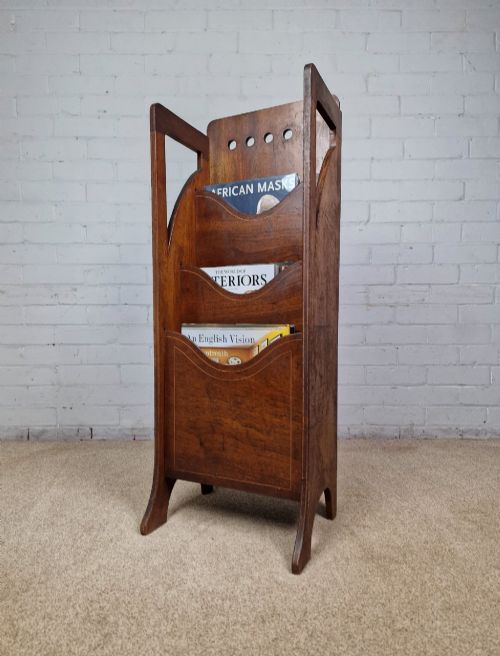
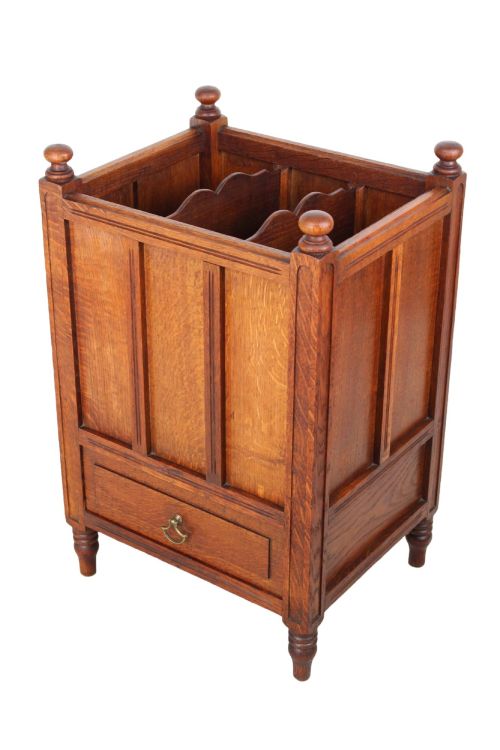
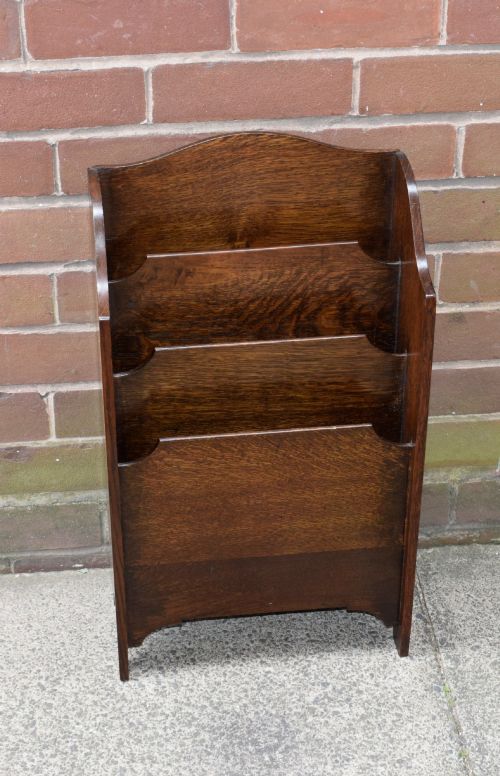
Origins span Georgian, Victorian, Edwardian and later eras, reflecting changing domestic habits in British and continental households. The materials range from rich timbers to simpler oak frames suited to later Arts and Crafts interiors.
How they were made
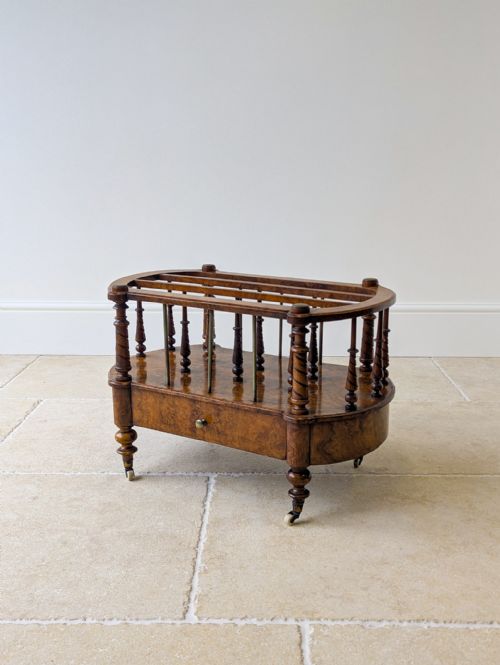
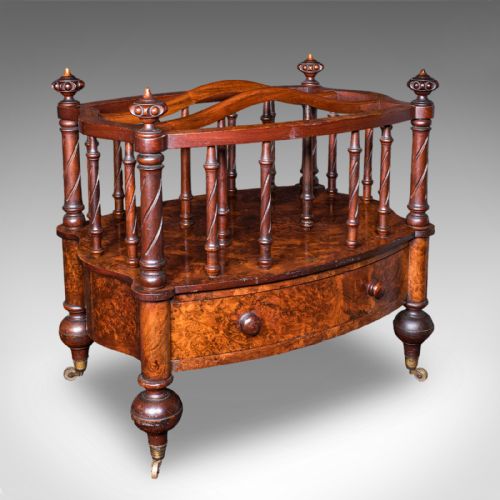
Cabinet makers utilised dense, durable hardwoods such as mahogany, walnut, burr walnut, rosewood and oak for the primary frames and vertical divisions. Finer pieces employ figured veneers and decorative inlay to catch the eye.
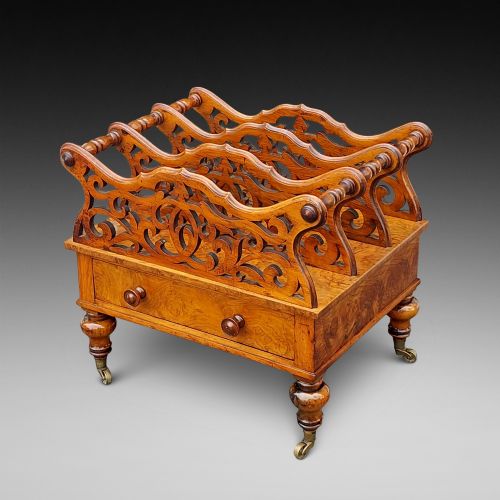
Structural elements frequently include turned spindles, carved supports and brass castors that allowed the stands to move easily across carpets. Ceramic and porcelain components occasionally appear as decorative accents or feet details.
Wooden Magazine Canterbury Retail Price Guide 2026
Typical asking prices for wooden magazine canterbury among the pieces listed under this phrase on Sellingantiques today, from the lower quarter to the upper quarter. They describe what is for sale here now, not the wider market.
Some nineteenth-century makers added wheels so readers could roll their newspapers across the carpet without standing up.
What varies in quality
The distinction between standard examples and superior pieces rests on timber selection and the crispness of the joinery. Figured grain, rich burr walnut, or carefully matched rosewood elevate a stand well beyond basic utilitarian utility.
Design ambition also divides the range, separating plain four-division racks from elaborate models featuring multiple tiers, drawers, or intricate carved details. The integration of functional hardware, such as smooth-running drawers and original brass castors, marks out the better workshop productions.
The Wooden Magazine Canterbury Glossary
- Etagere
- A set of open shelves for displaying small ornaments or books. These tiers are sometimes incorporated into the upper section of a multi-functional stand.
- Whatnot
- A piece of furniture consisting of several open shelves placed one above the other. They often combine with canterburys to offer both display and storage.
- Burr walnut
- A prized timber harvested from the wart-like growths on walnut trees, yielding swirling, highly decorative grain patterns. Makers applied it as a veneer on high-status Victorian surfaces.
- Division
- One of the vertical partitions that separates the storage space inside a rack. These sections keep books and magazines standing upright.
Wooden Magazine Canterbury: Frequently Asked Questions
What is a wooden magazine canterbury used for?
These stands were originally designed to hold daily newspapers, unbound periodicals, and sheet music near seating areas. Today, they serve the exact same purpose in living spaces while displaying period craftsmanship.
The compartmentalised sections keep reading material organised and upright rather than flat on tables.
How do I identify a Regency canterbury?
Regency pieces often display classical proportions, boat-shaped upper compartments, and elegant turned legs fitted with brass castors. The timber is typically dark mahogany or rosewood.
These examples date from the early nineteenth century and lean toward restrained, architectural lines.
Did Victorians use them for magazines?
Victorians used them extensively for newspapers, periodicals, and sheet music as print culture expanded rapidly through the nineteenth century. Burr walnut and inlaid decoration became especially popular during this period.
Many Victorian pieces also incorporated drawers beneath the main partitions for smaller items.
Can I use a canterbury as an occasional table?
Many Victorian and Edwardian examples feature flat tops or tier arrangements that function comfortably as small occasional tables next to chairs. Their sturdy timber construction supports daily use.
Care should be taken with antique polished surfaces when placing cups or liquids directly onto the wood.