




Warm Brown Wooden Rack
A warm brown wooden rack brings instant character and practical storage to a hallway or kitchen, offering rich timber tones and honest period utility.
Warm Brown Wooden Rack
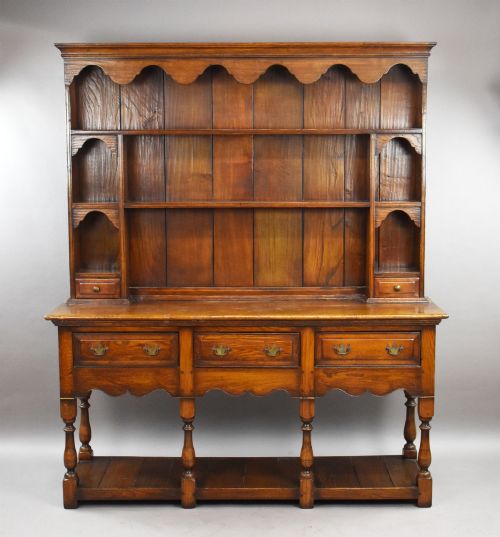
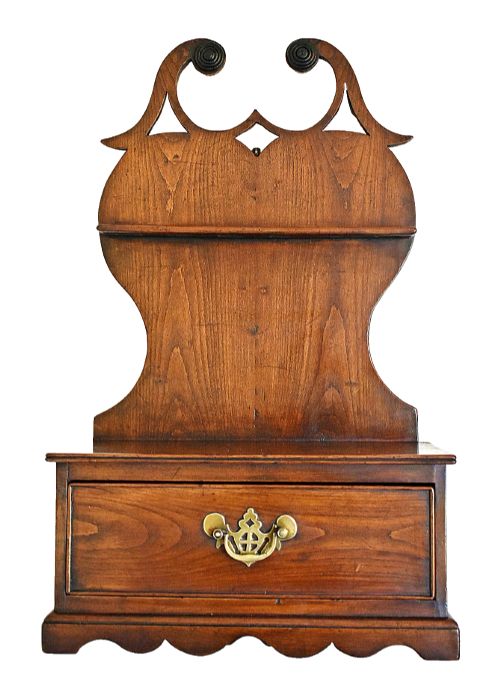
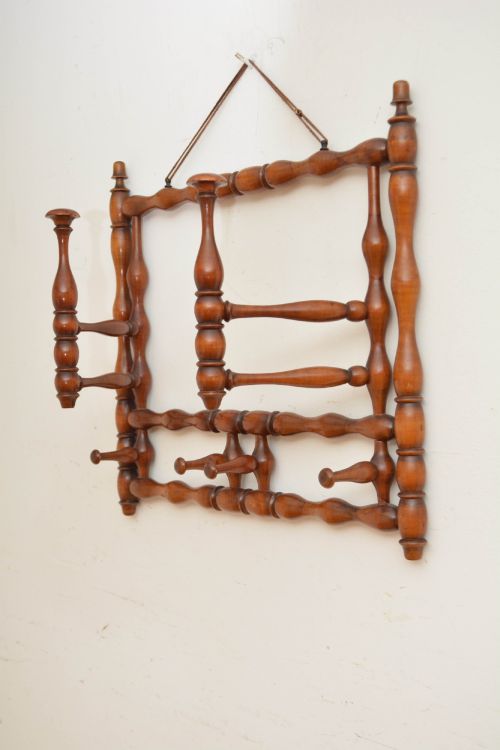
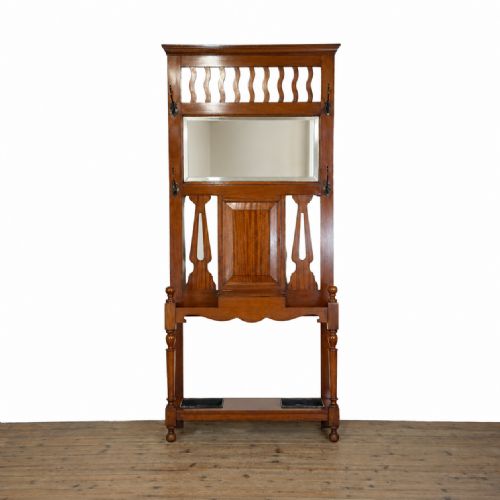
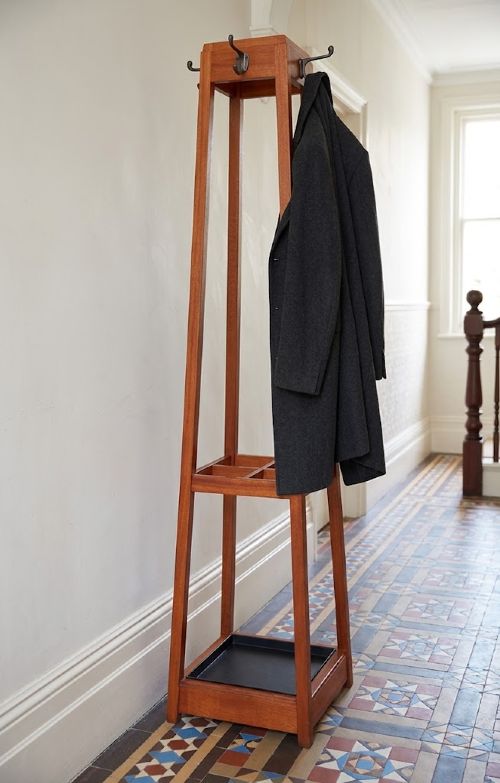
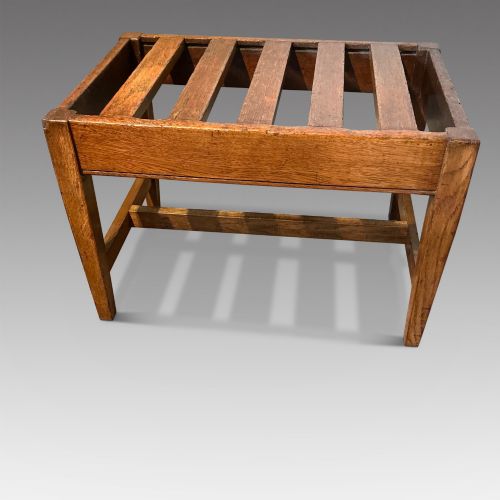
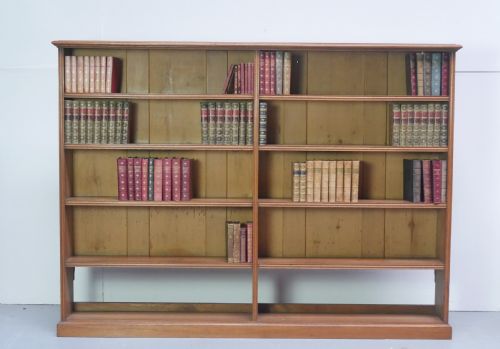
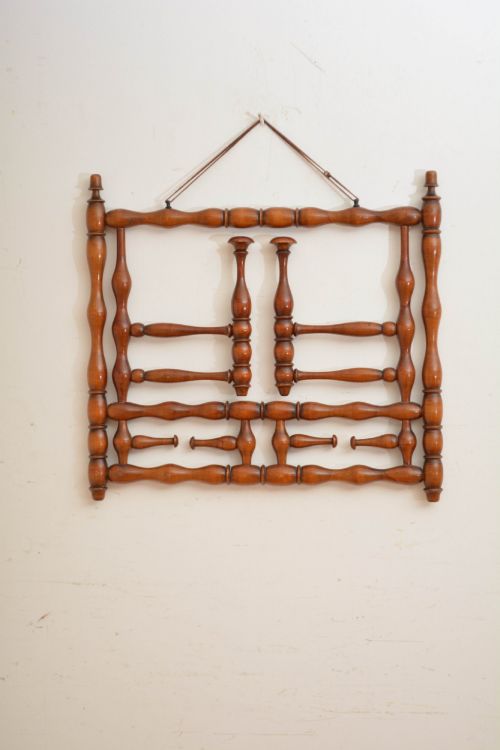
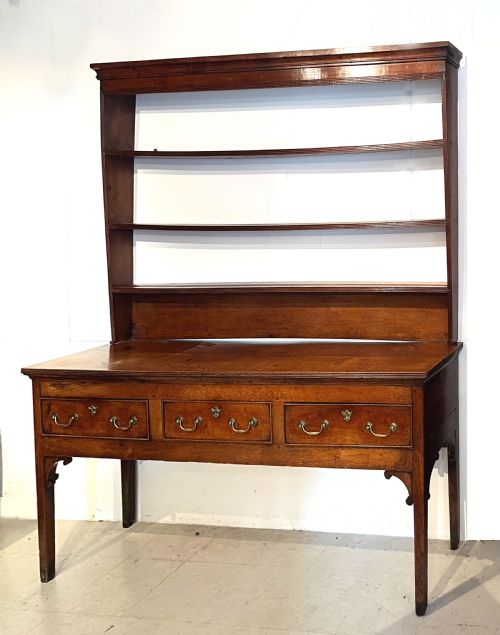
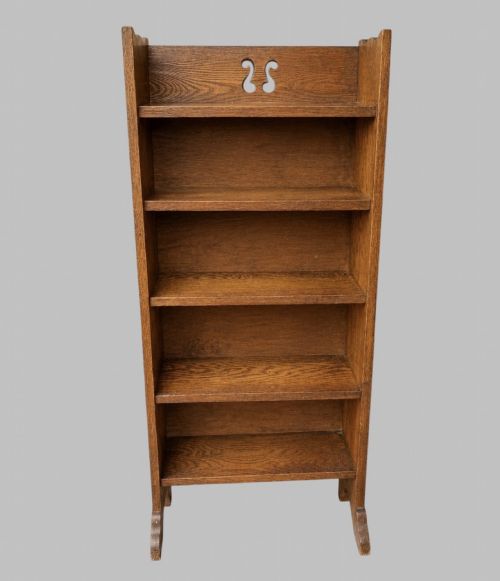
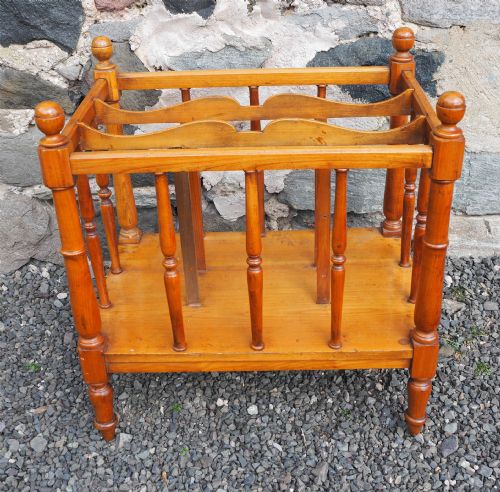
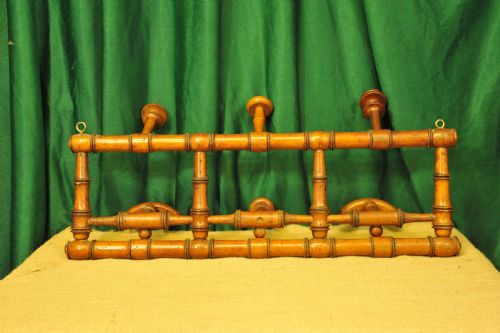
When you search for a warm brown wooden rack, you encounter a diverse selection of practical household furnishings designed for display, hanging, or organising. These pieces span several centuries of craftsmanship, taking the form of coat racks, luggage racks, magazine holders, key boards, and plate racks incorporated into traditional dressers.
The materials contributing to this warm aesthetic include oak, walnut, mahogany, fruitwood, and cherrywood, often showing deep patinas developed over generations of use. Domestic workshops and cabinetmakers produced these items across British, French, and American regional styles, ranging from Georgian formality to rustic country living.
Materials and Construction Techniques
Cabinetmakers utilised solid hardwoods such as oak, walnut, and mahogany, selecting timber for its grain pattern and capacity to hold structural weight. Joinery relied on traditional methods like dovetailing, mortise and tenon joints, and occasional turned wood components to assemble functional frames.
Surface finishing involved hand-applied wax or oil to nourish the wood and enhance natural honey and chestnut tones. Metal elements such as brass hooks, iron brackets, and glass details were integrated securely into the wooden structures to support daily wear.
Warm Brown Wooden Rack Retail Price Guide 2026
Typical asking prices for warm brown wooden rack among the pieces listed under this phrase on Sellingantiques today, from the lower quarter to the upper quarter. They describe what is for sale here now, not the wider market.
Listings feature oak, walnut, mahogany, and fruitwood pieces spanning the eighteenth century through the early twentieth century.
Distinguishing Quality in Period Woodwork
Proportion and structural soundness separate fine workshop production from utilitarian output. Thoughtful detailing, such as decorative cut-outs, hand-turned spindles, and robust jointing, indicates a higher tier of period craftsmanship.
The Warm Brown Wooden Rack Glossary
- Patina
- The soft sheen and rich colour developed on the surface of hardwood over decades of handling and polishing. This quality indicates age and authenticity in period furniture.
- Fruitwood
- A generic term for timber sourced from fruit-bearing trees such as pear, apple, or cherry, known for tight grain and warm tones. Cabinetmakers utilised these woods for smaller items and provincial furniture.
- Dresser and rack
- A traditional combination piece featuring a lower base of drawers or cupboards paired with an upper plate rack. These items served both storage and display functions in historic kitchens.
- Canterbury
- A low wooden stand fitted with partitions for holding sheet music, books, or magazines. Often constructed from mahogany or walnut during the Georgian and Victorian eras.
- Faux bamboo
- A decorative treatment where wood is carved or turned to imitate natural bamboo stalks. This style gained popularity during the nineteenth century under Asian design influences.
Warm Brown Wooden Rack: Frequently Asked Questions
What is a warm brown wooden rack used for?
These pieces serve practical organisational roles in domestic interiors, holding coats, keys, luggage, books, or plates depending on their specific form. They combine utilitarian storage with decorative timber presence.
Historically, items like key boards and coat racks managed household traffic in halls and reception rooms, while plate racks displayed prized ceramics in kitchens.
How do I care for antique wood furniture?
Maintain the finish by applying natural beeswax periodically and avoiding placement near direct heat sources or strong sunlight. Gentle dusting with a dry cloth prevents accumulation without harming the patina.
Keep indoor humidity stable to protect historic joints and prevent the hardwood from drying out or splitting over time.
How can I tell an 18th-century piece from a 19th-century one?
Eighteenth-century items often display hand- cut joinery, regional vernacular designs, and dense local timbers like oak and fruitwood. Their construction prioritises robust daily utility.
Nineteenth-century examples frequently incorporate machine-sawn components, revival styles such as Gothic or Arts and Crafts, and wider exotic wood imports like mahogany.
Where should I place a wooden rack in my home?
Wall-mounted coat and key racks suit entryways and corridors where immediate access to daily items is required. Floor-standing luggage racks or book holders fit bedrooms and living spaces.
Ensure the wall fixings or floor space can accommodate the weight and dimensions of solid hardwood furniture.