

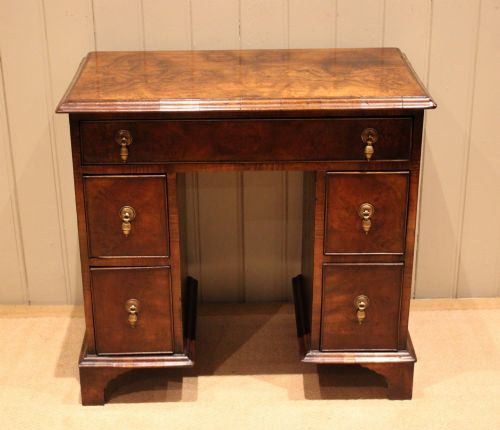
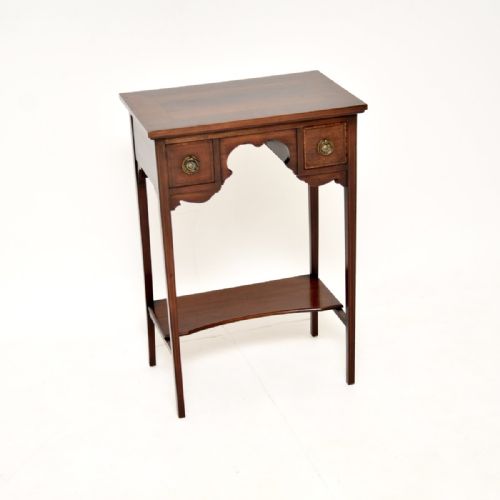
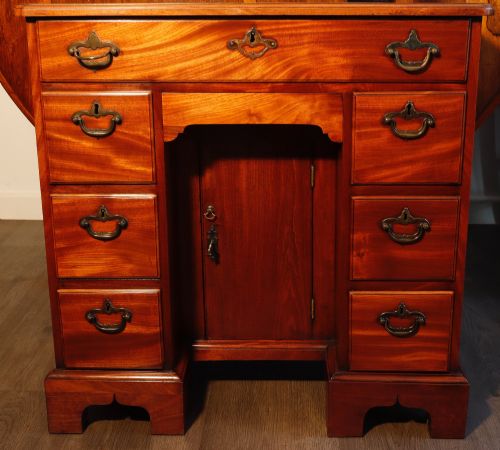

Wooden Kneehole Table
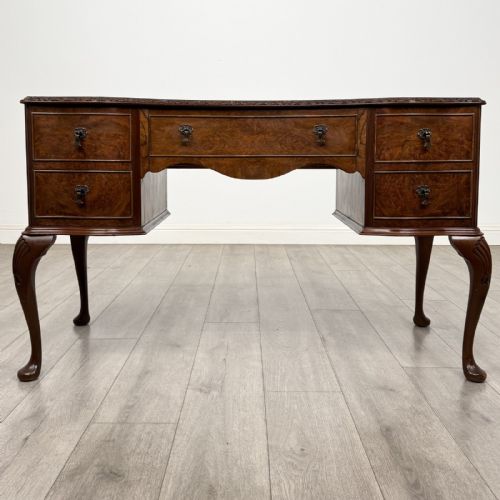
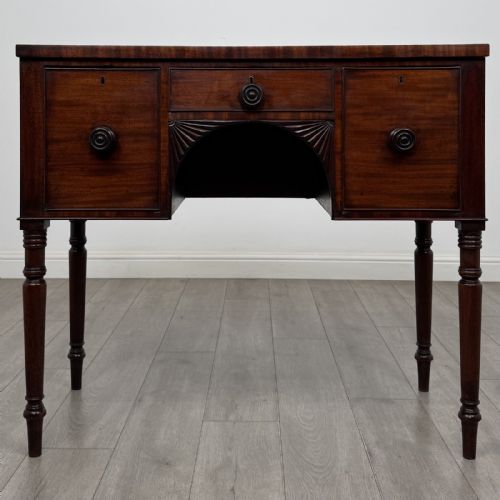
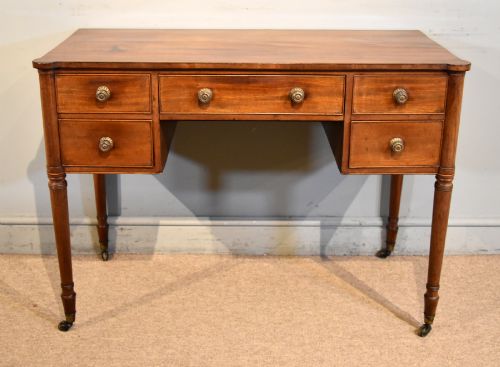
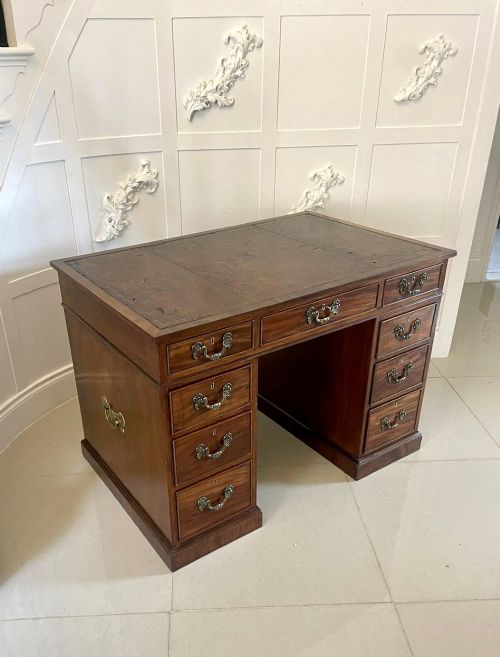
A wooden kneehole table is a compact writing desk or dressing table with a central recess flanked by pedestals of drawers, offering structured storage and legroom.
Wooden Kneehole Table
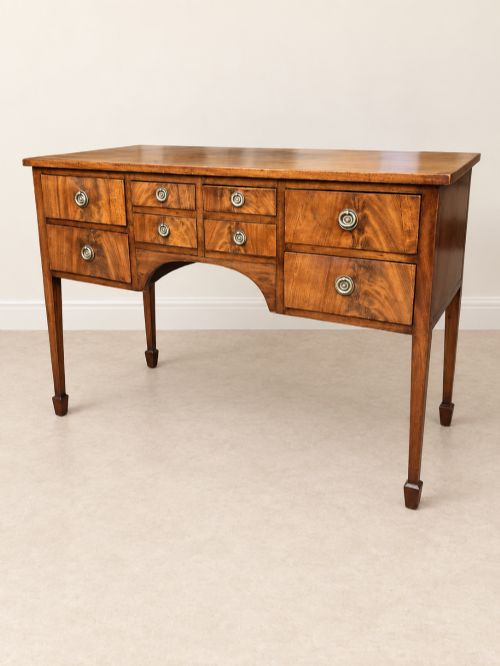
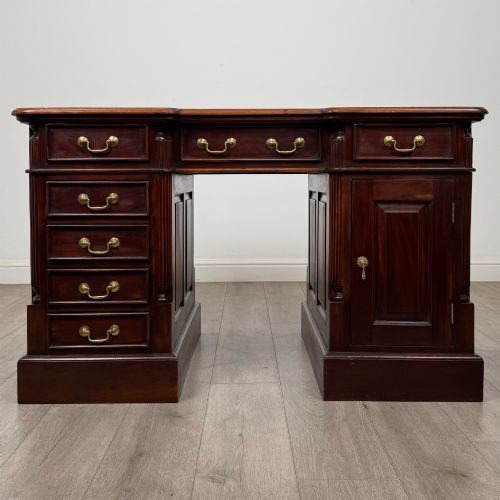
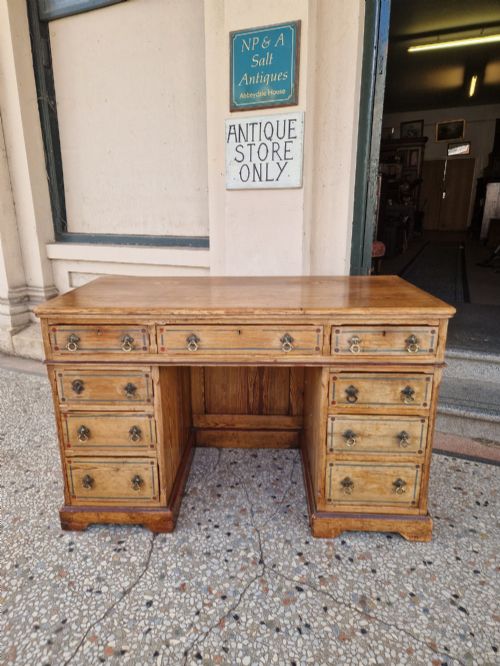
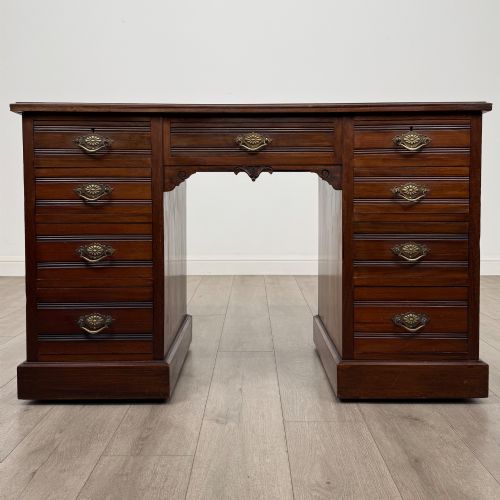
A wooden kneehole table serves as a functional workspace or dressing surface, typically featuring a central kneehole space beneath the working top. When you search for a wooden kneehole table, you encounter pieces originating from the eighteenth, nineteenth, and early twentieth centuries, spanning periods from Georgian and Regency to Victorian and Edwardian.
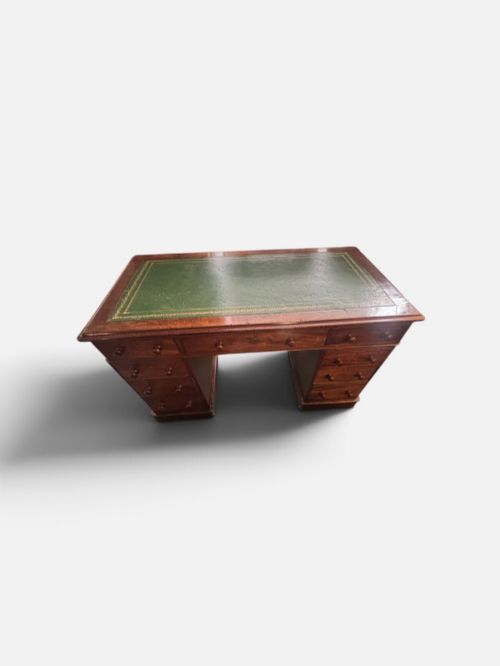
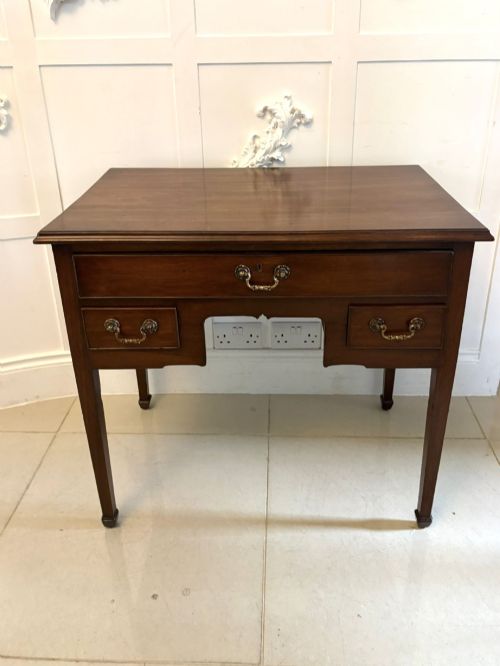
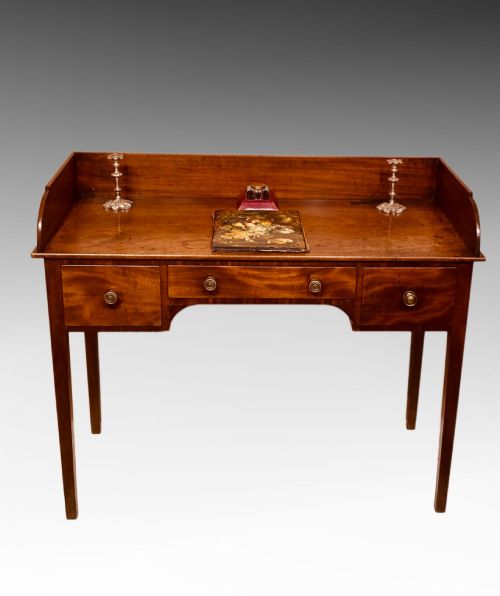
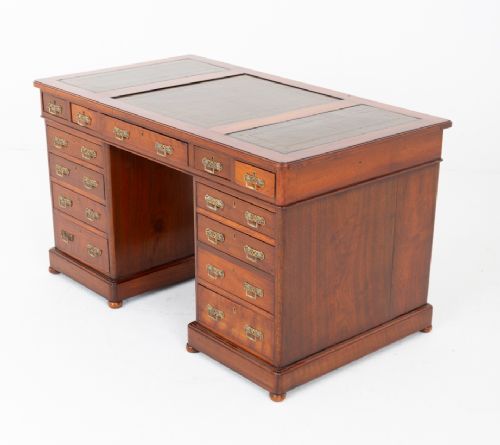
The versions most commonly met on this market include pedestal desks and writing tables constructed in mahogany, burr walnut, and oak. These forms range from simple lowboys and side tables to multi-drawer pedestal desks equipped with brass hardware.
Materials and construction
Makers constructed these tables predominantly using timbers such as mahogany, walnut, oak, and pine, frequently incorporating burr walnut veneers for decorative surfaces. Secondary woods and boxwood stringing appear in finer examples to accent drawer fronts and borders.
Hardware details such as brass handles and pulls complement the timber construction, while writing surfaces often incorporate inset leather panels. Joinery techniques varied by period, supporting multi-drawer configurations and pedestal structures.
Wooden Kneehole Table Retail Price Guide 2026
Typical asking prices for wooden kneehole table among the pieces listed under this phrase on Sellingantiques today, from the lower quarter to the upper quarter. They describe what is for sale here now, not the wider market.
Listings feature woods such as mahogany, burr walnut, oak, pine, satin birch, yew, and elm across Georgian, Victorian, and Edwardian periods.
Standards of craftsmanship
The division between standard and superior pieces rests on the choice of timber and the precision of the cabinetwork. Grain selection in mahogany and burr walnut dictates the visual impact of the top and drawer facades.
Execution of secondary details, including boxwood inlay, carved pillars, and the retention of original brass hardware, elevates a piece. Structural integrity in the pedestals and smooth operation of multiple drawers also distinguish finer examples.
Heal & Sons·Étienne Kohlmann
The Wooden Kneehole Table Glossary
- Kneehole desk
- A writing table with a central recess for the legs, positioned between two banks of drawers. This configuration became popular in the eighteenth century and persisted through the Victorian era.
- Lowboy
- A small low dressing table or side table featuring one or more rows of drawers beneath the top. Eighteenth-century examples often employ oak, elm, or mahogany.
- Pedestal desk
- A heavy freestanding desk supported by two pedestals containing drawers rather than simple legs. They frequently feature leather-inset writing surfaces.
- Burr walnut
- A decorative wood veneer harvested from the burl growths of walnut trees, displaying complex and swirling grain patterns. It is seen on Victorian and later nineteenth-century desks.
- Boxwood stringing
- Thin inlay lines of pale boxwood set into darker woods such as mahogany to outline panels and drawer borders. This technique appears on Georgian and Edwardian furniture.
Wooden Kneehole Table: Frequently Asked Questions
How do I date a wooden kneehole table?
Dating relies on examining the timber species, construction methods, hardware styles, and overall proportions of the piece. Georgian and Regency examples often display restrained lines and mahogany or walnut veneers, while Victorian pieces tend to be heavier with pedestal drawer arrangements.
Secondary details such as boxwood stringing, inlay work, and the type of brass handles offer further clues to the decade or period of manufacture.
Where should I place a kneehole desk?
Because many pedestal desks and writing tables are finished on all sides or feature panelled backs, they can stand freestanding in the middle of a study or library. Alternatively, placing them flat against a wall maximises floor space in smaller rooms.
Ensure there is adequate clearance for a chair within the kneehole recess before positioning the table permanently.
How do I care for antique wood?
Maintain antique timber surfaces by keeping them away from direct sunlight and sources of extreme heat, which can dry out the wood and crack veneers. Dust regularly with a soft, dry cloth and apply traditional beeswax sparingly to nourish the finish.
Protect leather writing inserts from moisture and sharp objects to preserve the original writing surface.