


Wooden Kitchen Stools
Wooden kitchen stools bring honest character to a room, offering sturdy utility shaped by generations of practical use.
Wooden Kitchen Stools
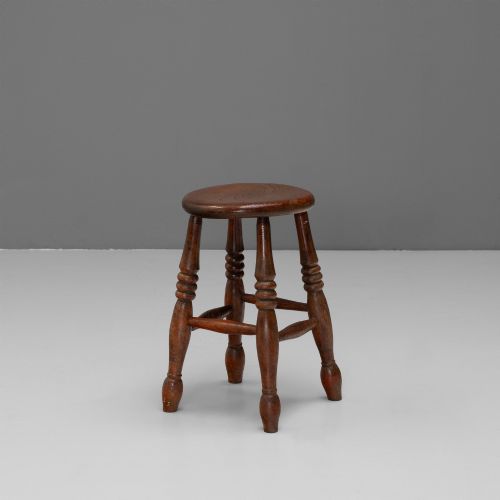
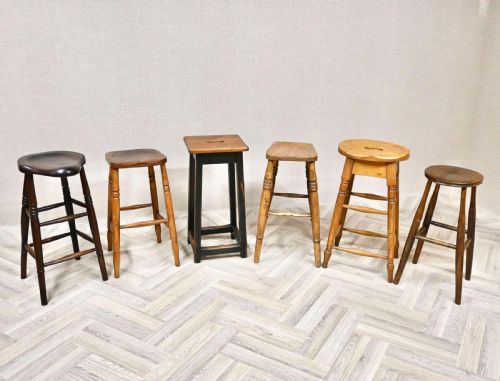
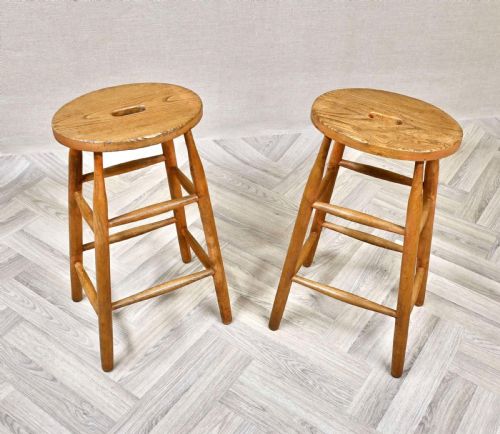
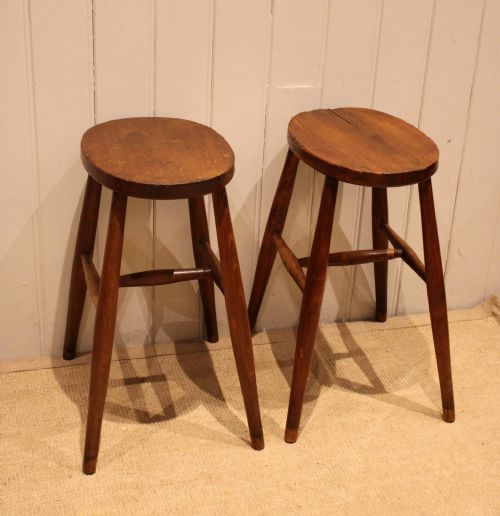
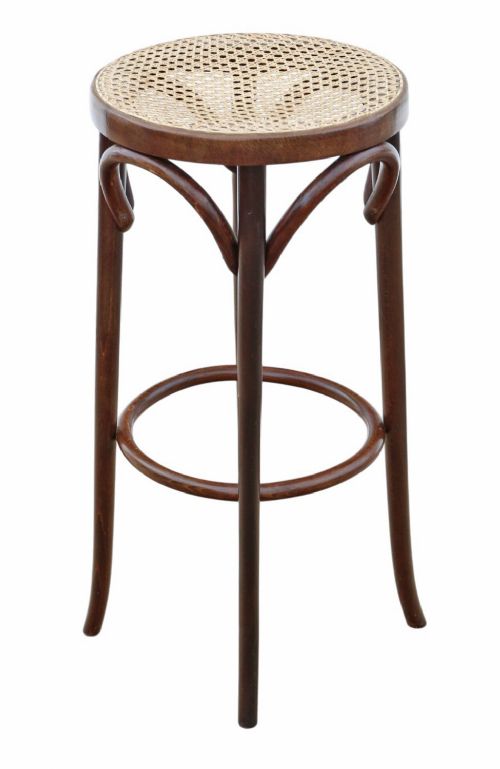
Wooden kitchen stools encompass an array of robust seating, ranging from tall bar designs to low farmhouse perches intended for daily domestic life. When exploring wooden kitchen stools, buyers encounter nineteenth-century rural examples alongside early twentieth-century workshop seating.
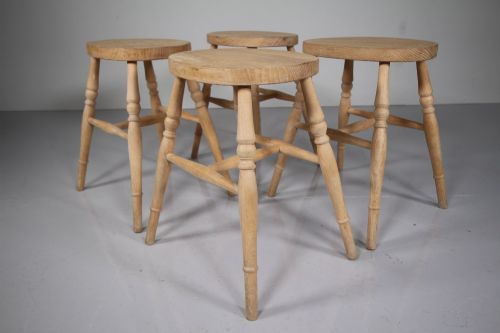
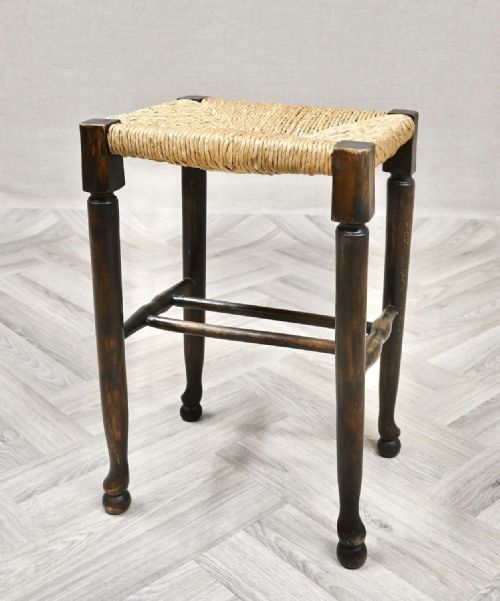
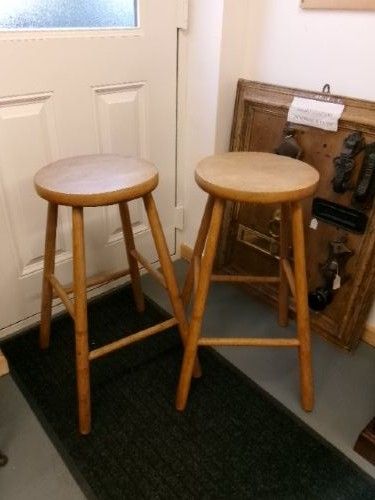
The selection includes tall bar stools, dairy stools, Windsor forms and matched sets intended for farmhouse tables. These pieces originate from varied settings including country houses, mills, laboratories and commercial kitchens.
Mismatched groups and pairs appear frequently, reflecting how practical seating was gathered and used over decades. Forms span rustic farmhouse styles, Victorian country vernacular and European bistro influences.
Materials and construction
Maker's choice of timber relies heavily on hard-wearing native hardwoods such as elm, beech, oak and pine. Elm frequently provides strong, figured seats that resist splitting under heavy use.
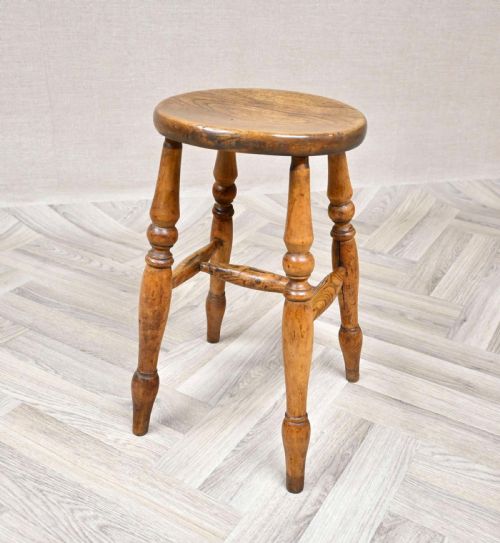
Turned beech and sturdy oak form legs and structural spindles, secured through traditional joinery methods like wedged tenons and stretcher frames. Iron brackets or reinforcements appear on specific tall bar forms for added stability.
Listings feature elm, beech, oak and pine across periods spanning the early nineteenth century through to the 1940s.
Assessing quality and character
Quality rests in the integrity of the timber, the depth of patination accumulated through use, and the balance of the structural frame. Stools retaining original painted finishes or rich waxed surfaces show superior preservation.
Fine craftsmanship reveals itself in well-turned legs, cleanly sculpted saddle seats and tight joints that withstand daily weight without excessive wobble. Lesser examples display unsympathetic repairs or replacement components that diminish the historical harmony of the piece.
The Wooden Kitchen Stools Glossary
- Elm top
- A seat fashioned from elm timber, valued for its twisted grain pattern and exceptional resistance to splitting. This wood was the traditional choice for Windsor and kitchen stool seats.
- Turned leg
- A support column shaped on a lathe to create decorative rings, tapers, and cylindrical profiles. This method provides both structural strength and visual elegance to nineteenth-century seating.
- Windsor stool
- A traditional form featuring legs and back spindles wedged directly into a solid, thick wooden seat. These pieces are renowned for their robust construction and ergonomic saddle shaping.
- Bar stool
- An extra-tall seating form designed for high counters, benches, or workspaces. Historical versions often include connecting stretcher rails intended as footrests.
- Patina
- The deep, lustrous surface sheen developed over decades of handling, cleaning, and exposure to light. It serves as a primary indicator of genuine age and continuous use.
Wooden Kitchen Stools: Frequently Asked Questions
How do I choose the right height?
Measure your counter or table clearance before selecting a stool to ensure comfortable legroom. Standard kitchen counters sit higher than dining tables, requiring tall bar or breakfast variations.
Consider how the seat will be positioned beneath the surface when not in use. Stools with lower stretcher rails also require careful placement to ensure comfortable foot positioning.
Can I mix different styles around a table?
Combining varied country and farmhouse stools creates an eclectic, gathered aesthetic that suits rustic interiors. Matching heights and similar wood tones help unify a mismatched group.
Look for shared characteristics such as turned legs or similar seat shapes to maintain visual cohesion across the set. Mismatched groupings reflect the historical reality of how rural households accumulated furniture.
How should I care for antique wood?
Protect wooden surfaces by keeping them away from direct heat sources and rapid temperature fluctuations that cause timber to split. Apply a microcrystalline wax periodically to nourish the grain and preserve the surface finish.
Clean the wood gently using a slightly damp cloth rather than harsh chemical sprays. Preserving the existing patina maintains the historical character and visual depth of the piece.
Are these stools suitable for daily use?
Most antique utility seating was built for heavy industrial or domestic work, making them remarkably sturdy for modern daily living. Check that structural joints remain firm and stable under weight before regular use.
Adding discreet felt pads to the base protects both the feet and hard floor surfaces from unnecessary wear. Proper maintenance ensures these historical items continue to function reliably in contemporary spaces.