


Wooden Hand Display
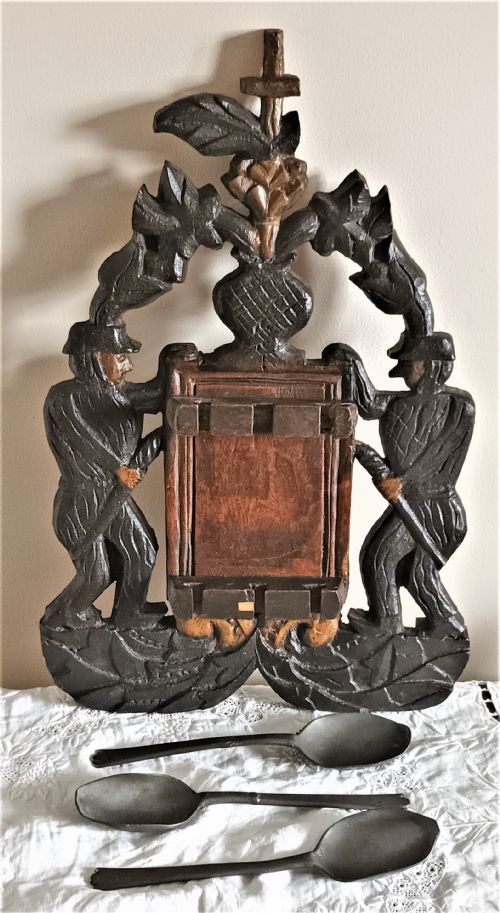
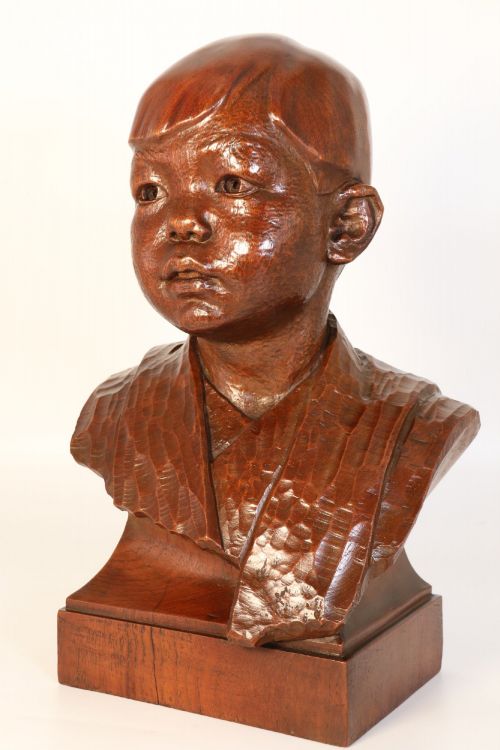
These wooden hand display pieces are tactile sculptural objects that bring character to a room, ranging from milliner's heads to glove stretchers.
Wooden Hand Display
A wooden hand display item serves primarily as a functional form or a decorative sculpture, often originating from trade or domestic contexts. You will encounter pieces spanning the nineteenth and early twentieth centuries, including folk art milliner's heads and treen glove stretchers.
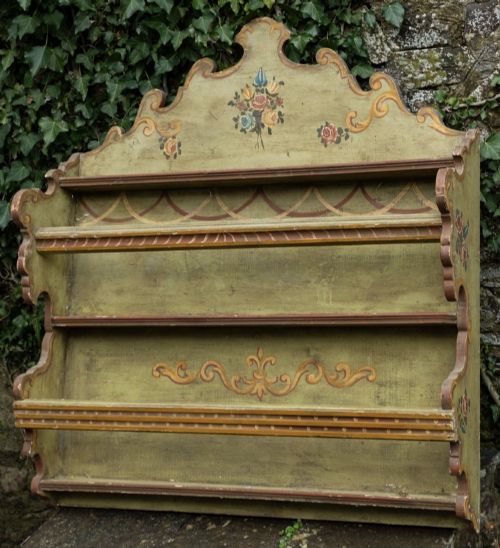
The selection here draws together various sculptural forms in wood, sometimes finished with paint or metal elements. These objects reflect both utilitarian workshop roots and traditional decorative display purposes.
How they were made
The construction relies on straightforward carpentry and carving techniques appropriate for functional workshop items or folk art objects. Surface finishes range from natural grained wood to layered paint showing authentic wear.
Some wooden hands have survived decades of shop window service without losing their charm.
What varies in quality
Quality rests in the anatomical precision of the carving and the preservation of the original surface paint. Superior examples display confident chisel work and balanced proportions rather than rigid symmetry.
The character of the aged patina heavily influences desirability, with genuine handling wear telling a clear story of past utility. Pieces retaining their early painted finishes command stronger visual presence than later stripped versions.
Liberty of London·George Henry Paulin RBS·Gritzner & Co
The Wooden Hand Display Glossary
- Treen
- Small handmade wooden domestic objects. These items often exhibit smooth patination from frequent handling.
- Folk art
- Utilitarian or decorative objects made by self-taught or traditional craftsmen. Such pieces prioritise practical utility and expressive design over academic rules.
- Milliner's head
- A carved form used for shaping and displaying hats. These heads provide sculptural presence and practical support.
- Patina
- The surface sheen and colour developed through age and use. A rich patina indicates long preservation.
- Trade sign
- An object created to advertise a business or service. These items rely on bold forms to attract attention from the street.
Wooden Hand Display: Frequently Asked Questions
What is a wooden hand display used for?
These pieces served practical purposes in shops and homes, often holding gloves, hats, or jewellery during daily trade. Today they function as sculptural desktop or shelf objects that add historic character to modern interiors.
Their solid wooden construction makes them durable additions to a room, requiring only gentle dusting to maintain their historic surfaces.
How old are these wooden displays?
The pieces span the nineteenth and early twentieth centuries, reflecting the manufacturing standards and styles of those periods. Makers utilised traditional hardwoods and hand-carving methods common before mass production.
Examining the tool marks and surface wear helps place an object within its historical window, distinguishing early examples from later reproductions.
How do I care for antique wood?
Keep wooden displays away from direct sunlight and dramatic temperature fluctuations to prevent the timber from splitting or warping. A light application of microcrystalline wax can protect the dry surfaces of older pieces.
Avoid using modern liquid polishes, which can build up in the carved crevices and alter the natural patina developed over decades.
Are painted finishes original?
Many trade items and folk art sculptures retain their early or original paint layers, which often show expected craquelure and chips from use. Careful inspection under natural light reveals whether the paint surface corresponds to the age of the wood underneath.
Original paint substantially enhances the visual appeal and historical integrity of these sculptural display pieces.