


Wooden Hall Furniture
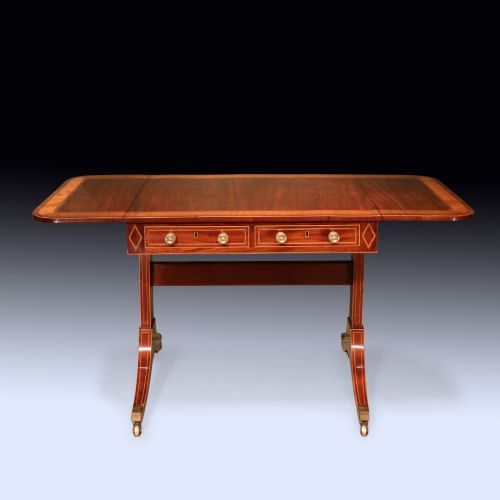
Wooden hall furniture brings immediate character to an entryway through practical pieces built in oak, mahogany, and walnut.
Wooden Hall Furniture
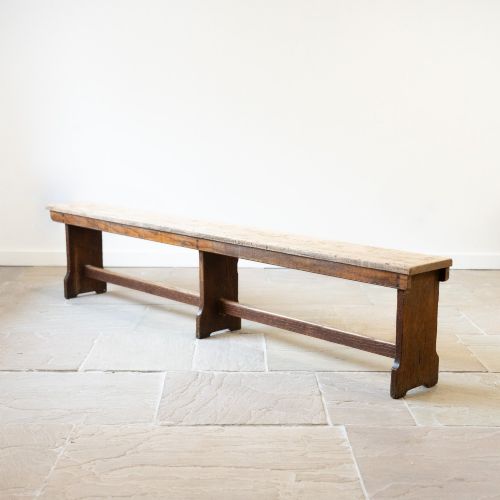
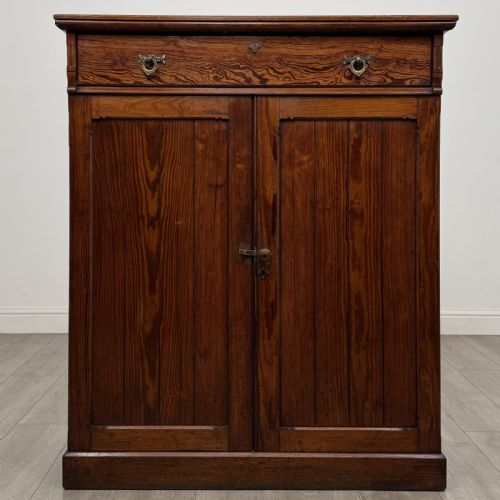
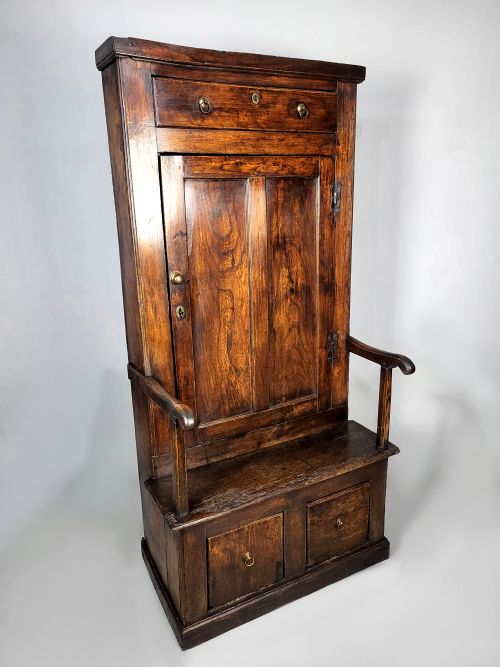
Wooden hall furniture encompasses sturdy seating, benches, settles, coat stands, and umbrella storage designed specifically for domestic entryways and passages. When exploring wooden hall furniture, buyers regularly encounter Victorian and Edwardian examples alongside earlier Georgian and 18th-century forms.
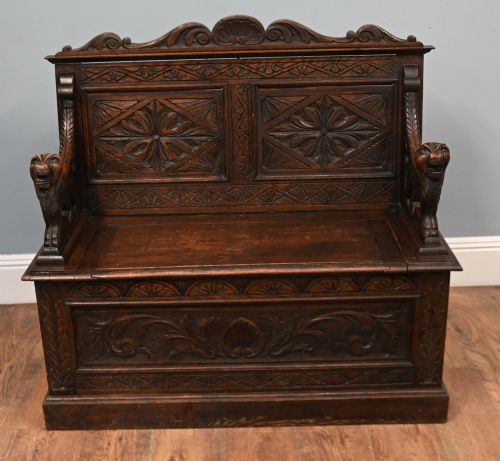
The selections range from simple oak side chairs and utilitarian stick stands to elaborate carved oak benches with integrated storage and French Renaissance revival seating. Oak and mahogany dominate the offerings, providing the durability required for high-traffic entrance spaces.
Materials and construction methods
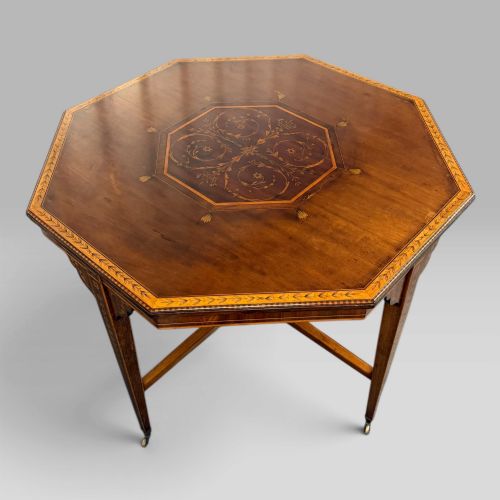
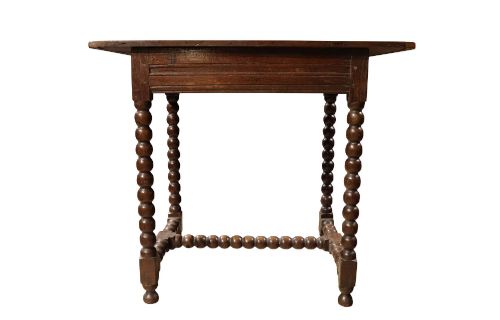
Cabinetmakers utilised dense hardwoods like solid oak, Cuban mahogany, and walnut to withstand daily use in domestic hallways. Joinery relied on traditional mortise and tenon frames, while decorative elements incorporated deep relief carving, turned supports, and inlaid mother of pearl.
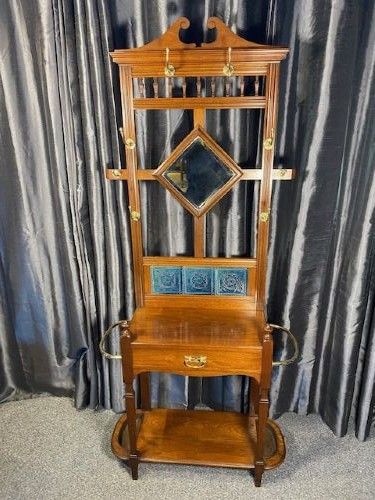
Surface finishes typically include polished timber with wax or shellac to highlight the natural grain of the wood. Metal fittings such as brass hooks, drip trays, and mirrors integrate directly into hall stands and umbrella holders.
Wooden Hall Furniture Retail Price Guide 2026
Typical asking prices for wooden hall furniture among the pieces listed under this phrase on Sellingantiques today, from the lower quarter to the upper quarter. They describe what is for sale here now, not the wider market.
Listings feature woods including oak, mahogany, walnut, and laburnum across periods from the 17th century through the Edwardian era.
Assessing quality and craftsmanship
Quality rests upon the selection of timber and the crispness of the hand-carved details found on panels, crestings, and armorial backs. Superior examples retain original hardware, matching drip trays, and uncompromised structural joinery without modern replacements.
Substantial proportions and clever integration of storage compartments distinguish finer workshop pieces from standard utilitarian items. The depth of the carving and the choice of dense hardwoods rather than secondary softwoods separate standard production from exceptional craftsmanship.
James Shoolbred·Shapland & Petter
The Wooden Hall Furniture Glossary
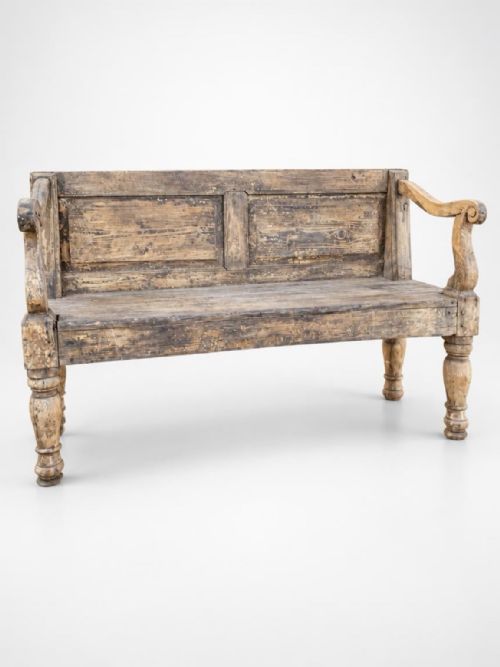
- Settle
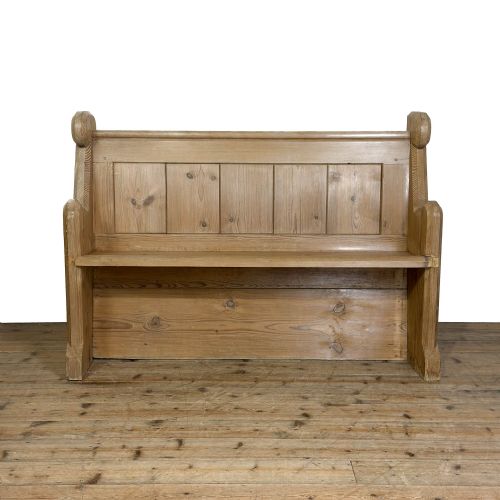
- A wooden bench featuring a high back to block draughts, often incorporating a hinged seat above a storage box.
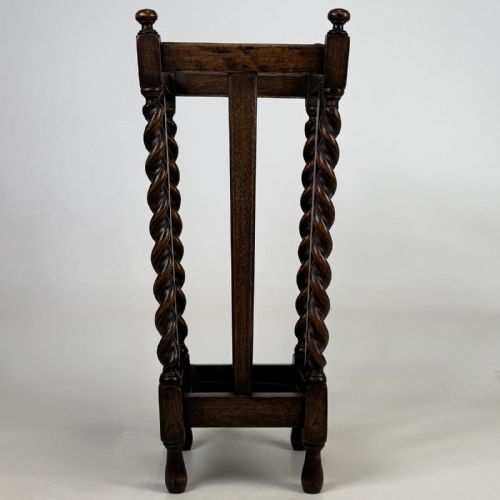
- Stick stand
- A compact piece designed to hold walking canes, parasols, and umbrellas, frequently featuring metal drip trays at the base.
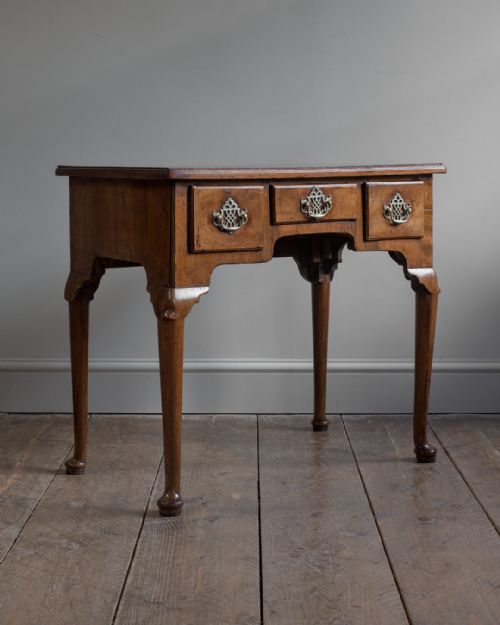
- Lowboy
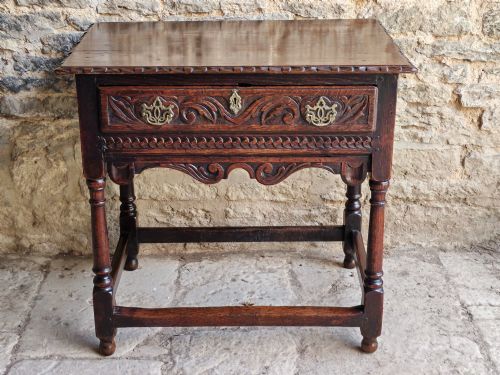
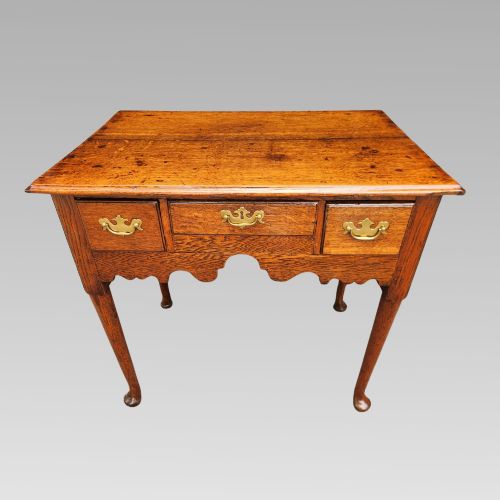
- A small side table with drawers, standing on four legs, commonly utilised in hallways or dressing rooms during the 18th century.
- Washstand
- A wooden table with a raised gallery or marble top, originally designed to hold washing basins and jugs in domestic settings.
Wooden Hall Furniture: Frequently Asked Questions
How were hall benches used historically?
Hall benches provided a place for residents and visitors to sit while removing outer garments and heavy boots. Many designs included integrated storage beneath the seat for storing winter wear.
In grander houses, imposing carved settles and armorial hall chairs also served to display family lineage or stylistic taste to arriving guests.
How do I care for antique hall furniture?
Maintain wooden hall furniture by applying appropriate beeswax periodically to nourish the timber and protect the polished surface. Position pieces away from direct heat sources and strong sunlight to prevent the wood from drying out or splitting.
Regular dusting with a soft, dry cloth keeps carved details free from buildup without damaging the aged patina of the wood.
How do I identify Victorian hall stands?
Victorian hall stands frequently combine timber framework with inset mirrors, brass coat hooks, and zinc or brass umbrella drip trays at the base. They often feature heavy carved oak or walnut construction with geometric or naturalistic motifs.
Examining the construction methods, such as hand-cut joinery and original hardware, helps distinguish these 19th-century pieces from later reproductions.