



Wooden Haberdashery Cabinet
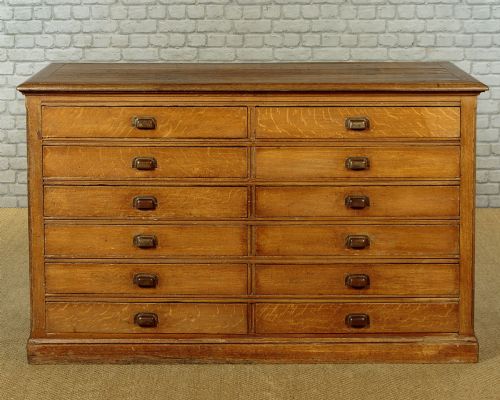
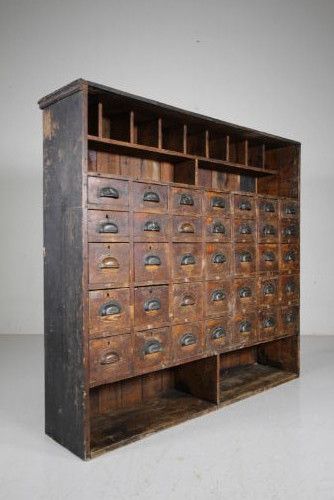
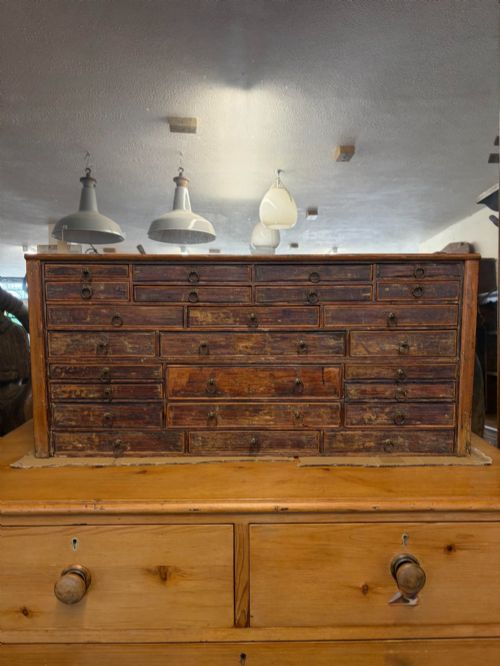
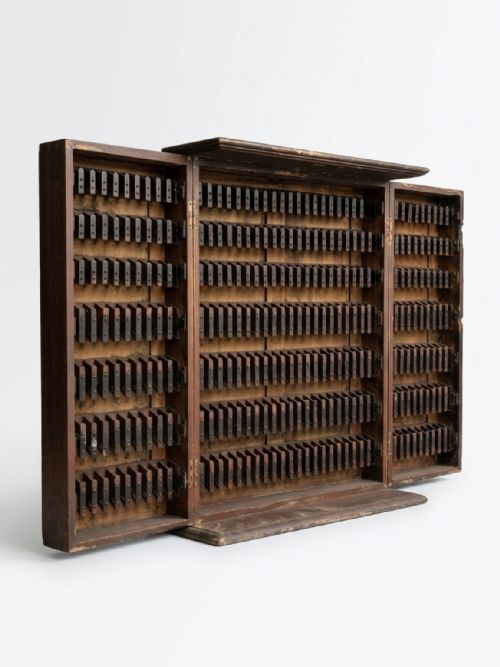
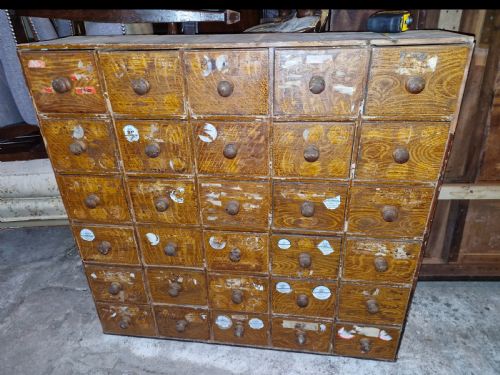
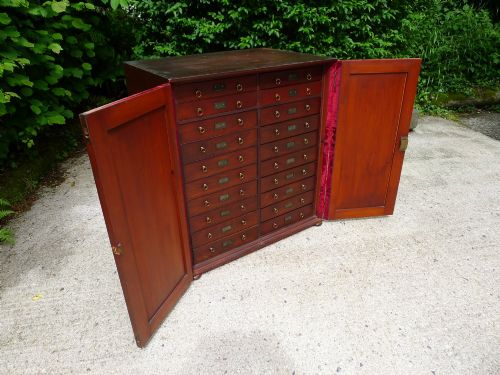
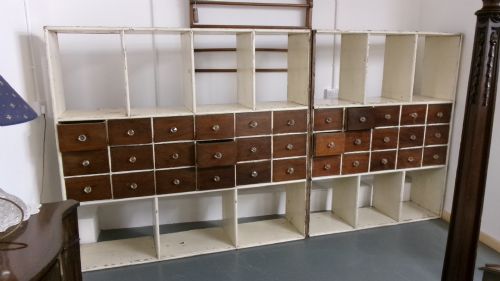
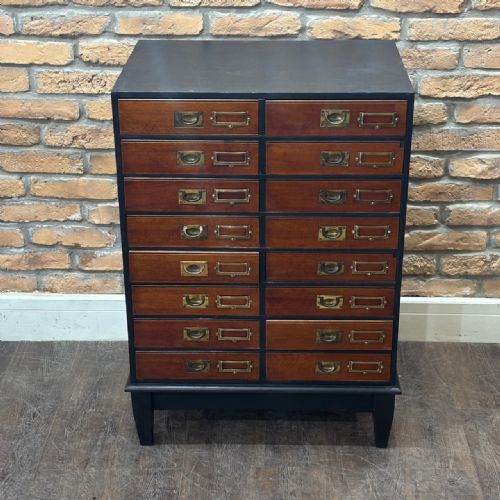
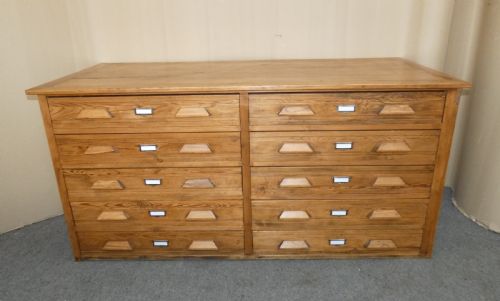
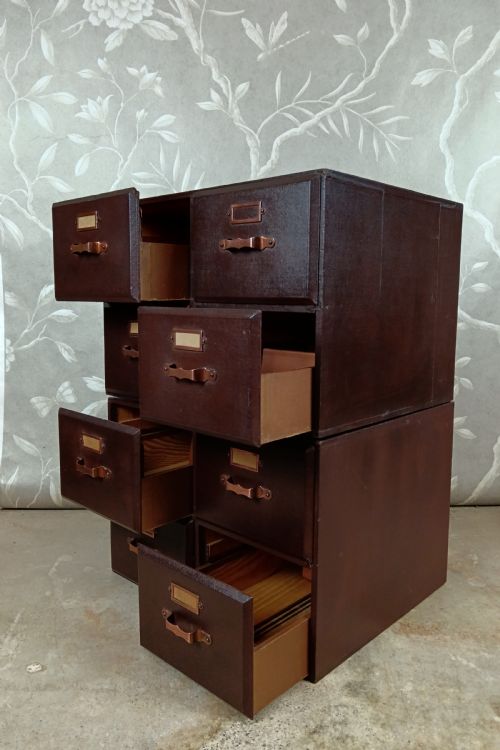
A wooden haberdashery cabinet organises small wares with banks of shallow drawers and glazed compartments.
Wooden Haberdashery Cabinet
A wooden haberdashery cabinet comprises multi-drawer storage units, shop fittings, and display cases originating from commercial, domestic, and institutional settings spanning the nineteenth and early twentieth centuries. Buyers search this phrase to find modular banks of drawers, countertop displays, and tall storage cabinets originally built for retail shops, offices, and workshops.
The pieces appearing on this page include nineteenth-century banks of drawers, Victorian chemist shop fittings, Edwardian walnut chests, and 1920s commercial cabinets. Formats range from large multi-drawer banks and apothecary chests to countertop display cases and library card filing sets constructed in oak, mahogany, pine, walnut, and deal.
How they were made
Construction relies upon traditional cabinet-making timbers such as mahogany, oak, walnut, teak, and pine, paired with structural elements in brass, iron, and glass. Carcasses feature durable joinery designed to withstand heavy daily commercial use in shops and offices.
Surfaces are finished with polished wood, painted finishes, or stained deal, incorporating glazed doors for display cabinets and brass handles or card holders on the numerous small drawers.
Listings feature woods including mahogany, oak, walnut, pine, teak, fruitwood, and cedar alongside brass, iron, and glass elements.
What varies in quality
Quality rests upon the scale of the piece, the complexity of the drawer configuration, and the selection of cabinet timbers such as figured mahogany or walnut over utilitarian pine and deal. Original commercial hardware, brass framing, and patent mechanisms elevate the distinction of an individual cabinet.
Proportion and structural integrity define the construction, where substantial multi-drawer banks retain tighter drawer movement and more substantial timber thickness than lighter workshop iterations.
Luxmore's of Ilfracombe·Ermen & Roby·Saml. Elliott & Sons·Cadburys Chocolate
The Wooden Haberdashery Cabinet Glossary
- Bank of drawers
- A multi-drawer storage unit featuring numerous shallow compartments stacked vertically or horizontally. These units were standard fixtures in shops, offices, and pharmacies for organising small stock.
- Haberdashery cabinet
- A specialised retail fixture designed for displaying and storing textiles, threads, and sewing notions. They typically incorporate glass-fronted panels or shallow banks of drawers.
- Apothecary chest
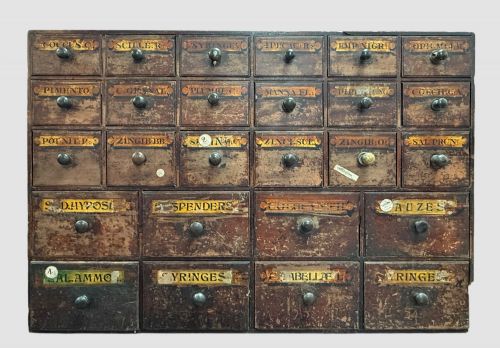
- A set of drawers or a small cabinet utilised in pharmacies and chemist shops for storing medicines and dried ingredients. They often feature numerous small, labelled compartments.
- Display counter
- A shop fitting featuring a glazed top or upper section intended for customer viewing of goods while protecting them on the sales floor.
- Collectors cabinet
- A small wooden case designed for storing specimens, coins, or small objects in shallow drawers. These pieces often exhibit finer cabinet-making than general utilitarian storage.
Wooden Haberdashery Cabinet: Frequently Asked Questions
What is a wooden haberdashery cabinet used for?
These cabinets were originally utilised in drapery shops and merceries to store ribbons, threads, buttons, and small sewing accessories within reach of the counter.
Today, collectors and homeowners repurpose them for organising stationery, jewellery, craft materials, and small collections in studies or living spaces.
How do I date a multi-drawer cabinet?
Dating relies upon timber selection, hardware style, and construction methods visible in the drawer joints and carcass framing. Nineteenth-century examples often feature solid mahogany, deal, or pine with hand-cut joints, while twentieth-century pieces incorporate oak and brass framing.
Makers' marks, patent stamps, and original shop signage or labels provide additional chronological markers for specific commercial pieces.
Are these cabinets suitable for small rooms?
Countertop display cases and smaller drawer sets offer compact footprints that fit comfortably on sideboards, desks, or kitchen counters without dominating a room.
Tall multi-drawer banks require adequate floor space and wall clearance to accommodate their substantial depth and the full extension of multiple drawers.
What is the difference between an apothecary chest and a haberdashery cabinet?
Apothecary chests were built for pharmacies to store medical ingredients and powders, usually featuring numerous tiny drawers that may retain historical labels or slots for glass bottles.
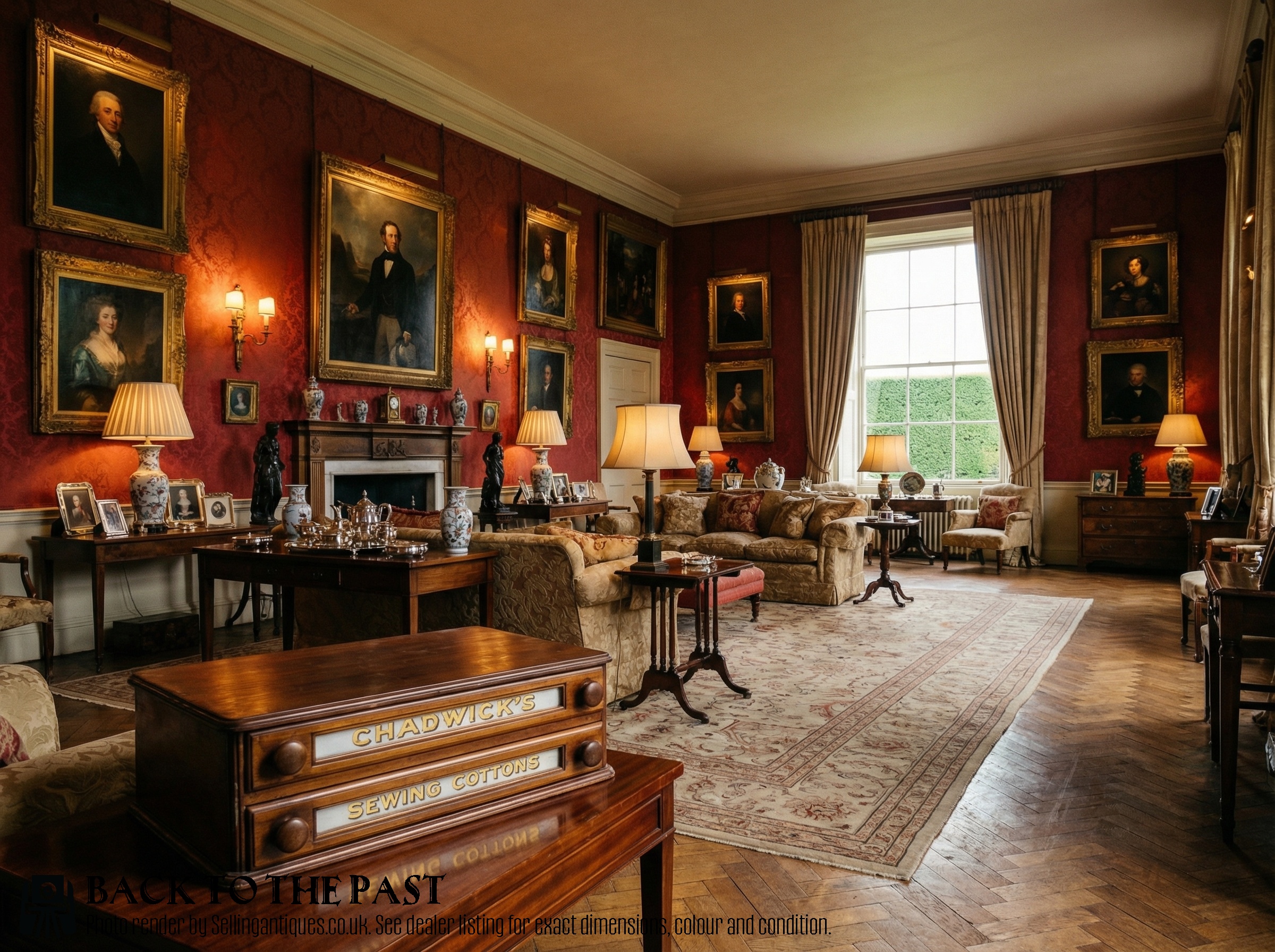
Haberdashery cabinets were designed for textile retail, often combining shallow drawers for ribbons with glazed display sections for viewing folded fabrics and sewing cottons.