
Antique Wooden Office Furniture
Antique wooden office furniture brings enduring craftsmanship and historical character to a workspace through solid timbers and practical period design.
Antique Wooden Office Furniture
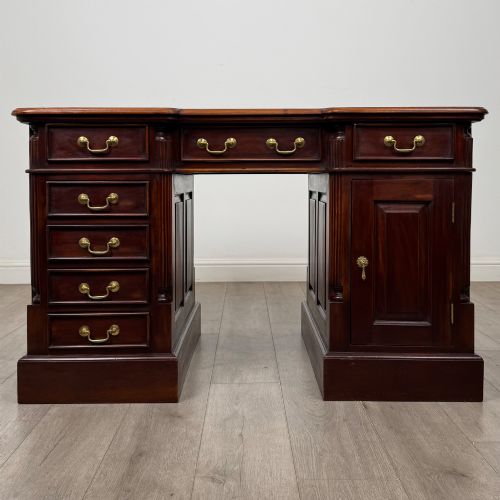
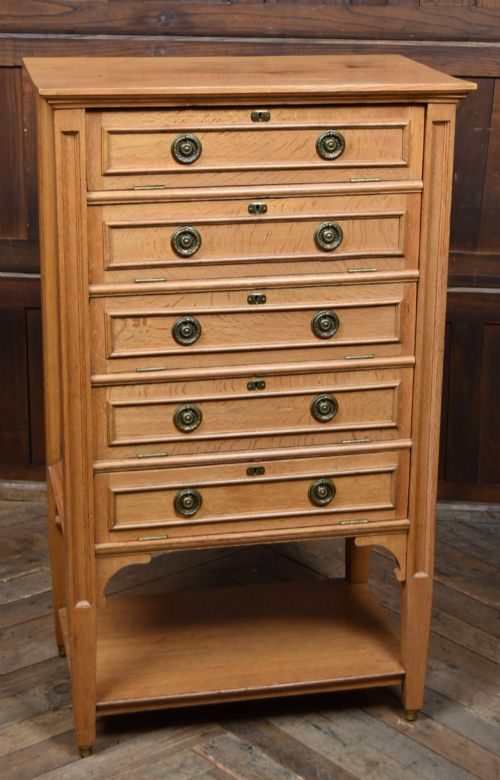
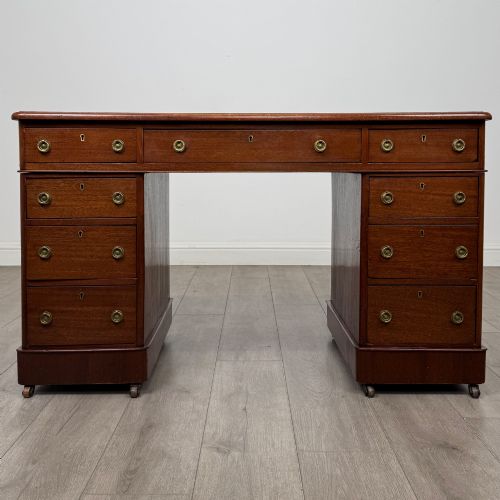
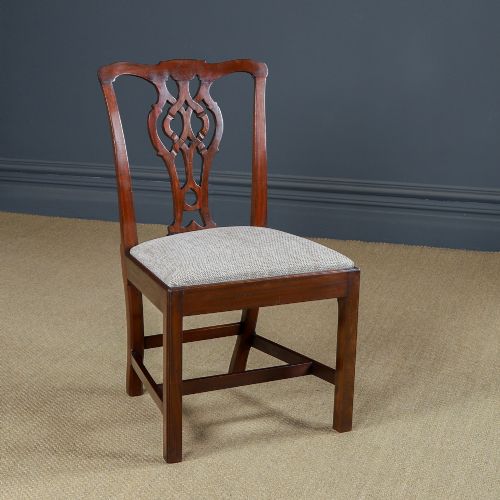
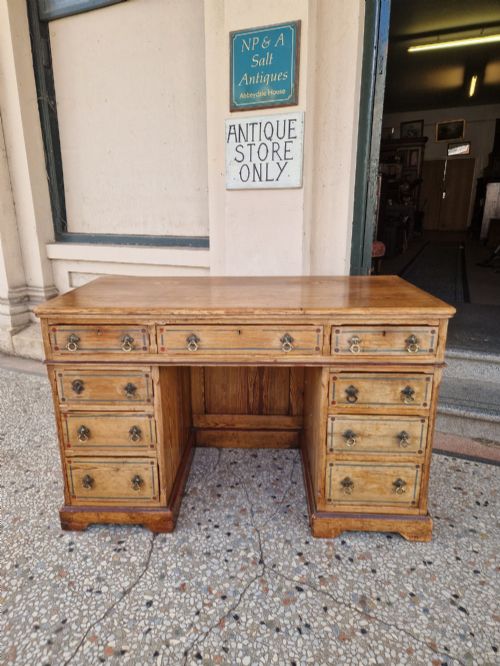
Antique wooden office furniture encompasses practical utilitarian items designed for workspace use across the eighteenth, nineteenth, and early twentieth centuries. When searching for antique wooden office furniture, buyers encounter functional workspace pieces including pedestal desks, writing bureaus, filing cabinets, and desk chairs originating from Georgian, Victorian, Edwardian, and Art Deco periods.
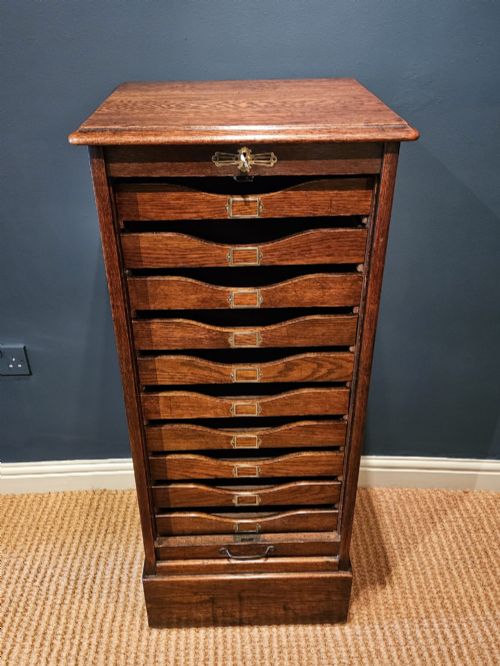
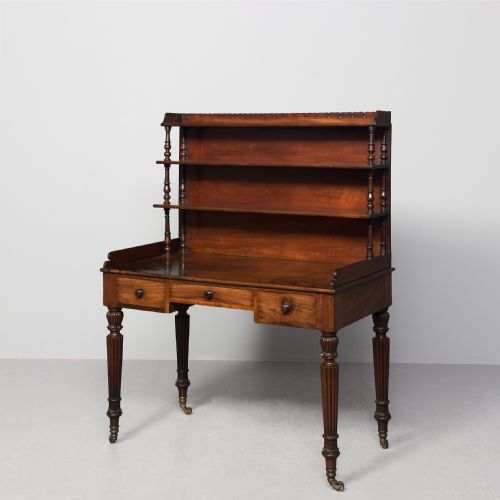
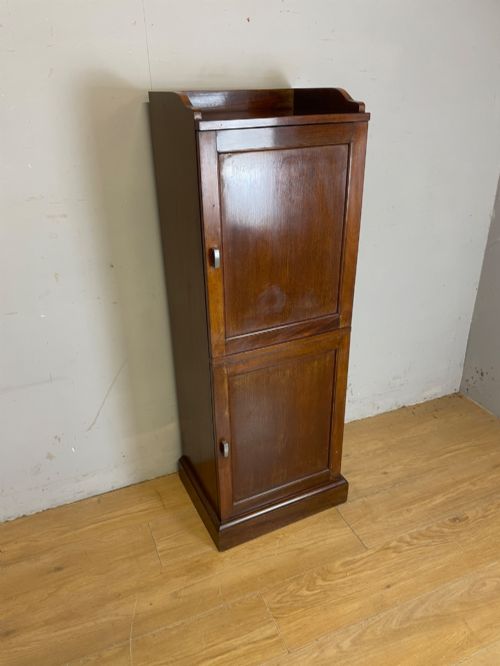
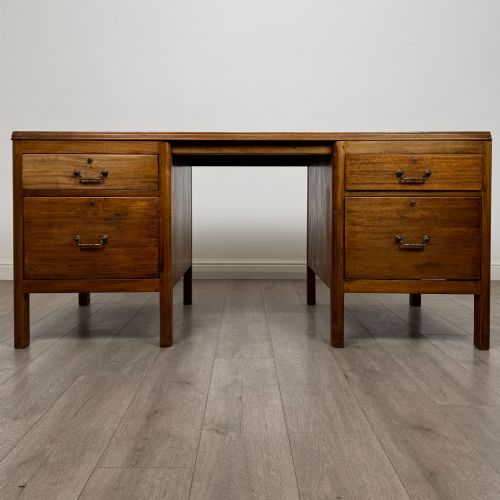
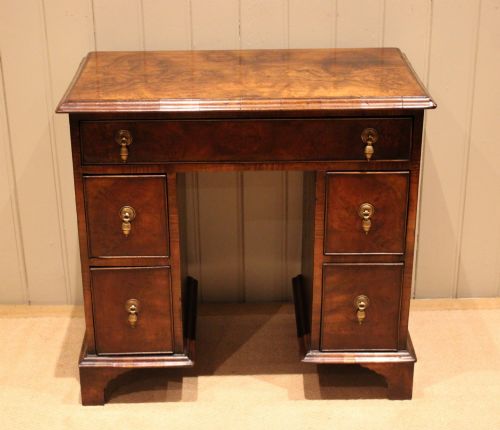
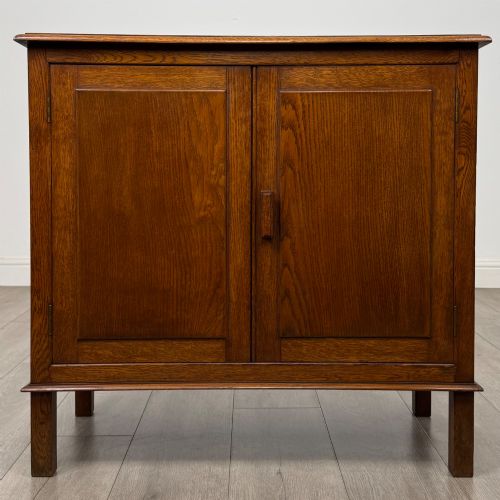
The selection on this page centres heavily on storage and writing forms, notably oak tambour filing cabinets, mahogany pedestal desks, and walnut Davenport desks. These items reflect the administrative demands of their eras, ranging from compact domestic writing furniture to large institutional filing systems.
Origins vary from English workshops to French and Anglo-Indian makers, incorporating diverse regional preferences in timber selection and joinery. Buyers frequently meet Edwardian oak examples and Victorian mahogany pieces, which dominate the available forms.
Materials and construction methods
Makers constructed antique wooden office furniture predominantly using hardwoods such as mahogany, oak, and walnut, alongside decorative veneers like burr walnut and satinwood. Brass hardware, leather writing surfaces, and metal mechanisms frequently complemented these timbers, particularly on nineteenth-century pedestal desks and filing cabinets.
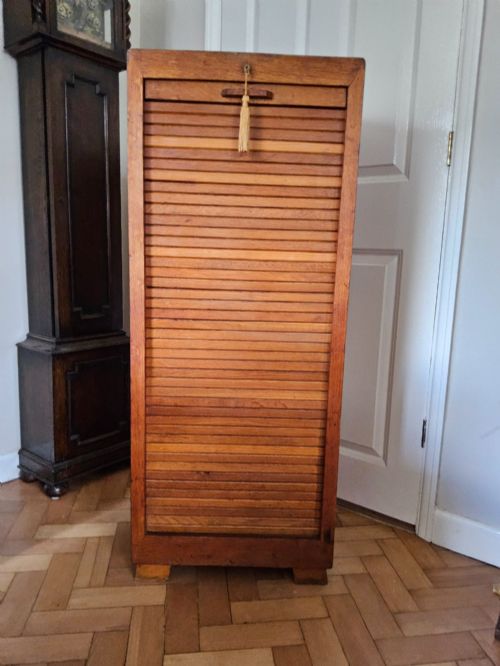
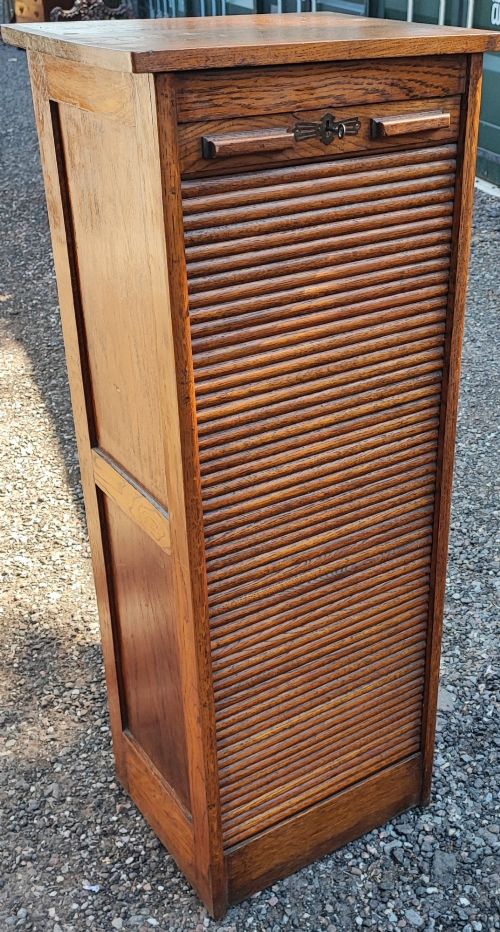
Carpenters and cabinetmakers utilised traditional joinery techniques, including dovetail drawers and panelled construction, to ensure durability in busy offices. Tambour fronts relied on closely fitted wooden slats glued to canvas backings, allowing smooth rolling action across enclosed desk and cabinet compartments.
Some Victorian desks retain their original keys, unlocking hidden compartments designed for private ledgers and secret correspondence.
Factors that distinguish fine pieces
Quality in antique wooden office furniture rests on the selection of timber grain, the precision of internal fittings, and the integrity of the original construction. Superior pieces display carefully matched burr veneers, finely cut dovetails, and sophisticated interior configurations such as satinwood pigeon holes and secret compartments.
The distinction between standard utility items and high-end examples also involves the maker's attention to mechanical elements, such as smoothly operating tambour shutters and original brass locks with functioning keys. Original leather inserts, well-figured solid timbers, and untouched patination elevate the standing of a desk or cabinet.
James Mein of Kelso·Heal's·Maple and Co
The Antique Wooden Office Furniture Glossary
- Tambour
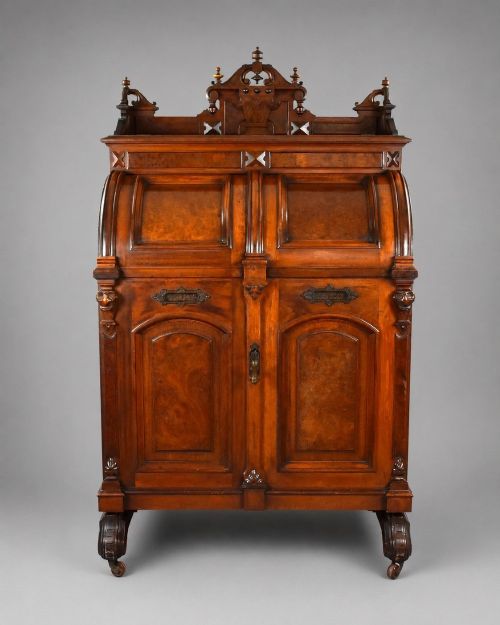
- A flexible shutter made of narrow strips of wood glued to fabric, allowing it to slide around a curve to enclose desk compartments or filing cabinets. This clever mechanism became popular for secure office storage.
- Pedestal desk
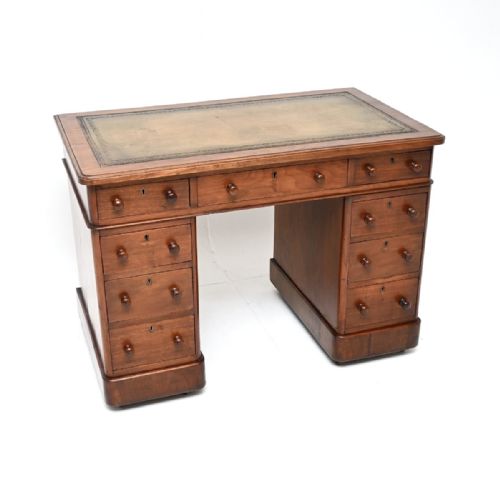
- A freestanding desk comprising two independent pedestals of drawers supporting a single desktop. These units often feature inset leather writing surfaces and central drawers.
- Davenport
- A compact writing desk featuring a sloped, hinged writing top over a pedestal of drawers. Originating in the late eighteenth century, they frequently incorporate side drawers and internal stationery compartments.
- Pigeon holes
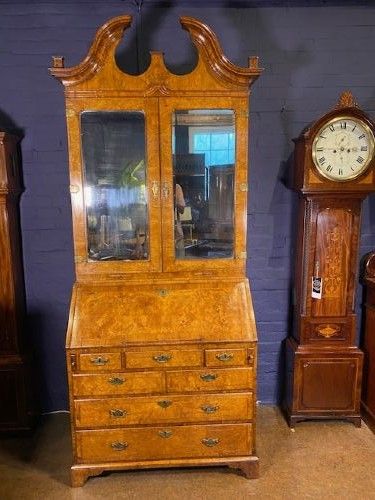
- Small compartments arranged in rows for sorting letters, documents, and correspondence. They are commonly found inside bureau bookcases and cylinder desks.
- Military filing cabinet
- A robust, portable storage unit constructed for colonial or campaign use, typically featuring brass drop handles and reinforced corners. These pieces prioritise structural resilience and secure transport.
Antique Wooden Office Furniture: Frequently Asked Questions
How do I identify a Victorian pedestal desk?
Victorian pedestal desks typically feature substantial solid mahogany or walnut construction with hand-cut dovetail joints inside the drawers. They often incorporate inset tooled leather writing surfaces and heavy brass drawer pulls.
Examination of the backboards and secondary timbers helps confirm the nineteenth-century origin, as makers frequently used pine or oak for internal framing.
What is a tambour front cabinet used for?
Tambour front cabinets served as secure office storage for files, ledgers, and stationery without requiring swing clearance for doors. The slatted wooden curtain rolled smoothly into the body of the cabinet.
Offices adopted these units extensively during the Edwardian era and the early twentieth century to maximise floor space.
How do I care for antique leather desk tops?
Antique leather desk tops require gentle cleaning with a slightly damp cloth followed by applications of microcrystalline wax or specialist leather balm. Avoid modern chemical solvents that strip the original colour and gold tooling.
Keeping the leather nourished prevents cracking while preserving the historical patination acquired through decades of use.
Are Edwardian filing cabinets practical for daily use?
Edwardian filing cabinets, particularly oak tambour models, remain highly functional for organising modern documents and correspondence. Their internal slat configurations accommodate standard folder sizes.
Routine maintenance of the wooden tracks ensures the sliding shutters continue to operate smoothly in a contemporary study.