

Wooden Framed Overmantel Mirror
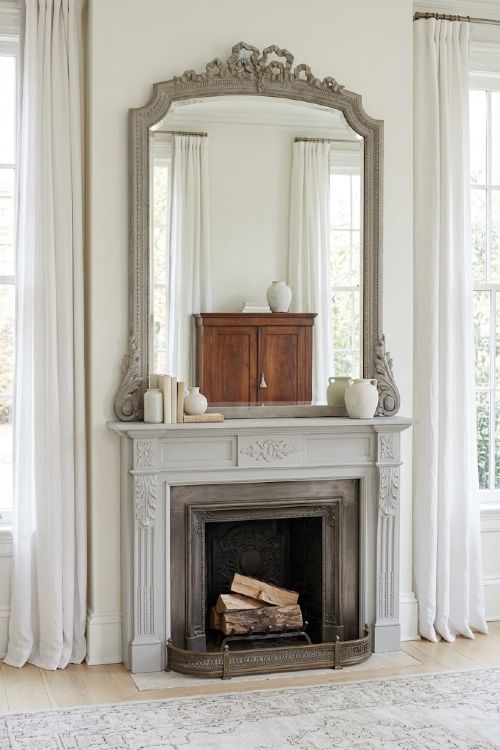
A wooden framed overmantel mirror anchors a fireplace, bringing depth and reflected light to a room through centuries-old joinery and carved timber.
Wooden Framed Overmantel Mirror
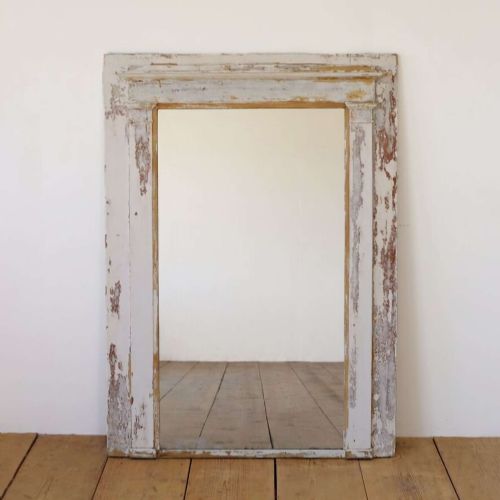
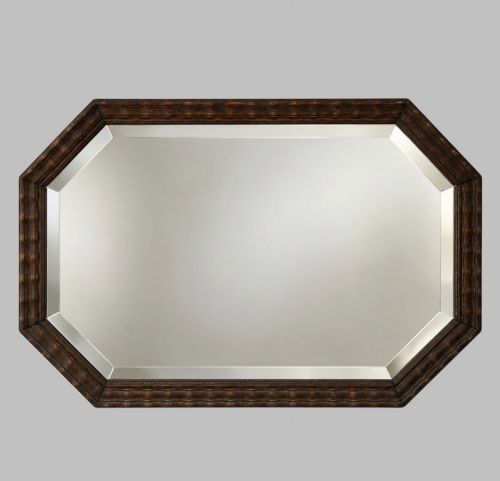
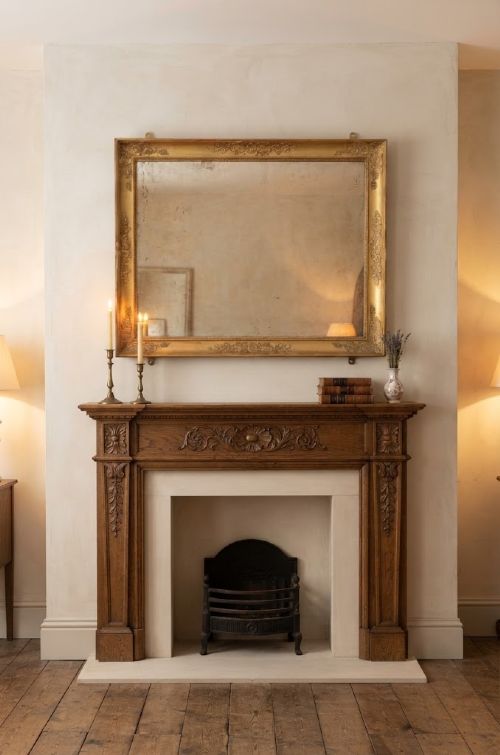
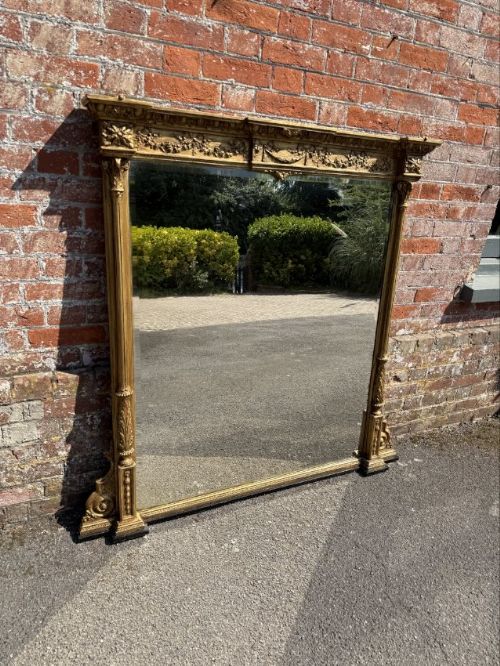
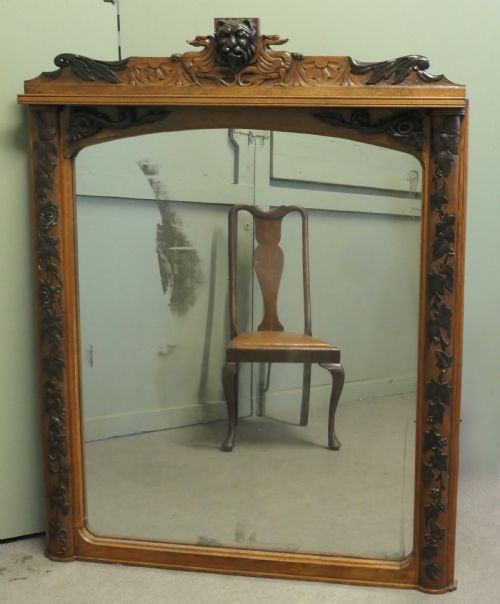
A wooden framed overmantel mirror is designed specifically to sit above a mantelpiece, combining functional glass with substantial timber architecture. These pieces emerge in styles ranging from plain rectangular oak frames to ornate Victorian and Edwardian iterations.
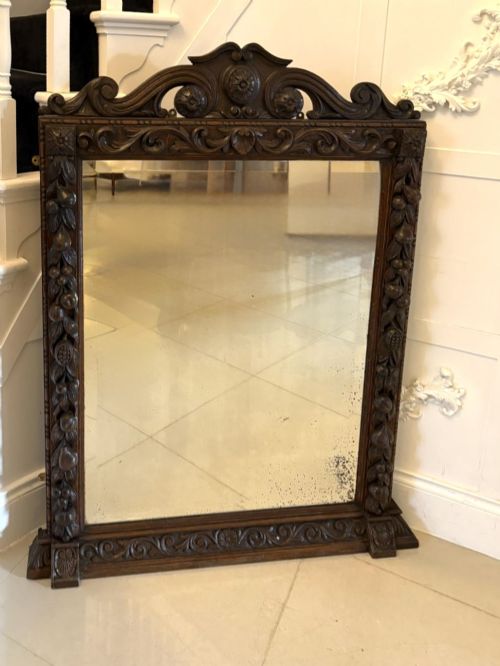
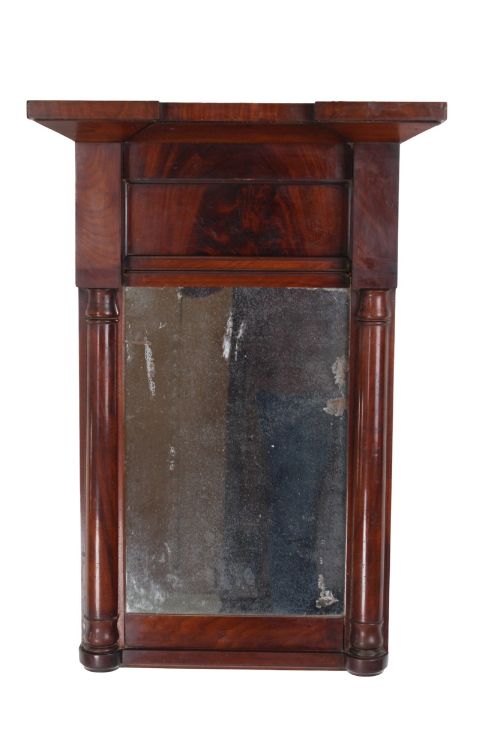
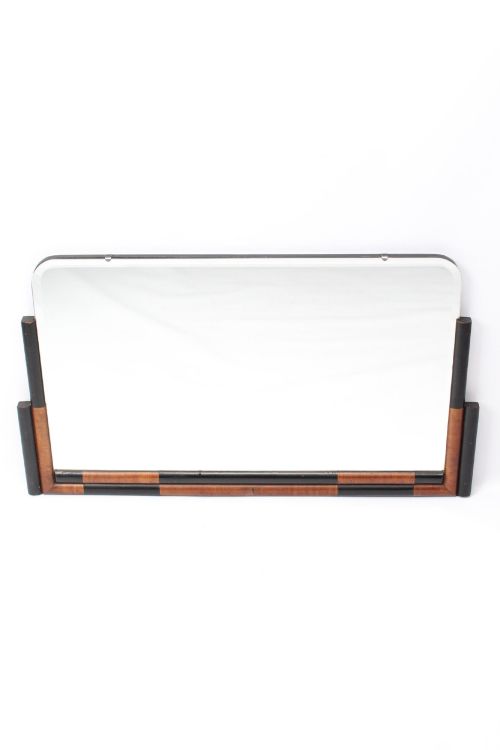
The version most commonly met on this page is the nineteenth century carved oak or mahogany frame, often displaying regional British or French influences. Alongside these, examples span from Regency proportions to early twentieth century art deco designs.
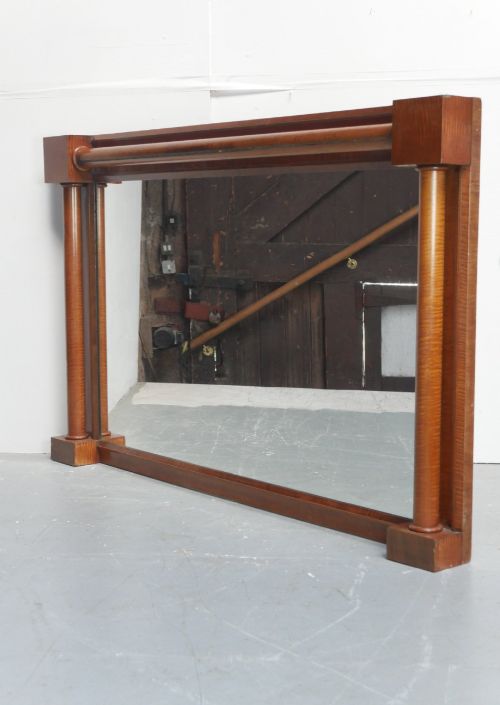
Makers and workshops utilised dense hardwoods like walnut, rosewood and oak to support heavy glass plates. Many incorporate architectural elements such as columns, pediments and giltwood highlights to command attention above the hearth.
How they were made
Carpenters constructed the primary carcasses from solid timbers like oak, mahogany and walnut, frequently employing mortise and tenon joinery to bear the substantial weight. Veneers of exotic woods were laid over secondary foundations during later periods to achieve decorative grain patterns.
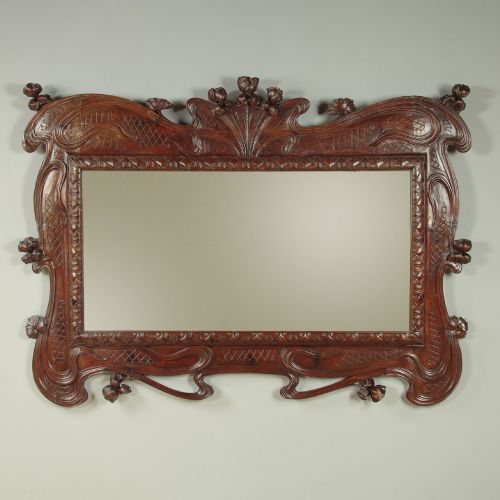
Carved ornamentations and gesso mouldings were applied directly to the wooden frames before receiving layers of gold leaf, silvering or painted finishes. Glass plates, often bevelled by hand, were secured from the rear with wooden backing boards.
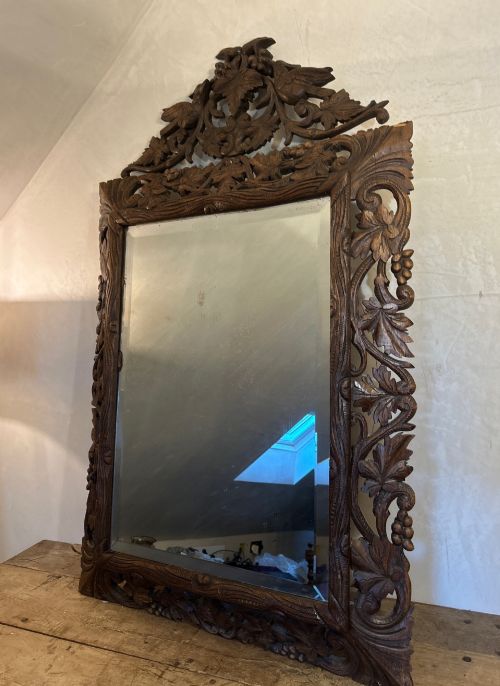
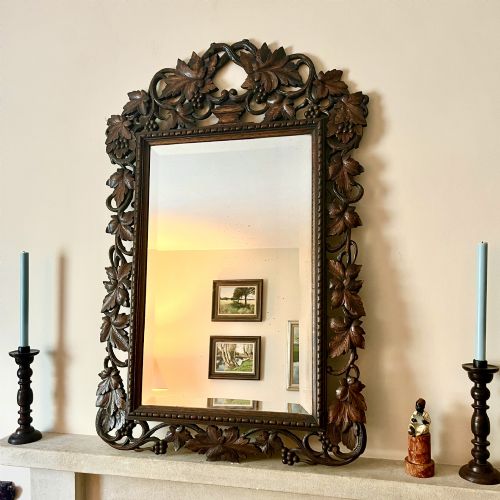
Some nineteenth century oak frames bear witness to hunting lodges, complete with carved woodland motifs and rustic crests.
What varies in quality
The depth and crispness of the hand-carved woodwork distinguish finer examples from standard production pieces. Crisp undercut foliage, balanced proportions and original mercury or bevelled mirror plates indicate superior workshop origin.
Structural integrity of the timber frame and the retention of original gilding or polish dictate the overall standard. Pieces retaining their primary backboards and untouched surface patination command greater appreciation among collectors.
Waring & Gillow
The Wooden Framed Overmantel Mirror Glossary
- Overmantel mirror
- A large wall glass specifically proportioned to hang on the chimney breast above a fireplace mantel. These items often feature horizontal rectangular formats or arched tops.
- Pier mirror
- A tall, narrow looking glass designed to hang on the wall space between two windows. They share similar framing techniques with overmantels but suit vertical spatial constraints.
- Giltwood
- Timber that has been coated with a thin layer of gold leaf over a prepared gesso base. This finish provides a luminous, reflective surface popular in formal nineteenth century interiors.
- Trumeau
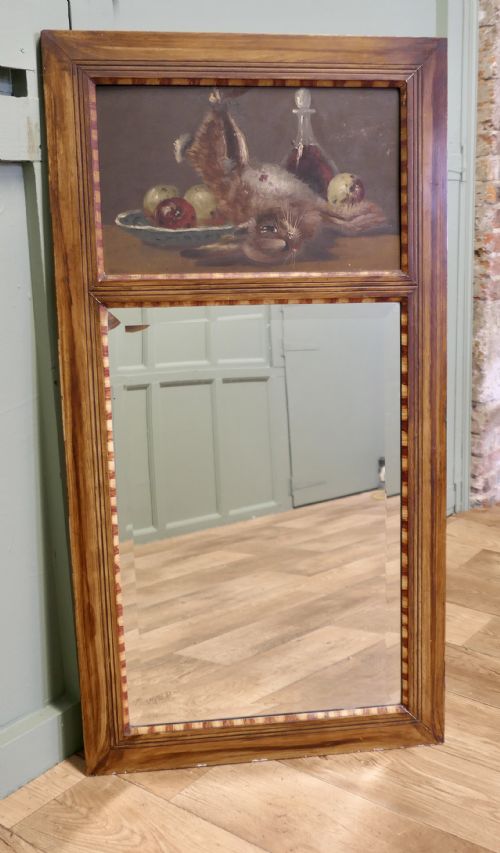
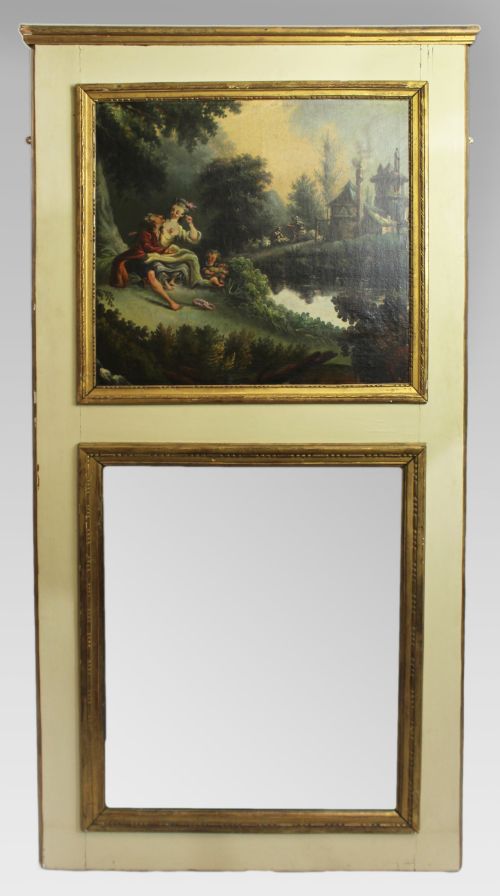
- A decorative wall mirror incorporating an oil painting or panel within the upper section of the wooden frame. Originating in France, these pieces combine artwork and glass into a single unit.
- Gesso
- A plaster-like mixture applied to wooden frames as a smooth base for subsequent gilding or painting. Artisans carve intricate relief patterns directly into this hardened material.
Wooden Framed Overmantel Mirror: Frequently Asked Questions
How do I hang a heavy wooden framed overmantel mirror?
These mirrors carry significant weight due to their dense hardwood frames and thick glass plates. Secure fixings must anchor directly into wall studs or masonry rather than relying on standard plaster.
Employing a professional installer ensures the weight distributes safely across the structure without straining the original antique joints.
Where should I place an overmantel mirror if I have no fireplace?
Positioning the frame low on a main wall allows the piece to function much like a traditional mantel installation. Placing it opposite a window maximises natural light distribution across the room.
Ensure the hanging height relates to surrounding furniture such as sideboards or low console tables to maintain visual balance.
How do I clean the wooden frame and glass?
Dust the carved wooden elements gently with a soft, dry brush to prevent dirt accumulation in the crevices. Avoid commercial liquid cleaners on antique giltwood or polished surfaces to protect the original finish.
Apply a mild glass cleaner sparingly to a cloth rather than directly onto the mirror plate to prevent moisture seeping behind the silvering.
How can I tell a nineteenth century mirror from a later reproduction?
Examine the timber construction methods and the backboards for age-related shrinkage and hand-cut fixings. Older glass plates often exhibit minor foxing, subtle distortions or hand-bevelled edges.
Look for consistent wear patterns on the finish that match the expected period of manufacture.