


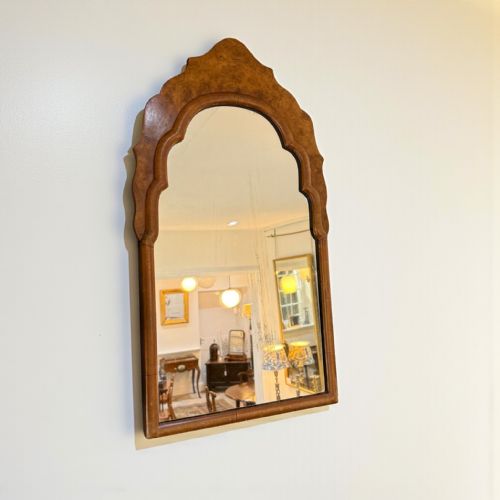
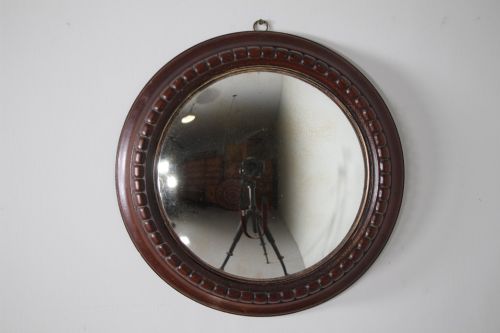
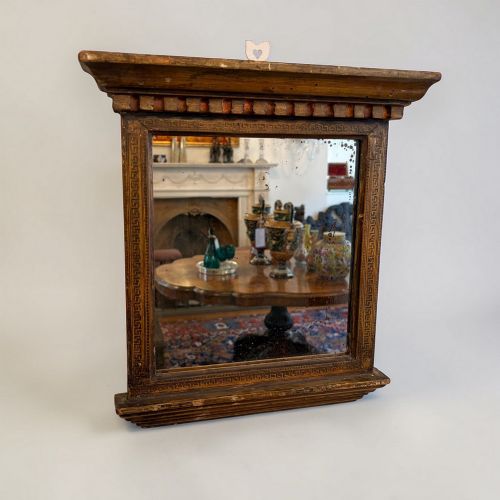
Wooden Framed Glass
Wooden framed glass items bring together timber and plate in mirrors, cabinets, and signage spanning multiple centuries.
Wooden Framed Glass
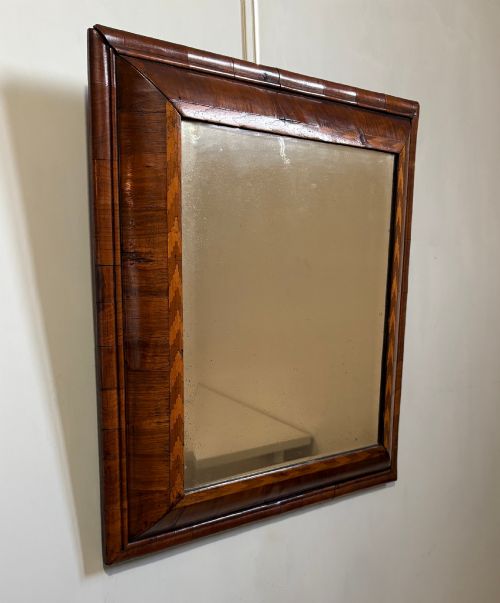
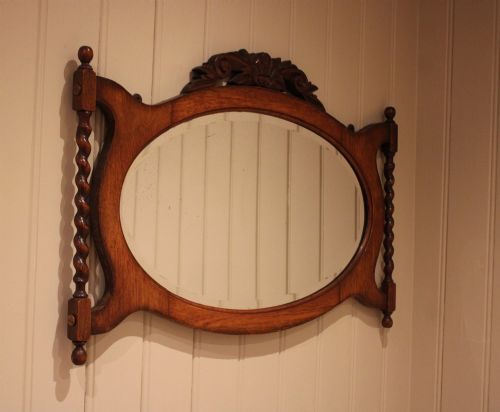
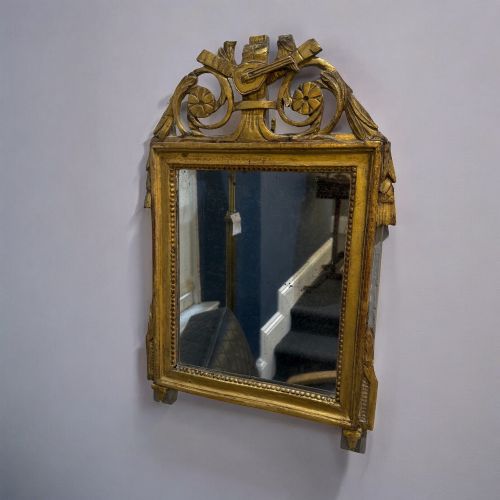
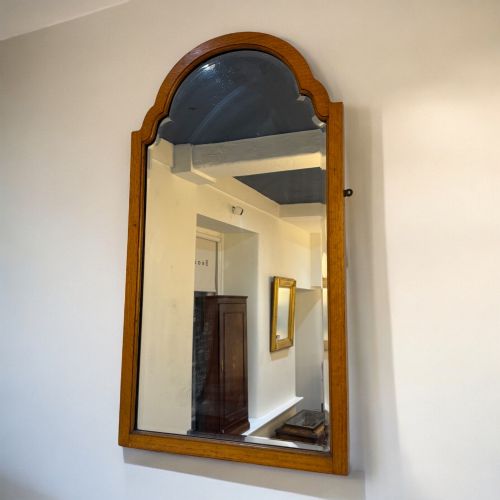
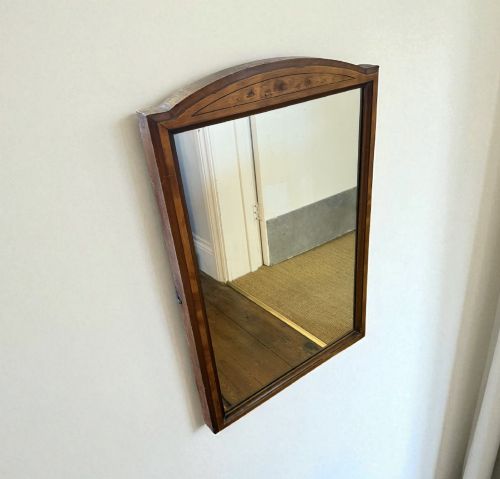
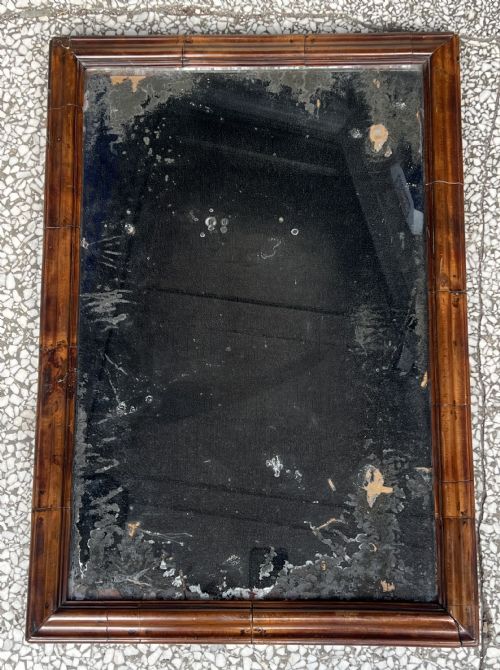
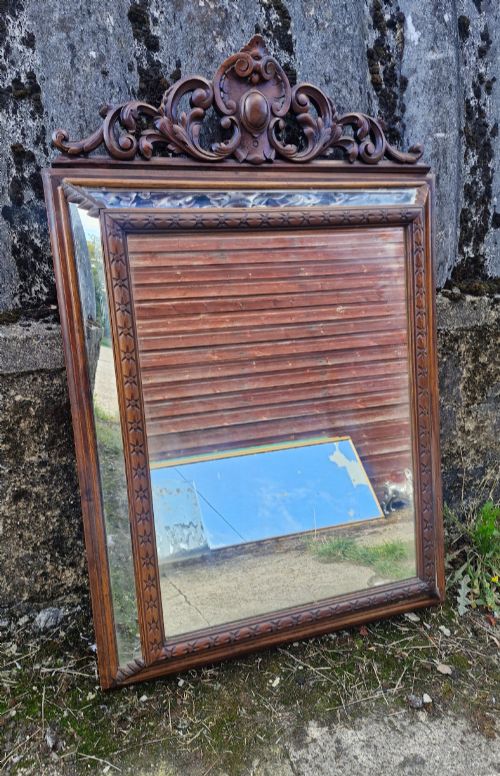
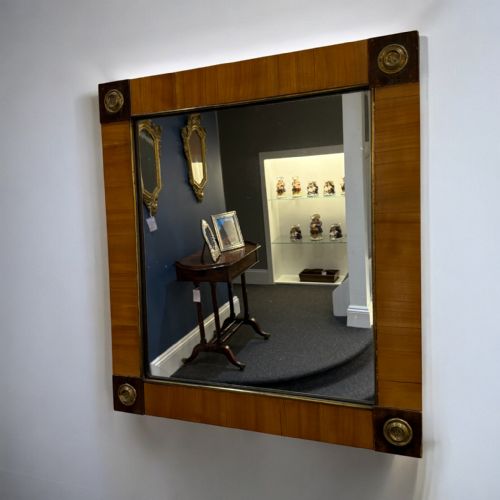
When searching for wooden framed glass, buyers encounter primarily mirrors, alongside architectural salvage, signage, and display cases. The selection spans the eighteenth, nineteenth, and early twentieth centuries, covering periods from Georgian to Edwardian and styles such as Queen Anne, Regency, and Rococo Revival.
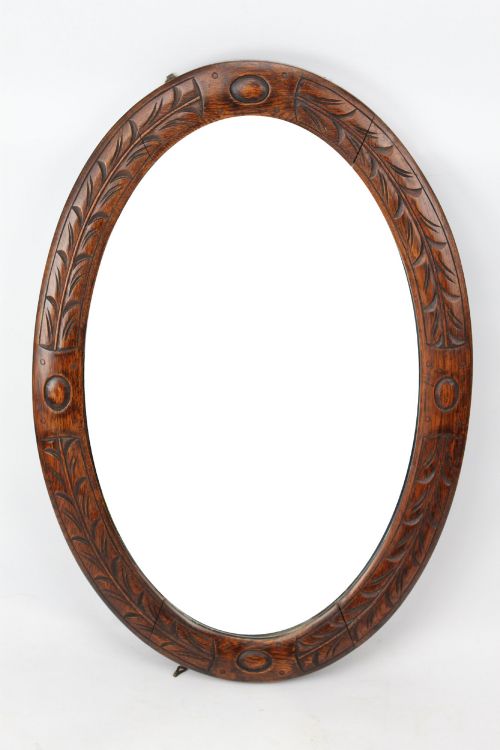
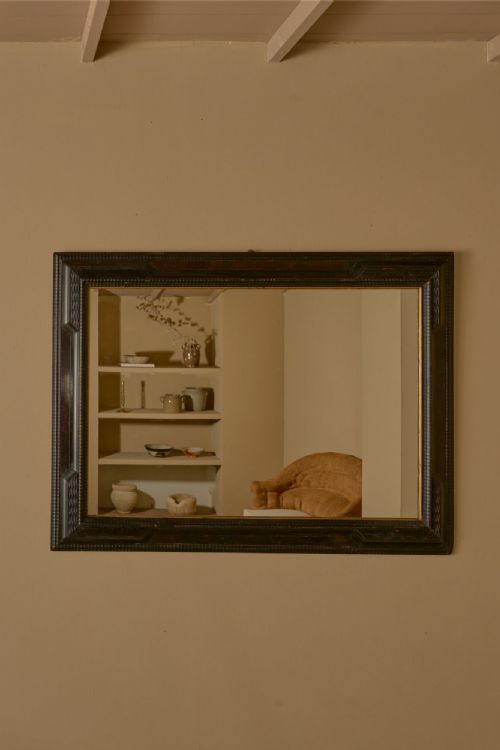
The most common forms on this page are wall mirrors, overmantel mirrors, and toilet mirrors framed in oak, mahogany, walnut, and rosewood. These pieces served practical domestic functions in reception halls, parlours, and bedrooms, evolving through distinct stylistic revivals.
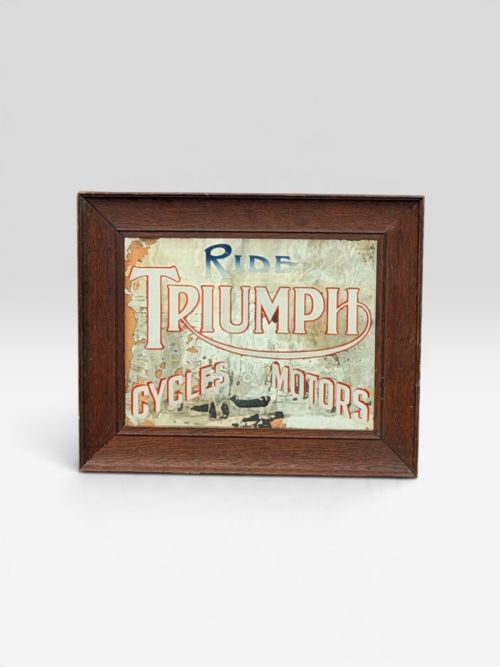
Beyond mirrors, the category accommodates specialised items like taxidermy display cases, shop mirrors, and glass signs from dental practices. Such pieces demonstrate the diverse applications of timber frames enclosing glass across commercial and domestic environments.
How they were made
Frames rely on cabinet timbers including oak, mahogany, walnut, and rosewood, shaped through traditional joinery and carving techniques. Ornamentation often involves applied gesso, parcel-gilt details, or fine inlay work set into the wooden surrounds.
Glass plates within these frames vary from standard mirror glass and bevelled edges to engraved plates and reverse glass painting techniques. Securing these fragile panels required precise rebates and backing boards tailored to the weight of the glass.
Wooden Framed Glass Retail Price Guide 2026
Typical asking prices for wooden framed glass among the pieces listed under this phrase on Sellingantiques today, from the lower quarter to the upper quarter. They describe what is for sale here now, not the wider market.
Object types range from Georgian fretwork wall mirrors to Edwardian dentist practice windows and Victorian taxidermy cases.
What varies in quality
The calibre of a piece rests on the depth and crispness of the wood carving, the selection of figured veneers, and the integrity of the original plate. Finer examples display meticulous joinery and balanced proportions characteristic of their specific period style.
Subtleties in surface finish, such as the preservation of original gilding, gesso ornamentation, and the character of antique mirror glass, distinguish superior items from standard domestic furnishings.
Waring and Gillow·T. E. Gunn
The Wooden Framed Glass Glossary
- Overmantel mirror
- A large mirror designed to hang above a fireplace mantelpiece. These pieces often feature horizontal proportions suited to the width of the hearth.
- Pier mirror
- A tall, narrow mirror traditionally placed on the pier of wall between two windows. Their vertical format maximises reflected light in smaller wall spaces.
- Toilet mirror
- A small adjustable mirror mounted on a miniature chest or frame, used on a dressing table. They frequently incorporate small drawers in the base.
- Reverse glass painting
- An art technique where the image is painted directly onto the back of the glass sheet. When viewed from the front, the colours appear through the glossy surface.
- Gesso
- A plaster-like mixture applied to wood surfaces to create a smooth base for gilding or painting. It allows for intricate, moulded decorative reliefs on frames.
Wooden Framed Glass: Frequently Asked Questions
How do I hang a heavy antique mirror safely?
Heavy framed glass requires fixings rated well above the weight of the object, anchored securely into masonry or substantial wall studs.
Professional mirror hangers utilise split battens or heavy-duty D-rings distributed evenly across the wooden frame to prevent warping or strain on the antique joints.
What is the difference between a pier mirror and an overmantel mirror?
Pier mirrors are traditionally tall and narrow, built to fit the narrow wall space between windows. Overmantel mirrors are wide and low, proportioned to sit above a fireplace.
Both serve to reflect natural light around a room, but their distinct dimensions reflect the specific architectural spots they were designed to occupy.
How do I clean antique glass and wood frames?
Glass should be wiped gently with a soft cloth and a minimal amount of neutral cleaner applied to the cloth rather than the glass. This prevents moisture from seeping behind the plate.
Wooden frames benefit from occasional dusting with a dry lint-free cloth and careful application of appropriate wax, avoiding harsh chemical polishes that strip historic finishes.
Can I date a mirror by its glass plate?
The manufacturing method of the glass provides strong clues to age, alongside the construction of the wooden frame. Hand-blown cylinder glass and early bevels differ noticeably from twentieth-century machine-rolled plate.
Original backing boards, old screws, and paper dealer labels also help confirm the period when the piece was assembled.