
Wooden Frame Armchair
A wooden frame armchair brings structural timber and upholstered comfort together, offering a sturdy seat shaped by centuries of varied domestic design.
Wooden Frame Armchair
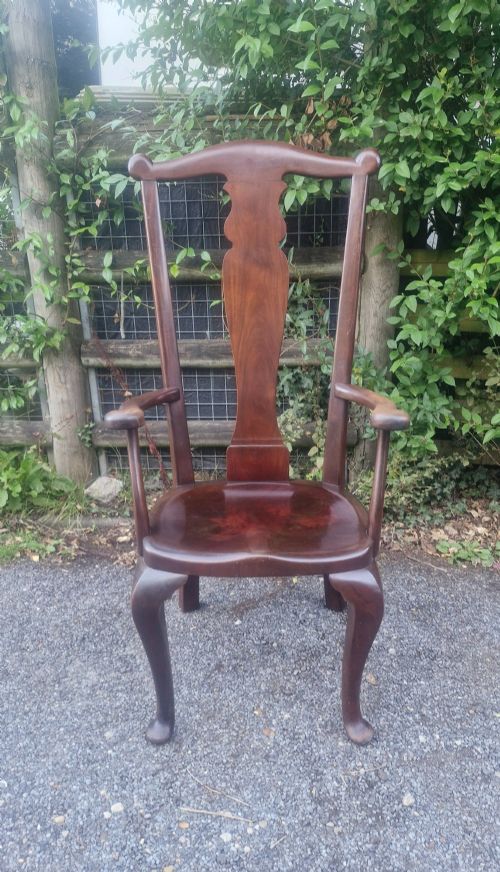
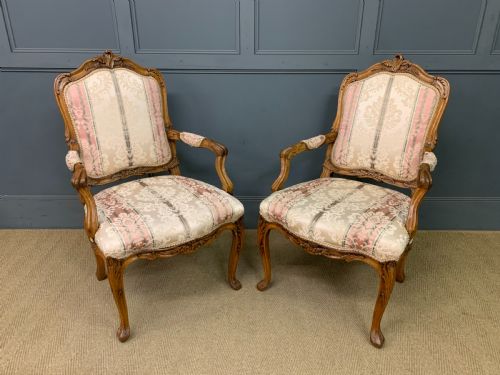
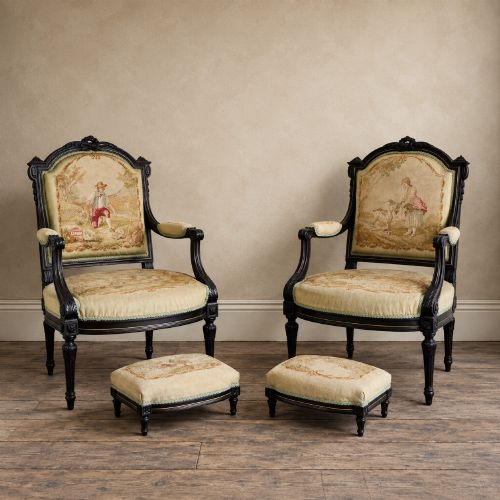
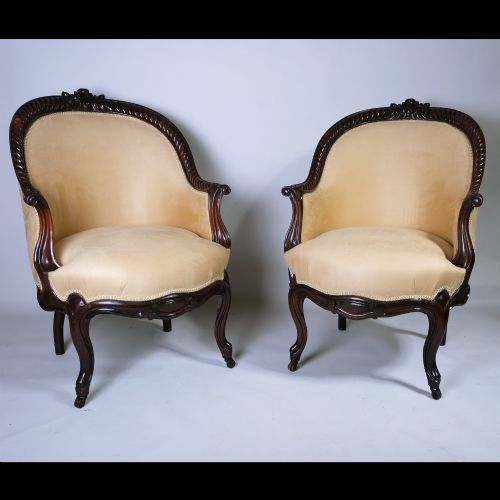
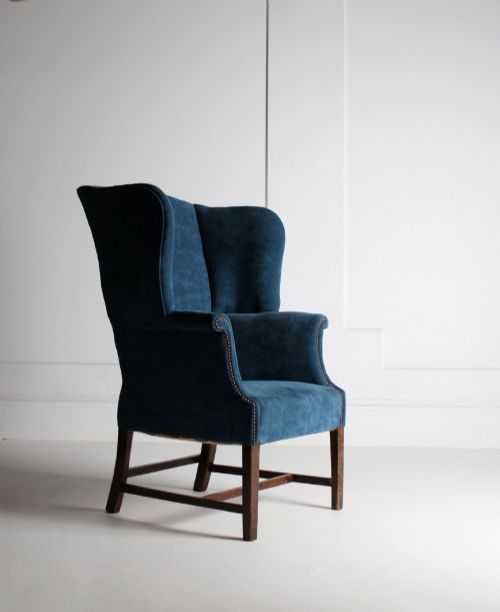
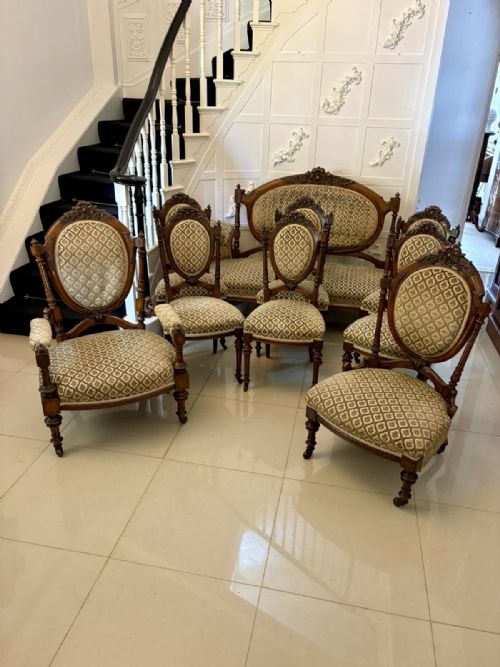
A wooden frame armchair encompasses seating constructed from timber frames, spanning centuries of domestic and formal interior design. When exploring a wooden frame armchair selection, buyers encounter formats ranging from low salon chairs to high-backed desk variants.
The material evidence shows pieces originating from the 17th century through to the 20th century, with significant representation from the Victorian and Edwardian eras. Common stylistic expressions include Gothic Revival, Louis XV Revival, and country vernacular forms.
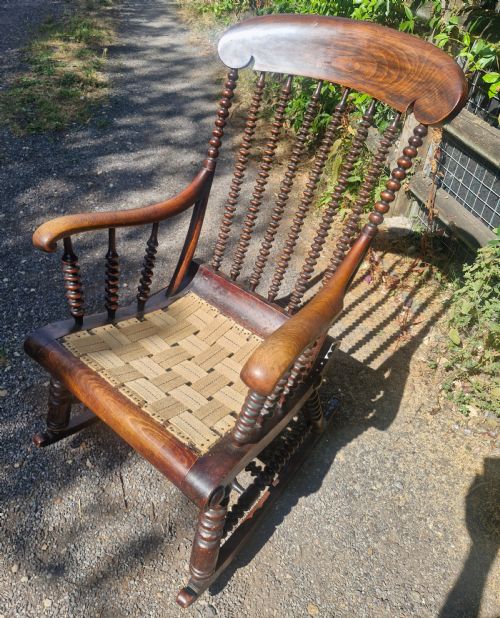
Makers utilised woods such as oak, walnut, mahogany, ash, elm, and pitch pine to build sturdy carver chairs, rocking chairs, and nursing chairs. Many examples feature upholstered elements in velvet, fabric, or needlework alongside rush seating.
How they were made
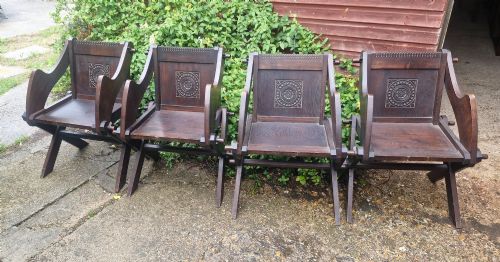
Makers constructed these chairs using hardwoods like oak, walnut, mahogany, and ash, often shaping the timber through carving, turning, or joining. Frames were built to support various seating configurations, from heavy monastic-style Glastonbury chairs to light salon furniture.
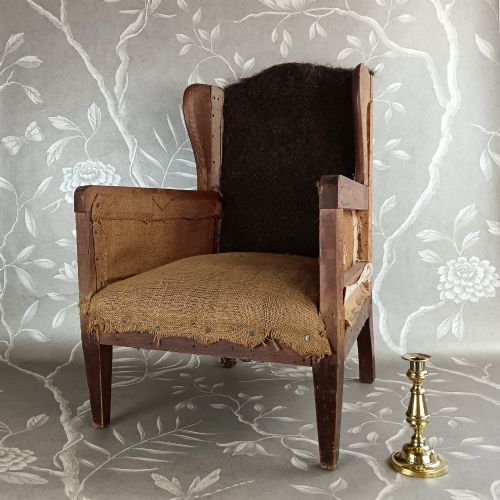
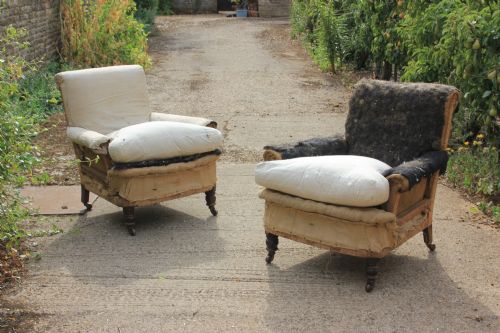
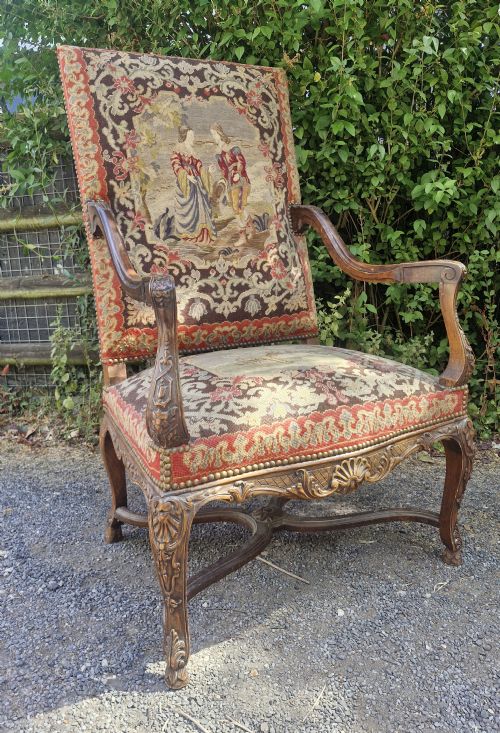
Upholstery techniques applied to these frames included padding with textiles such as velvet, leather, needlework, and petit point. Secondary materials like brass and rush added functional and decorative detailing to the wooden structures.
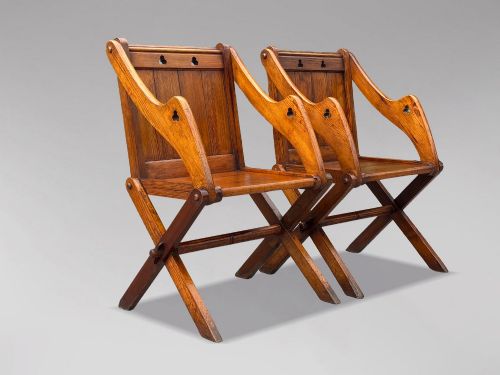
Some chairs fold flat like accordions for easy storage, proving that medieval furniture designers anticipated modern space-saving demands.
What varies in quality
Quality rests in the precision of the timber carving and the integrity of the joinery within the frame. Pieces produced by specialist workshops display crisper detailing and more harmonious proportions than simpler vernacular examples.
The selection and preservation of materials dictate the grade of each piece, from dense walnut and figured mahogany to robust regional timbers like ash and elm. The survival of original upholstery work or period-appropriate textile additions also influences the standing of individual chairs.
White, Allom & Co
The Wooden Frame Armchair Glossary
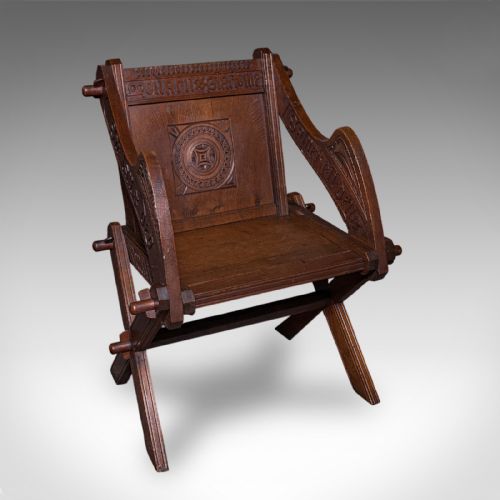
- Glastonbury chair
- A type of folding wooden armchair with an X-shaped frame, often associated with Gothic Revival designs and oak construction. These chairs typically feature inscribed backs and ecclesiastical styling.
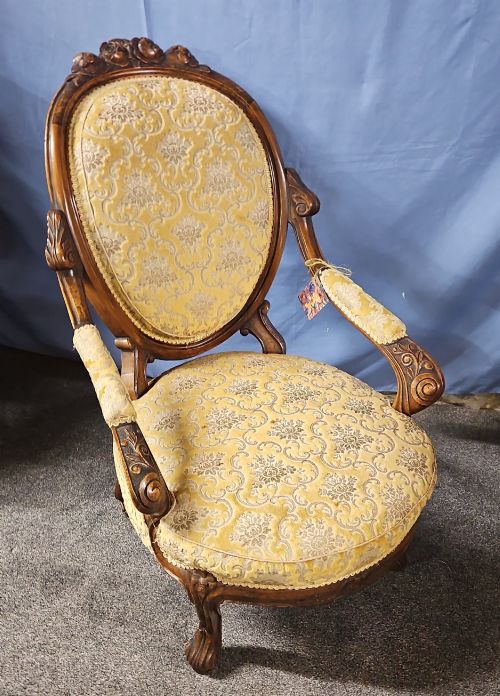
- Fauteuil
- An open-framed upholstered armchair originating in France, characterised by exposed wooden arms and carved frame details. This form frequently appears in revival styles such as Louis XV and Louis XVI.
- Carver chair
- A sturdy armchair, often traditionally made from timbers like ash and elm, used historically at the head of a dining table. Country versions display ladderback or spindle designs.
- Savonarola chair
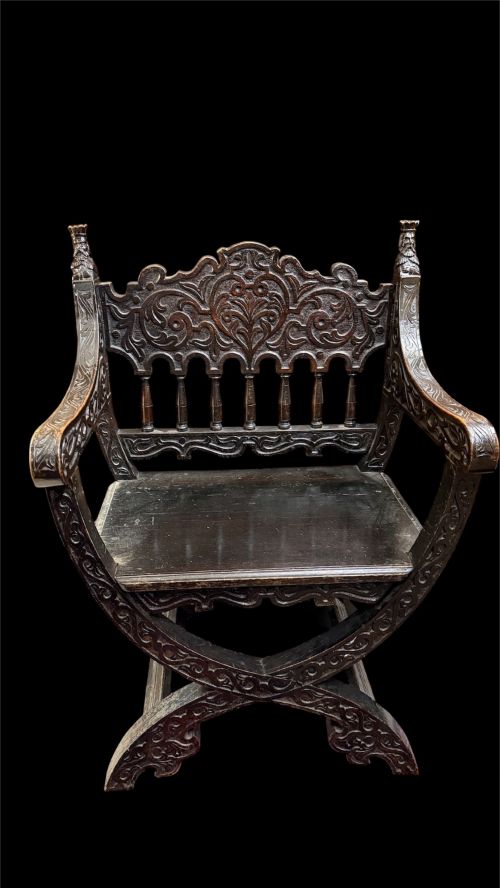
- A folding armchair constructed from intersecting wooden slats that form an elaborate X-frame. These chairs often incorporate intricate carved decoration.
- Petit point
- A form of tent stitch embroidery executed on fine canvas, frequently utilised for the upholstered seat or back panels of 19th-century chairs.
Wooden Frame Armchair: Frequently Asked Questions
What is a wooden frame armchair?
A wooden frame armchair is a seat built with an exposed timber structure supporting upholstered or solid panels. These chairs span multiple centuries and design movements, ranging from formal parlour seating to sturdy country carvers.
Makers utilised various woods and decorative styles to construct these chairs for different domestic settings, from studies to drawing rooms.
How do I identify the period of an armchair?
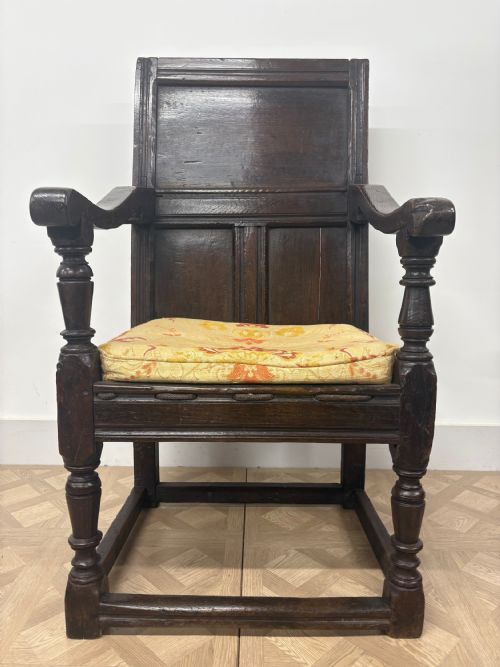
Period identification relies on observing the timber species, carved stylistic details, and construction methods used in the frame. Victorian and Edwardian examples often feature revival motifs, while 17th-century pieces display heavier joinery and distinct vernacular turning.
Comparing the chair's overall silhouette and upholstery style against documented historical forms helps narrow down its likely date of manufacture.
Were these chairs used at desks?
Certain forms, particularly mahogany framed high-back or desk armchairs, were specifically built for use in libraries and studies. These variants provided supportive upright seating for writing and reading.
Desk chairs from the 19th and early 20th centuries combined sturdy timber frames with comfortable upholstered or padded seats.
What styles are common in these armchairs?
Common styles include Gothic Revival, Louis XV and Louis XVI revivals, Edwardian vernacular, and Anglo-Indian designs. Each style reflects the aesthetic preferences of its era, utilising specific carving patterns and wood finishes.
Makers adapted these historical styles to suit contemporary domestic interiors, producing diverse seating options.
How should I care for a wooden frame armchair?
Care involves protecting the timber frame from excessive moisture and direct sunlight to preserve the wood and any carved details. Regular dusting with a dry cloth keeps the surface clean without damaging the finish.
Upholstered sections require gentle brushing or vacuuming with a low-suction attachment, depending on whether the textile is velvet, needlework, or standard fabric.