


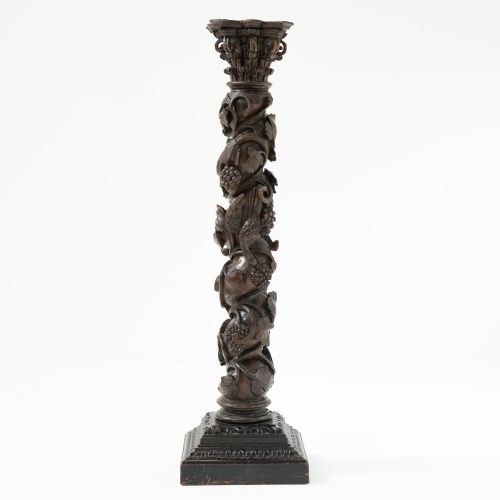
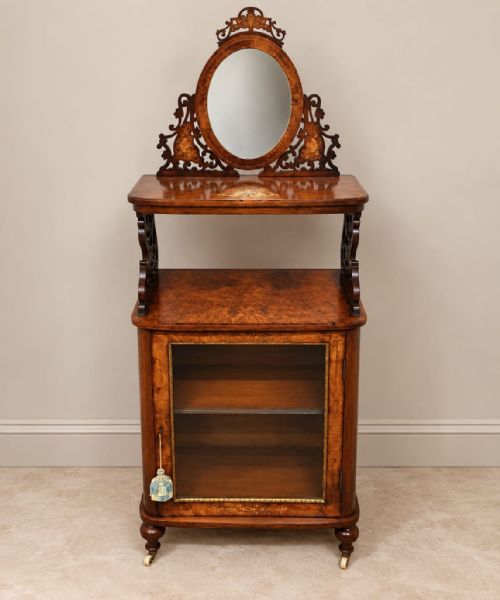
Wooden Display Stand
These wooden display stand pieces range from compact plant supports to grand pedestals, offering solid timber architecture to elevate your interior objects.
Wooden Display Stand
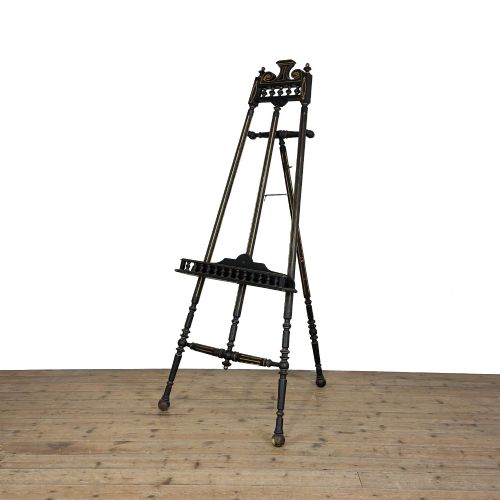
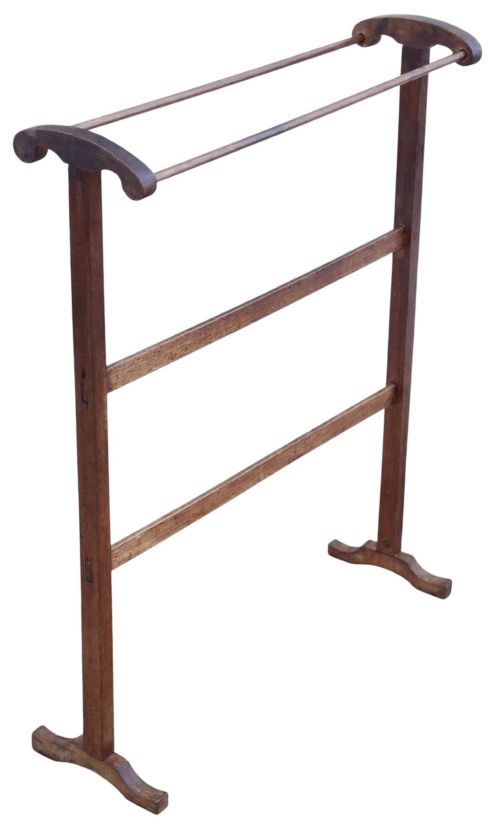
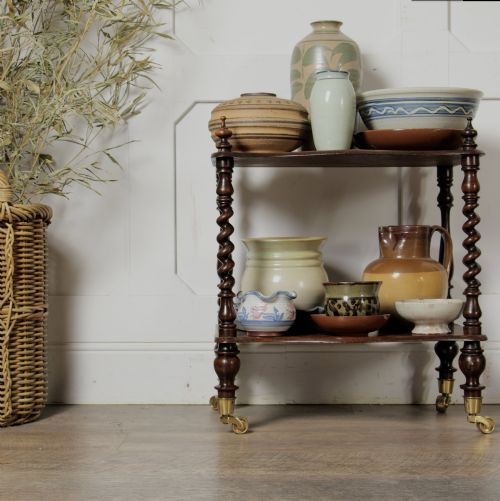
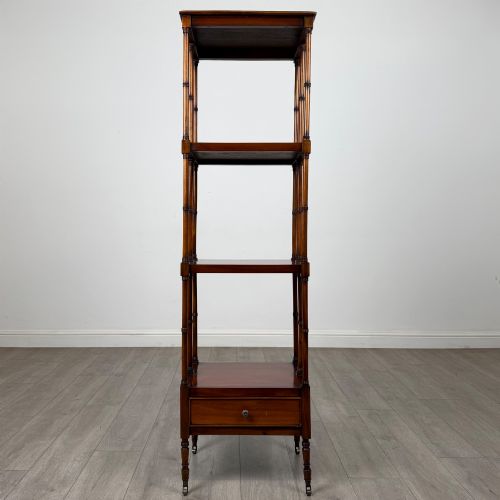
A wooden display stand covers a diverse group of functional objects designed to elevate items within a room, appearing frequently as plant stands, pedestals, plinths, and specialised display columns. Buyers seeking this phrase encounter formats stretching from compact Edwardian satinwood tiers and rustic oak plant supports to tall Victorian columns and architectural display pedestals.
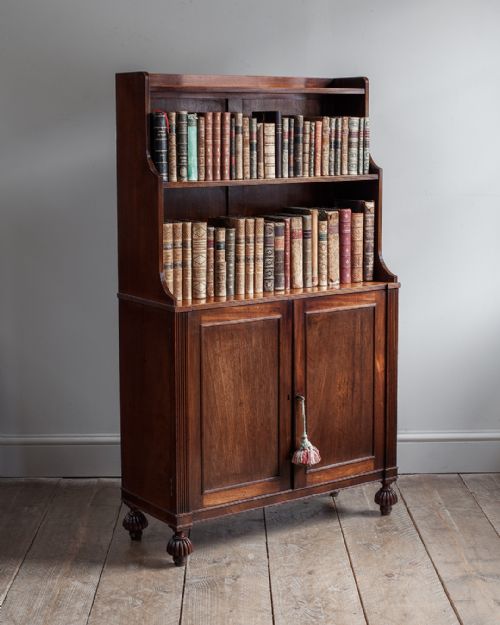
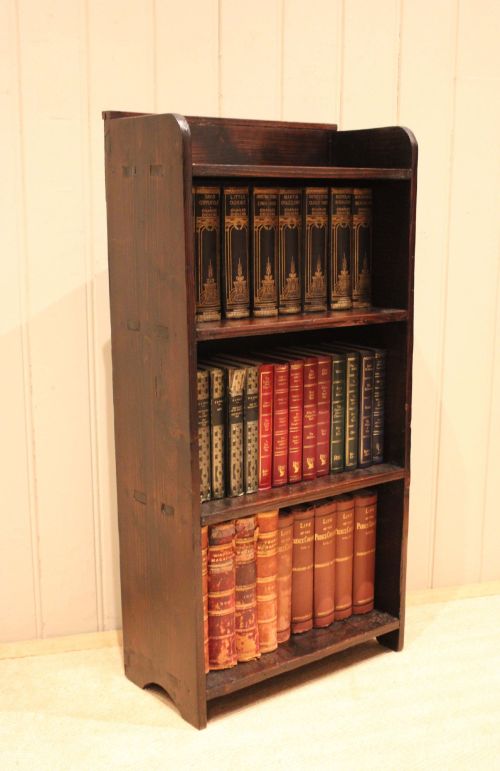
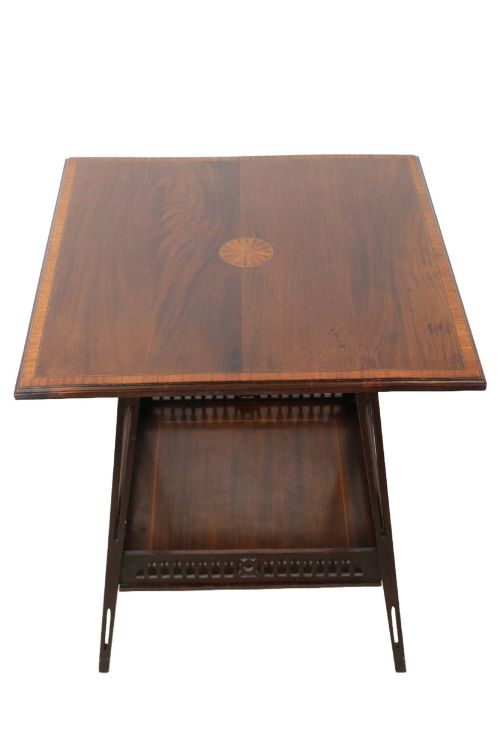
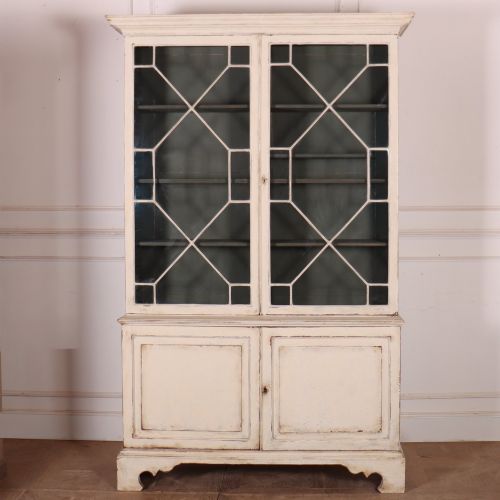
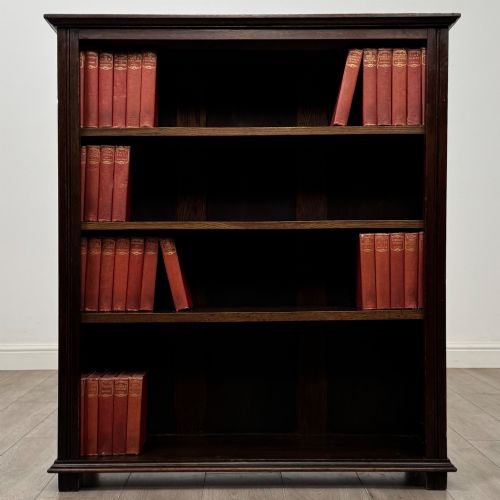
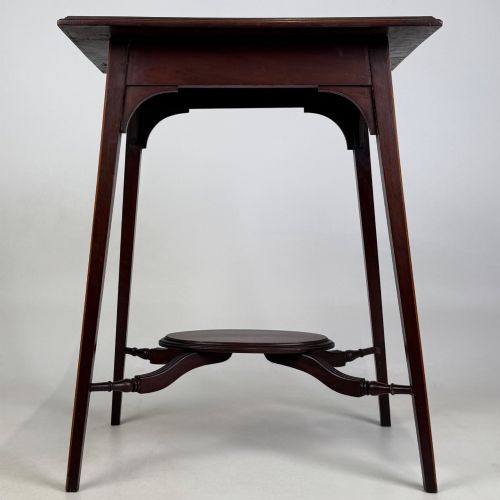
The selection encompasses pieces originating across the eighteenth, nineteenth, and early twentieth centuries, reflecting styles such as Edwardian, Victorian, Arts and Crafts, and rustic country. Alongside dedicated plant stands and pedestals, the category broadens into occasional tables, bookcases, and shelving units that share the fundamental purpose of presentation.
Most pieces met in this collection lean toward domestic utility combined with decorative carving, turning, or inlay. Whether utilising the rich grain of mahogany, the sturdy character of oak, or painted finishes, these items serve to lift ceramics, plants, and art pieces into prominence.
How They Were Made
Cabinet makers utilised dense hardwoods such as oak, mahogany, and satinwood alongside softer pine and painted surfaces, shaping them with hand tools, lathes, and precise joinery. Structural stability was paramount, especially for tall pedestals, columns, and plant stands that needed to bear weight securely without warping.
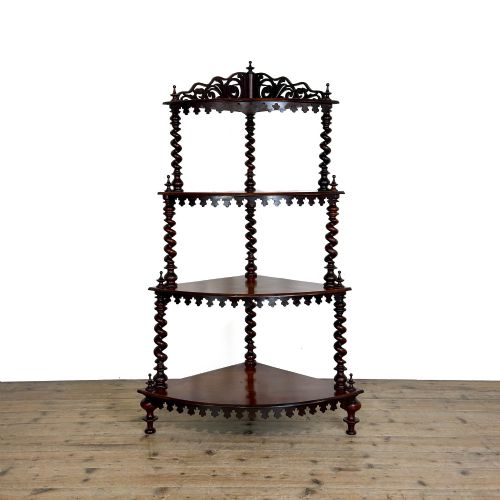
Decorative detailing relied on traditional techniques including wood turning, such as barley twist and Solomonic columns, as well as fine inlay, carving, and ebonising. Metal components like brass castors occasionally appeared on larger pieces to assist movement across floors.
Listings feature oak, mahogany, satinwood, and pine alongside brass and glass elements across Georgian, Victorian, and Edwardian periods.
What Varies in Quality
Quality rests upon the selection of timber grain, the crispness of hand carving or turning, and the integrity of the underlying construction. Superior examples display thoughtful proportions, sound joinery that withstands weight, and well-preserved surface patination.
Trevor Page & Co
The Wooden Display Stand Glossary
- Pedestal
- A structural support or column designed to elevate a bust, vase, or sculpture. These upright pieces often feature classical turning or carved detailing.
- Torchere
- A tall stand or candlestick holder adapted for display purposes, typically featuring a slender shaft raised on a stable base. Originating in earlier centuries, they support small decorative objects.
- Whatnot
- A multi-tiered piece of furniture with open shelves used for displaying ornaments and books. They emerged prominently in the Victorian era with slender corner or freestanding formats.
- Inlay
- A decorative technique where pieces of contrasting timber, such as satinwood or harewood, are inserted into recesses within the primary wood surface. This creates flat patterns and geometric designs.
- Solomonic
- A form of spiral column resembling a twisted helix, popular in seventeenth and nineteenth-century furniture design. It adds dynamic visual movement to vertical supports.
Wooden Display Stand: Frequently Asked Questions
What is a wooden display stand used for?
These pieces elevate objects, plants, and sculptures above floor level to draw the eye and highlight their presence within a room. They function practically as sturdy platforms while contributing architectural character to an interior.
Historically, specific forms were tailored for plants, books, hats, or art objects, though modern placement depends entirely on the owner's decorative needs.
How do I date a wooden display stand?
Dating relies on observing the prevailing timber choices, construction methods, and stylistic motifs present in the piece. For instance, satinwood inlay often points to the Edwardian period, while heavy carved oak frequently aligns with Victorian or Arts and Crafts production.
Examining the underside, screw types, and tool marks helps confirm whether a piece belongs to the eighteenth, nineteenth, or early twentieth century.
Where should I place a display stand?
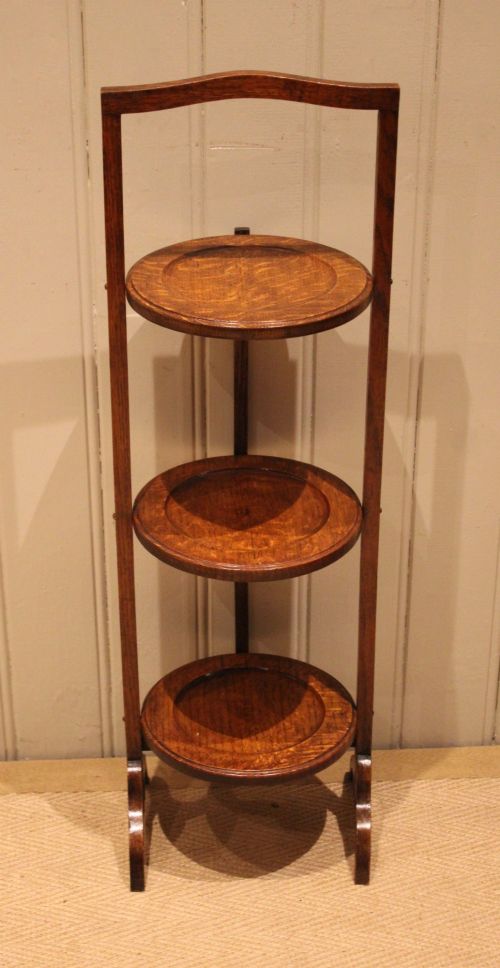
Display stands suit corners, empty wall spaces, or prominent positions where an elevated object can be admired from multiple angles. Taller pedestals and columns work well with sculptures or urns, while tiered stands and small tables fit beside seating.
Ensuring the floor is level is essential, particularly for tall, slender columns or heavy marble-topped stands.
What is the difference between a pedestal and a plant stand?
Pedestals typically feature classical architectural references, such as fluted columns or capitals, and were traditionally designed to display art or fine ornaments. Plant stands often incorporate lighter framing, multiple tiers, or moisture-resistant ledges intended for horticulture.
In practice, however, many antique pieces served both functions interchangeably depending on the household.