


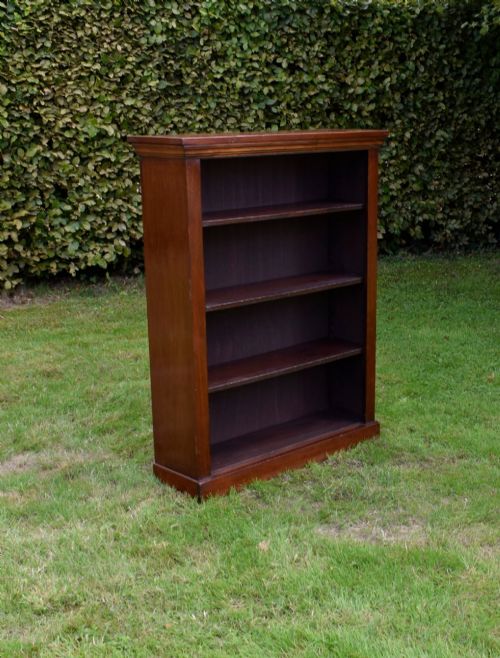
Wooden Display Shelves
Wooden display shelves offer practical storage and visual charm, spanning Georgian, Victorian, and Edwardian periods in oak, mahogany, and walnut.
Wooden Display Shelves
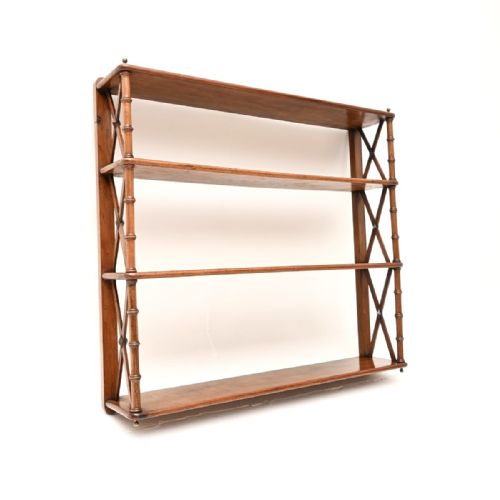
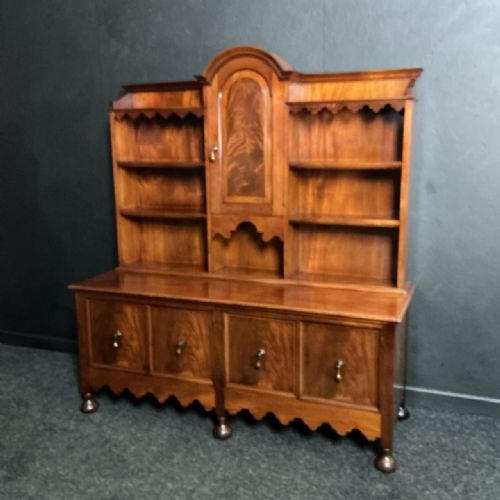
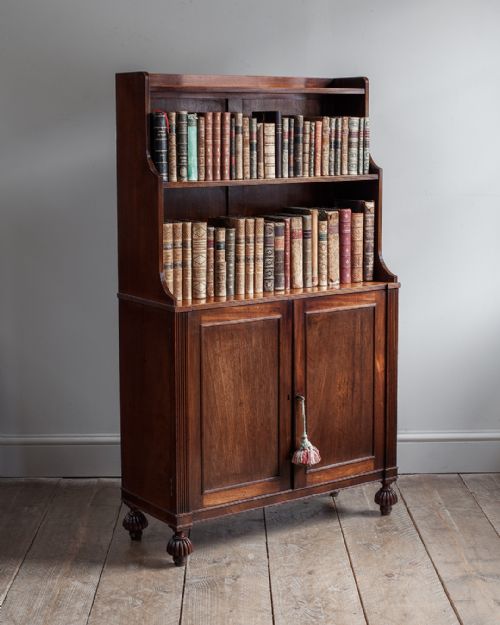
Wooden display shelves encompass a variety of open bookcases, wall brackets, and corner whatnots designed to hold books and decorative objects. These pieces range from substantial 19th Century walnut cabinets to lighter Edwardian mahogany open bookcases intended for domestic display.
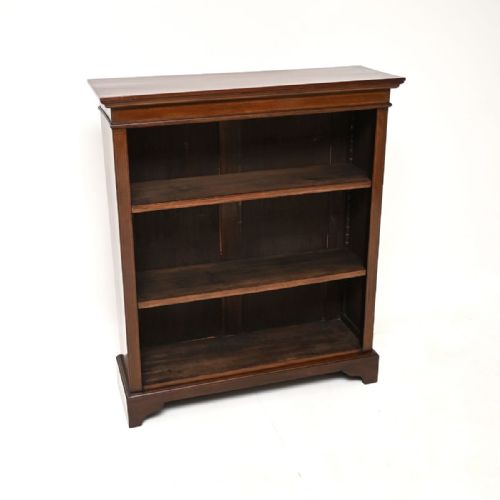
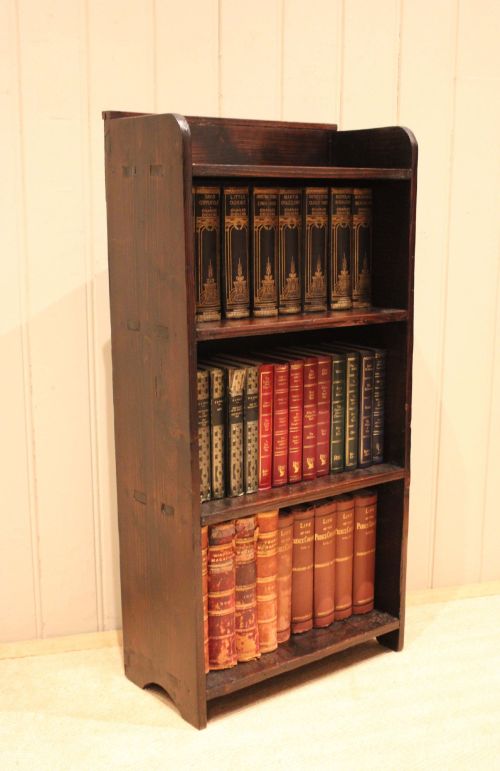
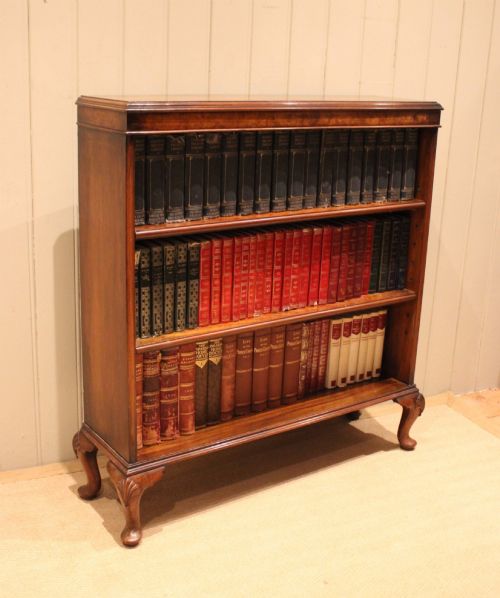
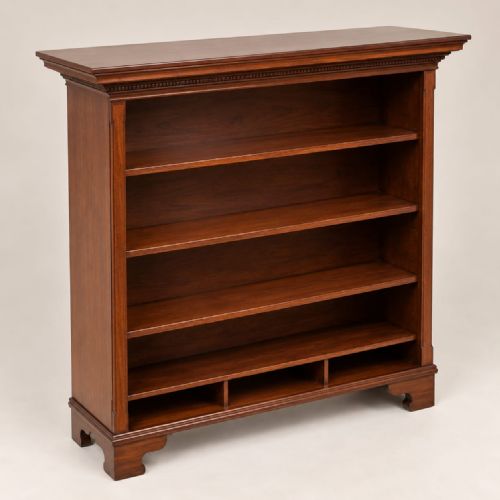
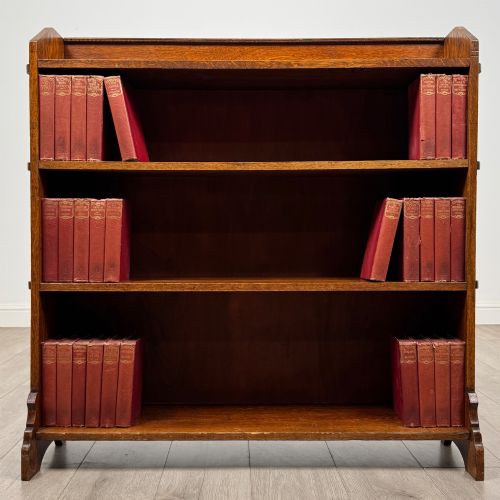
The versions most commonly met on this page include Edwardian and Victorian open bookcases, often fashioned from mahogany or oak. Buyers also encounter hanging shelves, wall mounting bookcases, and rustic pine units suited to traditional and period interiors.
Materials and construction
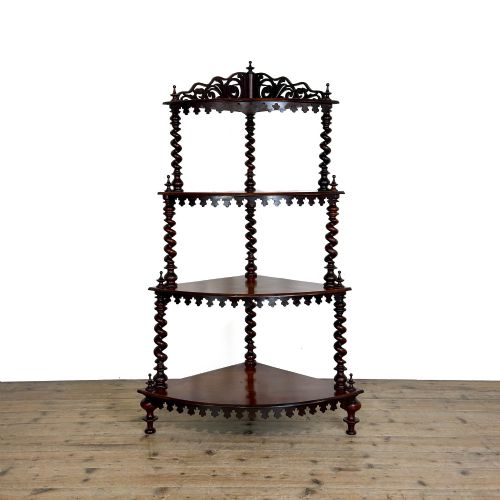
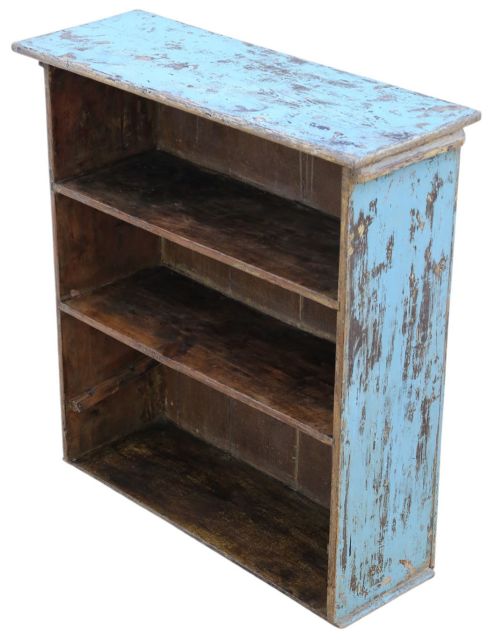
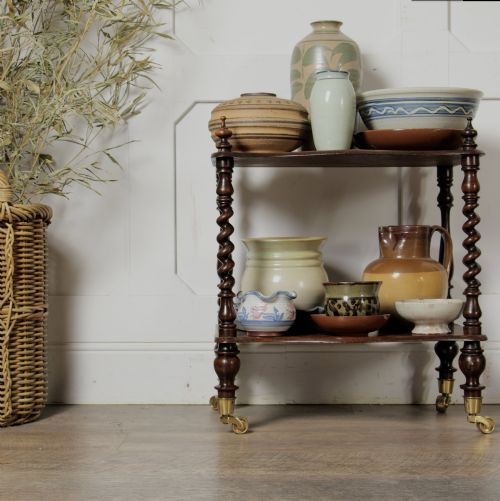
Construction techniques include adjustable shelving mechanisms and tiered arrangements like waterfall bookcases and barley twist stands. Simpler rustic pieces employ pine and timber planks, reflecting country styles and utilitarian design.
Listings feature oak, mahogany, walnut, pine, and satinwood across Victorian, Edwardian, Georgian, and Art Deco styles.
Judging quality in display shelving
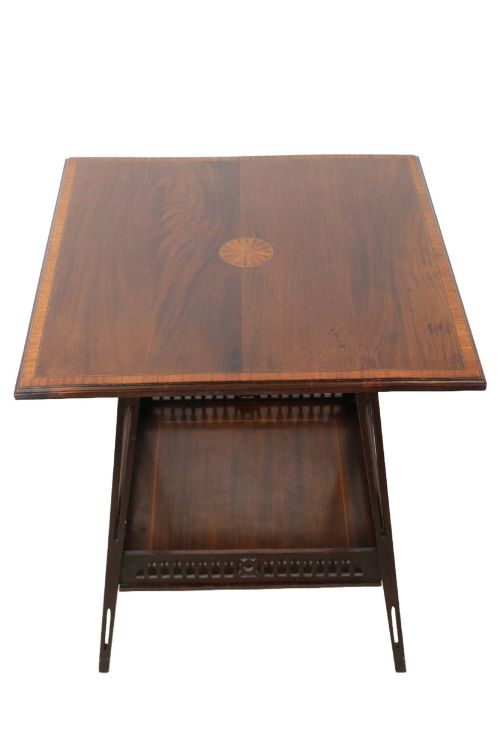
Quality in these pieces rests upon the choice of timber and the fineness of the cabinet work, such as burr walnut veneers or delicate marquetry inlay. Superior items exhibit careful proportion, sound structural joints, and refined mouldings appropriate to their period.
The presence of secondary elements like adjustable wooden shelves and brass castors elevates a piece above standard utility furniture. Simpler rustic pine items rely on honest construction and patination rather than elaborate ornamentation.
Trevor Page And Co·Heals
The Wooden Display Shelves Glossary
- Whatnot
- A piece of furniture consisting of a set of open shelves for small objects and ornaments. These typically feature multiple tiers supported by slender uprights or columns.
- Waterfall bookcase
- A set of open shelves where each tier steps back from the one below it. This style creates a cascading profile popular in Regency and Edwardian design.
- Inlay
- A technique where pieces of contrasting timber or decorative material are inserted into the wood surface. Edwardian and Victorian makers frequently utilised this method to adorn mahogany surfaces.
- Barley twist
- A type of turning shaped like a helix resembling a twist of barley sugar. This decorative carpentry appears on Victorian stands and supports.
- Wall bracket
- A small projecting support fixed to a wall for displaying decorative items. Examples include carved wood cherub designs and decorative display brackets.
Wooden Display Shelves: Frequently Asked Questions
What periods do these shelves come from?
The pieces span several historical periods, starting from Georgian and Regency eras through to the Victorian, Edwardian, and Arts and Crafts movements. Early twentieth-century and Art Deco examples also feature prominently.
Each period brings distinct timber choices and stylistic details, allowing buyers to match items precisely to historical interiors.
Are the shelves adjustable?
Many of the larger open bookcases and shelving units include adjustable shelves to accommodate books of varying heights. This practical feature appears frequently across Victorian and later walnut and oak models.
Simpler rustic or fixed-tier wall shelves maintain static heights inherent to their original construction.
What woods are most common?
Mahogany and oak dominate the selection, appearing across numerous Victorian and Edwardian bookcases and wall units. Walnut, burr walnut, and pine also feature widely.
Satinwood and ash appear in specific inlaid or Art Deco pieces, offering lighter tones and varied grain patterns.