






Edwardian Hanging Shelf Unit
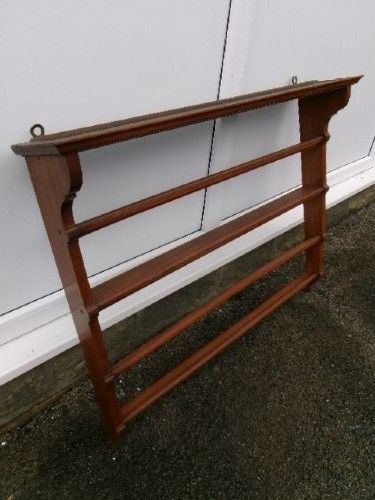
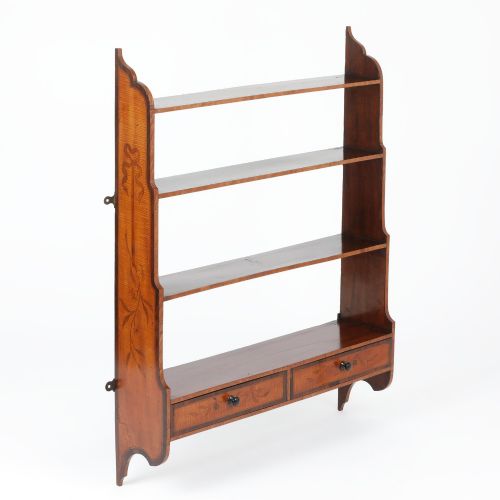
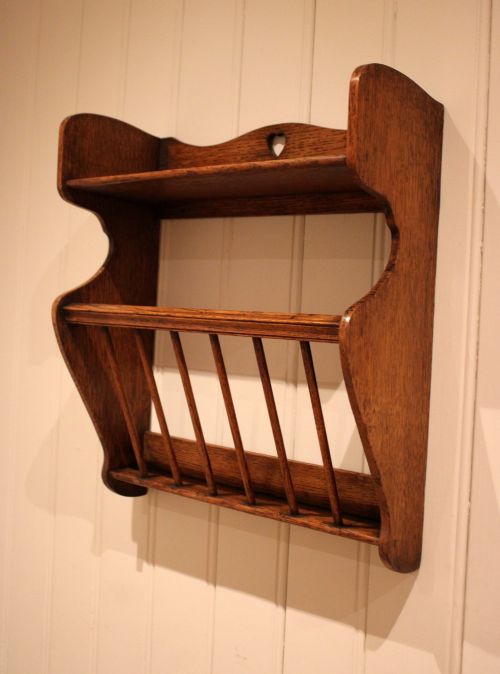
These edwardian hanging shelf unit examples bring practical wall storage from the early twentieth century, offering timber tiers designed to hold books and ornaments without floor space.
Edwardian Hanging Shelf Unit
An edwardian hanging shelf unit provides tiered wall storage constructed from timber, designed to mount directly onto domestic walls. The pieces on this page include wall shelves, wall cabinets, hanging shelves, and wall mirrors, originating from periods such as the Edwardian era, 1900, 1910, and other historic spans.
Buyers seeking an edwardian hanging shelf unit will find formats ranging from simple rack designs to pieces featuring magazine holders, glazed cabinets, or cloakroom hooks. The construction spans diverse stylistic influences including Arts and Crafts, Sheraton, Georgian Revival, and English Country traditions.
How they were made
Makers utilised solid and veneered timbers such as mahogany, oak, satinwood, and rosewood to build these wall units. Brass fittings, iron hooks, and glass panels often appear as structural or decorative elements.
Surface finishes include polished hardwood, painted wood surfaces in colours such as Pompeian Ash, and inlaid decorative details. These techniques allowed makers to produce both sturdy utilitarian storage and refined display furniture.
Edwardian Hanging Shelf Unit Retail Price Guide 2026
Typical asking prices for edwardian hanging shelf unit among the pieces listed under this phrase on Sellingantiques today, from the lower quarter to the upper quarter. They describe what is for sale here now, not the wider market.
The listings on this site feature hanging wall units constructed from mahogany, oak, satinwood, and rosewood across multiple historic periods.
What varies in quality
The standard of timber selection and the precision of joinery define the upper tier of these wall units. Pieces featuring finely figured satinwood, mahogany, or careful marquetry inlay stand apart from simpler painted or utilitarian pine and oak versions.
Construction details such as the integration of dovetail joints, secure hanging brackets, and intact glass or brass components distinguish finer workshop output from more modest commercial production.
The Edwardian Hanging Shelf Unit Glossary
- Waterfall bookshelves
- A set of graduated shelves where each tier steps back from the one below, creating a cascading profile. This form appeared in various historic periods to display books or decorative objects.
- Whatnot
- A set of open shelves designed for displaying ornaments and small possessions. These freestanding or hanging pieces became popular in nineteenth-century interiors.
- Inlay
- A decorative technique where contrasting woods, brass, or other materials are set into recesses flush with the surface. This method ornamented cabinet doors and shelf crests.
- Arts and Crafts
- A design movement valuing handcraftsmanship and simple construction over mass production. Pieces from this tradition often display honest oak framing and minimal ornament.
- Satinwood
- A hard, durable timber with a natural golden sheen and smooth grain. Cabinetmakers utilised this wood for fine furniture in the eighteenth and nineteenth centuries.
Edwardian Hanging Shelf Unit: Frequently Asked Questions
How do I hang a wall shelf safely?
These wall units require secure fixings screwed directly into wall studs or heavy-duty wall plugs suited to the plaster type. The weight of the timber and any books placed on the tiers demand robust support.
Checking the stability of the back frame and mounting brackets before loading the shelves ensures the unit remains secure against the wall.
What rooms suit an edwardian hanging shelf unit?
These shelf units suit hallways, studies, bathrooms, and living rooms where floor space is limited. Their compact wall-mounted formats provide accessible storage for books, small ceramics, and daily items.
Matching the timber tone, such as oak or mahogany, to existing furniture helps the piece integrate naturally into the room's interior.
How do I clean antique timber shelves?
Dusting regularly with a soft, dry cloth prevents dirt buildup on polished wood surfaces. Avoid using modern silicone sprays or harsh chemical cleaners that can damage historic finishes.
Applying a traditional beeswax polish occasionally helps nourish dry timber and maintains the natural lustre of mahogany, oak, or satinwood.
How can I tell an Edwardian shelf from a Victorian one?
Edwardian pieces often feature lighter framing, simpler lines, and brighter satinwood finishes compared to the heavier, darker mahogany common in earlier Victorian furniture. Stylistic cues like Arts and Crafts simplicity or Georgian Revival symmetry also point toward the early twentieth century.
Examining the construction methods, secondary woods, and hardware behind the unit provides further clues regarding its exact period of manufacture.