




Victorian Wooden Wall Unit
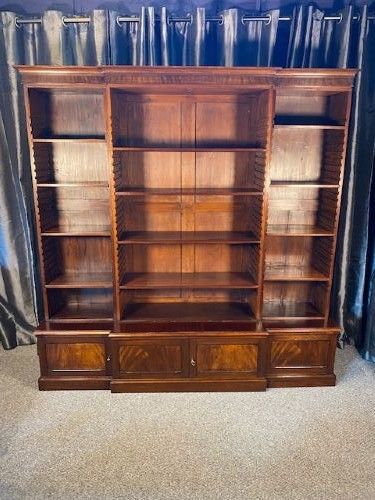
These Victorian wooden wall unit items bring dependable wall storage and display space to any room, crafted in rich period timbers.
Victorian Wooden Wall Unit
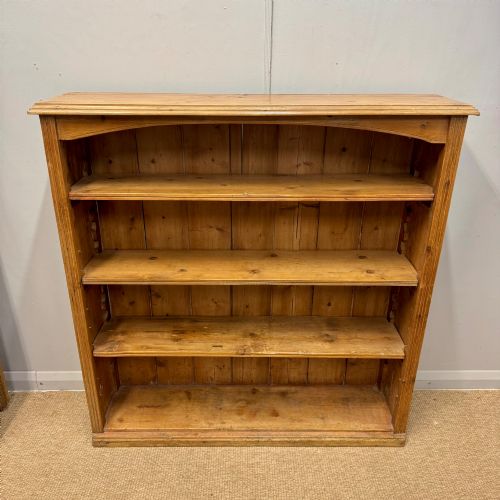
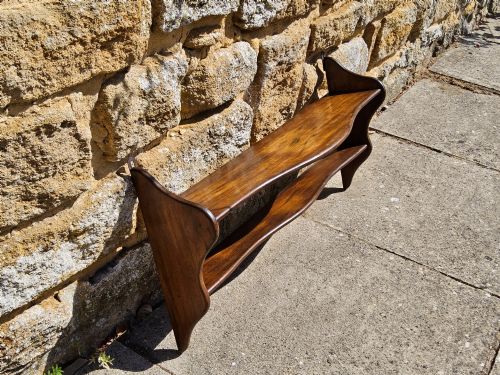
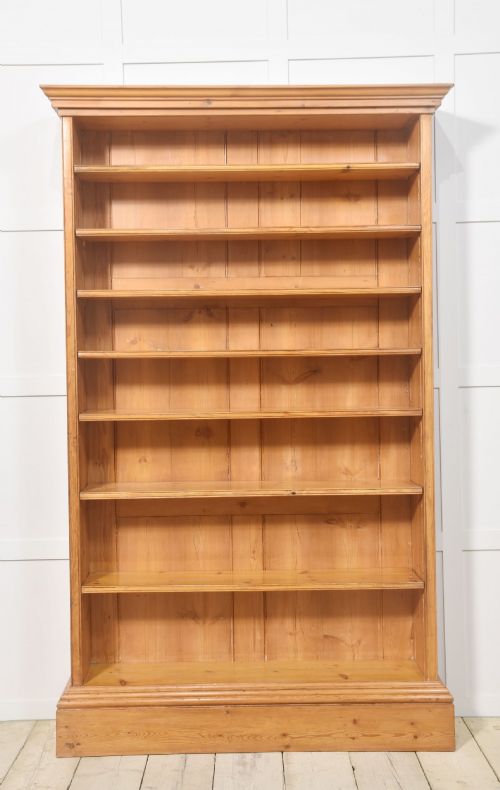
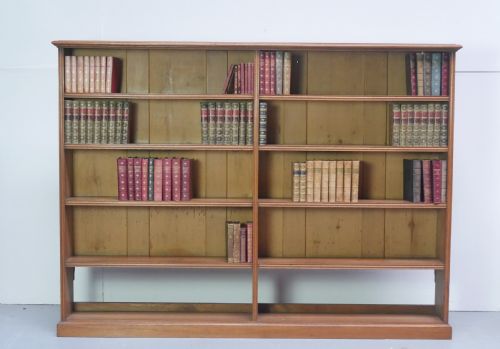
A victorian wooden wall unit gathers together a practical mix of hanging shelves, wall cabinets, corner cupboards, and open bookcases designed to utilise vertical space efficiently. You will most frequently encounter pine, oak, walnut, and mahogany variants spanning the nineteenth century.
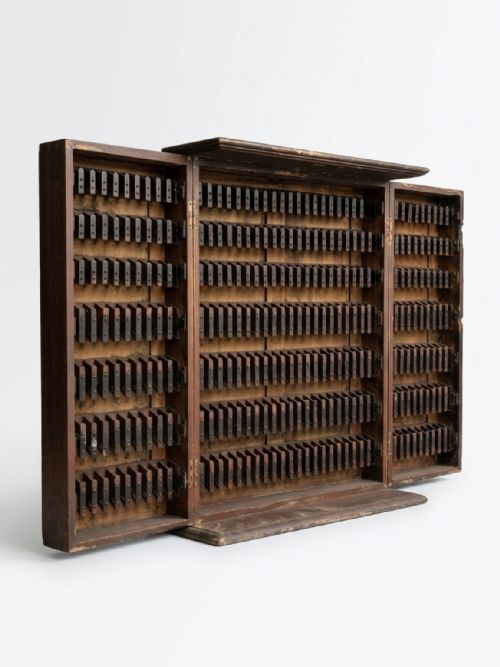
The selection ranges from simple industrial railway ticket cupboards and country pine pigeon holes to decorative Sorrento inlaid olive wood and Chippendale Revival corner cabinets. These forms reflect how domestic interiors evolved to display books and ornaments without cluttering the floor.
How they were made
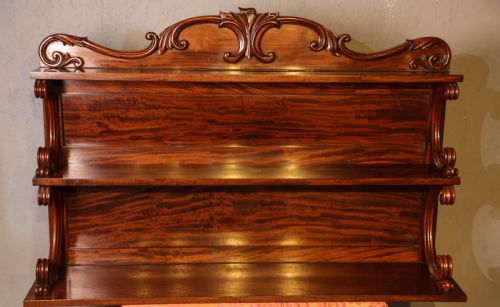
Makers utilised solid timbers including oak, walnut, pine, mahogany, limewood, and cherry wood, frequently applying flame mahogany veneer for enhanced visual depth. Structural integrity relies on traditional joinery paired with functional brass and iron hardware.
Surface embellishments include intricate carving, linear inlay, and distinctive Sorrento wood ornamentation that highlight the cabinetmaker's skill. Backboards and shelving supports were constructed using local timbers suited to the specific weight requirements of each hanging unit or bookcase.
Listings feature woods spanning pine, oak, walnut, mahogany, limewood, cherry, and satin birch, alongside brass and iron hardware.
What varies in quality
The division between standard storage and finer examples rests upon the selection of timbers and the finesse of decorative detailing such as carving or inlay. Pieces featuring figured veneers and harmonious proportions command attention through their material richness.
Construction methods also dictate standard, with finely dovetailed joints and robust hanging mechanisms separating utilitarian workshop items from refined domestic display cabinets.
The Victorian Wooden Wall Unit Glossary
- Sorrento inlay
- A technique of decorative woodworking originating in Italy, involving precise wood-in-wood mosaic patterns. This style appears on specialised nineteenth-century wall shelves and small cabinets.
- Flame mahogany veneer
- A thin slice of mahogany timber cut from the fork of the tree to produce a flickering, flame-like grain pattern. It decorates the exterior surfaces of select Victorian bookcases and cabinets.
- Pigeon holes
- Small, open rectangular compartments grouped together for sorting documents or letters. They form practical organizational inserts within larger wall-mounted or freestanding furniture.
- Corner cupboard
- A specialised storage cabinet built or fitted to occupy a ninety-degree corner angle. These units make efficient use of otherwise neglected room junctions.
Victorian Wooden Wall Unit: Frequently Asked Questions
How do I hang a heavy wall unit?
Wall-mounted Victorian shelving and cabinets require secure fixing directly into structural studs or masonry using appropriate brackets. Distributing weight evenly ensures the antique timber and historical joints sustain no undue strain.
Professional installation is often recommended given the dense nature of period woods like oak and mahogany.
Are these units suitable for books?
Open bookcases and sturdy wall shelves accommodate moderate book collections depending on their depth and shelf support construction. Adjustable pine and oak variants offer flexibility for varying book heights.
Heavier volumes require fixed shelving to prevent bowing over extended periods.
How do I clean antique wood?
Maintenance involves dusting with a soft, dry cloth to prevent particulate buildup on carved surfaces and veneers. Avoid modern silicone polishes that can degrade historical finishes over time.
Occasional application of appropriate wax feeds the timber and preserves the natural lustre of walnut and mahogany.
What rooms suit a corner cabinet?
Corner wall cabinets and hanging shelves fit neatly into dining rooms, studies, or hallways where floor space remains at a premium. They transform empty wall angles into functional display areas.
Their compact footprints complement both period and contemporary interior layouts.