

Vintage Open Book Shelves
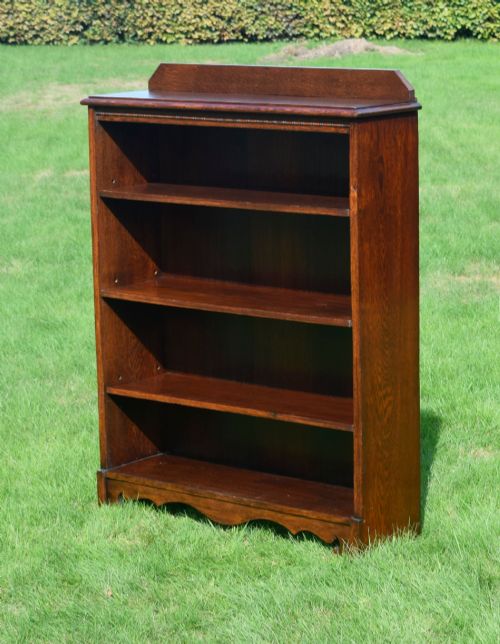
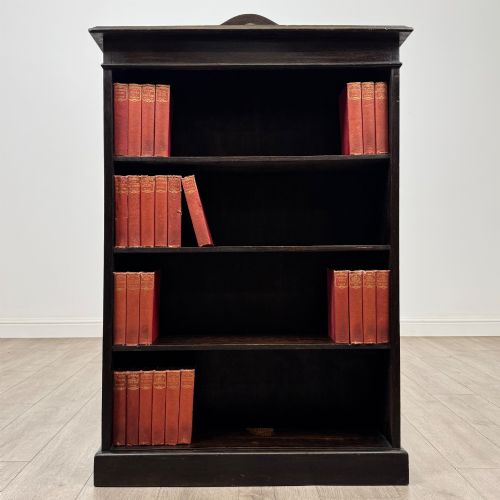
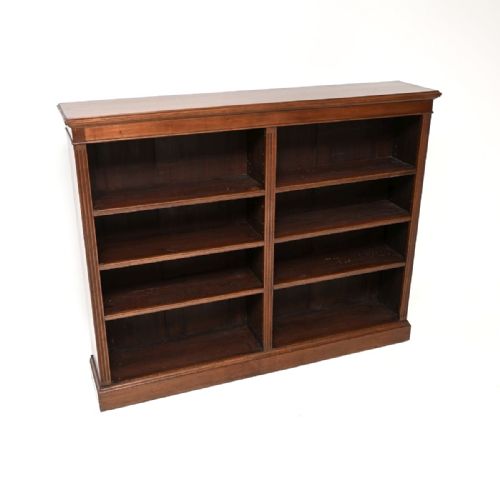
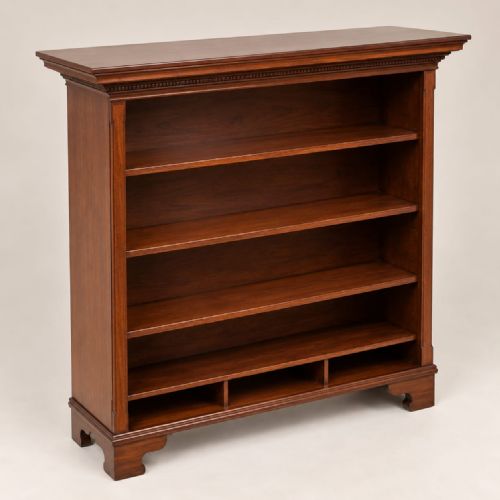
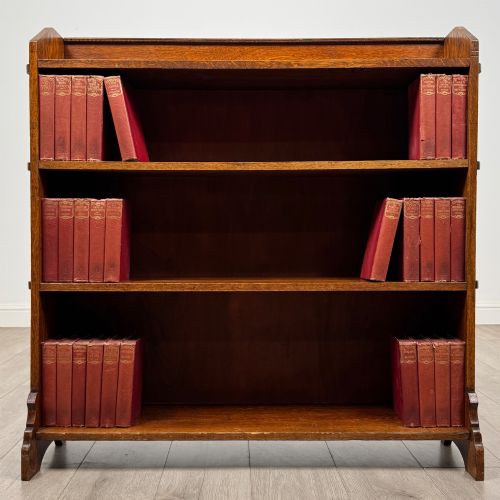
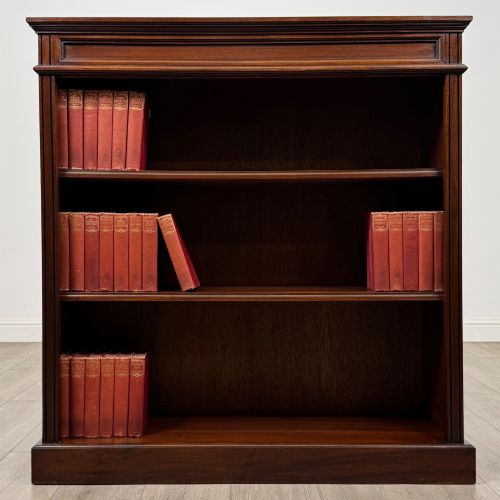
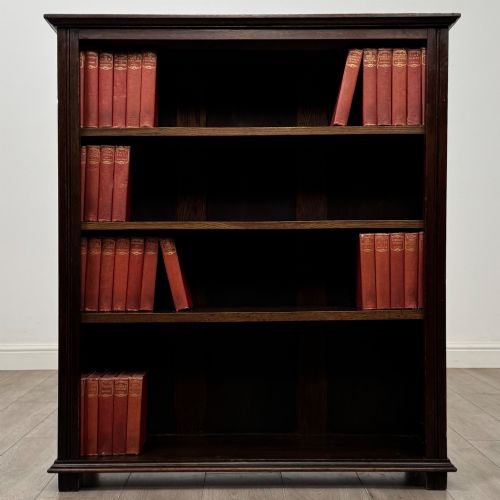
Vintage open book shelves offer accessible storage and display for collections, drawing on classic timber designs from the Victorian, Edwardian, and Art Deco periods.
Vintage Open Book Shelves
Vintage open book shelves provide unhindered access to books and objects, making them practical additions to studies and living spaces. Buyers searching for vintage open book shelves will encounter everything from compact rustic pine units to grand mahogany pieces.
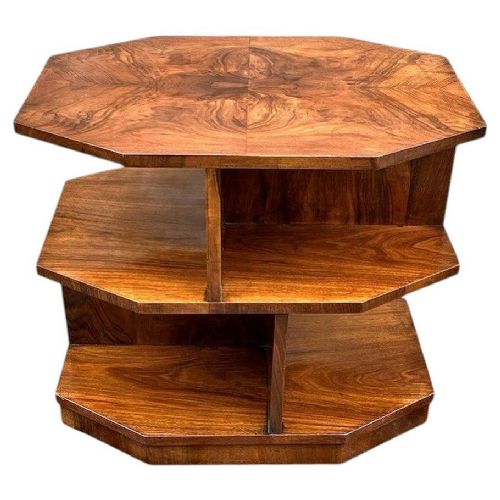
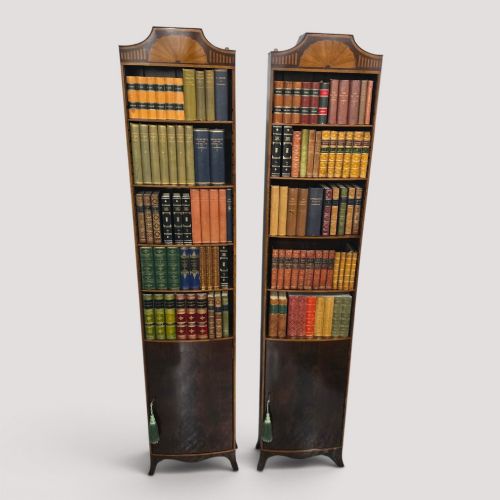
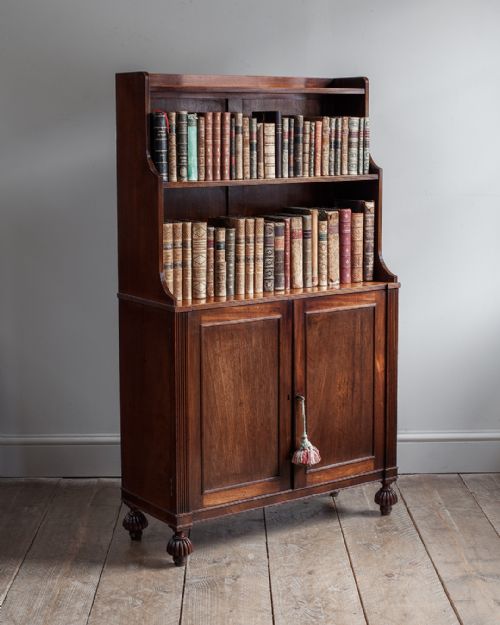
The selections span distinct historical eras, notably the Edwardian period and the early twentieth century, alongside Victorian and Regency examples. Forms range from traditional bookcases and stepped shelves to waterfall designs and whatnots.
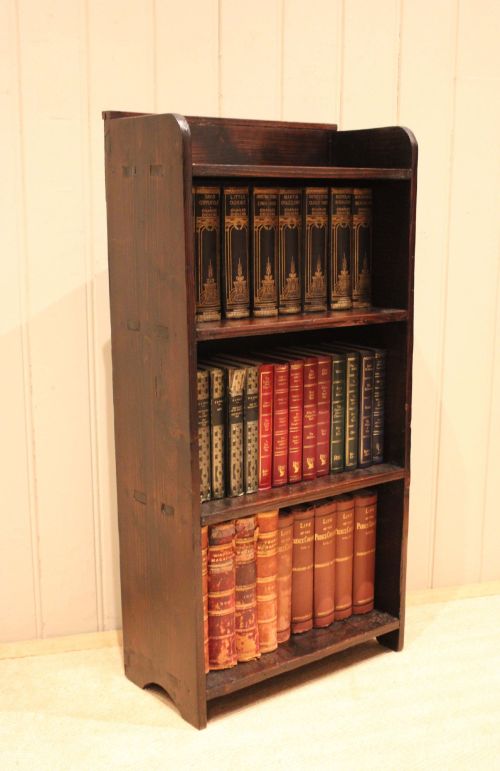
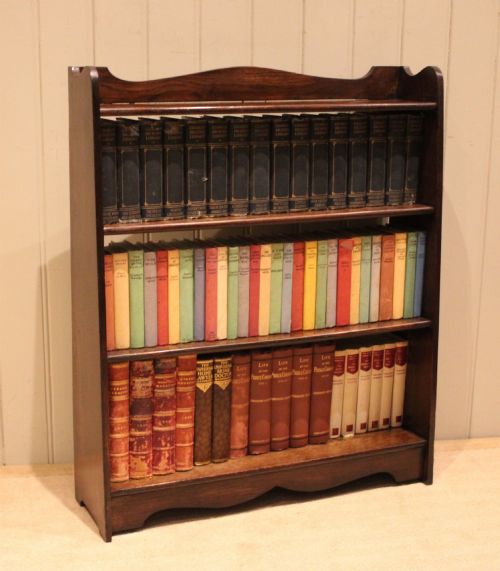
Makers utilised various regional woods, producing items that fit neatly into both formal rooms and informal rustic settings. These pieces serve primarily to house growing libraries while adding architectural character to plain walls.
Assessing Quality and Character
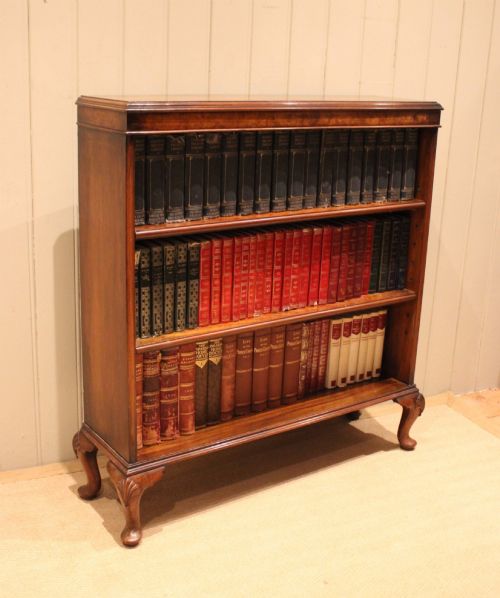
Quality rests primarily on the selection of timber and the integrity of the cabinet construction rather than mere ornamentation. Superior examples display carefully matched wood grains, solid backboards, and finely proportioned cornices or mouldings.
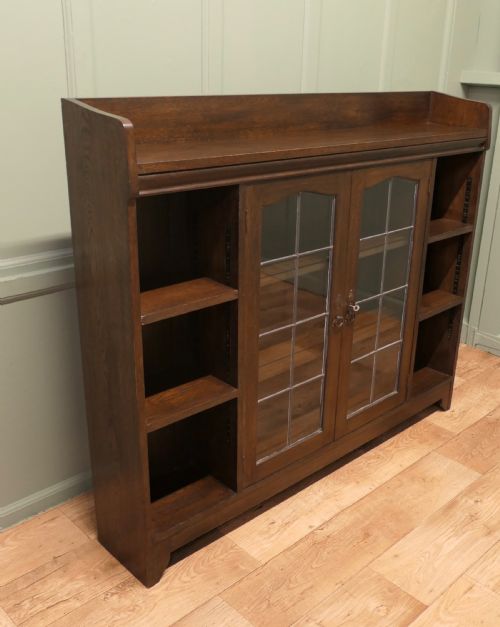
The presence of adjustable shelving mechanics and thoughtful detailing, such as beaded edges or subtle inlay work, separates standard utility furniture from finer pieces produced during the Edwardian and Arts and Crafts eras.
Listings feature items spanning the 19th Century, Victorian, Edwardian, and Art Deco eras, constructed from oak, mahogany, walnut, and pine.
The Vintage Open Book Shelves Glossary
- Waterfall bookcase
- A tiered shelving unit where each lower shelf steps forward, creating a cascading profile. This form appeared frequently during the Regency and Edwardian periods.
- Arts and Crafts
- A design movement emphasising honest construction, plain surfaces, and visible craftsmanship. Pieces from this style often highlight the natural grain of oak.
- Whatnot
- A multi-tiered open piece of furniture used for displaying ornaments and small books. These versatile stands became popular during the Victorian era.
- Inlay
- A technique where contrasting pieces of wood or other materials are inserted into the primary surface to form decorative patterns. Edwardian mahogany bookcases often feature this detailing.
Vintage Open Book Shelves: Frequently Asked Questions
How do I style open shelves?
Balance books standing upright with horizontal stacks and small decorative objects to maintain visual interest. Leave some space empty to prevent the shelves from feeling overcrowded.
Incorporate items of varying heights and materials, such as ceramics or framed pictures, to complement the timber tones of the bookcase.
Are the shelves usually adjustable?
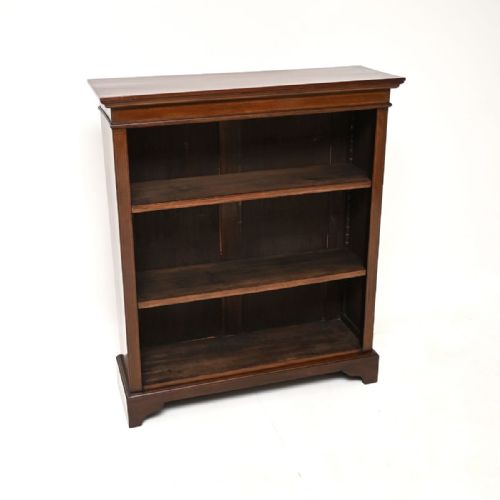
Many twentieth-century and later pieces include adjustable shelves supported by wooden pegs or metal tracks. This allows you to accommodate larger volumes with ease.
Earlier Victorian and Regency models more commonly feature fixed shelves integrated directly into the side panels of the carcass.
How do I date these bookcases?
Examine the timber species, construction methods, and stylistic cues such as carved mouldings or brass hardware. Edwardian and early twentieth-century pieces often display lighter oak finishes, while Victorian items typically utilise darker mahogany.
Maker marks, labels, or specific regional attribution styles can also provide precise chronological clues.
Can these shelves hold heavy books?
Solid hardwood shelves made from oak or mahogany generally bear heavy loads without sagging over time. Thicker boards and sturdy upright partitions provide the necessary support for large collections.
Lighter pine or veneered shelves suit standard paperbacks and smaller hardbacks best, requiring care with folio-sized volumes.