
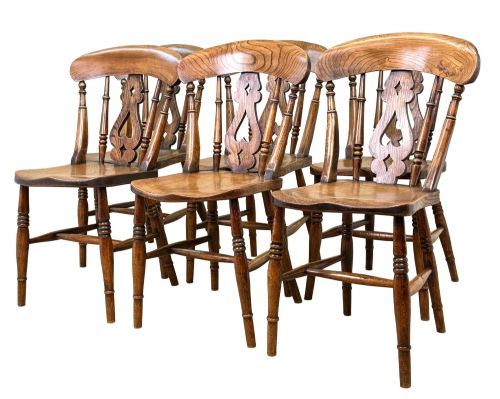
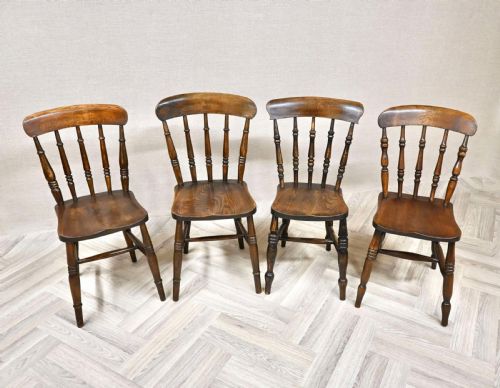
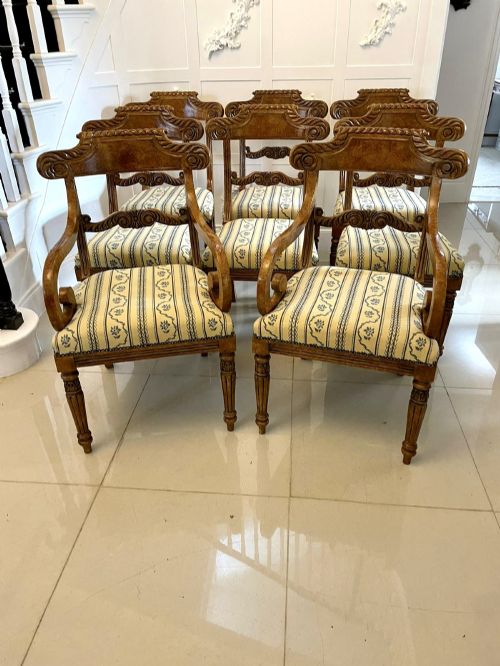
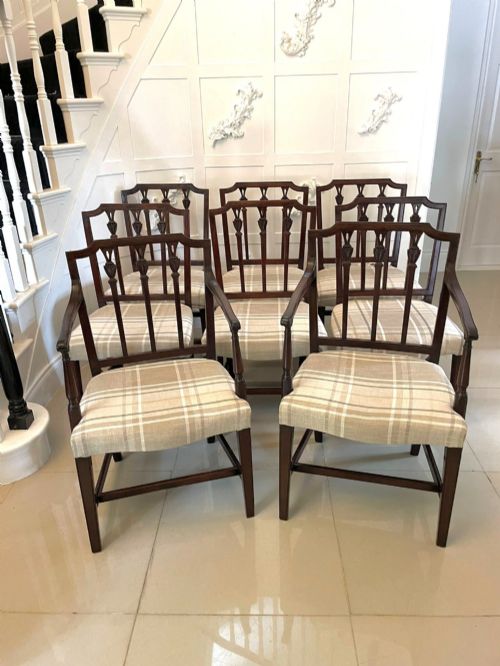
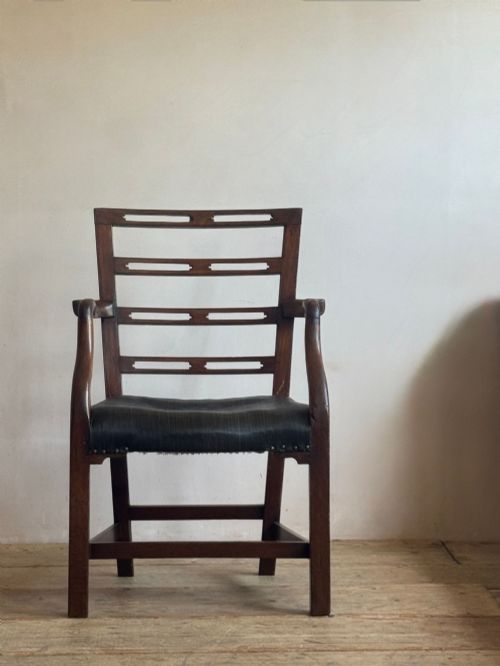
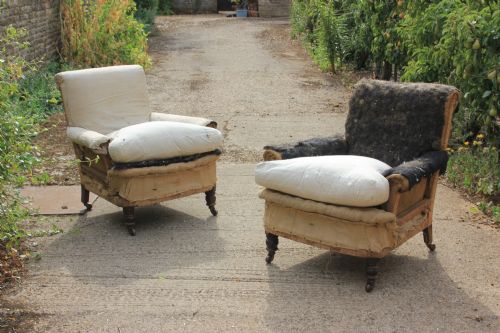
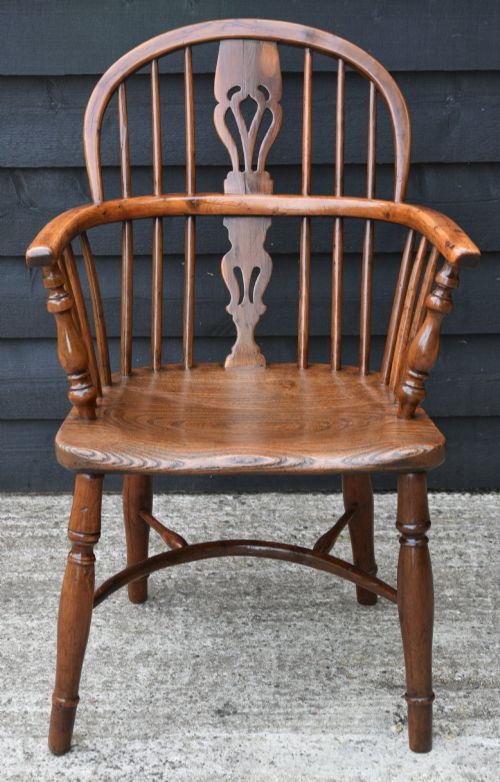
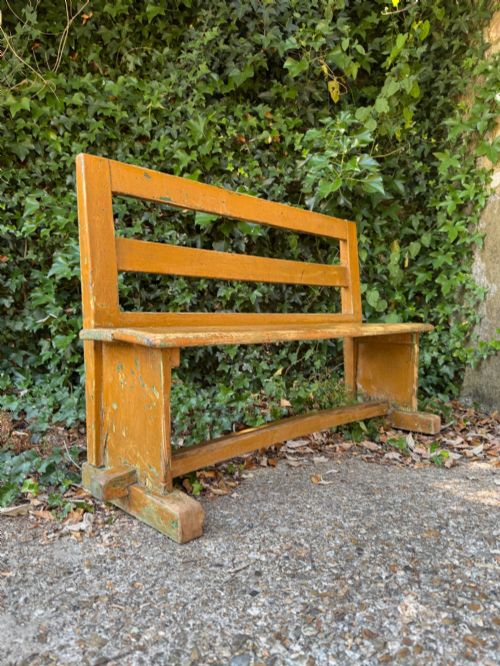
Wooden Country House Chairs
These wooden country house chairs span the eighteenth to the early twentieth century, offering robust rustic seating built for everyday domestic utility.
Wooden Country House Chairs
When buyers search for wooden country house chairs, they encounter sturdy domestic seating originating from farmhouse kitchens, parlours, and country estates across Britain. These pieces encompass functional forms built for daily use rather than formal display.
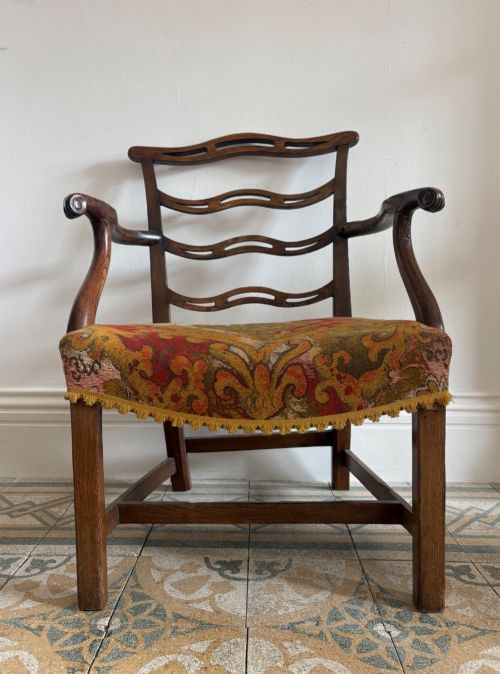
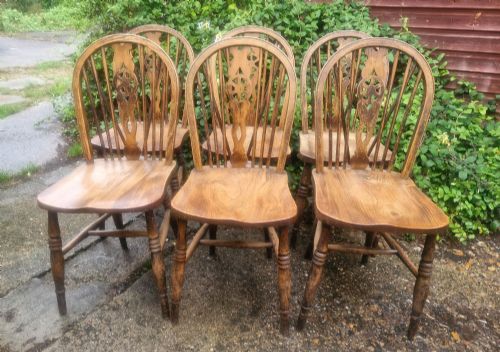
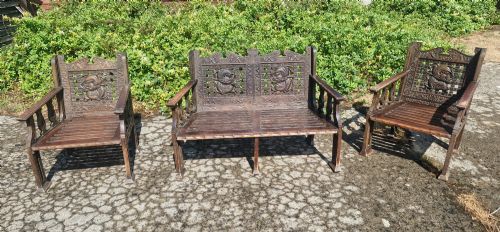
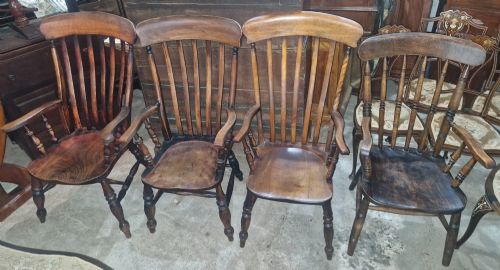
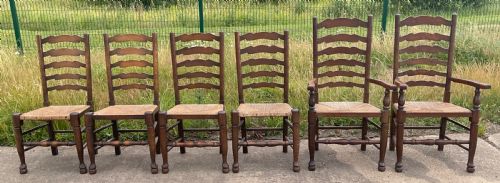
The selection on this page relies heavily on nineteenth-century vernacular seating, alongside eighteenth-century George III examples and early twentieth-century interpretations. Common forms include Windsor chairs, ladder-backs, smoker's bows, and captain's chairs constructed with regional practicalities in mind.
Makers ranged from rural village joiners to specialised provincial turners who produced robust seating to meet local agricultural and domestic demands. The resulting chairs demonstrate utilitarian strength combined with vernacular design traditions.
Materials and construction methods
Construction relies primarily on native timbers chosen for durability and tensile strength, with elm frequently selected for seats due to its resistance to splitting, paired with ash or beech for spindles and legs.
Traditional joinery techniques dictate the structure of these pieces, utilising pegged mortise and tenon joints alongside steam-bent components for hoop backs and armbows. Windsor seating employs the stick-built method where legs and spindles are wedged directly into a thick solid wood seat.
Surface finishes vary from unadorned natural timber with centuries of waxed patina to early painted surfaces and decorative faux finishes such as faux bird's eye maple.
Listings feature native hardwoods including elm, ash, beech, and oak across styles spanning the eighteenth century to the Edwardian era.
Judging quality in vernacular seating
Quality rests upon the integrity of the timber selection and the retention of original structural components without excessive replacement parts. Original surface patination and honest wear from generations of domestic use elevate a piece significantly.
Proportion and comfort distinguish superior vernacular examples, particularly in the sweep of a comb-back or the ergonomic curve of a smoker's bow armrest. Regional distinctiveness, such as Thames Valley Windsor characteristics or Yorkshire armchairs with substantial proportions, commands greater attention from collectors.
The Wooden Country House Chairs Glossary
- Windsor chair
- A chair built with a solid wooden seat into which the legs and back spindles are separately inserted. They typically feature hoop, comb, or wheel backs.
- Smoker's bow
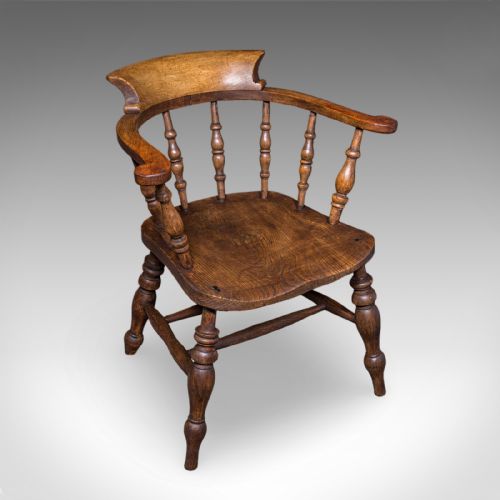
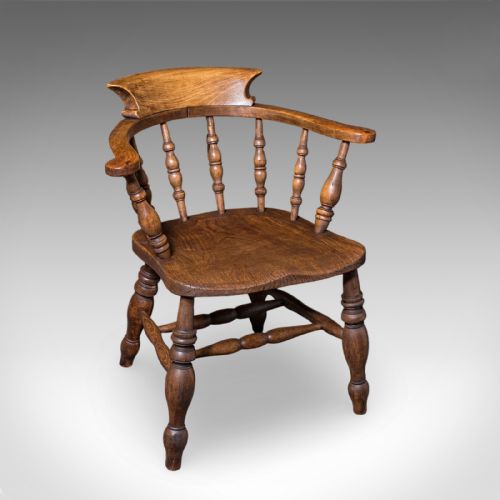
- A low-backed Windsor-style armchair with a continuous curved armrail supported by turned spindles, popular in domestic smoking rooms and inns.
- Ladder-back
- A chair featuring horizontal slats or rails between the vertical rear stiles. These slats are often curved to fit the contours of the sitter's back.
- Elm
- A tough, interlocking native timber frequently utilised for chair seats because it resists splitting under the pressure of wedged legs.
- Stile
- The upright vertical post at the outer edge of a chair back. They provide structural support for the back rails and armrests.
Wooden Country House Chairs: Frequently Asked Questions
How do I spot an original Windsor chair?
Examine the underside of the seat to check that the legs and spindles penetrate completely through the board and are secured with wedges. Original examples show traditional tool marks and authentic timber shrinkage rather than modern mechanical fixings.
Look closely at the construction of the armbow, which on older pieces is typically formed from a single steam-bent piece of wood or joined with strong pinned scarfed joints.
What is the difference between a smoker's bow and a captain's chair?
Smoker's bows generally feature lower backs with spindle arrangements suited for relaxed parlour seating. Captain's chairs often share the same rounded elbow design but frequently incorporate taller backs and heavier turned supports.
Both types evolved from nineteenth-century vernacular seating traditions in England and serve similar low-slung, comfortable functions in country interiors.
Are these chairs suitable for daily dining use?
Most antique country chairs were built for heavy domestic service and remain structurally robust enough for daily use today. Checking the stability of the joints under the seat ensures safe seating for regular meals.
Pairing mismatched regional chairs around a farmhouse table creates an authentic historic aesthetic rather than requiring a rigid matching set.
How should I care for elm and ash chair frames?
Maintain the timber by applying a traditional beeswax polish sparingly to nourish the wood and preserve the historic surface patination. Avoid placing chairs near direct heat sources or radiators to prevent the solid wood seats from splitting.
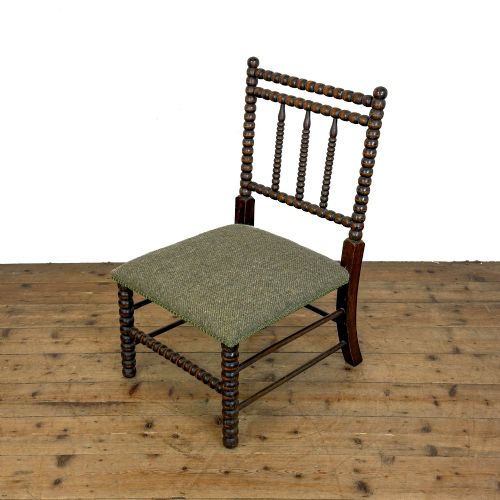
Ensure rush or fabric drop-in seats are kept dry and dusted gently to protect natural organic materials from deterioration.