


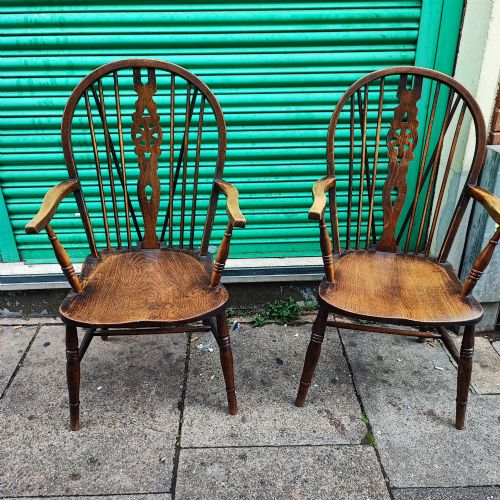
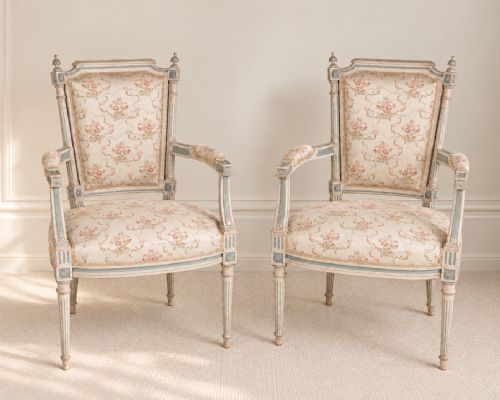
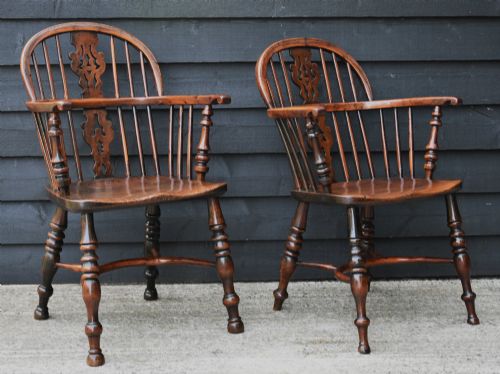
Wooden Country Chairs Pair
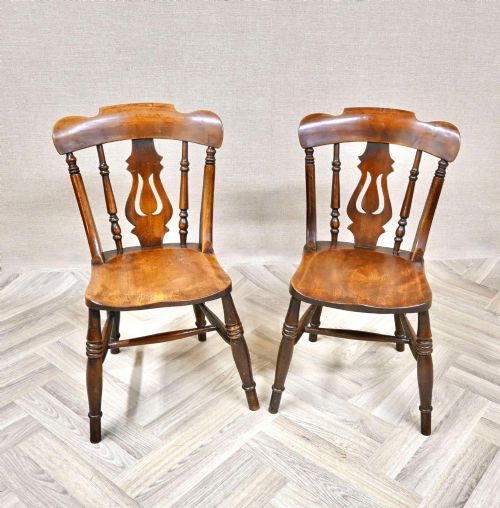
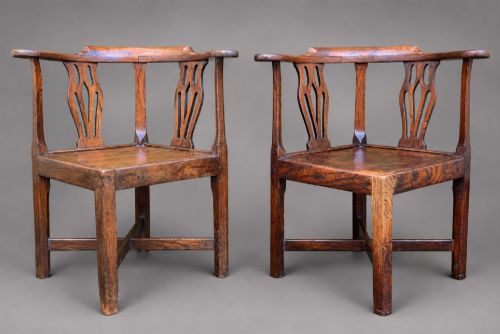
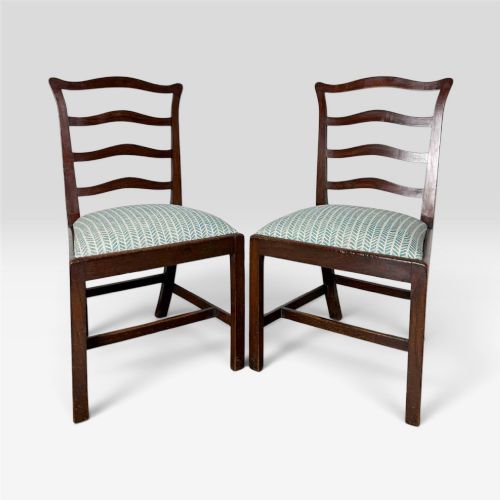
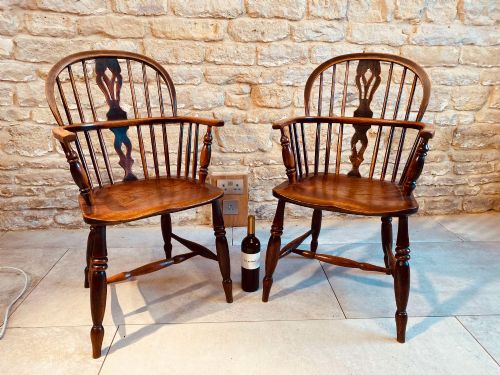
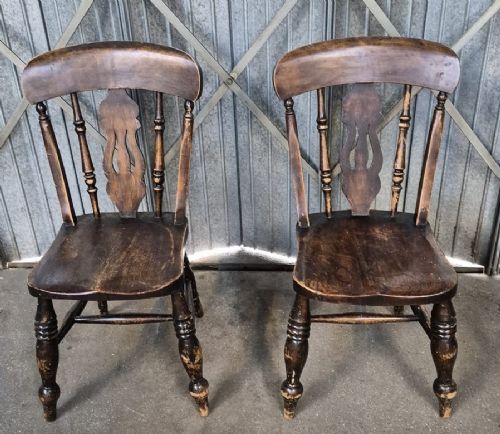
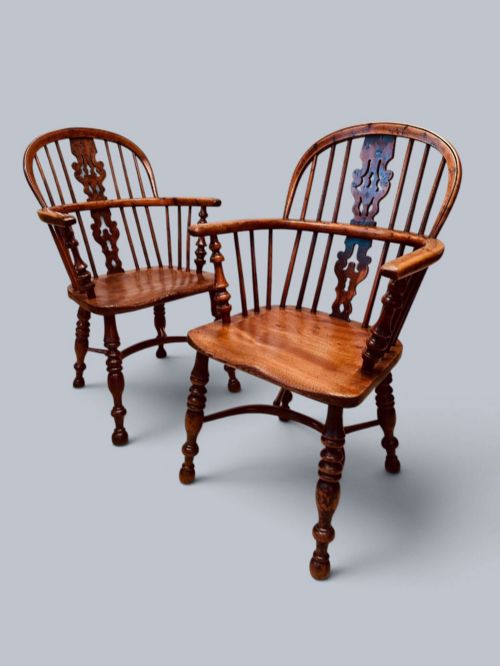
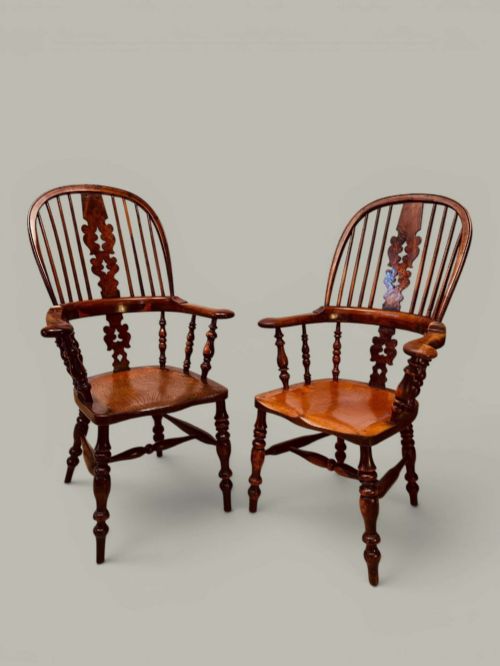
Wooden country chairs pair selections bring together sturdy domestic seating fashioned from elm, beech, yew, and ash.
Wooden Country Chairs Pair
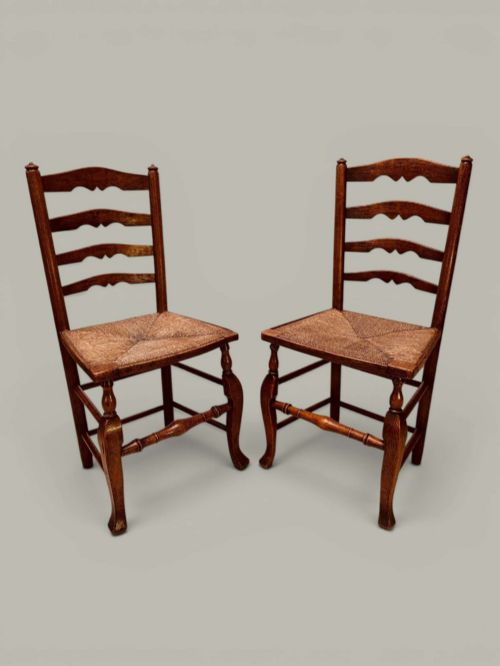
A wooden country chairs pair represents traditional domestic seating intended for everyday utility in kitchens, dining rooms, and farmhouses. The selection on this page consists predominantly of English Windsor designs alongside regional variants and French seating forms.
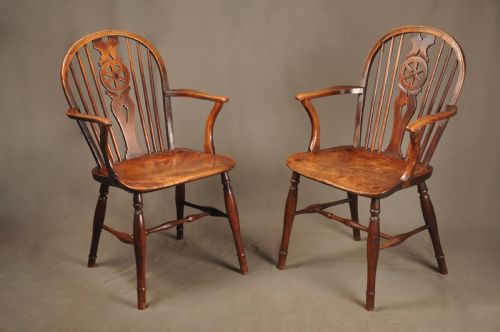
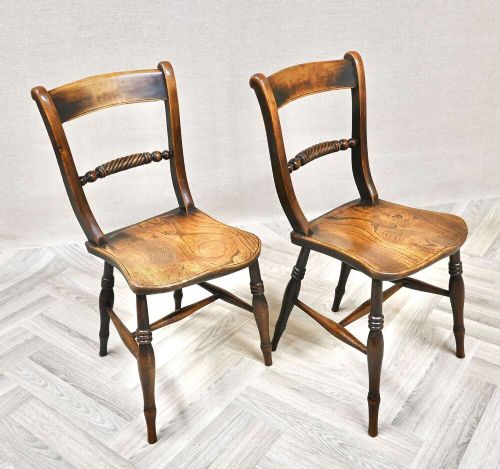
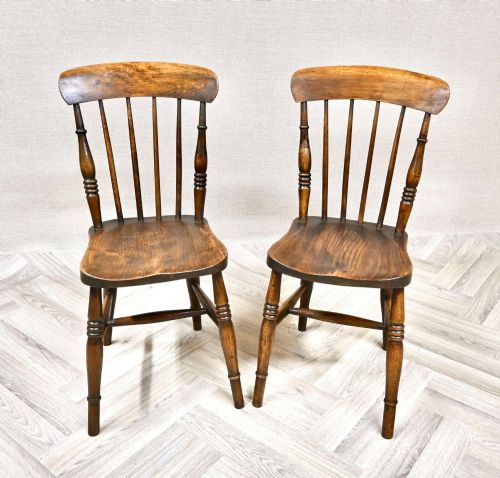
Makers produced these pairs in various configurations including stickback, barback, wheelback, and low or high armchairs. Examples span periods from the eighteenth century through the Victorian era and into the early twentieth century.
Buyers encounter matching pairs, matched sets, and near pairs originating from English country workshops as well as continental salons. Elm seats paired with yew, ash, or beech turnings form the core of the English country selection.
Materials and Technique
Craftsmen built these chairs using mixed woods chosen for specific structural demands, pairing dense elm for solid plank seats with resilient ash, beech, or yew for bent spindles, arms, and legs. This combination provided the necessary strength to withstand daily domestic strain.
Turned components relied on pole lathes or treadle lathes to shape spindles and legs, while steam bending formed continuous backrails and bows. Carpenters joined the components using traditional wedged mortise and tenon joints without metal fixings.
Wooden Country Chairs Pair Retail Price Guide 2026
Typical asking prices for wooden country chairs pair among the pieces listed under this phrase on Sellingantiques today, from the lower quarter to the upper quarter. They describe what is for sale here now, not the wider market.
Listings feature eighteenth and nineteenth century periods alongside elm, yew, ash, and beech materials.
Quality and Construction
The distinction between standard utility seating and superior examples rests in the selection of timbers and the crispness of the turning work. Yew wood elements and well-figured elm seats denote higher status pieces commissioned for wealthier households.
Proportion and comfort dictate the standing of individual pairs, where balanced spindle spacing, deep saddle seats, and retained original surface patination distinguish finer examples from plain workshop output.
The Wooden Country Chairs Pair Glossary
- Windsor
- A traditional wooden chair featuring a solid plank seat into which the legs and back spindles are directly fitted. These chairs often incorporate bentwood bows and comb backs.
- Smoker's bow
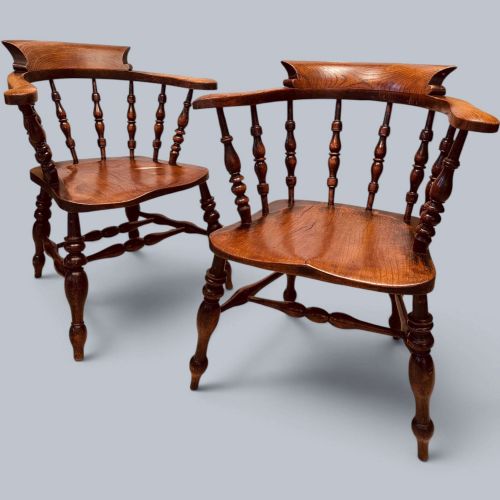
- A low-backed Windsor armchair with a continuous curved armrail supported by turned spindles, originating in nineteenth-century provincial workshops.
- Wheelback
- A Windsor chair variation featuring a pierced splat carved or shaped in the form of a carriage wheel. This motif became popular during the Victorian period.
- Penny seat
- A saddle-shaped wooden seat formed with a central depression resembling a large coin, characteristic of certain regional nineteenth-century chair forms.
- Stickback
- A chair design utilising plain, unshaped vertical spindles forming the backrest. These members are tenoned directly into the seat and top rail.
Wooden Country Chairs Pair: Frequently Asked Questions
What defines a traditional Windsor chair?
A Windsor chair relies on a thick solid wooden seat that acts as the central anchor for all other components. The legs and back spindles insert directly into bored holes within this plank.
Traditional versions utilise steam-bent bows and combinations of native timbers such as elm, beech, and ash. This method of construction creates a resilient, rigid frame without requiring internal corner blocks.
How do I care for antique wooden chairs?
Keep wooden seating away from direct heat sources and drastic humidity shifts to prevent timber shrinkage and joint loosening. Maintain the surface using traditional beeswax rather than modern silicone polishes.
Regular dusting with a soft cloth protects the historic patina. Check the underside periodically to ensure wedged joints remain secure.
Are matched pairs original?
Many pairs found today began life as larger sets or represent near pairs gathered together during the nineteenth or twentieth centuries. Small variations in turning or timber grain often indicate that two chairs were made by the same hand at slightly different times.
Inspect the under-seat markings and construction methods to determine whether two chairs share an identical workshop origin.