

Wooden Conference Table
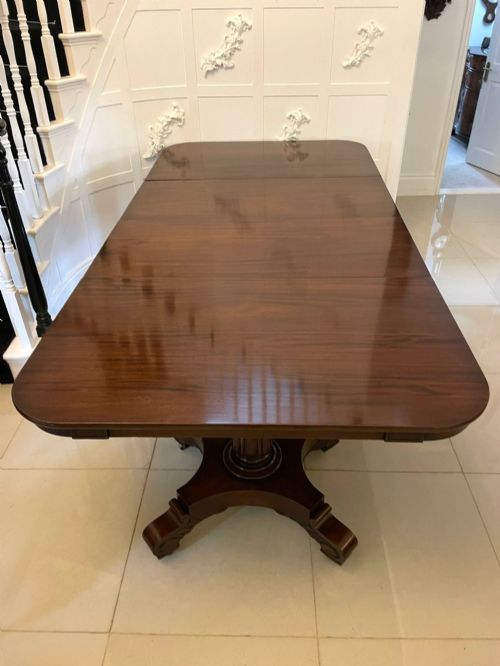
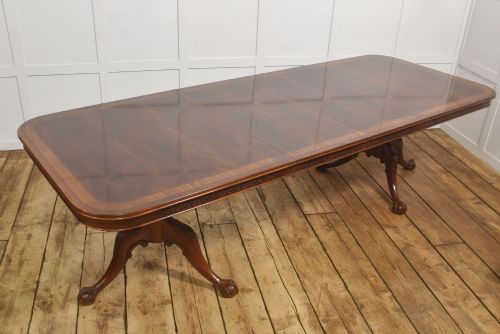
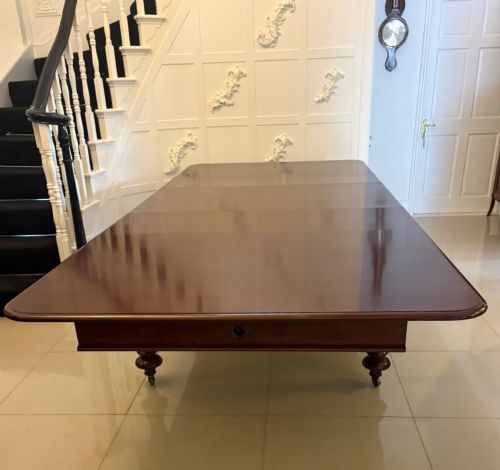
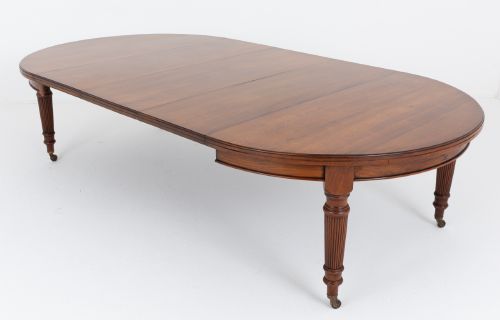
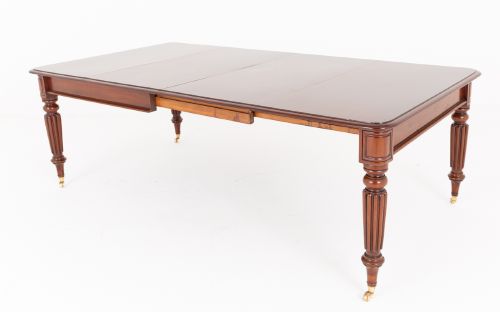
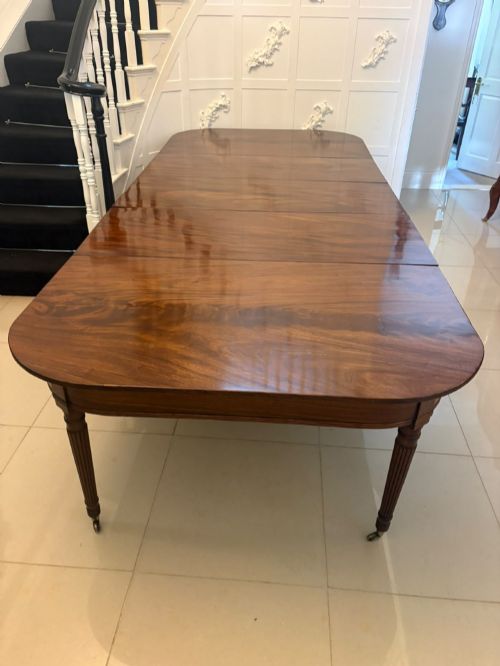
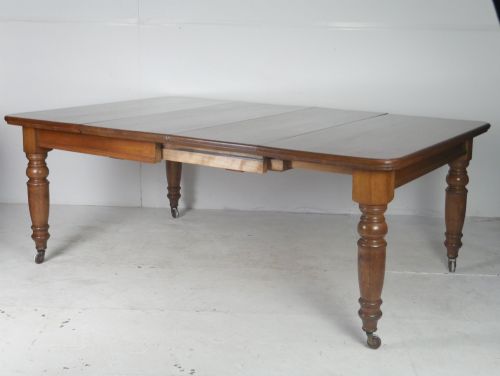
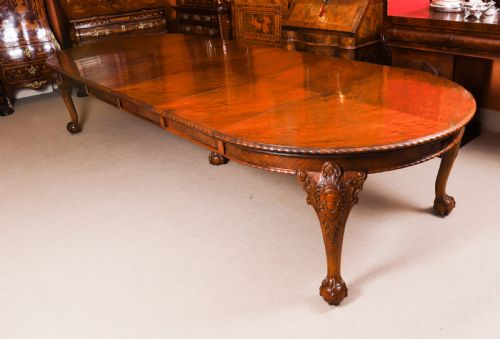
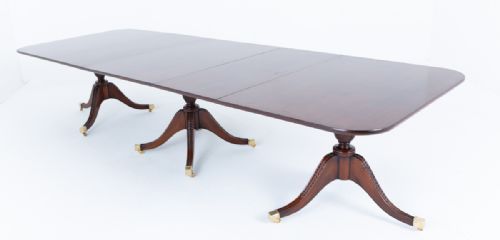
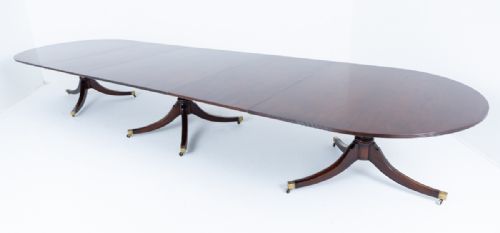
A wooden conference table anchors a large room with solid timber, offering generous space for gathered groups through sturdy pedestals and leaves.
Wooden Conference Table
A wooden conference table serves large dining rooms and boardrooms, functioning primarily as an extended surface for seating numerous people. When examining a wooden conference table on this page, the visitor encounters forms designed for expansive gatherings, often utilising modular sections.
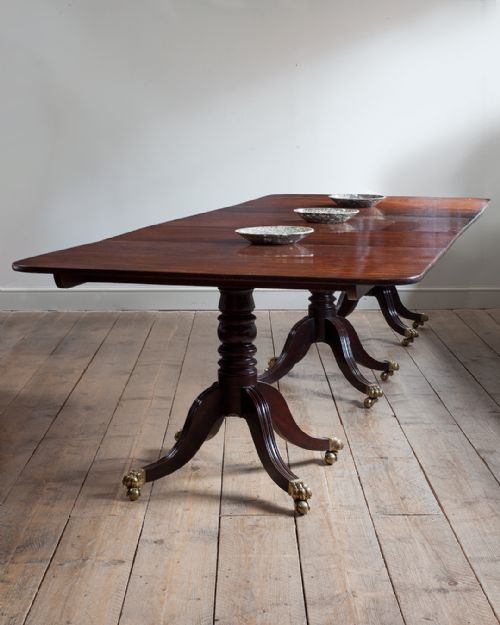
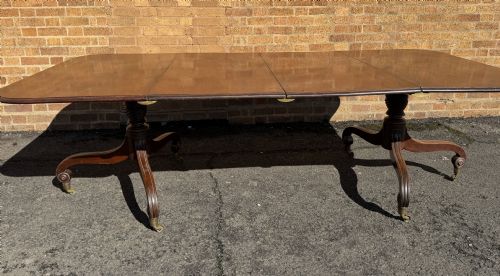
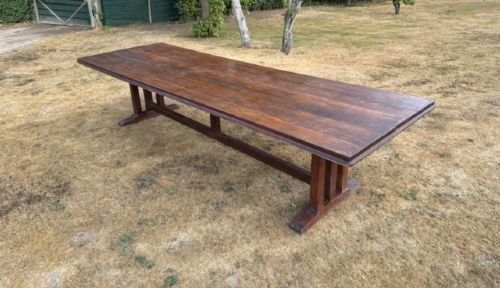
The selections span distinct periods from the Georgian era through the Victorian epoch and into the Edwardian years. Many examples take the form of twin or triple pedestal extending dining tables, alongside refectory formats and boardroom tables.
Makers and workshops constructed these pieces to adapt in length through removable leaves and winding mechanisms. Buyers select these items to anchor sizeable rooms with traditional timber construction.
Materials and construction methods
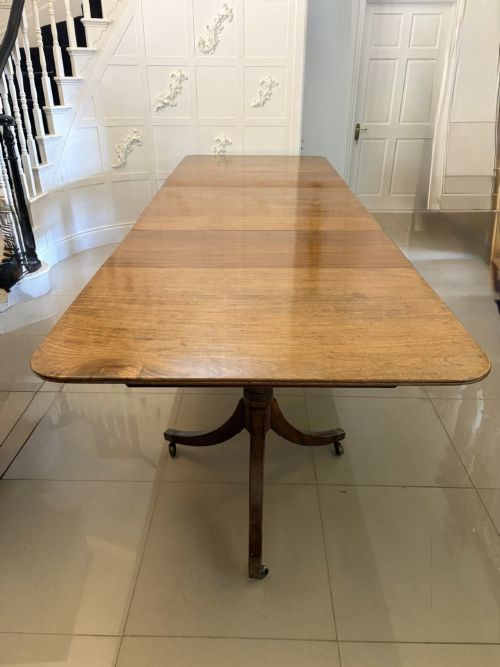
Cabinet makers relied heavily on mahogany, walnut and oak, often selecting figured varieties, Cuban flame timber and satinwood for visible surfaces. These dense hardwoods provided the structural integrity required to support long spans and heavy daily use.
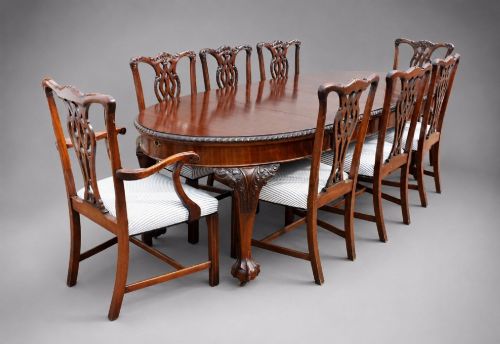
Makers incorporated brass fittings, such as castors and inlay work, alongside ceramic components and fabric upholstery on associated seating. Extension systems utilised timber runners and wind-out mechanisms operated by metal keys to insert additional leaves smoothly.
Some tables stretch past twenty seats, requiring a dedicated assistant just to wind the guests apart.
Distinctions in craftsmanship and materials
Quality separates pieces through the selection of timber veneers and the precision of the pedestal carvings, such as reeded legs or claw and ball feet. Superior examples display carefully matched grain patterns across multiple leaves, ensuring visual continuity when fully extended.
The engineering of the extending mechanism dictates mechanical success, where smoother gearings and solid brass components indicate higher workshops standards. Structural stability across maximum lengths relies on robust pillar joints and seasoned hardwoods that resist warping.
Maple & Co·Whytock & Reid·Gillows
The Wooden Conference Table Glossary
- Pedestal
- A central columnar support beneath a table top, often dividing into three or four carved legs. These structures allow legroom around the perimeter of large formats.
- Extending table
- A dining or boardroom table designed to accept additional loose leaves via a sliding frame. This mechanism alters the overall seating capacity according to requirement.
- Refectory table
- A long, narrow dining table traditionally supported by substantial trestles or four legs linked by stretchers. This heavy form originates in monastic and baronial dining halls.
- Wind-out table
- An extending table operated by turning a handle inserted into the side, which activates internal metal screws to separate the top halves. This system simplifies the insertion of central leaves.
- Reeded legs
- Pillar supports carved with parallel convex mouldings running vertically down the timber. This decorative detail appears frequently on Regency and Georgian supports.
Wooden Conference Table: Frequently Asked Questions
How do I measure for a conference table?
Determine the total length of the room and subtract adequate clearance for chairs and foot traffic on all sides. Allow approximately sixty centimetres of linear edge space per seated person.
Account for maximum extension lengths by testing the wind-out mechanism with all leaves inserted in position.
What maintenance does mahogany require?
Apply beeswax polish periodically to nourish the hardwood grain and maintain a protective barrier against moisture. Avoid placing timber surfaces near direct heat sources or strong sunlight.
Clean spills promptly with a soft, dry cloth to prevent water marks from penetrating the French polished finish.
How do extending leaves operate?
Turning a winding handle separates the main table halves along internal wooden runners or metal tracks. Insert the matching leaves into the central gap and wind the mechanism back to secure them tightly.
Store loose leaves in dry conditions flat to prevent warping when the table is closed down.
How do I identify a Regency period table?
Look for classical proportions, dark figured mahogany surfaces, and brass paw castors beneath reeded or pillar supports. Construction details often include solid mahogany drawer linings and brass box castors.
Examine the undertimber and fixing screws for signs of early nineteenth-century manufacturing techniques.