
Wooden Collector Chest
A wooden collector chest brings together small-scale storage and period craftsmanship, offering fitted drawers and compartments designed for specimens, letters, and curiosities.

Wooden Collector Chest
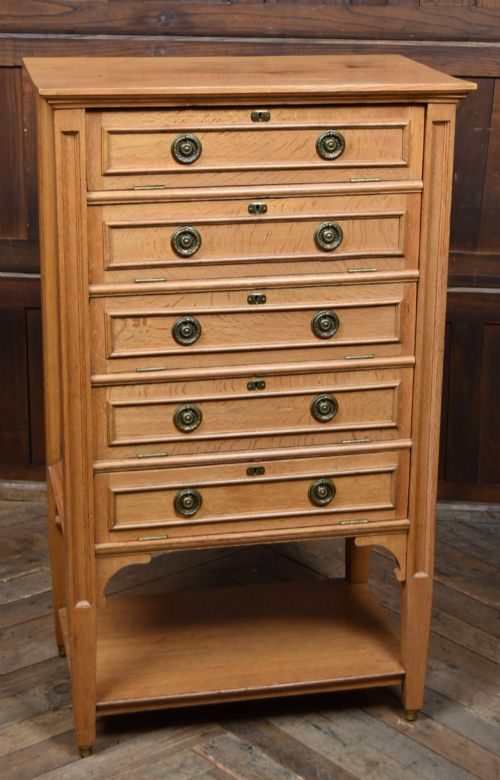
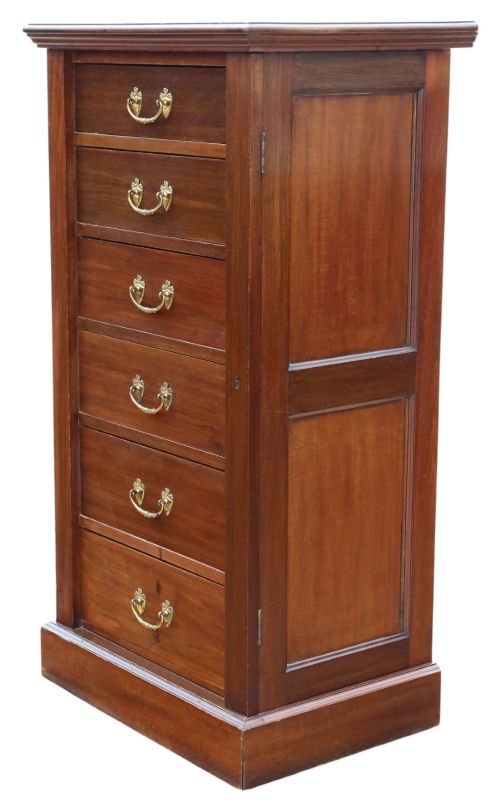
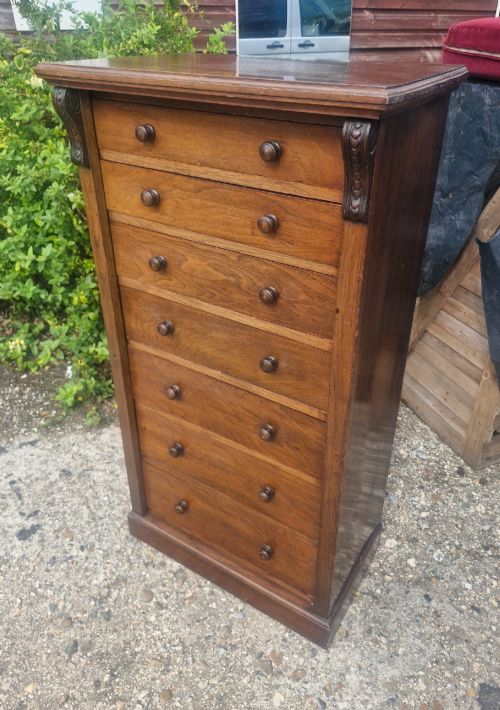
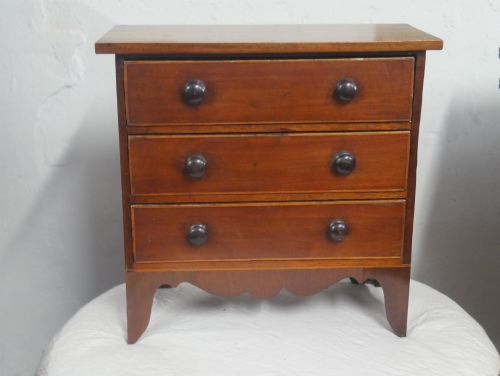
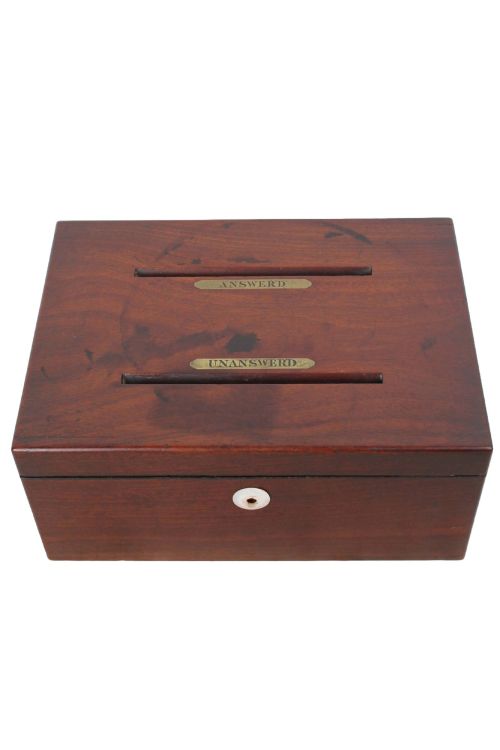
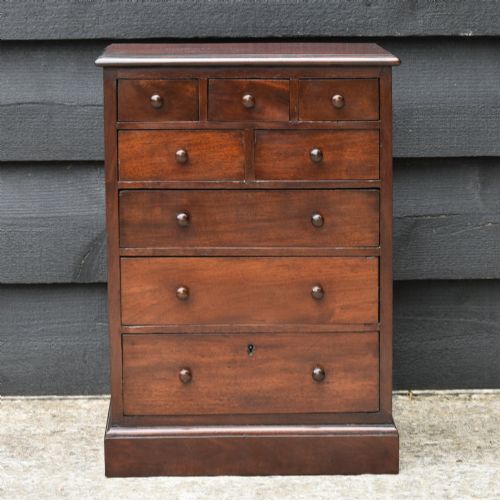
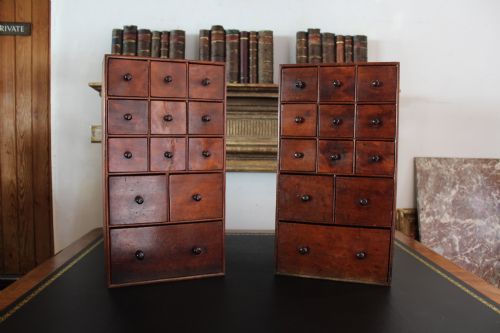
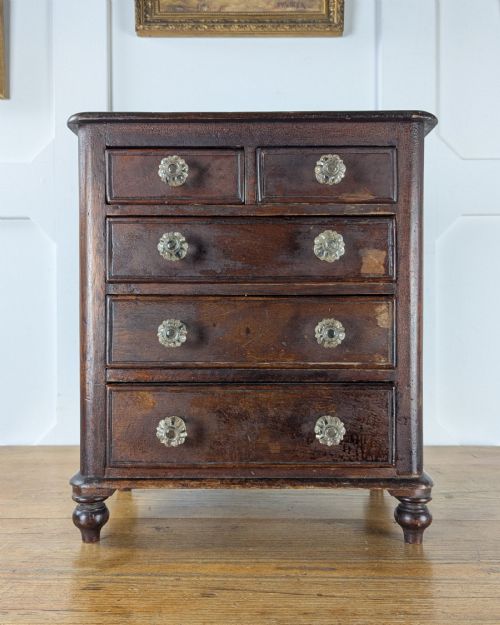
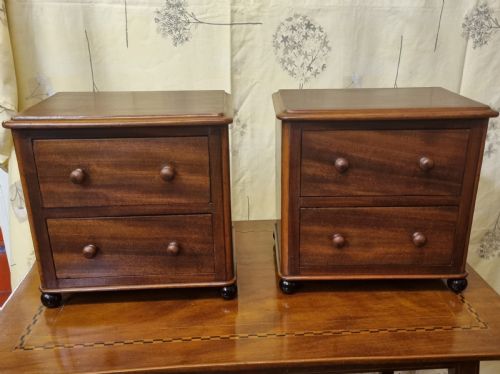
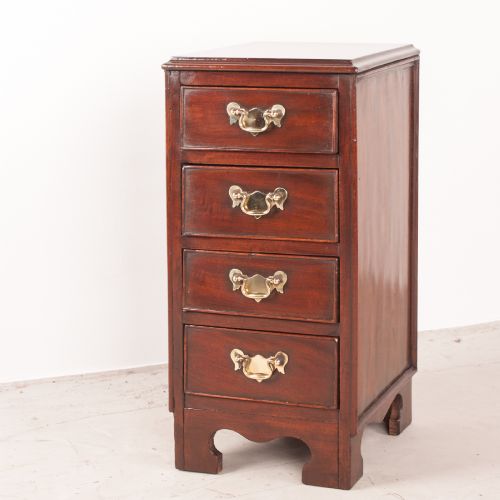
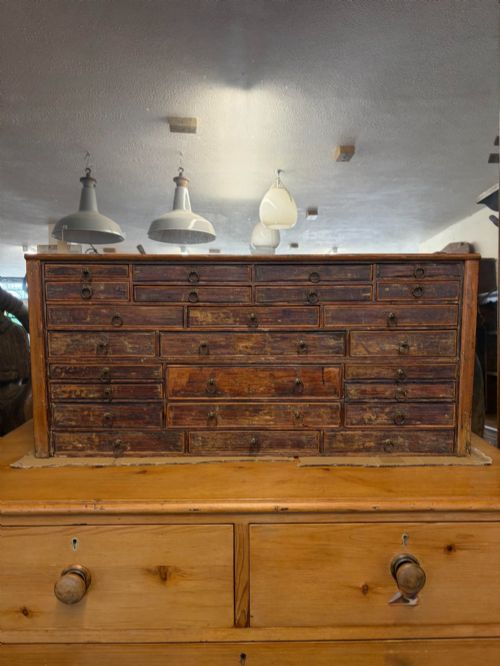
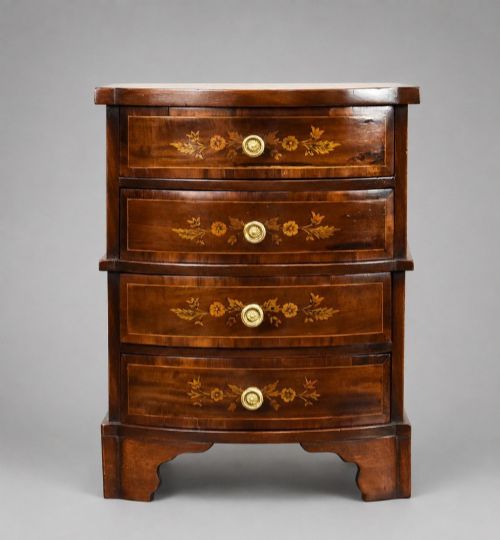
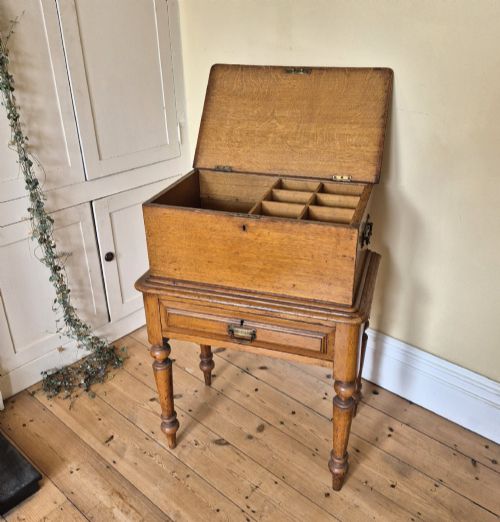
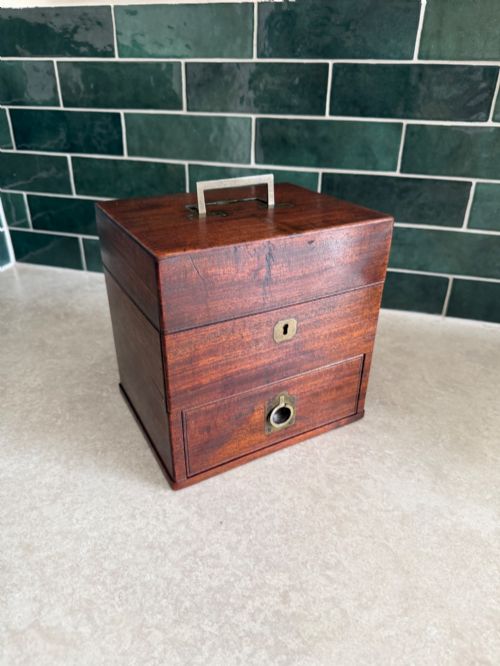
A wooden collector chest comprises miniature chests of drawers, apothecary cabinets, Wellington chests, and tabletop specimen boxes originating across the Georgian, Victorian, and Edwardian periods. Buyers searching for a wooden collector chest encounter pieces designed for specialised sorting, from miniature apprentice pieces to multi-drawer filing units and apothecary banks.
The material palette spans mahogany, oak, walnut, pine, and rosewood, often enhanced by brass hardware and bone escutcheons. Smaller tabletop examples and miniature furniture dominate the selection, alongside functional banks of drawers and campaign-style storage units.
Materials and Technique
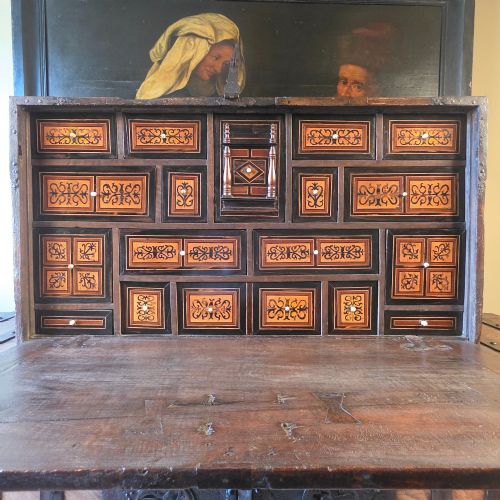
Cabinet makers utilised dense hardwoods such as mahogany, walnut, and oak alongside secondary softwoods like pine, constructing carcases with traditional dovetail joints to ensure structural stability for numerous small drawers. Veneers in kingwood and satin walnut added decorative surface pattern through parquetry and marquetry.
Metal fittings including brass drop handles, locking side bars on Wellington chests, and recessed campaign handles provided security and utility for travelling or desktop storage. Interior surfaces frequently retained original linings of velvet or paper to protect delicate contents.
Wooden Collector Chest Retail Price Guide 2026
Typical asking prices for wooden collector chest among the pieces listed under this phrase on Sellingantiques today, from the lower quarter to the upper quarter. They describe what is for sale here now, not the wider market.
Listings feature mahogany, oak, walnut, and pine across Victorian, Edwardian, and Georgian periods in forms ranging from apothecary boxes to miniature chests.
Evaluating Construction and Finish
Quality rests in the precision of the drawer construction, the tightness of the dovetails, and the selection of timber figures such as flame mahogany or figured walnut. Superior examples retain original locks, keys, and integrated locking mechanisms like the pivoting stile found on Wellington chests.
The refinement of secondary details, including finely turned feet, hand-cut brass escutcheons, and uncompromised internal dividers, distinguishes standard utilitarian storage from pieces commissioned for fine cabinet collections.
The Wooden Collector Chest Glossary
- Wellington chest
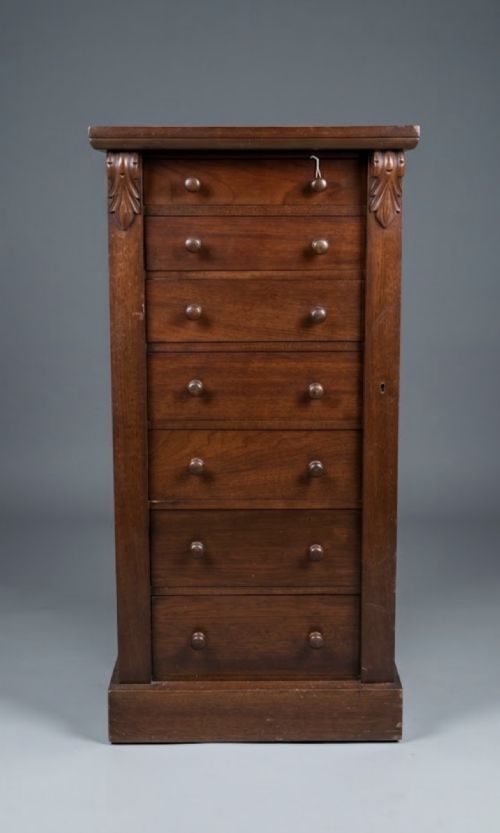
- A tall, vertical chest of drawers featuring a hinged locking stile on one side that secures all drawers simultaneously when locked with a key.
- Apothecary chest
- A multi-drawer cabinet originally designed to store medicinal ingredients, herbs, and apothecary bottles.
- Marquetry
- The art of applying decorative veneer pieces in wood, bone, or shell to form geometric or pictorial patterns on a furniture surface.
- Escutcheon
- A protective plate surrounding a keyhole, often cast in brass or carved from bone.
Wooden Collector Chest: Frequently Asked Questions
What is a Wellington chest?
A Wellington chest is a tall, narrow set of drawers characterised by a hinged locking bar on the right side that fastens over the drawer edges.
Secured with a single key, this mechanism allowed owners to keep sensitive papers and small valuables secure in nineteenth-century studies.
How were apothecary chests used?
Apothecary chests served as secure storage for dried herbs, medicinal powders, and glass phials in dispensaries and private homes.
Numerous small drawers permitted the systematic organisation of ingredients by medical practitioners.
What distinguishes an apprentice piece?
Apprentice pieces are scaled-down versions of full-size furniture created by woodworkers proving their technical competence.
These miniature chests display the exact same dovetailing and turning methods found on larger wardrobe and chest examples.
What woods are common in these chests?
Cabinet makers relied primarily on durable hardwoods including mahogany, walnut, and oak for visible exterior surfaces.
Pine and other secondary softwoods frequently appear on drawer linings and internal dividers.