








Wooden Boat Art
These wooden boat art pieces encompass maritime folk art, oil paintings, and scratch-built models spanning the nineteenth and twentieth centuries.
Wooden Boat Art
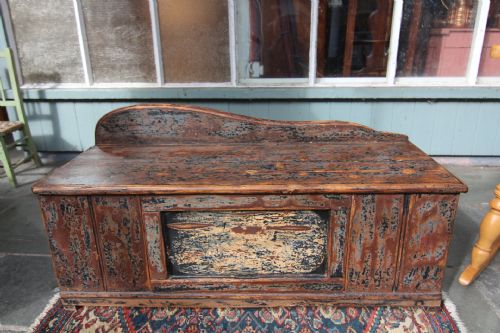
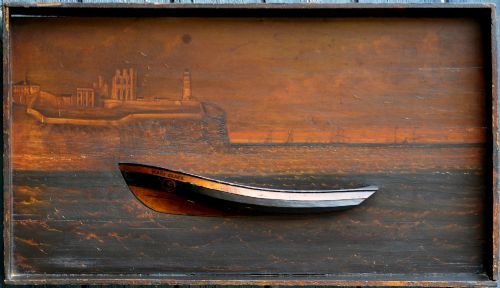
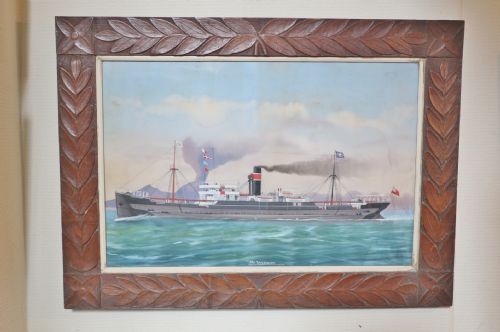
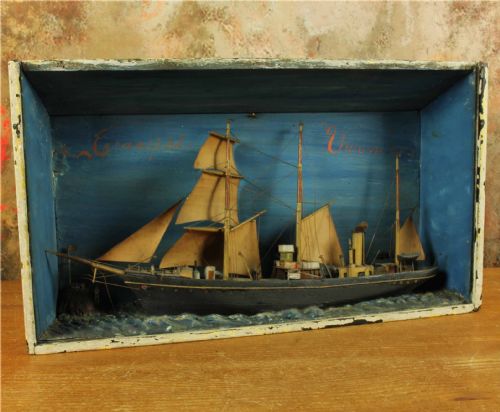
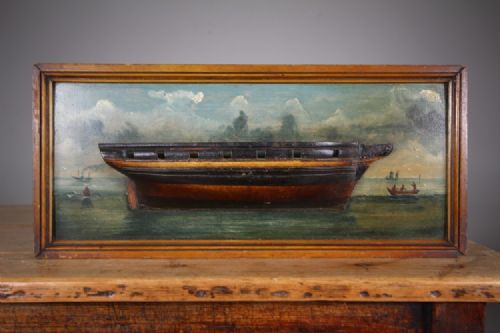
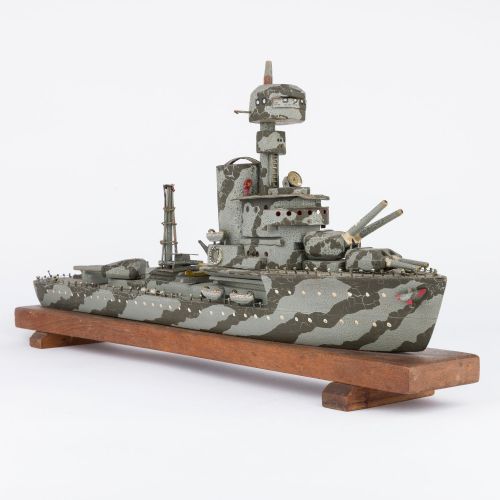
Wooden boat art includes maritime folk art, diorama ship models, and oil paintings depicting harbours, seascapes, and vessels. These pieces range from nineteenth-century polychrome barge box seats and French handmade boat models in boxes to early twentieth-century scratch-built models and shipbuilders half hull models.
Buyers will most frequently encounter nineteenth-century items alongside Edwardian and 1920s pieces, including pond yachts, ship's wheels, and framed canvas or panel paintings. The selection covers varied origins from English, French, and Welsh makers, capturing nautical history through both fine art and folk craftsmanship.
Materials and construction
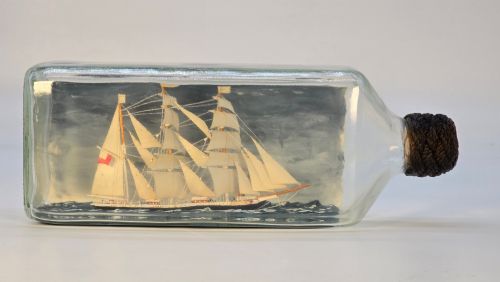
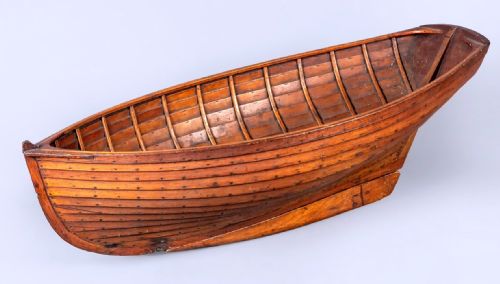
Makers utilised wood, pine, sycamore, and oak as the foundational structure for carved hulls, scratch-built models, and ships wheels, often applying paint, brass, and canvas details. Dioramas enclose miniature sailing ships within glass bottles or wooden boxes, sometimes incorporating paper elements to build coastal or marine scenes.
Painters applied oil and watercolour on canvas, paper, or panel to capture coastal views and harbour scenes from St Ives to the Mediterranean. Model makers shaped sycamore and pine for luxury yacht hulls, mounting them on marble bases or wooden plinths.
Wooden Boat Art Retail Price Guide 2026
Typical asking prices for wooden boat art among the pieces listed under this phrase on Sellingantiques today, from the lower quarter to the upper quarter. They describe what is for sale here now, not the wider market.
Listings span periods from the 19th Century through the 1960s, featuring materials such as wood, paint, glass, metal, canvas, pine, brass, and paper.
Distinctions in quality
Quality rests upon the precision of the hand construction in scratch-built models and the fidelity of detail in diorama and half hull pieces. Early nineteenth-century examples display intricate rigging and proportional accuracy that distinguish them from simpler folk art iterations.
In paintings and signage, quality is determined by brushwork proficiency, composition, and the preservation of the original paint surface or canvas. Pieces attributed to recorded artists or exhibiting specific regional provenance carry distinct visual depth compared to anonymous works.
Edward Matthew Elliott·Raymond Picque·William Lee Hankey·Gustave De Bréanski·Emile A Gruppe
The Wooden Boat Art Glossary
- Diorama
- A three-dimensional scenic representation enclosed within a box or glass bottle. These pieces typically house miniature sailing ships placed on modelled water.
- Half hull model
- A scale model representing one side of a ship's hull, traditionally used by shipbuilders to visualise vessel design.
- Folk art
- Utilitarian or decorative objects created by self-taught or traditional craftsmen. In this context, it includes scratch-built boats and painted barge box seats.
- Polychrome
- Decorated in multiple colours. This technique appears on nineteenth-century box seats and maritime objects.
Wooden Boat Art: Frequently Asked Questions
What is a ship diorama?
A ship diorama is a detailed model of a vessel displayed within an enclosed container, such as a glass bottle or a wooden box.
These pieces often recreate specific maritime scenes using carved wood, canvas, and painted backgrounds.
How do half hull models differ from full models?
Half hull models represent just one side of a ship and were historically utilised by builders to design vessel shapes.
Full models depict the entire watercraft, frequently mounted on wooden plinths or marble bases.
What periods do these pieces date from?
The available selection spans from the early nineteenth century through the Edwardian era and into the mid-twentieth century.
Items include Victorian items as well as works from the 1920s, 1930s, and 1950s.
How should I display wooden boat art?
These pieces suit placement on mantelpieces, bookshelves, or dedicated display tables where their three-dimensional forms are visible.
Paintings and wall art require secure wall mounting away from direct sunlight to protect the canvas and paint.