
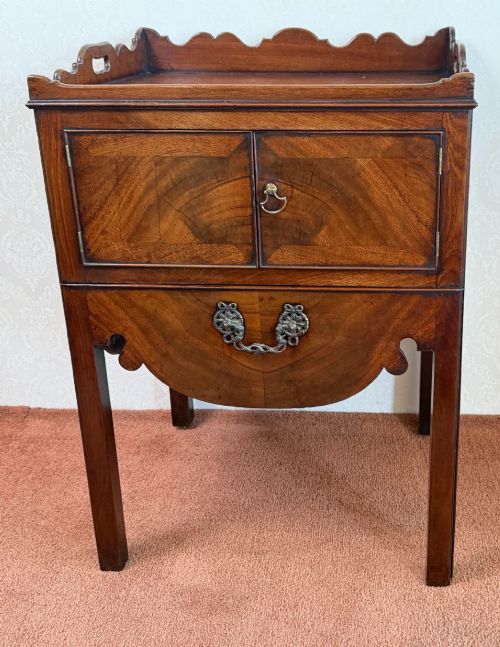
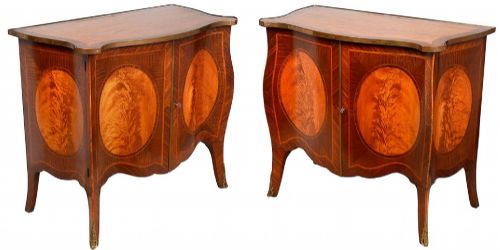
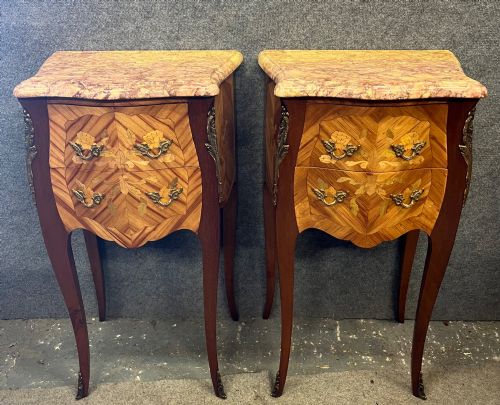

Wooden Bedside Commode
A wooden bedside commode is a practical piece designed to conceal chamber pots, appearing here in Georgian and Victorian forms.
Wooden Bedside Commode
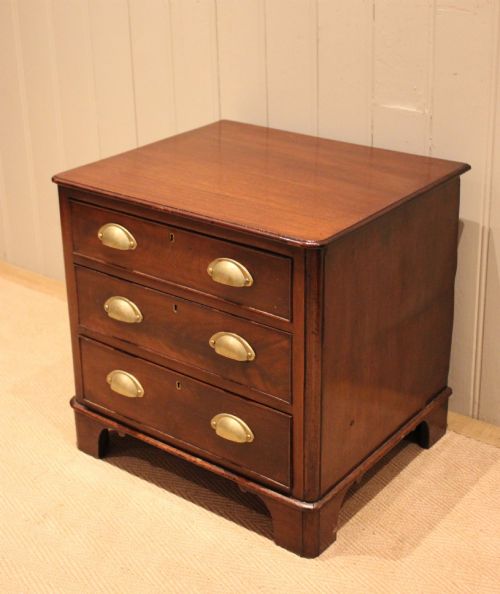
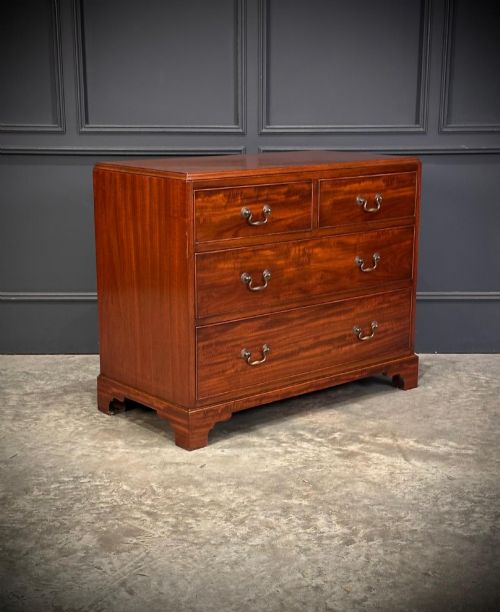
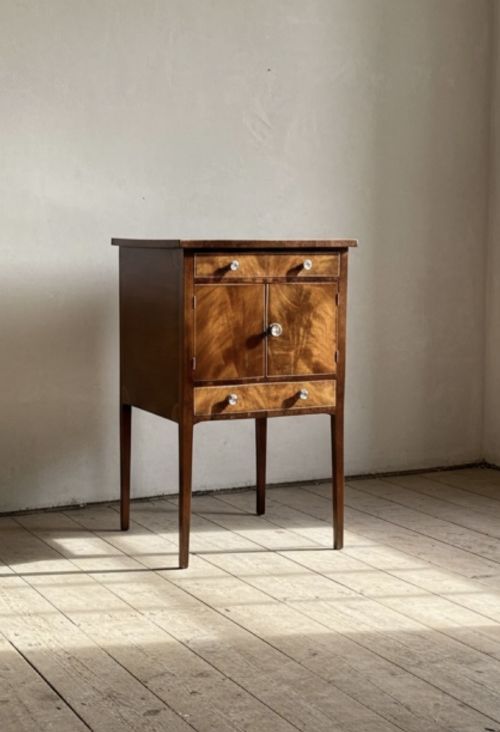
A wooden bedside commode bridges the gap between utilitarian furniture and refined cabinet-making, often taking the form of a small cabinet, nightstand or close stool designed for the bedroom. When searching for a wooden bedside commode, buyers frequently encounter pieces derived from 18th-century George III designs, alongside later 19th-century Victorian and Edwardian interpretations.
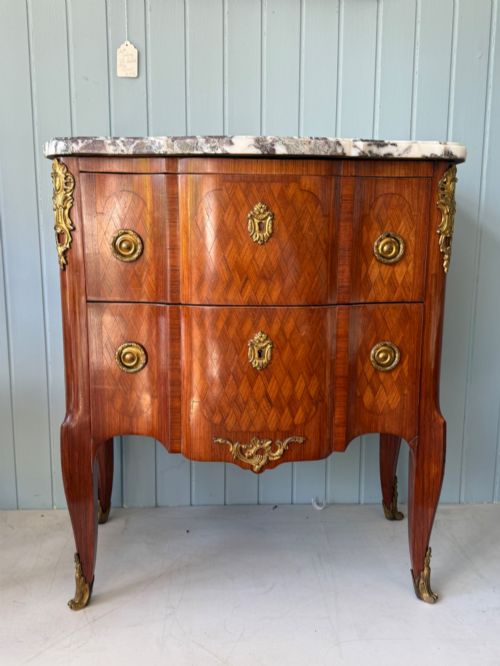
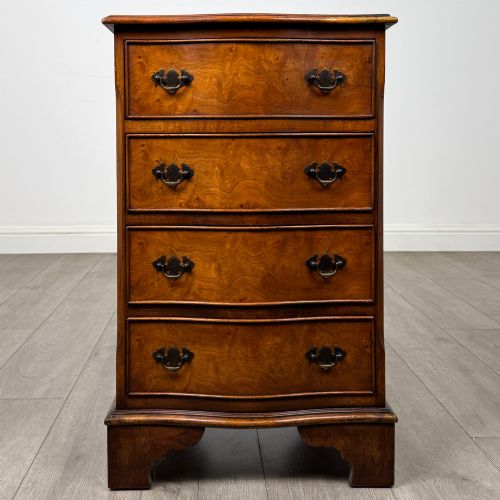
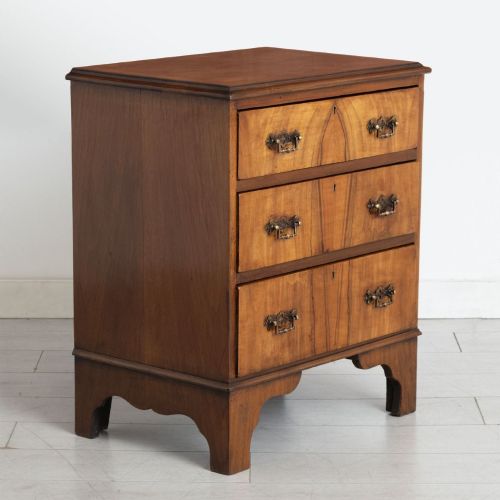
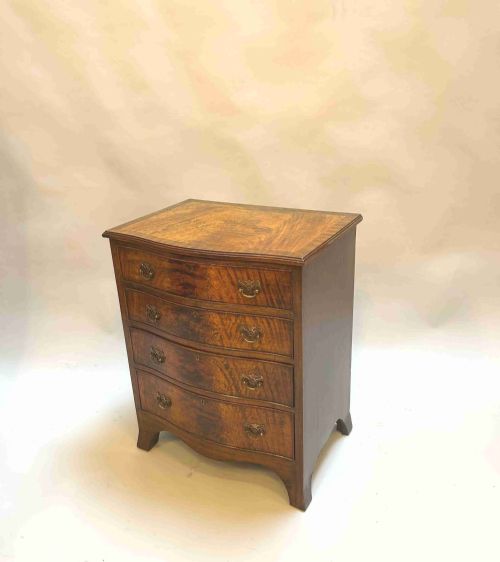
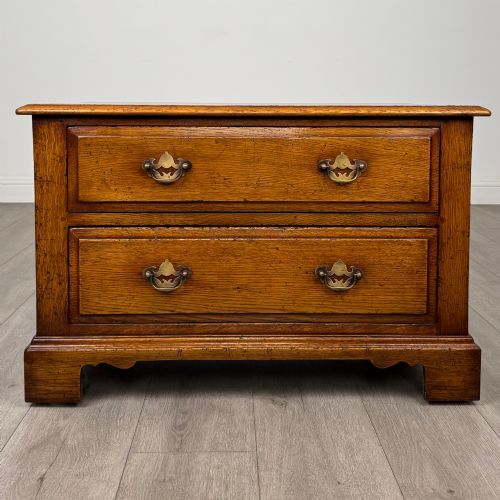
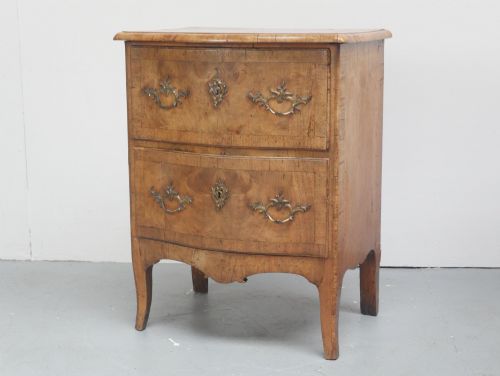
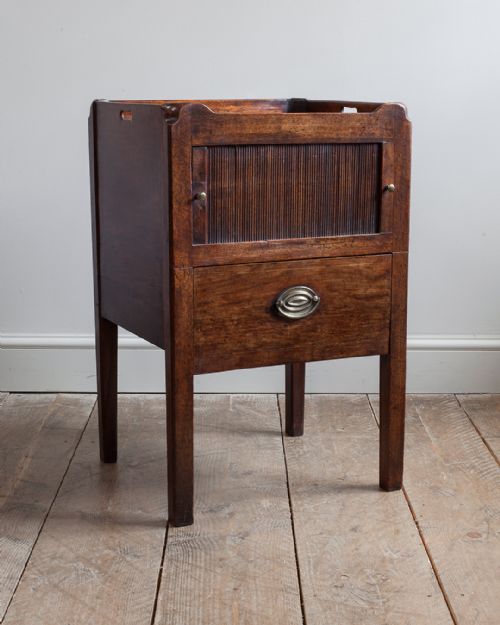
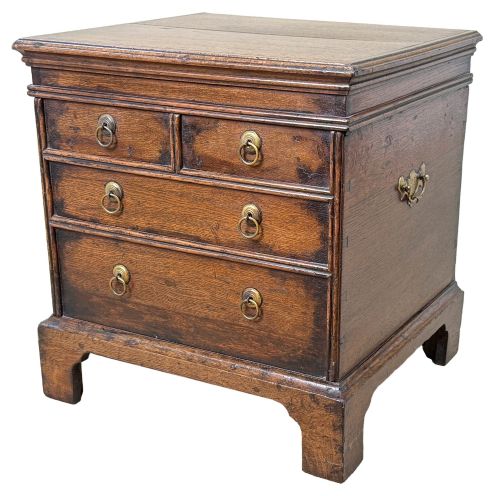
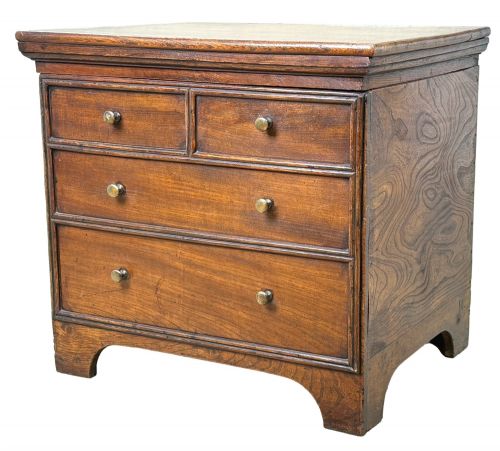
The selection ranges from George III tray-top cupboards and cylindrical bedside tables to French-influenced marquetry commodes and small chests of drawers fitted with faux drawers. These objects reflect domestic routines of past centuries, where enclosed storage beside the bed was an essential part of the chamber's layout.
Materials and Construction
Cabinet-makers relied heavily on timbers such as mahogany, walnut, and oak to construct these pieces, often selecting figured veneers and flame-mahogany to elevate the surface appearance. Elm and oak served for sturdier, more utilitarian close stools and primitive regional pieces.
Fine examples incorporate brass handles, marble tops, and intricate marquetry inlay, whilst structural joinery ensures stability for daily use. Surface finishes highlight the natural grain of the wood, whether left plain or polished to a deep sheen.
Several pieces disguise their sanitary purpose so thoroughly as a small chest that only the lifting lid reveals the fitted interior.
Judging Quality
Quality rests upon the proportion of the piece, the crispness of any carved or inlaid details, and the integrity of the timber used in its construction. Superior examples maintain original hardware, well-fitted doors or drawers, and uncompromised structural frames.
Lesser pieces may exhibit later alterations, replacement tops, or heavier, less refined proportions that detract from the original cabinet-maker's intent.
The Wooden Bedside Commode Glossary
- Close stool
- A piece of furniture enclosing a chamber pot, often disguised as a small chest of drawers or cupboard. These items were essential bedroom furnishings before modern indoor plumbing.
- Tray top
- A raised rim around the upper surface of a bedside table or cabinet. This feature prevents items placed on top from rolling off.
- Marquetry
- Decorative veneer work arranged in intricate patterns using various coloured woods. It often appears on panels of 18th and early 20th-century cabinets.
- Serpentine
- A gently curving furniture front that swells outwards and recesses inwards in a wave-like shape. This contour requires skilled woodworking.
- Cylindrical
- Built with a rounded, circular body rather than straight sides. Cylindrical cupboards often feature a curved door enclosing interior shelving.
Wooden Bedside Commode: Frequently Asked Questions
What is a wooden bedside commode?
A wooden bedside commode is a small cabinet or chest originally designed to house a chamber pot out of sight. Over time, many have been adapted or built simply as convenient bedside storage.
They combine practical enclosed space with decorative timber work suited for the bedroom.
How were these commodes used?
In past centuries, these pieces sat beside the bed to provide discreet sanitation during the night. They kept necessary items enclosed behind cabinet doors or faux drawer fronts.
Today, they function primarily as decorative bedside tables or lamp tables.
How do I style a commode at home?
These cabinets fit easily into traditional or eclectic bedrooms as bedside tables offering hidden storage. Their compact size also suits use as small side tables in a hallway or living room.
Pair them with simple lamps to let the timber grain and historical form stand out.
How can I tell Georgian pieces apart?
Georgian pieces typically display restrained classical proportions, premium mahogany or oak timbers, and subtle details like tray tops or bracket feet. Later revival styles often incorporate heavier marquetry or contrasting veneers.
Examining the interior construction and secondary woods helps clarify the period of manufacture.