


Wooden Barley Twist Lamp
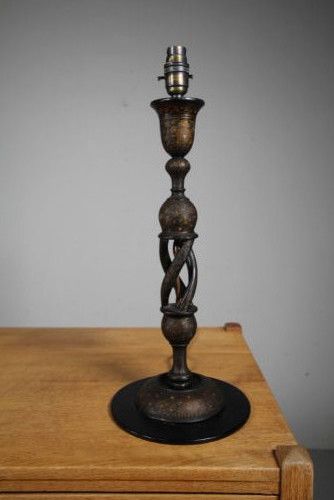
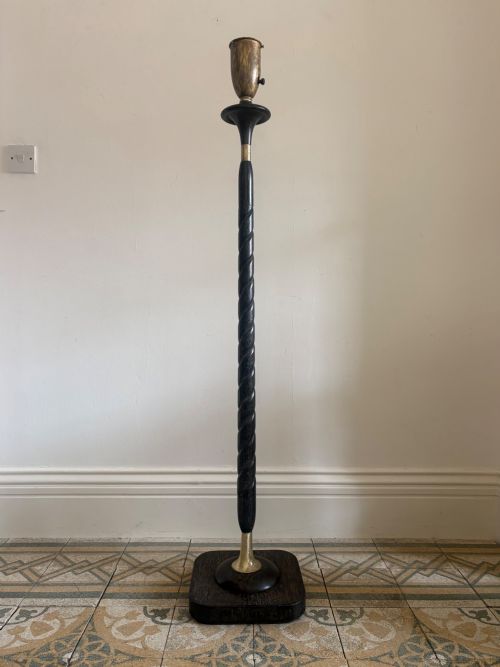
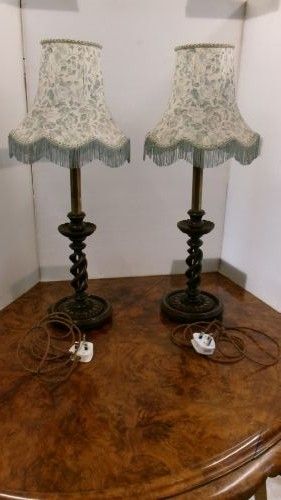
A wooden barley twist lamp brings sculptural warmth to a room through its characteristic spiral turnings.
Wooden Barley Twist Lamp
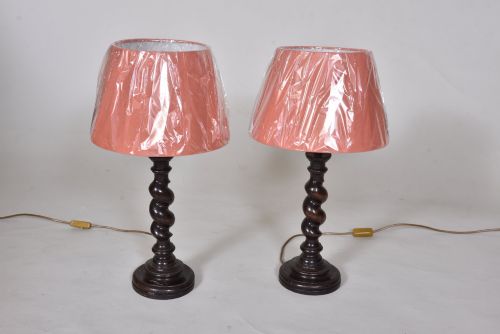
A wooden barley twist lamp is a lighting fixture defined by its distinctive spiral shaft, appearing here in forms ranging from table bases to tall floor standards. These turned pieces emerge from periods spanning the nineteenth century through the 1930s, reflecting enduring taste for turned woodwork.
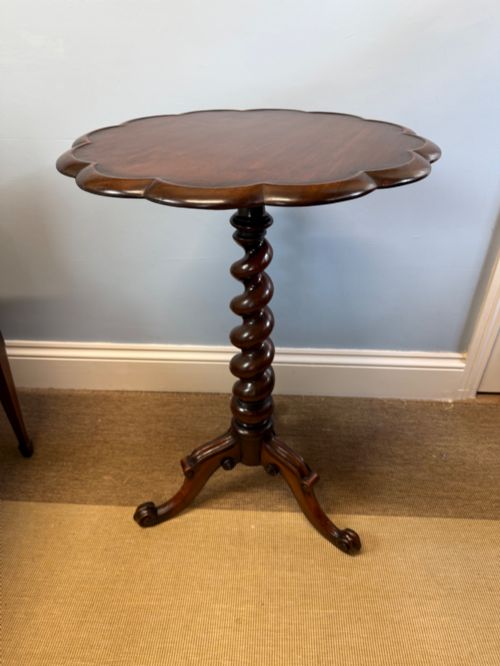
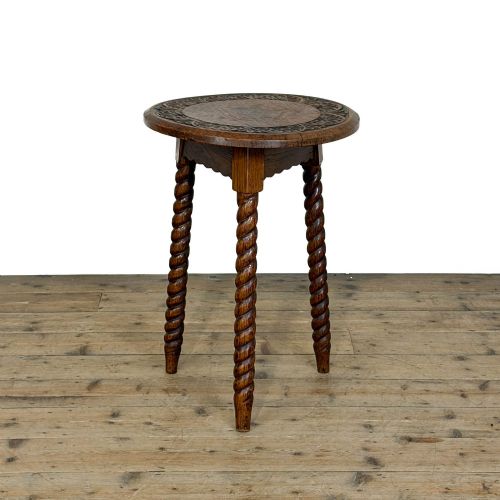
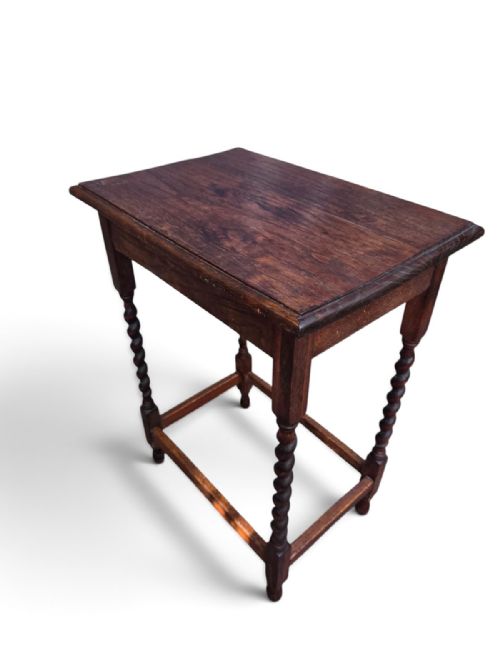
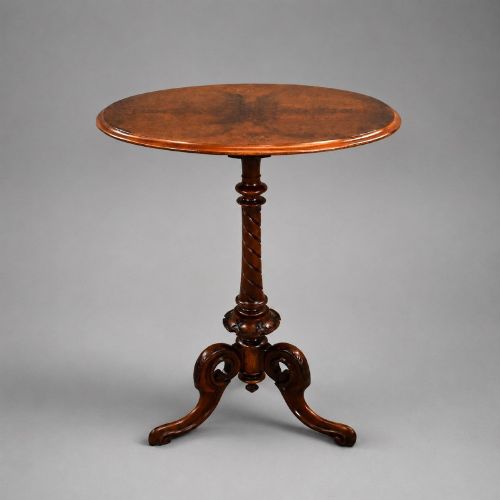
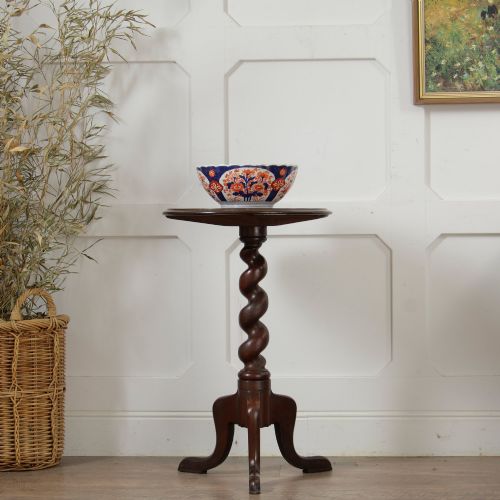
Buyers encounter standard table lamps alongside taller floor lamps, often accompanied by related items such as oak side tables and occasional tables sharing similar spiral legs. The selection draws on diverse stylistic revivals, capturing both domestic English production and international examples.
Most items date from the Victorian, Edwardian, and 1920s eras, utilising rich timbers that highlight the depth of the carved twists. Each lamp carries the marks of its specific decade, whether through simple country oak or more finished walnut construction.
How they were made
The construction of a wooden barley twist lamp relies on turning timber on a lathe to create the diagonal spiral effect, or executing the twist by hand carving. Solid woods form the backbone of these pieces, with oak and walnut providing the structural stability needed for tall shafts.
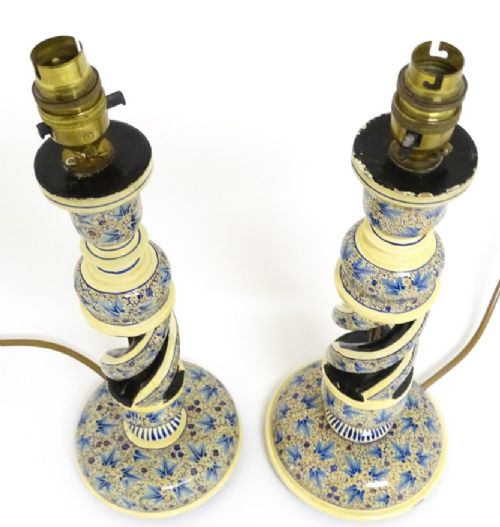
Selected pieces incorporate brass components for fittings or mounts, adding metallic contrast to the dark timber surfaces. Certain items feature applied finishes such as lacquer or ebonisation, while others rely on the natural grain of mahogany and burr walnut.
Materials recorded across these listings include oak, walnut, mahogany, brass, fabric, and lacquer.
What varies in quality
The distinction between ordinary and exceptional examples rests in the crispness of the turning and the choice of timber. Pieces fashioned from figured woods like burr walnut or rich oak display superior depth compared to plain, utilitarian equivalents.
Proportion and balance dictate the success of the design, particularly in taller floor standards where stability is paramount. The precision of the spiral rhythm reveals the skill of the original maker, separating standard production from finer craftsmanship.
The Wooden Barley Twist Lamp Glossary
- Barley twist
- A spiral turning resembling a stalk of barley, popular in furniture and lighting from the seventeenth century onwards and revived in later periods.
- Standard lamp
- A tall floor-standing lamp designed to illuminate a room from a vertical post, frequently incorporating turned wooden shafts.
- Occasional table
- A small, movable table used for specific minor purposes, often sharing the turned leg vocabulary of contemporary lamp bases.
- Ebonisation
- A finishing process that treats timber to imitate ebony, creating a dense black surface seen on certain 1920s pieces.
- Burr walnut
- A highly prized wood veneer showing intricate, swirling grain patterns formed from tree growths, utilised on high-status surfaces.
Wooden Barley Twist Lamp: Frequently Asked Questions
How do I date a wooden barley twist lamp?
Dating relies on timber choice, electrical fittings where original, and stylistic context from periods like the Edwardian era or the 1920s. Oak predominates in earlier vernacular pieces, while ebonised finishes and specific proportions point to later decades.
Examining the base construction and any signs of past wiring helps narrow the decade of manufacture. Comparing the turning style to dated tables from the same eras provides further chronological guidance.
Where should I place a floor lamp?
A tall standard lamp suits corners of reception rooms or beside seating areas where it provides ambient or reading light. Its vertical presence fills empty wall space without requiring surface furniture.
Consider the height of the ceiling and the reach of the shade when positioning the piece. Pairing it with smaller matching items from the same period creates visual continuity in a room.
Are these lamps supplied with shades?
Some listings include fabric shades, while others offer the wooden base alone for the buyer to dress independently. Original shades are rarely present, as textiles degrade over time.
Selecting a shade requires balancing the weight of the wooden twist with appropriate scale and fabric texture. Simple linen or silk designs often complement the carved timber without competing for attention.
How do I care for antique wood?
Maintaining the finish involves dusting with a soft cloth and occasionally applying a suitable beeswax to nourish the timber. Avoiding direct sunlight and extreme temperature fluctuations prevents the wood from drying out.
Keep moisture away from the surface and base connections to protect both the timber and internal wiring. Gentle maintenance preserves the natural patina developed over decades of use.