



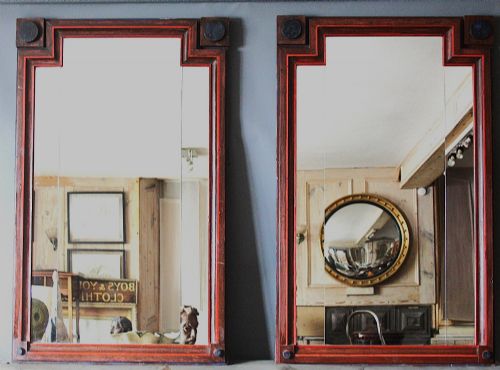

Wooden Accent Mirror
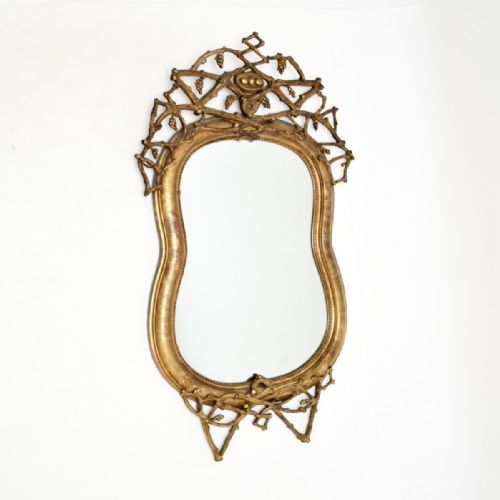
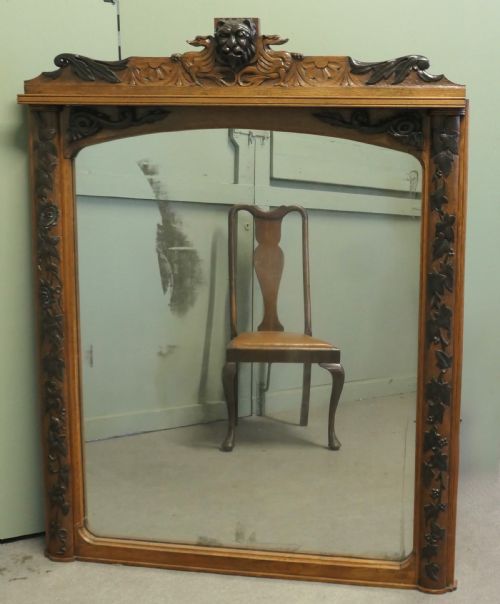
A wooden accent mirror brings depth and texture to a room, offering functional reflection through tactile timber and carved detail.
Wooden Accent Mirror
A wooden accent mirror is a wall-mounted or hanging looking glass framed in timber, often shaped to serve as a decorative focal point. Buyers seek these pieces to introduce character, light and traditional craftsmanship into interiors, drawing on centuries of cabinet-making traditions.
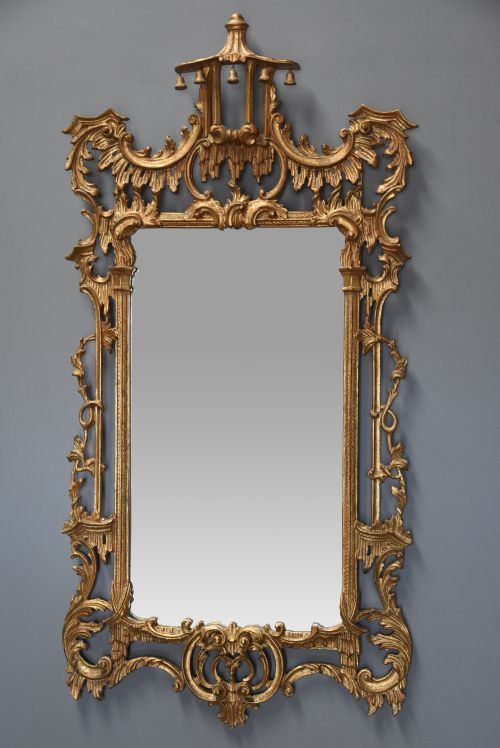
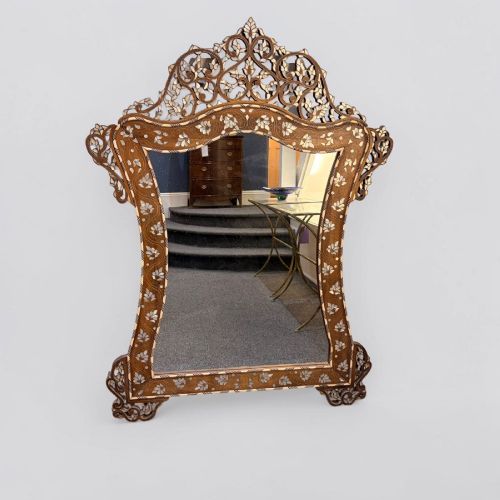
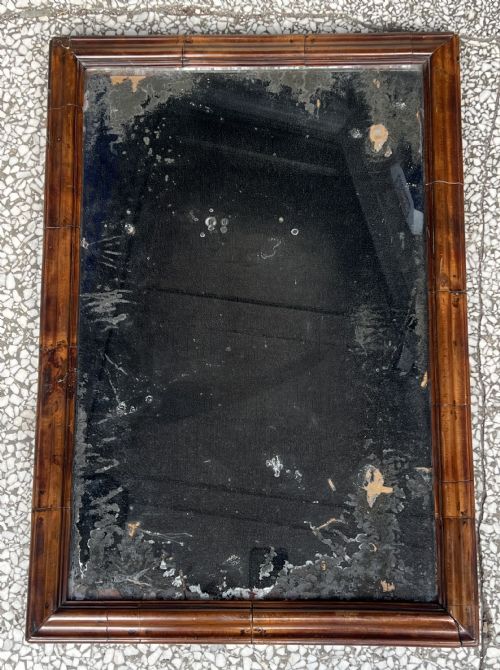
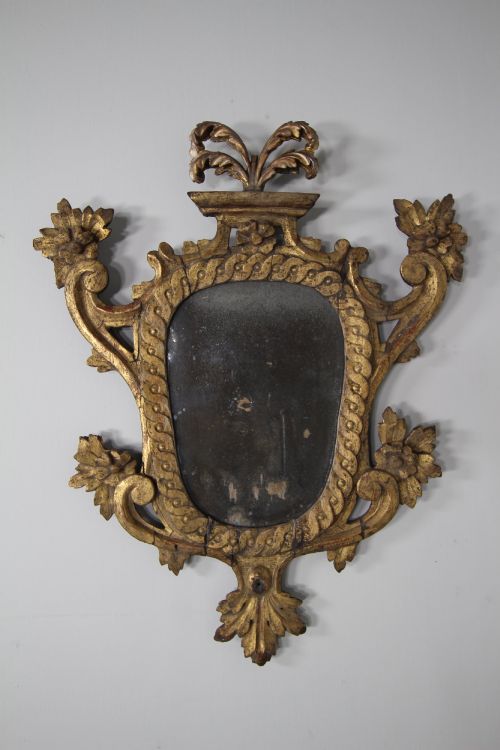
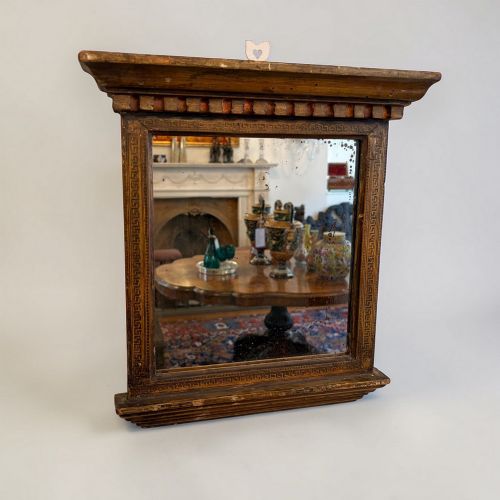
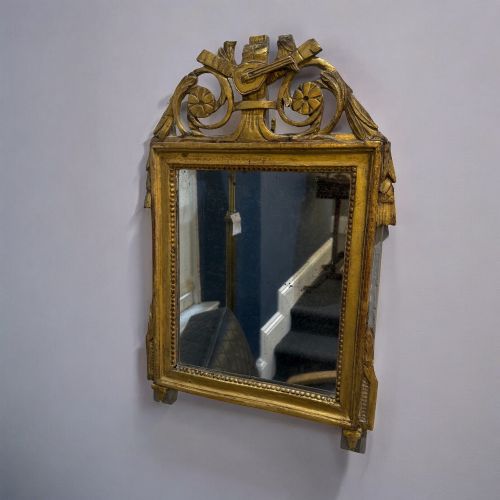
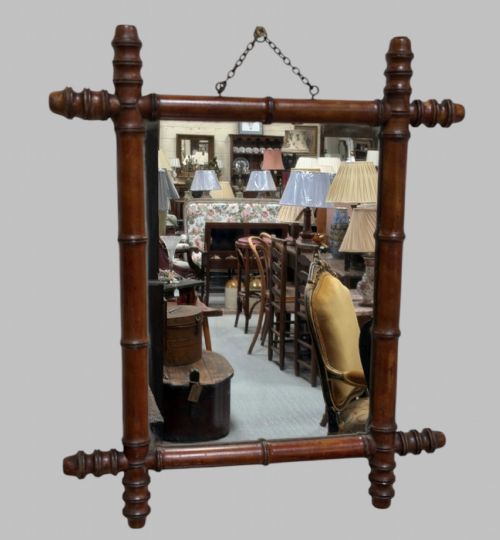
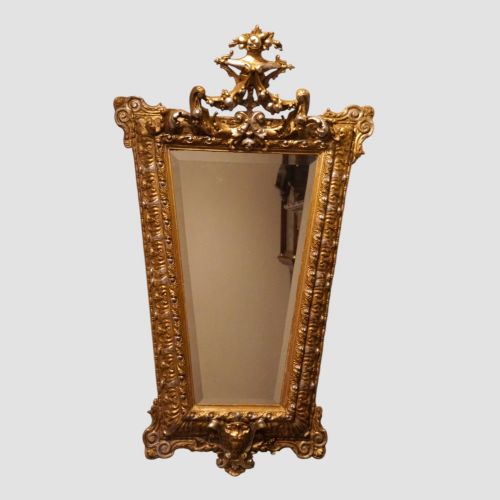
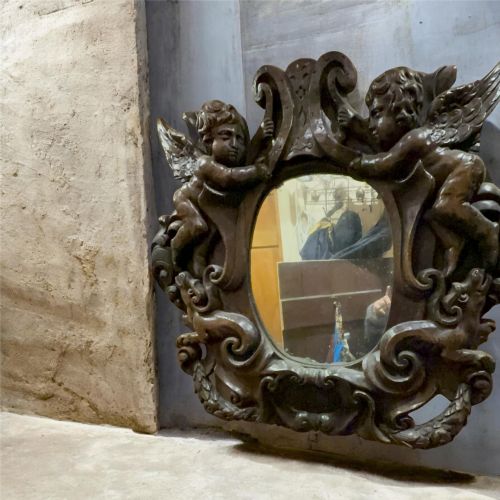
The selections span distinct historical periods, featuring robust oak frames from the nineteenth century alongside gilded Italian carvings and geometric Art Deco designs. Pieces range from modest faux bamboo wall mirrors to large architectural examples with carved crests and engraved plates.
Nineteenth-century Victorian and French styles dominate the selection, frequently employing carved wood, gesso and paint. Buyers regularly encounter rectangular, oval and arched formats that reflect the decorative tastes of past European workshops.
Materials and construction
Frames are constructed from solid timbers such as oak, pine and exotic woods, often shaped by hand carving or steam bending. Joinery techniques secure the structural integrity of the surround before surface treatments are applied.
Giltwood and gesso pieces receive layers of preparation before gold leaf or silver leaf is laid down and burnished. Painted and ebonised finishes provide alternative surfaces, sometimes complemented by marquetry inlay or faux bamboo turning.
Wooden Accent Mirror Retail Price Guide 2026
Typical asking prices for wooden accent mirror among the pieces listed under this phrase on Sellingantiques today, from the lower quarter to the upper quarter. They describe what is for sale here now, not the wider market.
Assessing craftsmanship
Quality rests in the depth and precision of the hand carving, where crisp foliate scrolls or clean geometric lines distinguish superior workshops from routine production. The handling of applied gesso and the purity of leaf gilding reveal the artisan's skill.
The integrity of the frame construction and the preservation of the original reflective plate determine the overall standing of the object. Finer examples maintain crisp detail in mouldings and retain their original surface finishes without excessive intervention.
A.J Rowley
The Wooden Accent Mirror Glossary
- Gesso
- A plaster-like mixture applied to wood frames as a base for gilding or painting. It provides a smooth surface that can be modelled into relief ornament.
- Giltwood
- Timber that has been coated with gold leaf or gold paint. This finish creates a reflective, luminous surface popular in classical and revival interiors.
- Faux bamboo
- Wood turned and carved to imitate the segmented stalks of natural bamboo. It gained popularity during the nineteenth century through Asian design influences.
- Marquetry
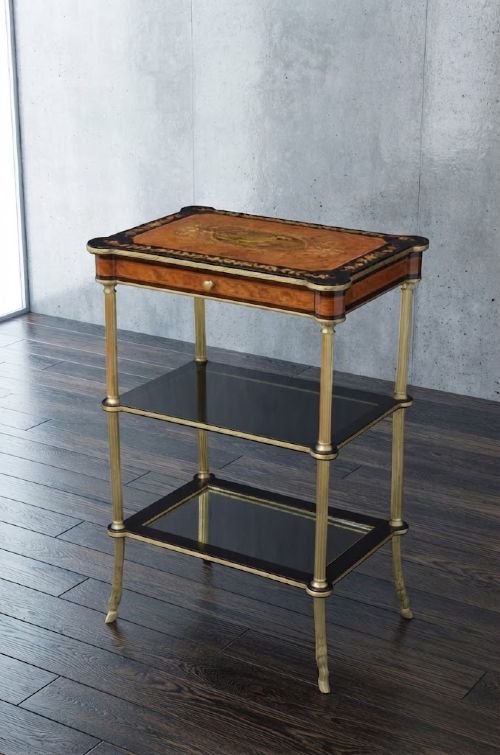
- The art of applying small pieces of veneer to a structure to form decorative patterns. Craftsmen use various coloured woods to create pictorial designs.
- Rococo revival
- A nineteenth-century design movement mimicking the asymmetrical scrolls and shell motifs of the French eighteenth century. It employs heavy carved wood and gesso.
Wooden Accent Mirror: Frequently Asked Questions
What periods do these mirrors come from?
The selection includes pieces spanning from the eighteenth century through to the Art Deco period of the nineteen-thirties. Nineteenth-century Victorian and revival styles are particularly common.
Each era brings distinct carving techniques and framing materials to the selection.
How do I clean an antique mirror plate?
Clean the glass gently with a soft microfibre cloth and a mild glass cleaner sprayed onto the cloth rather than directly onto the mirror. This prevents moisture from seeping behind the plate.
Avoid harsh chemicals that might damage aged silvering or surrounding wooden frames.
Can these mirrors be hung in bathrooms?
Bathrooms experience high humidity which can damage antique wood finishes, gesso and traditional silvered glass over time. Placing them in drier hallways, living rooms or bedrooms is generally safer.
If placed in a bathroom, ensure adequate ventilation to protect the timber and leaf work.