

Wood Games Table
A wood games table brings centuries of parlour entertainment into a room, offering fold-over tops and hidden compartments ready for play.
Wood Games Table
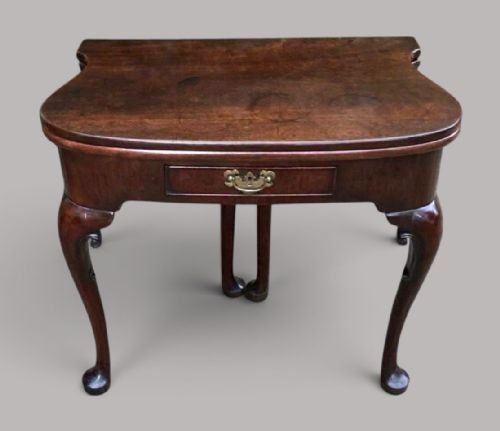
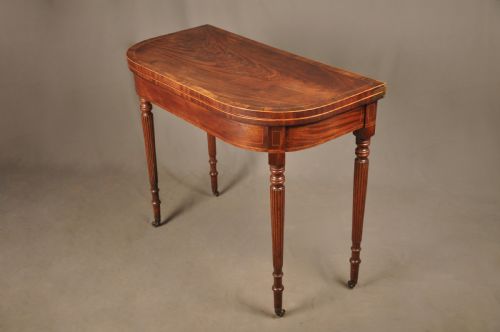
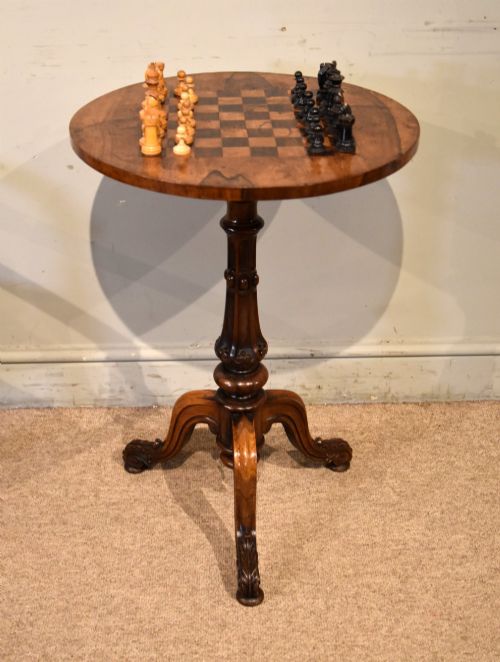
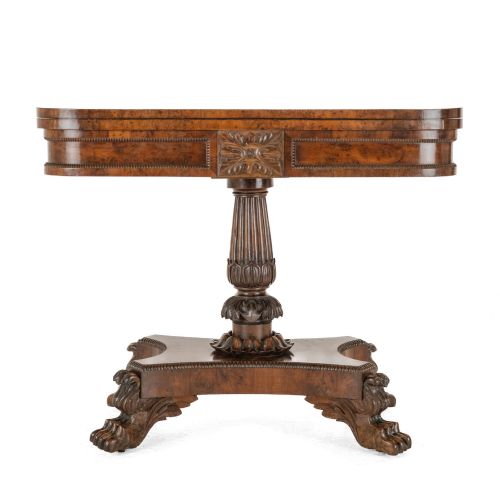
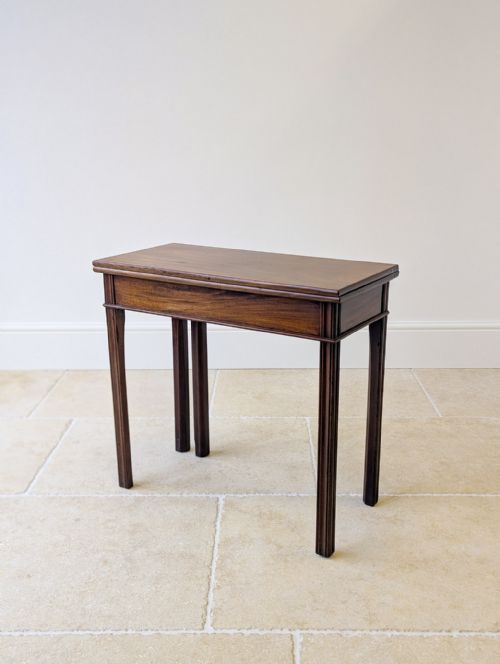
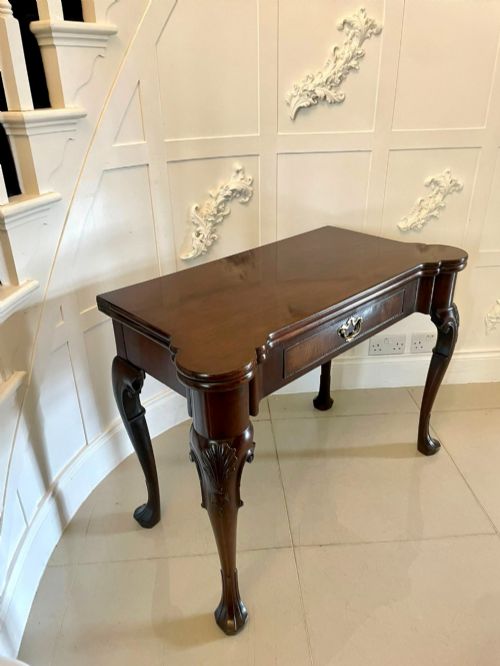
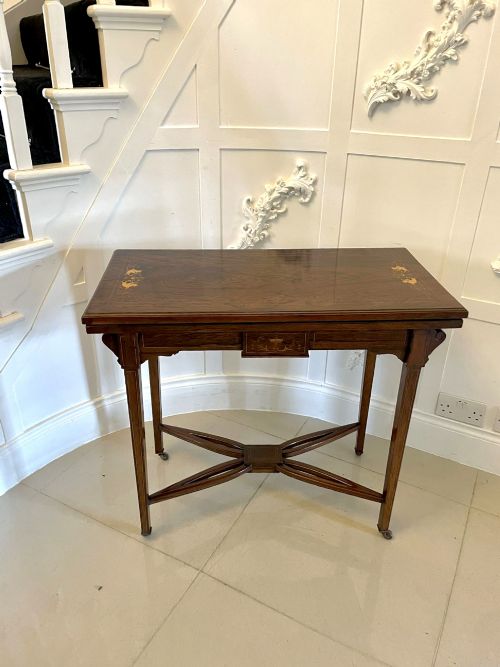
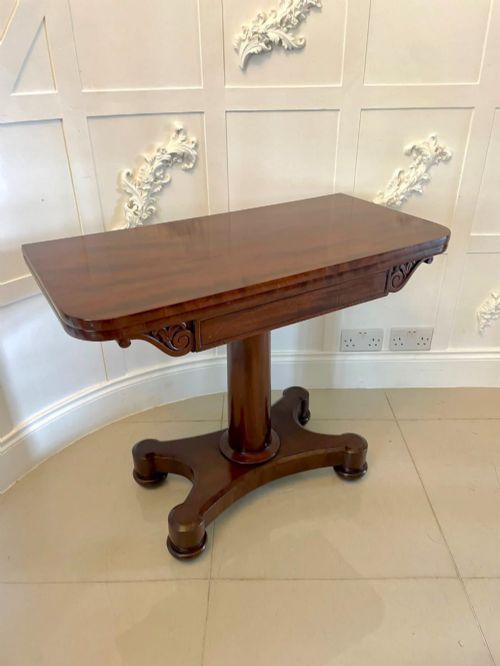
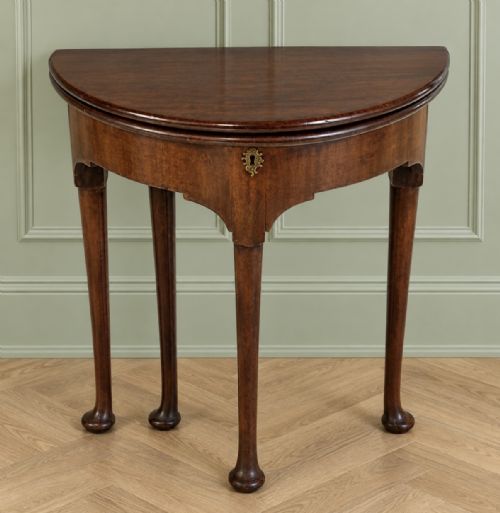
A wood games table serves as a dual-purpose piece of furniture designed for card playing, chess, and roulette, transitioning smoothly from a standard console or side table into a dedicated surface for pastimes. These items appear across the 18th century, Regency, and Victorian periods, taking forms such as card tables, envelope tables, and tea tables.
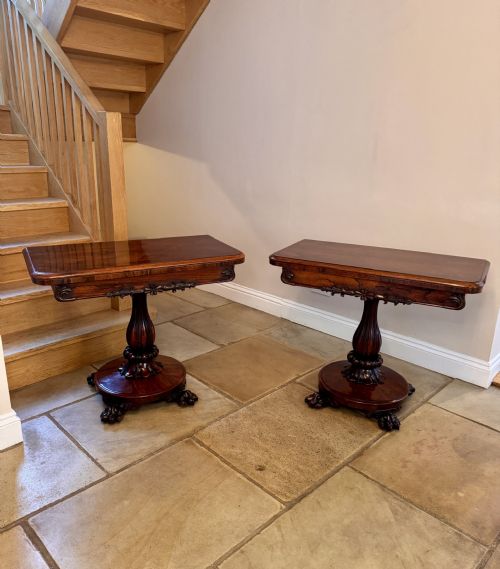
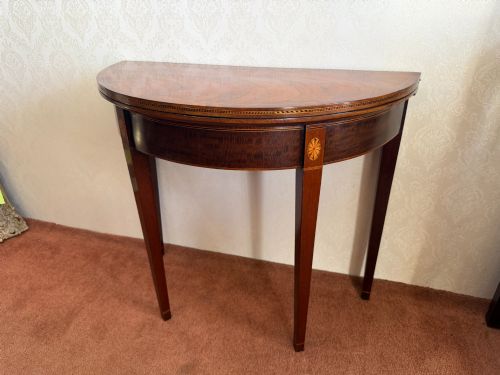
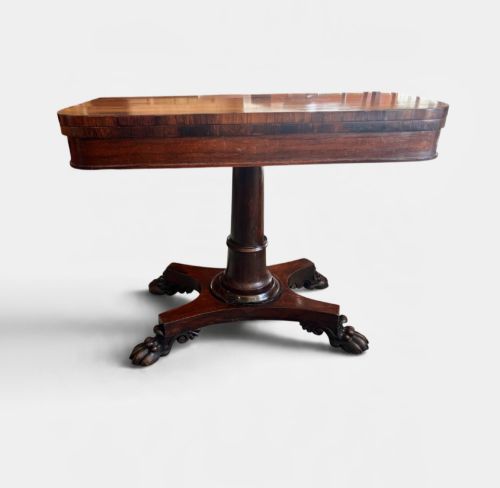
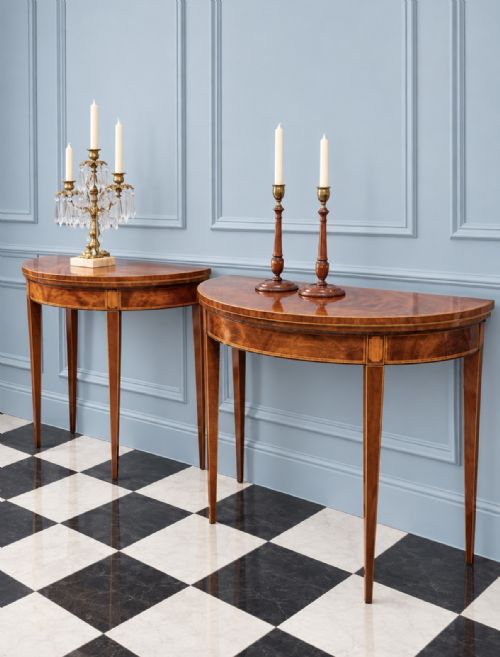
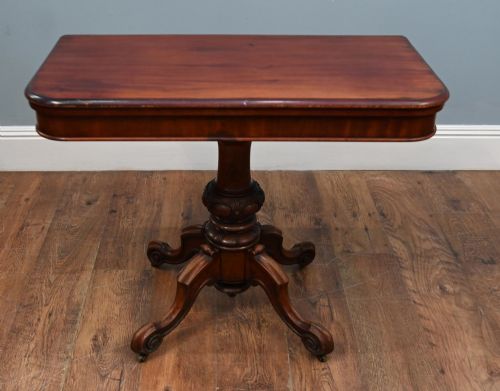
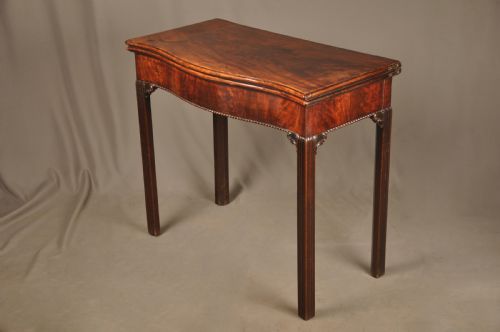
The most common versions met on this page are mahogany and rosewood fold-over card tables from the Georgian and Victorian eras. These tables typically feature hinged tops that pivot or unfold to reveal baize-lined playing surfaces, alongside occasional chess boards and specialised game blocks.
What varies in quality
The distinction between standard examples and top-tier pieces rests on the choice of timber and the precision of the mechanism. Figured mahogany, burr walnut, and finely matched rosewood veneers signal superior material selection, while well-executed concertina actions and crisply carved pedestal bases separate workshop masterworks from basic production.
Integration of design details further elevates a piece. Meticulous brass inlay, geometric wood inlay, and balanced proportions across demi-lune and serpentine forms demonstrate the maker's skill, whereas simpler items rely purely on straightforward turnery and standard folding tops.
Wood Games Table Retail Price Guide 2026
Typical asking prices for wood games table among the pieces listed under this phrase on Sellingantiques today, from the lower quarter to the upper quarter. They describe what is for sale here now, not the wider market.
Some tables conceal secret compartments originally designed to hide losing wagers from polite company.
George Bullock·James Shoolbred and Co
The Wood Games Table Glossary
- Card Table
- A specialised table with a folding or rotating top designed specifically for card games. When closed, it functions as a side or console table.
- Concertina Action
- An extending frame mechanism used in older card tables that expands when the top unfolds, providing support to all four corners.
- Envelope Table
- A square table featuring four triangular flaps that fold inward and outward in a rotating motion to reveal the playing surface.
- Demi-Lune
- A half-moon shape characteristic of tables designed to sit flush against a wall before opening into a full circle for play.
- Stringing
- Thin strips of contrasting wood or brass inlaid into channels cut into the surface to create decorative geometric borders.
Wood Games Table: Frequently Asked Questions
How do you open a folding games table?
Most folding tables utilise a swivel mechanism or a hinged top that rotates ninety degrees before opening out flat. The supporting frame often swings or pulls outward to hold the newly exposed leaf securely in place.
Older 18th-century pieces may employ a concertina action where the entire frame expands symmetrically. Care should be taken to check the hinges and alignment before attempting to unfold the surface.
What were these tables used for?
These pieces served as multi-functional furniture for domestic entertainment, primarily hosting card games, chess, and occasional table roulette during the Georgian and Victorian eras. Between gatherings, the folded tops allowed them to function as side or console tables against a parlour wall.
They also accommodated tea service and writing tasks, making them versatile additions to drawing rooms and reception spaces. The hidden compartments frequently stored playing cards, counters, and dice.
How do I care for a wood games surface?
Maintain the timber by keeping the table away from direct sunlight and sudden temperature shifts that can dry out rosewood or mahogany veneers. Dust regularly with a soft, dry cloth and avoid commercial silicone polishes.
Protect baize or wood inlay from moisture and heavy impacts during use. Occasional application of appropriate wax preserves the sheen of the polished top without building up residue.
How can I tell a Georgian table from a Victorian one?
Georgian tables tend to feature restrained elegance, linear mahogany or satinwood construction, and subtle stringing or tapered legs. They often rely on concertina actions or simple swing legs to support the folded top.
Victorian examples frequently display heavier proportions, rich burr walnut or rosewood veneers, and ornate carved pedestal bases or basket supports. Ormolu mounts and more elaborate turning also point towards the later 19th-century aesthetic.