
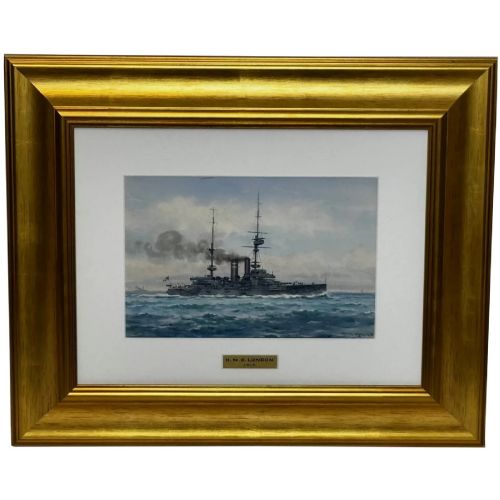
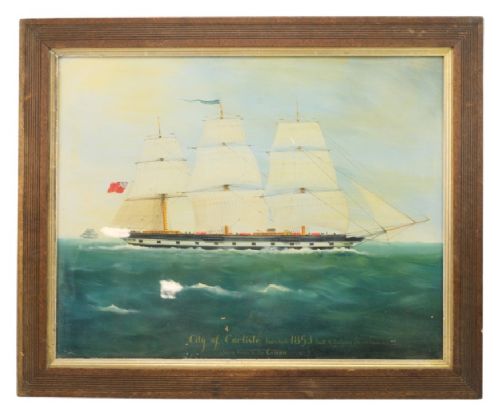
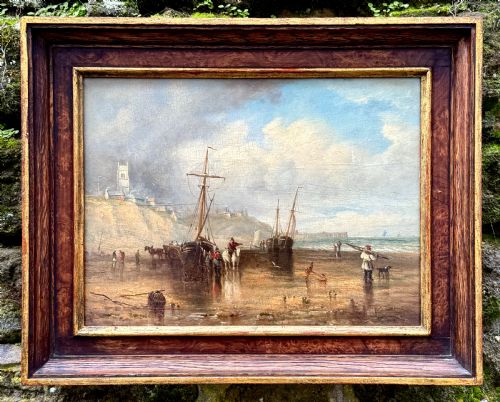
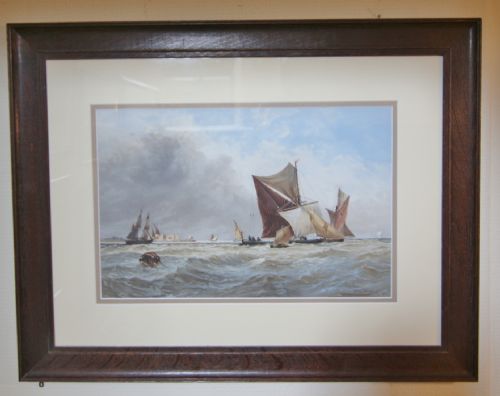


Wood Framed Maritime Painting
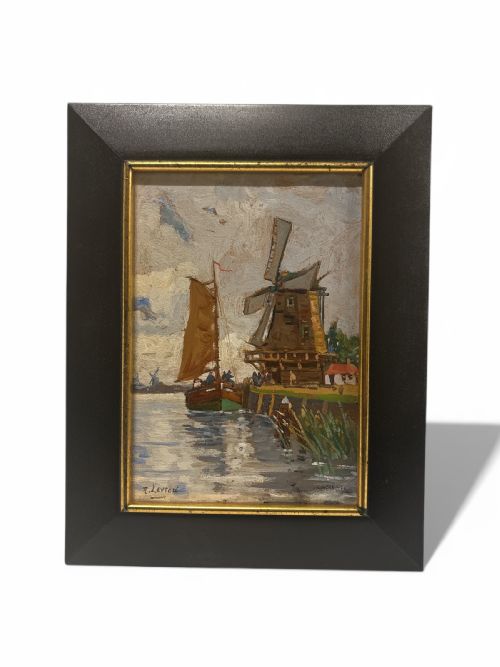
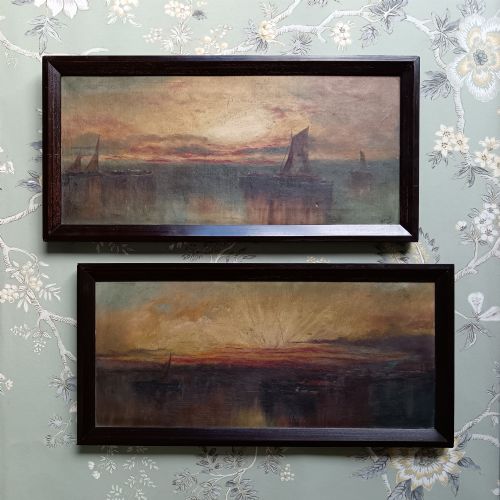
These wood framed maritime painting examples capture historical vessels and coastal scenes within period timber surrounds.
Wood Framed Maritime Painting
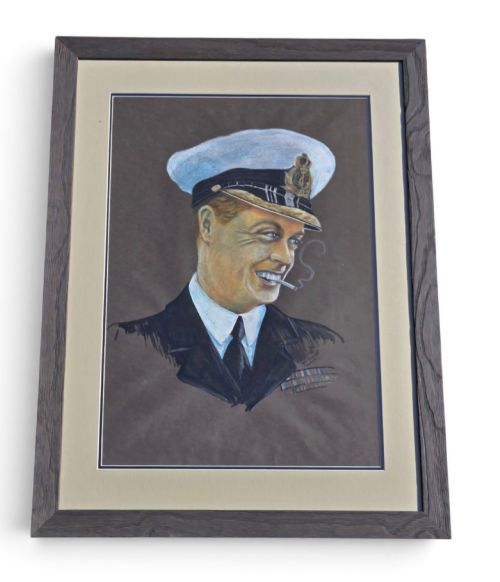
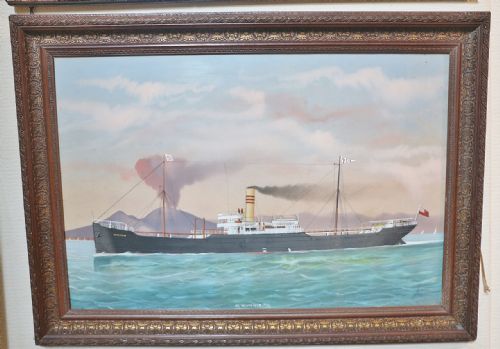
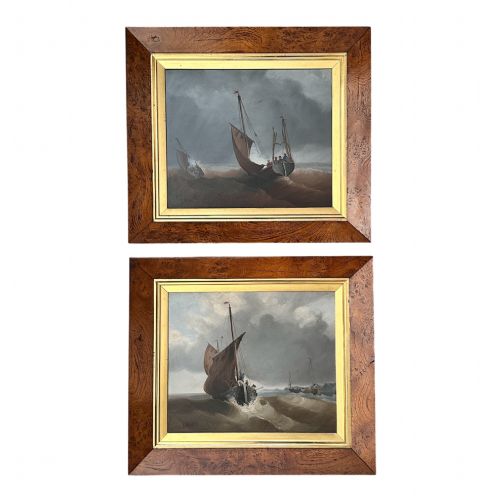
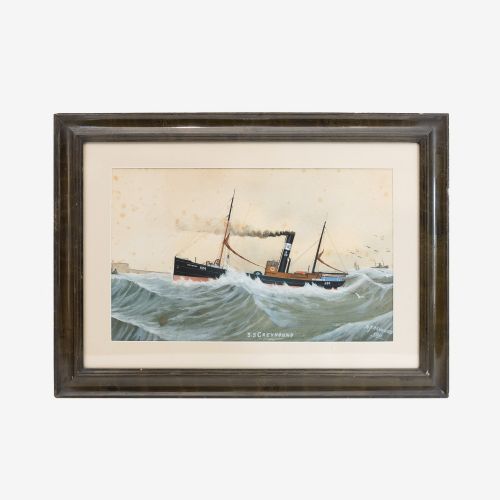
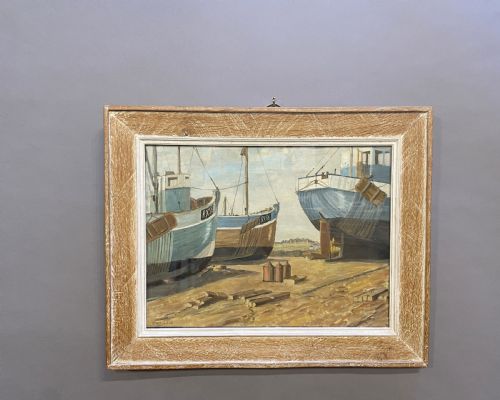
A wood framed maritime painting encompasses oil on canvas, board, watercolour, and pastel depictions of ships, coastal harbours, and marine views enclosed within wooden moulding. Buyers browsing this phrase encounter Victorian, Edwardian, and early twentieth-century works ranging from detailed watercolour and gouache records to impressionistic oil paintings and folk art dioramas. The selection frequently includes named vessels, naval engagements, and coastal landscapes set inside period timber or gilt-accented frames.
The assortment spans traditional English and French school compositions alongside maritime folk art and shadow box models. Pieces reflect specific periods from the nineteenth century up through the nineteen-thirties, documenting merchant vessels, sailing ships, and coastal vistas. These works function primarily as wall art and historical records preserved within original or period-appropriate wood surrounds.
Materials and construction
Makers utilised oil paint, watercolour, gouache, pastel, and ink applied to canvas, paper, or wooden boards. Canvases and papers are mounted inside timber frames, occasionally paired with glass protection or gilt details.
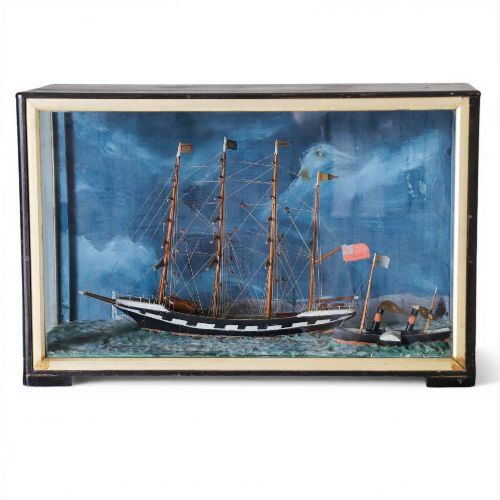
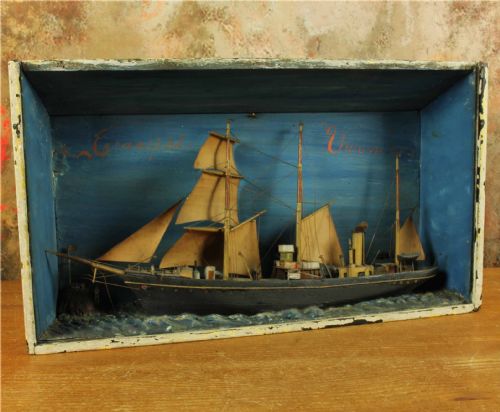
Three-dimensional variants incorporate scratch-built ship models, carved wood, shells, and painted backdrops within shadow box dioramas. Frames consist of wood, sometimes featuring hand-enamelled polychrome decoration or revival-style mouldings.
Listings feature works from the nineteenth century, Edwardian era, and nineteen-thirties, utilising oil paint, watercolour, gouache, and wood.
Assessing the works
Quality rests upon the precision of the maritime draughtsmanship, the handling of light and water, and the historical or topographical accuracy of the vessel depicted. Works by recognised painters or documented regional schools command greater interest than anonymous decorative pieces.
The integrity of the mounting matters significantly, particularly whether the painting retains its original period wood frame or shadow box enclosure. The preservation of the paint surface and the clarity of the maritime subject differentiate standard wall art from notable examples.
R Leyton·B Nash·Frank Watson Wood·Thomas Creswick·TB Hardy·John Moore of Ipswich·Alexander Harwood·Jean-Baptiste Olive·Fred Waugh·T.S. Wallis·George Dodgson Callow·George Stanfield Walters·Charles Cameron Baillie
The Wood Framed Maritime Painting Glossary
- Oil on Canvas
- Pigment mixed with drying oil applied to stretched woven fabric. This medium allows for deep layering and rich textures typical of nineteenth-century marine art.
- Shadow Box Diorama
- A shallow enclosed box displaying a three-dimensional model set against a painted maritime backdrop. These pieces combine model-making with traditional painting.
- Gouache
- An opaque water-based paint featuring gum binder, used to achieve solid blocks of colour and fine linear detail in works on paper.
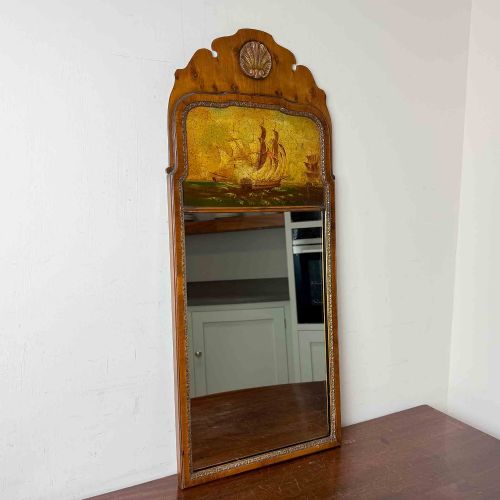
- Trumeau Mirror
- A decorative wall mirror incorporating an upper painted panel, often featuring coastal or pastoral scenes within a timber frame.
- Maritime Folk Art
- Self-taught or unaccredited creative work depicting ships and the sea, frequently constructed from accessible local materials.
Wood Framed Maritime Painting: Frequently Asked Questions
What periods do these paintings cover?
The available selection spans the nineteenth century through the nineteen-thirties, encompassing Victorian and Edwardian eras. Pieces reflect the prevailing artistic techniques and maritime subjects of those specific decades.
Datings are derived from artist signatures, documented periods, and stylistic indicators visible within the individual listings.
Are all the frames original?
Frames vary between original period surrounds concurrent with the creation date of the artwork and later replacement mouldings. Many nineteenth and early twentieth-century works retain their timber or gilt frames.
Certain pieces feature specialist surrounds such as hand-enamelled polychrome frames or shadow boxes built specifically for the artwork or diorama.
How do I identify a ship in a painting?
Many maritime works record specific vessels, naval ships, or merchant vessels named in the title, on the hull, or through accompanying documentation. Clues include signal flags, pennants, and distinctive vessel rigging.
Historical records, port locations such as Whitby or the Medway, and registry details often confirm the identity of the ship depicted.
What is a shadow box diorama?
A shadow box diorama is a framed, three-dimensional display combining a scratch-built model boat or ship with a painted background. These pieces use wood, canvas, and glass to create depth.
They represent a specific branch of maritime folk art created by sailors and local craftsmen during the nineteenth and early twentieth centuries.