
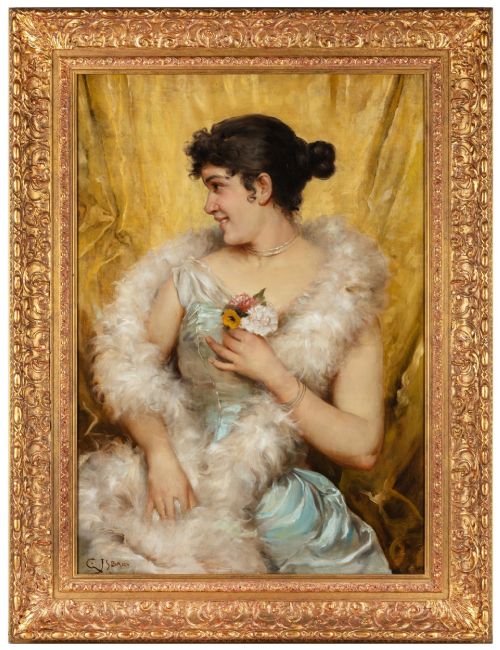
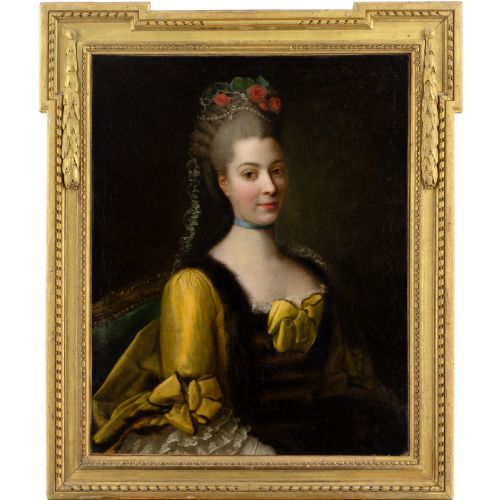
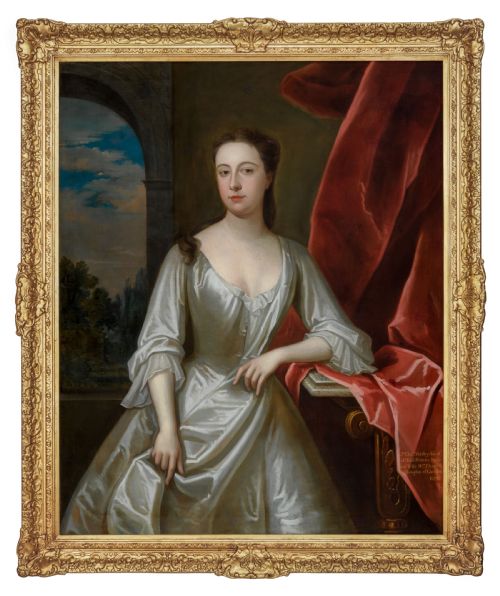
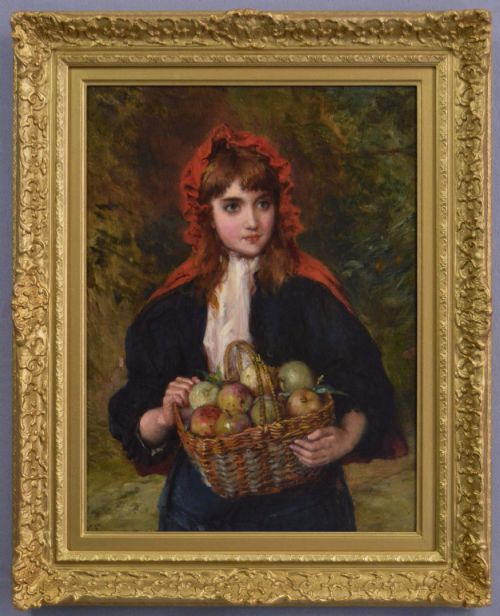

Woman Portrait Oil Painting
A woman portrait oil painting captures character and dress across centuries, offering collectors a direct link to historical sitters through layered pigments.
Woman Portrait Oil Painting
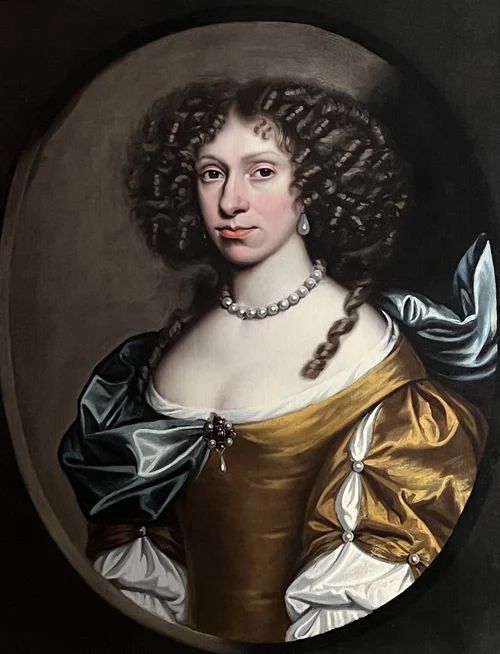
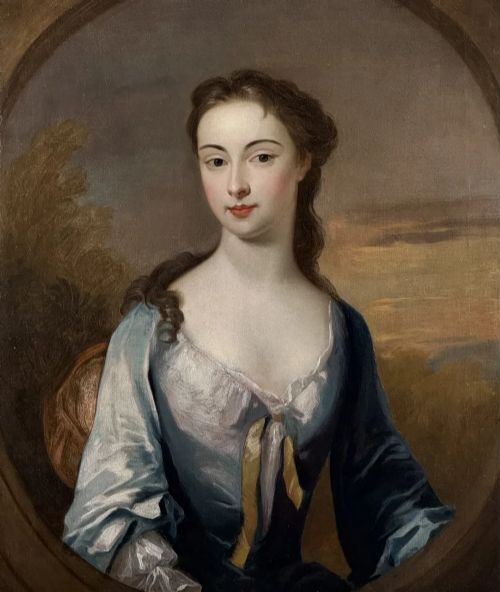
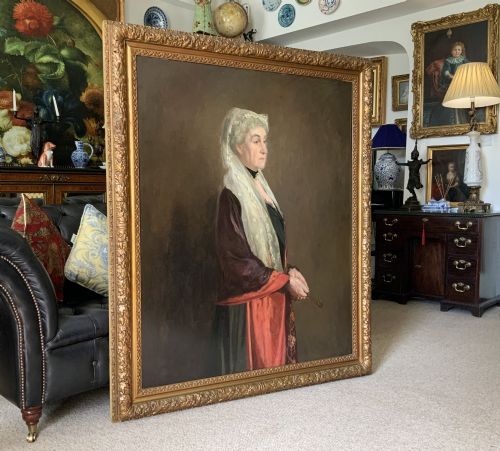
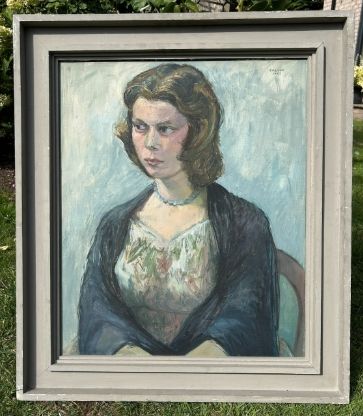
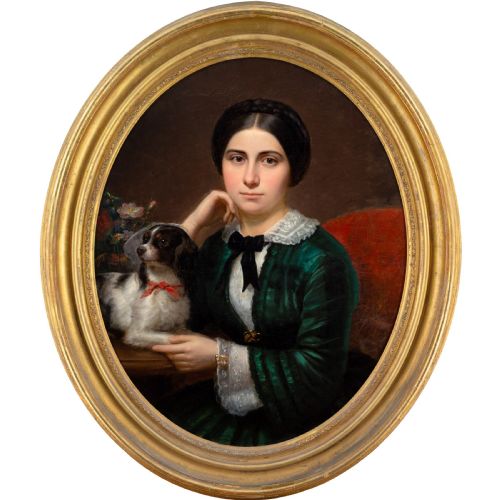
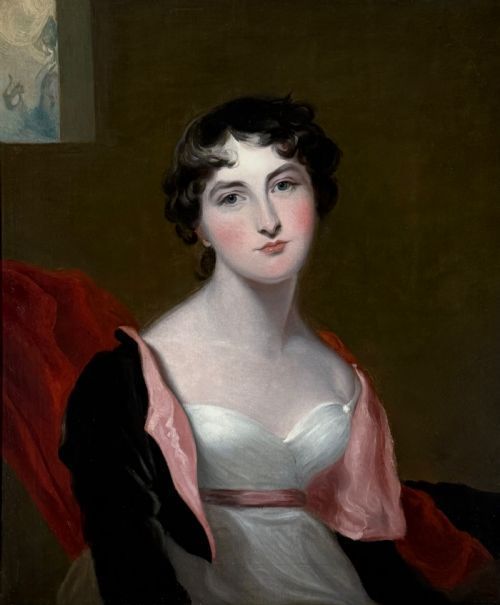
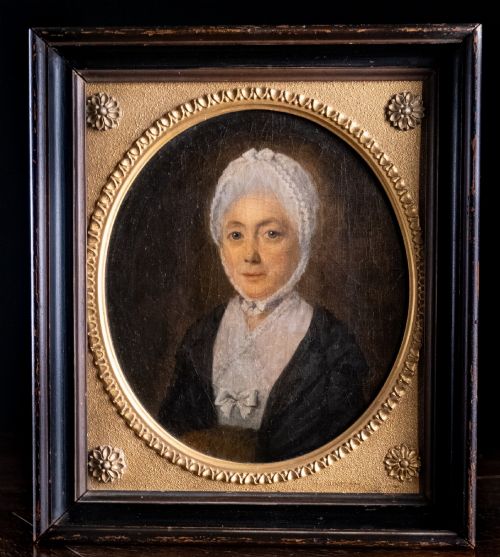
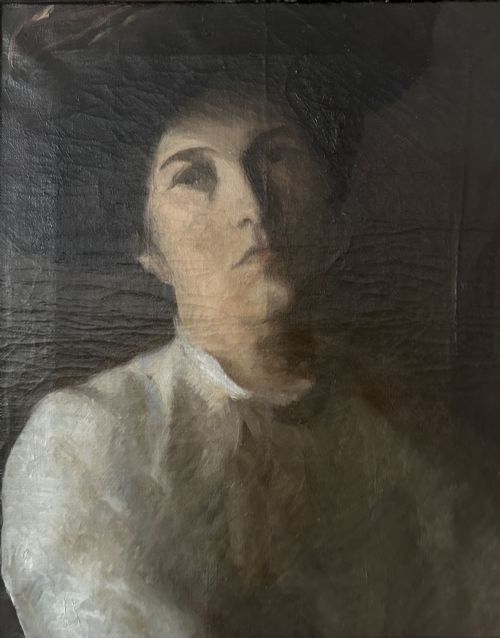
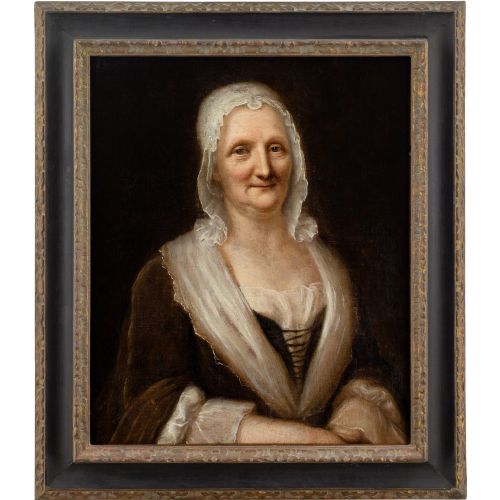
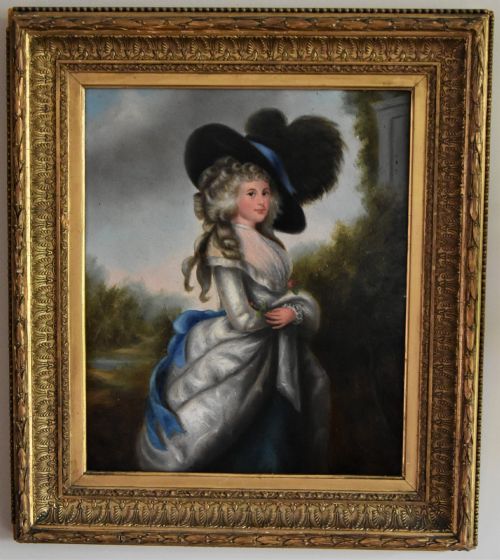
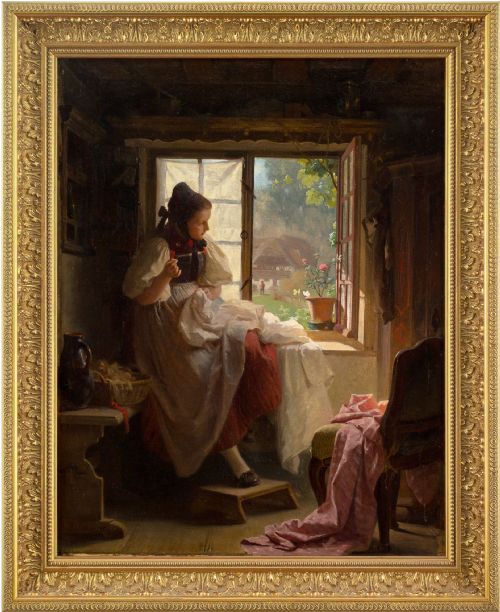
A woman portrait oil painting spans centuries of European and British artistry, ranging from formal 17th-century aristocratic studies to intimate 20th-century domestic works. These pieces depict sitters in various settings, from pastoral scenes to quiet interiors.
Buyers encounter works attributed to named artists alongside anonymous school pieces from specific regions. The subjects wear period costumes, ranging from elaborate gowns with bonnets to simple contemporary attire.
Materials and technique
Artists built these works using oil paint applied to stretched canvas or wooden boards, allowing for subtle blending and rich colour depth. Grounds of gesso prepared the surface before the primary pigments were laid down.
Frames often utilise giltwood and gold leaf, matching the aesthetic standards of the period in which the painting was produced. Canvases are secured with traditional joinery methods appropriate to their respective centuries.
Frame materials recorded include giltwood and ebony, enclosing portraits of sitters from various European schools.
Assessing quality
The preservation of the original canvas and the integrity of the paint layers determine the overall condition. Original period framing also contributes to the integrity of the piece.
G. J. S. Bary·Sir Godfrey Kneller·William Oliver·David Scougall·Charles Jervas·Sir Thomas Lawrence·Max Kaltenmoser·Toussaint Gelton·Charles Stuart Forbes·Lena Gurr·Charles James McCall·Achille-Fould·Attilio Toro·Paolo Veronese
The Woman Portrait Oil Painting Glossary
- Oil on Canvas
- Pigments bound in a drying oil applied to a woven fabric support. This combination provides durability and allows for expressive brushwork.
- Gesso
- A plaster mix used as a smooth surface primer on wood panels or canvases before painting. It creates a stable base for oil layers.
- Giltwood
- Wood carved and covered with thin gold leaf or gold powder. It is commonly found on period frames housing antique portraits.
- Baroque
- An artistic style prevalent from the 17th century characterised by drama, tension, and rich detail. Portraits from this era feature strong chiaroscuro.
- Provenance
- The documented history of ownership of an artwork. It helps establish authenticity and tracks the piece through time.
Woman Portrait Oil Painting: Frequently Asked Questions
How do I date an oil portrait?
Dating relies heavily on the sitter's clothing, hairstyle, and the construction methods of the canvas stretcher and frame. Stylistic clues within the brushwork also point to specific artistic periods.
Examining any inscriptions, signatures, or exhibition labels on the reverse provides further historical context.
Where should I hang an oil portrait?
Choose a wall away from direct sunlight and strong heat sources to protect the oil paint and canvas from drying out or fading. Stable indoor humidity prevents warping in wooden panels and frames.
Traditional portraits suit living rooms, studies, and hallways where lighting can be controlled with picture lights.
What is the difference between canvas and board?
Canvas consists of fabric stretched over a wooden frame, offering slight give and a textured surface for brushstrokes. Board provides a rigid, flat surface often utilised for smaller or more informal studies.
Both materials have been used concurrently across various centuries depending on the artist's preference.