
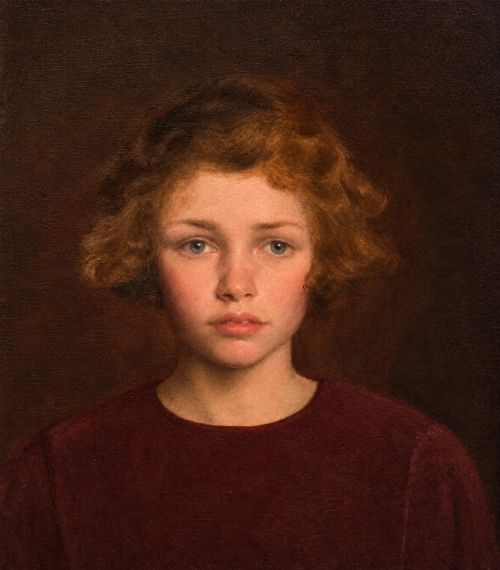
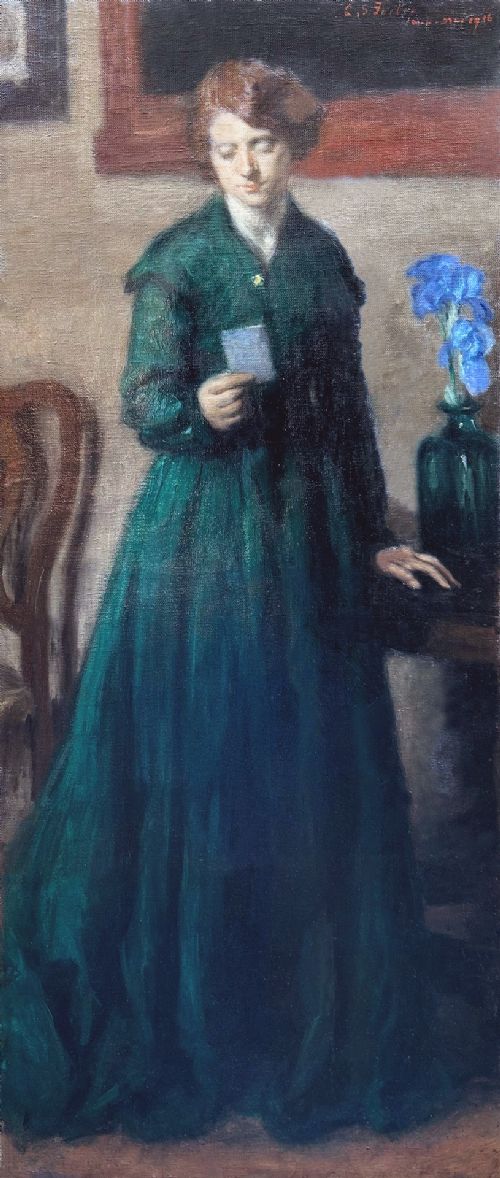
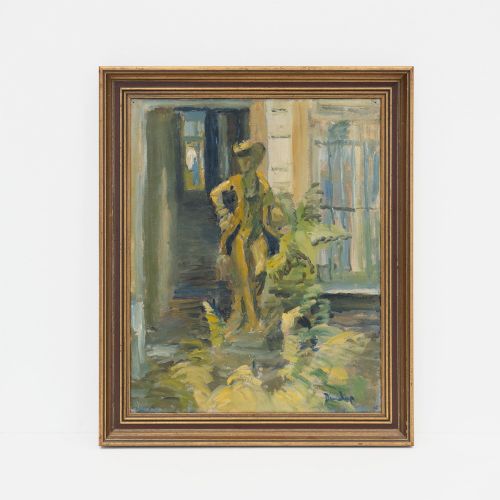
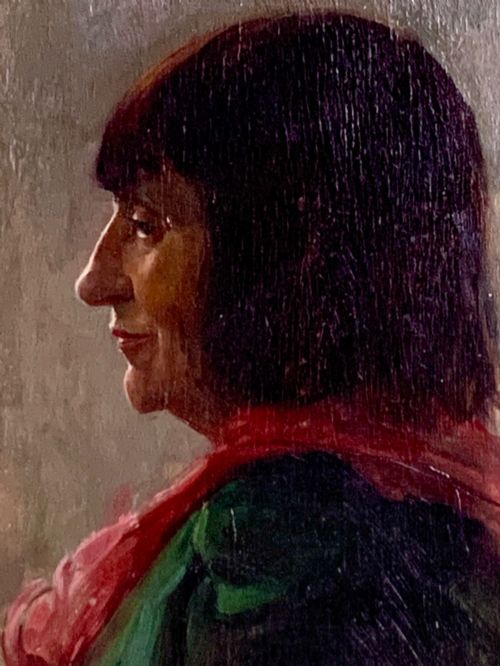


Post Impressionist Portrait Oil
A post impressionist portrait oil brings expressive brushwork and bold colour to the wall, capturing character through modern palettes.
Post Impressionist Portrait Oil
A post impressionist portrait oil is a fine art painting executed in oil on canvas, board, or wood panel, originating chiefly across the first half of the twentieth century. These works capture figures, self-portraits, and female nudes through stylistic lenses that draw on Post-Impressionism, Modern British painting, the Bloomsbury Group, Cubism, and Fauvism.
The pieces you encounter span decades from nineteen ten through to nineteen sixty, recording sitters in gardens, parks, or quiet domestic interiors. French and British hands dominate the selection, offering everything from intimate studies to large canvases marked by poetic realism.
What varies in quality
Quality rests in the sureness of the drawing and the expressive force of the palette, where confident brushwork conveys immediate psychological depth rather than mere photographic likeness. The distinction between a standard study and a masterwork lies in the cohesion of composition and the handling of light.
Condition of the pigment layer, stability of the canvas or wood panel, and the harmony of any period frame further differentiate examples within the collection.
Materials documented across the works include oil paint, canvas, wood panels, and occasional touches of gold leaf.
Charles Stuart Forbes·Ronald Ossory Dunlop·Edouard Julien·Henri Vincent-Anglade·Jean Hippolyte Marchand·Yetta Kane·Christian Caillard·Bernard Meninsky·Allan Gwynne-Jones
The Post Impressionist Portrait Oil Glossary
- Oil on canvas
- Pigment suspended in a drying oil, typically linseed, applied to a woven fabric support stretched across a wooden frame. This combination allows for rich texture and lasting flexibility.
- Wood panel
- A rigid wooden support used in place of canvas for paintings. It offers a smooth, stable surface preferred by certain artists for detailed or smaller compositions.
- Post-Impressionism
- An art movement developing roughly from the eighteen eighties onwards that rejected naturalistic depiction in favour of expressive use of form and colour. Painters applied subjective vision to everyday subjects.
- Fauvism
- A style characterised by strong, non-naturalistic use of colour and painterly brushwork. Originating in France, it prioritised emotional impact over realistic representation.
Post Impressionist Portrait Oil: Frequently Asked Questions
What defines a post impressionist portrait oil?
These works use oil paint to depict human subjects through non-naturalistic colour palettes and expressive brushwork. They depart from strict academic realism to emphasise mood and character.
You encounter subjects ranging from formal studies to intimate indoor scenes and female nudes, created across several decades of the twentieth century.
How should I hang a canvas painting safely?
Hang paintings away from direct sunlight, high humidity, and sudden temperature fluctuations to protect the oil paint and canvas. Ensure the wall fixings match the weight of the painting and its frame.
Using sturdy picture wire and two wall hooks keeps the piece level and distributes the weight evenly.
How do I date these twentieth century paintings?
Dating relies on signature styles, artist biographical dates, exhibition records, and framing materials characteristic of specific decades. Many pieces bear inscriptions or signatures directly on the front or reverse.
Comparing the handling of paint and the movement influence, such as Bloomsbury or Fauvism, helps narrow the period of creation.
How do I clean an old oil painting?
Dust accumulated on the surface should be removed very gently with a soft, dry artist brush. Avoid using water, household cleaners, or moisture on the paint layer.
Professional conservators should handle deeper cleaning or varnish removal to prevent accidental damage to the original pigment.