
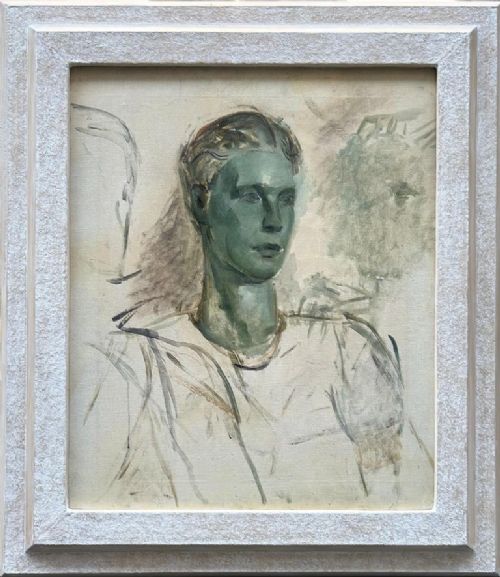
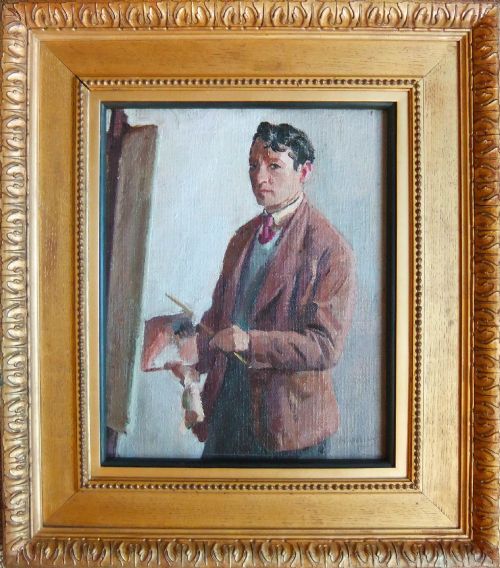


Figurative Male Oil Painting
A figurative male oil painting captures character and presence, offering the collector a direct window into past lives through layered pigment and expressive brushwork.
Figurative Male Oil Painting
A figurative male oil painting is a canvas or board study capturing the human form and male likeness through the medium of oil paint. When browsing this selection, collectors encounter works spanning the nineteenth century through the mid-twentieth century.
Makers represented in the evidence include named artists such as Philip Naviasky, Baruch Shalom Oskotsky, and Oliver Messel, alongside unattributed works from the nineteenth and twentieth centuries. Each piece utilises traditional supports like canvas, wood, and board.
Materials and technique
These works are executed in oil paint applied to traditional supports such as canvas stretched over wooden frames, wooden panels, and rigid board. The application ranges from smooth academic realism to thick, expressive impasto associated with mid-century expressionism.
Artists built their compositions using layered pigments that allowed for nuanced blending of flesh tones and deep shadows. Framing often complements the piece, with examples set in gilded wood matching the period aesthetic of the painting.
Listings span from the nineteenth century through the 1960s, documenting styles from academic realism to mid-century expressionism.
Judging quality and execution
The handling of the medium distinguishes accomplished academic and modern works from more rigid student studies. Greater depth is achieved through subtle tonal variation and the confident management of paint texture across the canvas or board.
Robert Heinrich·Oilver Messel·Philip Naviasky·Baruch Shalom Oskotsky·Geoffrey Robert Russell·Frank Samuel Eastman
The Figurative Male Oil Painting Glossary
- Oil paint
- A slow-drying paint made by mixing pigments with a drying oil, typically linseed oil. This medium allows for rich colour saturation and subtle blending.
- Academic realism
- A style of painting and sculpture produced under the influence of European academies of art. It emphasises precise anatomical accuracy and traditional finishing techniques.
- Impasto
- Paint applied thickly to a canvas, standing out from the surface so that the brush or palette knife strokes remain visible. This technique adds tactile dimension to the artwork.
- Bloomsbury Group
- An association of English writers, intellectuals, philosophers and artists active in the first half of the twentieth century. Their portraits often embrace a relaxed, expressive approach to form and colour.
- Board
- A rigid flat material used as a painting support instead of stretched canvas. Artists frequently utilised board for smaller studies and quick portrait sketches.
Figurative Male Oil Painting: Frequently Asked Questions
What is a figurative male oil painting?
It is an artwork executed in oil paint that depicts the male human form, typically taking the form of a portrait or character study.
These pieces capture likenesses ranging from formal academic commissions to informal studio sketches and self-portraits.
How do I date an old oil portrait?
Dating relies on examining the stretcher frames, the preparation of the canvas or board, and the style of clothing and hair depicted.
Signatures, artist biographies, and framing materials also provide vital clues to establish the period of creation.
Where should I hang an oil painting?
Oil paintings on canvas or board benefit from placement away from direct sunlight and excessive humidity to protect the pigments and wooden supports.
Selecting a wall with stable ambient temperature ensures the preservation of both the paint layer and any period frame.
What is the difference between canvas and board supports?
Canvas is fabric stretched over a wooden frame, providing a flexible surface with subtle give under the brush.
Board is a rigid panel that offers firm resistance, frequently utilised by artists for smaller plein air studies or rapid portrait sessions.